
The geometry of the abyss and the summer return
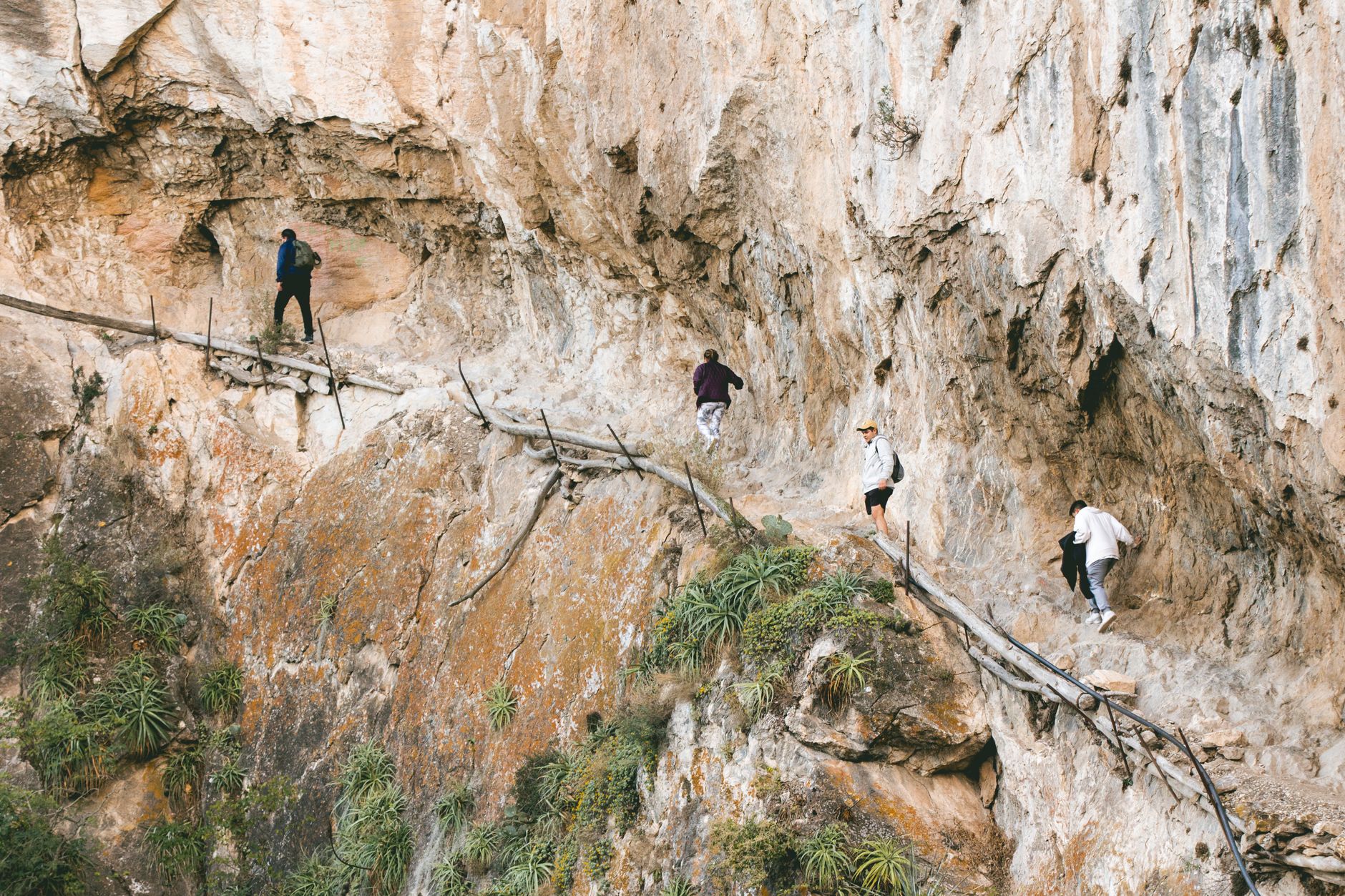
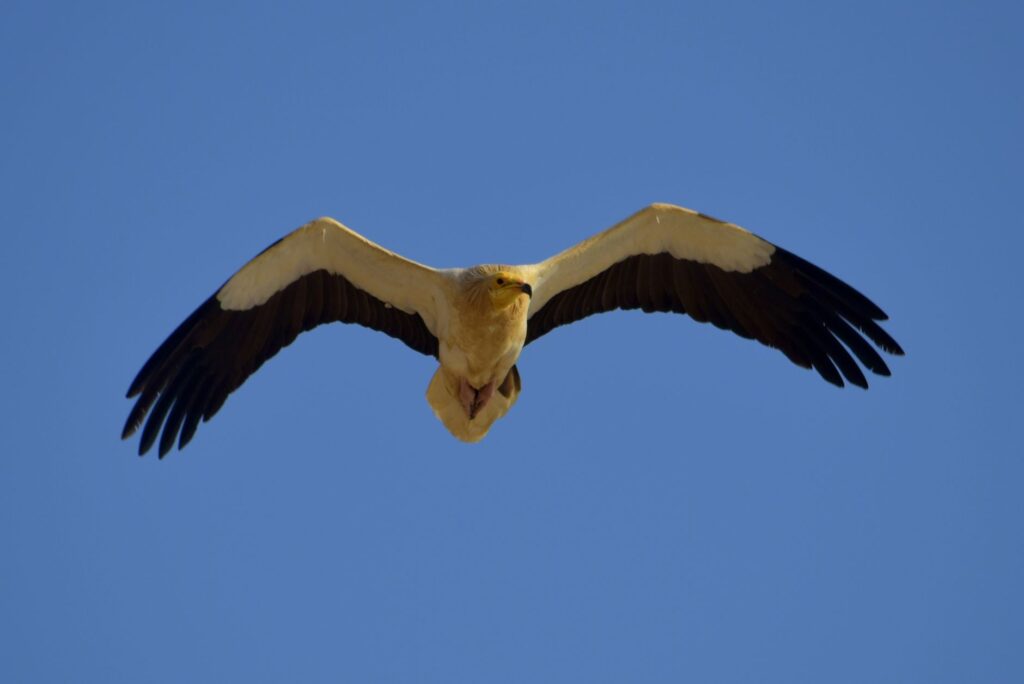
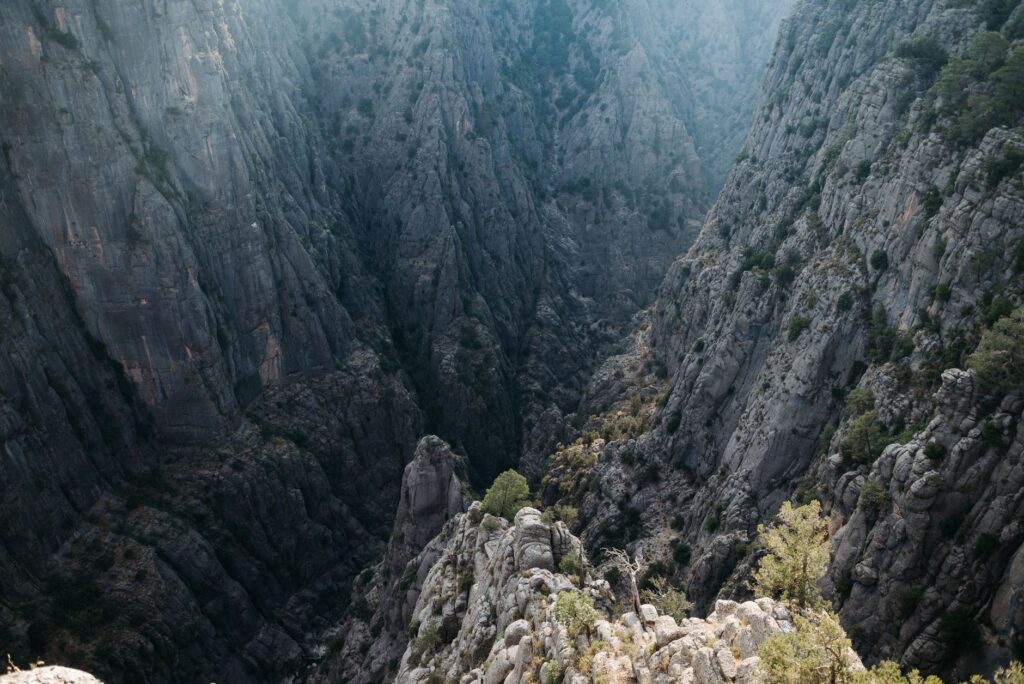
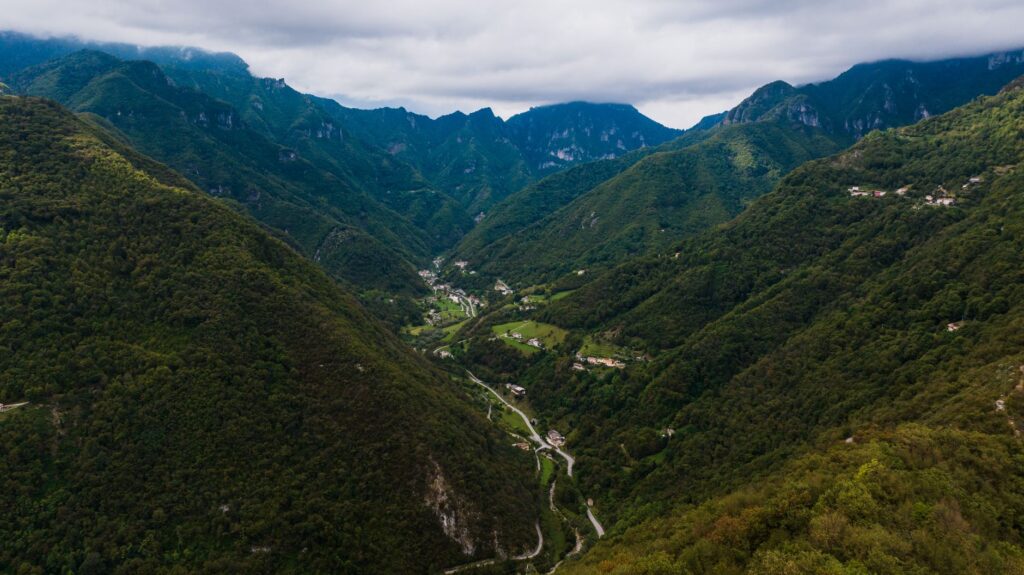
The vertical walls carved by the Eria River in the southern foothills of the Cantabrian Mountains are not merely a geomorphic accident; they form an open-air cathedral where each geological stratum narrates millions of years of water erosion and tectonic shifts. In this Leonese enclave, where the landscape oscillates between Mediterranean scrubland and mid-altitude pastures, the arrival of spring marks a biological milestone of immense ecological value. Having crossed the Strait of Gibraltar from their wintering grounds in the African Sahel, the Egyptian vulture returns to the isolated river cliffs that have served as breeding grounds for generations. This small migratory vulture, unmistakable for its white plumage and featherless yellow head, finds in these secluded gorges the tranquility and trophic resources indispensable for completing its reproductive cycle.
Studying rupicolous avifauna in this sector requires a patient and respectful gaze. Unlike larger vultures such as the griffon, the Egyptian vulture relies on sheltered cavities and ledges in rock faces to build a voluminous nest that it reinforces year after year with dry branches, sheep’s wool, and skeletal remains. The selection of the site responds to millimetric safety criteria against terrestrial predators and optimal orientation to guarantee the hours of sunshine necessary for incubation. Biologists monitoring the local population note that pair fidelity is a fundamental pillar of the species’ survival, with nuptial bonds maintained season after season on the same rocky crag.
The summer presence of this raptor in the Eria gorges symbolizes the ecological health of an ecosystem in transition. However, scientific analysis reveals that current population densities fall far short of the historical records of the mid-20th century. The intensification of traditional agricultural practices, the decline of free-ranging extensive livestock, and the alteration of foraging habitats have substantially modified food availability. Observing the Egyptian vulture soar masterfully on morning thermal currents over cultivated valleys is a privilege that today demands both fortune and a rigorous territorial protection strategy.
Trophic dynamics and the sanitary role of the lesser scavenger
Within the trophic web of Mediterranean mountain ecosystems, the Egyptian vulture plays an irreplaceable ecological role known as the sanitary cleanup service. As a strictly scavenging bird, its diet consists primarily of the remains of dead animals, ranging from large ungulates to small vertebrates, reptiles, and even insects and plant matter during periods of scarcity. Its slender, curved beak, perfectly adapted for tearing tissues in areas where larger species cannot reach, allows it to naturally cleanse the territory of infectious outbreaks. This silent labor prevents the spread of epizootics and closes the nutrient cycle in forest and rocky soils.
Recent research on the feeding behavior of the species in northern Castile and León highlights the importance of traditional feeding stations and extensive livestock farming. When local herders move their flocks of sheep and goats to mountain pastures during the summer months, they generate a network of dispersed trophic resources that the Egyptian vulture locates with outstanding visual acuity. The decline of traditional grazing represents an invisible yet lethal threat to the stability of breeding populations, forcing adult specimens to drastically widen their foraging ranges and expending precious vital energy during the chick-rearing phase.
In addition to livestock carrion, the Egyptian vulture’s diet in these Leonese gorges includes a notable variety of wild resources. Its presence is frequently documented in rocky outcrops where rabbits and hares roam, as well as in scrublands where it precisely captures lizards or snakes. This dietary versatility has allowed the species to weather moments of ecological crisis, although experts warn that reliance on secondary sources does not compensate for the loss of traditional extensive livestock farming, a fundamental pillar of its subsistence in the Iberian Peninsula.
Migratory routes and the perils of the Saharo-Sahelian corridor
The life cycle of the Egyptian vulture is marked by one of the most fascinating and perilous migratory epics in the natural world. After leaving the Leonese nests in late summer, adult specimens and juveniles born that same year embark on a journey of thousands of kilometers to the south. The routes of Iberian individuals cross the peninsula from north to south, skirt the Andalusian coast, and cross the Mediterranean Sea via the Strait of Gibraltar, a biogeographic bottleneck where thousands of soaring birds converge each autumn taking advantage of ascending air currents.
Once on the African continent, the journey continues across the vast arid and semi-arid landscapes of the Sahel, a territory subjected to growing anthropogenic pressure and recurrent desertification phenomena. Satellite telemetry has allowed ornithologists to unveil the black spots of this migratory route, evidencing that the highest mortality rates do not occur during the marine crossing, but in the wintering areas due to electrocution in deficient power lines, ingestion of poisoned baits, and poaching. Knowing these pathways with millimetric precision is the essential first step to designing coordinated international conservation policies between European and African countries.
The return to the Cantabrian Mountains in spring completes a migratory circle that tests the physical endurance of these birds year after year. Juveniles completing their first trans-Saharan journey return to Europe with an unmistakable mottled plumage and spend several years roaming the territory in a subadult phase before pairing up and settling permanently in a breeding territory. This longevity, which can exceed two decades under optimal conditions, contrasts with the species’ low reproductive rate, which usually lays one or two eggs per clutch, turning every new fledgling into an exceptional biological triumph for the taxon’s conservation.
The conservation of cliff-dwelling birds does not depend solely on protecting the rocky crag where they nest, but on safeguarding the entire surrounding territory where they search for the food that sustains their flight.
Anthropogenic threats and fragmentation of the Cantabrian habitat
Despite its legal status as a protected species at both national and European levels, the common Egyptian vulture faces severe threats in its northern distribution range. The transformation of the rural environment and the progressive industrialization of mountain valleys generate habitat fragmentation that isolates local populations, reducing genetic diversity and hindering the exchange of specimens between different reproductive nuclei. Unmarked power lines, the proliferation of wind farms on ridges frequented by raptors, and the illegal use of poisons in the countryside continue to kill adult specimens in prime reproductive age.
In the gorges of the upper Eria, human pressure adopts specific nuances linked to the abandonment of mountain villages and the consequent loss of traditional agricultural activities. Paradoxically, the disappearance of livestock is not the only risk; disorderly tourist overcrowding in certain natural areas during summer weekends generates acoustic and visual disturbance near occupied cliffs. Environmental disturbance during the critical incubation period can cause the permanent abandonment of the nest, thwarting the reproductive effort of the entire season and accelerating the demographic decline of the species in the region.

To counter these destructive dynamics, environmental management agencies and non-governmental organizations develop continuous surveillance and environmental education programs. These initiatives include marking dangerous power lines, creating controlled supplementary feeding stations, and temporarily restricting climbing and hiking activities in sensitive sectors during the spring and summer months. The active collaboration of local residents and regional herders stands as the most effective containment dike against the degradation of this Leonese rocky sanctuary.
Active conservation, citizen science, and the value of responsible ecotourism
The future of Egyptian vulture populations in the canyons of the northwest Iberian Peninsula depends inexorably on implementing active conservation models that integrate citizen science and responsible ecotourism. Simultaneous census campaigns, involving both professional ornithologists and trained volunteer enthusiasts, keep an updated record of the species’ reproductive success and spatial distribution. This database is fundamental for evaluating the effectiveness of implemented protection measures and adapting management plans to the changing reality of the territory.
Well-understood ecotourism, based on respectful wildlife observation and environmental interpretation of river landscapes, provides added economic value that directly benefits the local rural economy. When visitors understand the biological fragility of the Eria gorges and the importance of maintaining extensive livestock farming, they become ambassadors of conservation. Rigorous nature tourism transforms the passive traveler into an active ally capable of denouncing harmful practices and consuming local products from livestock farms compatible with the survival of scavengers.
Regional and local institutions face the challenge of articulating regulations that harmonize the socio-economic development of the region with the strict preservation of natural values. Promoting direct aid to herders who maintain traditional grazing practices in mountain pastures is an indirect conservation measure far more effective than any punitive prohibition. Only through complicity between humans and the territory will it be possible to ensure that the whistling wind in the Eria crags continues to be accompanied, spring after spring, by the elegant and necessary flight of the Egyptian vulture.
Practical guide
How to get there: Access to the gorges of the upper Eria is mainly achieved from the city of León via the N-120 national highway and regional turnoffs toward the La Bañeza region and western valleys. Having your own vehicle is recommended to navigate the secondary roads connecting small riverside villages.
When to visit: The optimal period for observing summer raptors extends between May and August, coinciding with the breeding phase and active presence of adult specimens on the cliffs. April and September are ideal for documenting migratory passages without high summer temperatures.
Where to stay: Accommodation is concentrated in sustainable rural tourism houses located in valley municipalities and small mountain hamlets. These facilities are usually run by local residents who offer direct information on hiking trails and environmental respect guidelines.
Recommended gear: 8×42 or 10×42 binoculars for distant bird watching without altering behavior, spotting scope with tripod for reading rings or monitoring nests, sturdy mountain footwear, and neutral-colored clothing avoiding glaring contrasts on rocky outcrops.
Code of conduct: The use of drones near cliffs occupied by protected avifauna, free camping in unauthorized areas, and leaving waste of any kind are strictly prohibited. Always respect temporary passage restriction signs in nesting zones.
The fragile heartbeat of the Leonese crags
Contemplating the Eria gorges at dusk, when golden light bathes the limestone walls and the mountain’s silence is broken only by the distant murmur of the river, invites profound reflection on our responsibility in preserving natural balances. In this Leonese corner, the Egyptian vulture acts as judge and witness to the health of a rural world in transformation. Every pair that successfully rears a chick on its inaccessible ledge represents a silent victory against desolation and oblivion. The survival of this small migratory vulture is not merely a matter of ornithological interest; it is the exact measure of our capacity to share the territory with the wild species that have inhabited these canyons long before we traced our first paths. Caring for the flight of the Egyptian vulture is, ultimately, ensuring that nature retains its wildest and most authentic heartbeat for future generations.