
A New Horizon for Spanish Cinema
Contemporary cinema rarely witnesses the birth of a work capable of transcending the screen itself to become a cultural event of multifaceted dimensions. The Black Ball, the eagerly awaited and already celebrated new proposal signed by Javier Calvo and Javier Ambrossi—popularly known as Los Javis—is not merely the film of the season or the year; it is a thrilling epic that moves through three distinct times and multiple geographical and emotional spaces to dissect with surgical precision memory, queer identity, and the unfathomable figure of Federico García Lorca. With a formal ambition unprecedented in their filmography, the directors deploy a visual narrative as refined as it is overwhelming, shaking the foundations of the collective imagination.
This creative journey, deeply rooted in the urgency to rescue silenced truths, unfolds along a geographical and temporal path that intertwines mythical Andalusia with the most intimate corners of exiled memory. Through a careful selection of locations that function as another character within the plot, the film turns the landscape into a mute yet complicit witness to the sorrows and joys of its protagonists. Condé Nast Traveler Spain has sought to delve into the intricacies of this geographical and cinematic journey to map the real and imaginary spaces that bring this monumental work to life.
The Pulse of Memory and Territory
Approaching a project of such magnitude requires a rigorous immersion in the contexts that shaped Lorca’s sensibility and that, in one way or another, resonate in the aesthetic concerns of Los Javis. The film establishes a constant dialogue between a turbulent past and a present that seeks to heal old wounds through beauty and reconciliation with its own history. Each shot is conceived as an inhabited postcard, where the Mediterranean light and the chiaroscuro of traditional interiors configure a magnetic atmosphere that traps the spectator from the very first frame.
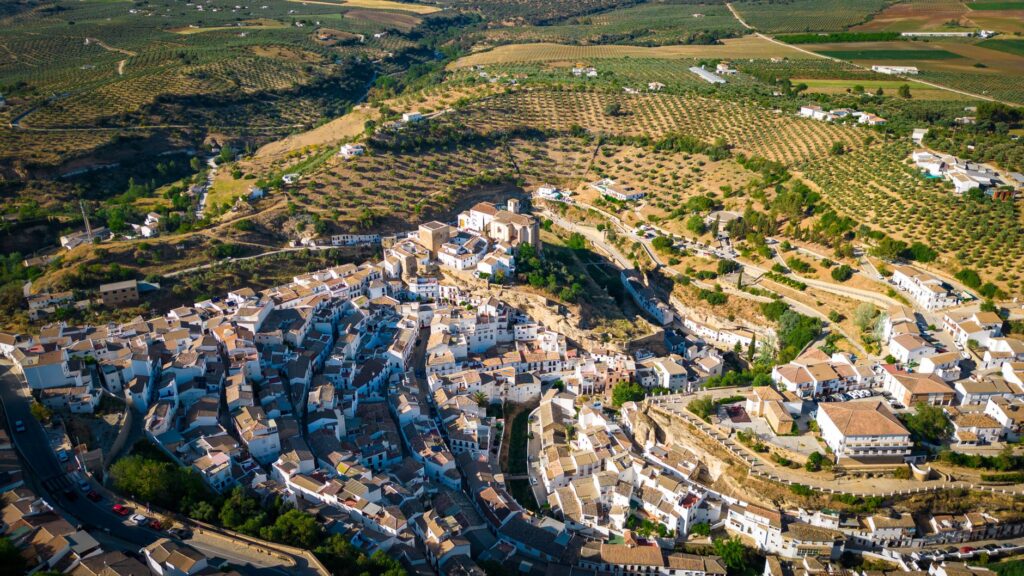
The pre-production and filming process involved months of research in historical archives, cultural foundations, and rural enclaves where time seems to have stopped. Los Javis have not sought museum-like recreation, but the organic truth of the spaces. Fidelity to emotion prevails over mere documentary rigor, ensuring that each setting breathes authenticity and offers the viewer a complete sensory experience, where traditional architecture and vast natural horizons act as catalysts for dramatic catharsis.
Three Times, Multiple Geographies
The narrative structure of the film is fragmented into three crucial epochs that converse with one another through subtle yet forceful transitions. This temporal division forces a constant displacement, not only mental but physical, across various Spanish provinces that represent the different vital and creative stages of the poet and of those who attempt to preserve his legacy today. From the silent alleys of white villages to the bustling and changing urban scenarios of Madrid in key moments of the twentieth century, the camera captures the mutability of identity.
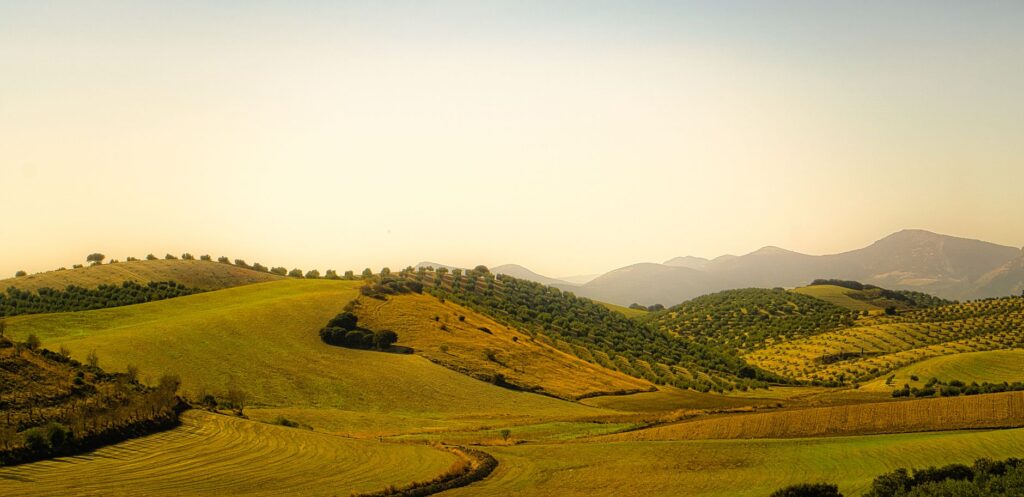
The cinema of Los Javis consecrates itself here as an exercise in urgent and beautiful historical memory, where every landscape is a trench against oblivion and intolerance.
This tripartite division allows the creators to explore how physical spaces inherit the emotional burdens of those who inhabited them. Stately homes with shady patios, olive groves under an implacable sun, and attics where forbidden dreams are hatched become custodians of unconfessable secrets. Art direction has successfully read these geographical nuances, endowing each era with its own chromatic palette that underlines the psychological evolution of the characters and the transformation of the country itself over the decades.
The Indelible Footprint of Federico García Lorca
Invoking the figure of Federico García Lorca in contemporary cinema entails enormous ethical and aesthetic responsibility. Los Javis have avoided the conventional biopic to embrace a more lyrical and spectral approach, where the poet is omnipresent despite his physical absence. His poetry and personal tragedy hover over every sequence, impregnating dialogues and silences with a luminous melancholy that defies narrative conventions.
The enclaves associated with the author—his birthplace in Fuente Vaqueros, the Granada passages that witnessed his childhood, and the ravines where his voice was tragically silenced—are integrated into the footage as stations of a secular cross. Nonetheless, the film chooses the celebration of his work and vitality over the morbid recreation of martyrdom. The joy of creation and resistance through art stand as the true backbone of this cinematic tribute that transcends the borders of Spanish geography to connect with universal audiences.
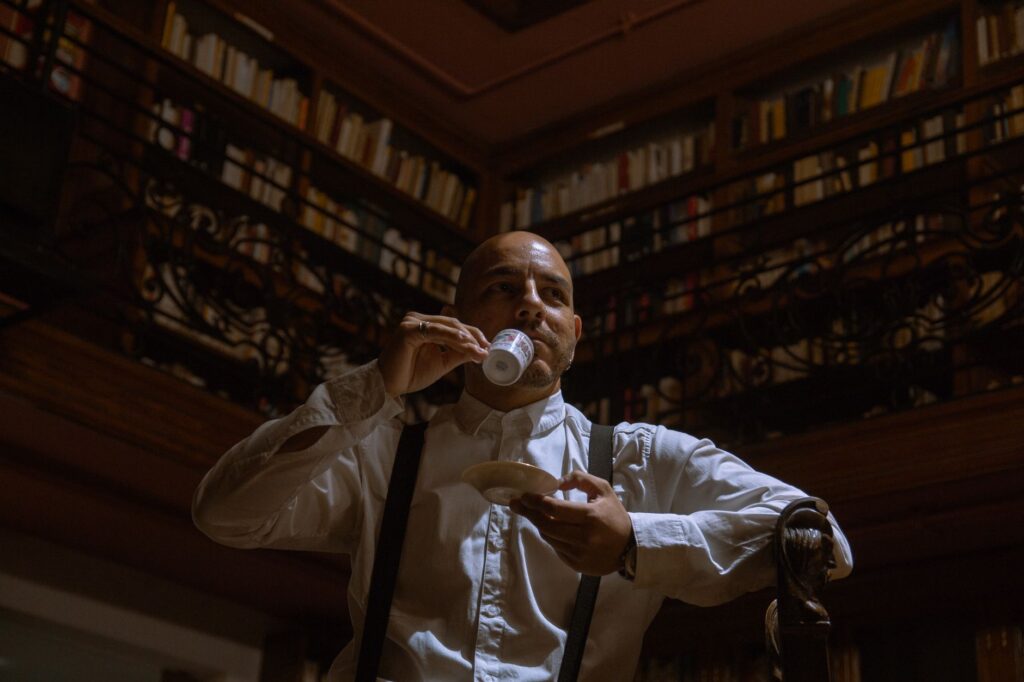
Queer Identity and the Geography of Internal Exile
One of the greatest successes of The Black Ball is its ability to intertwine Lorca’s historical tragedy with the contemporary experiences of characters fighting to live their queer identity in freedom. The cinematic territory thus becomes a map of internal and external exile, where safe spaces are fleeting refuges built against the tide of social incomprehension.
Cities large and small act as double-faced stages: on the one hand, they offer the anonymity necessary for personal liberation; on the other, they impose invisible yet oppressive barriers. Los Javis portray with immense sensitivity the clandestine corners, the dim-lit bars, and the shared apartments where new chosen families are forged. These everyday spaces are elevated to the category of temples of resistance, proving that the geography of sexual dissent has its own cathedrals built with affection and complicity.
Architecture, Landscape, and Staging
The visual rigor of the film rests on an outstanding cinematography that knows how to make the most of vernacular architecture and the landscape contrasts of the peninsula. From the hieratic aridity of the plateaus to the shadowy lushness of northern forests in transition sequences, every framing is measured to the millimeter to reinforce the dramatic tension and plastic beauty of the narrative.
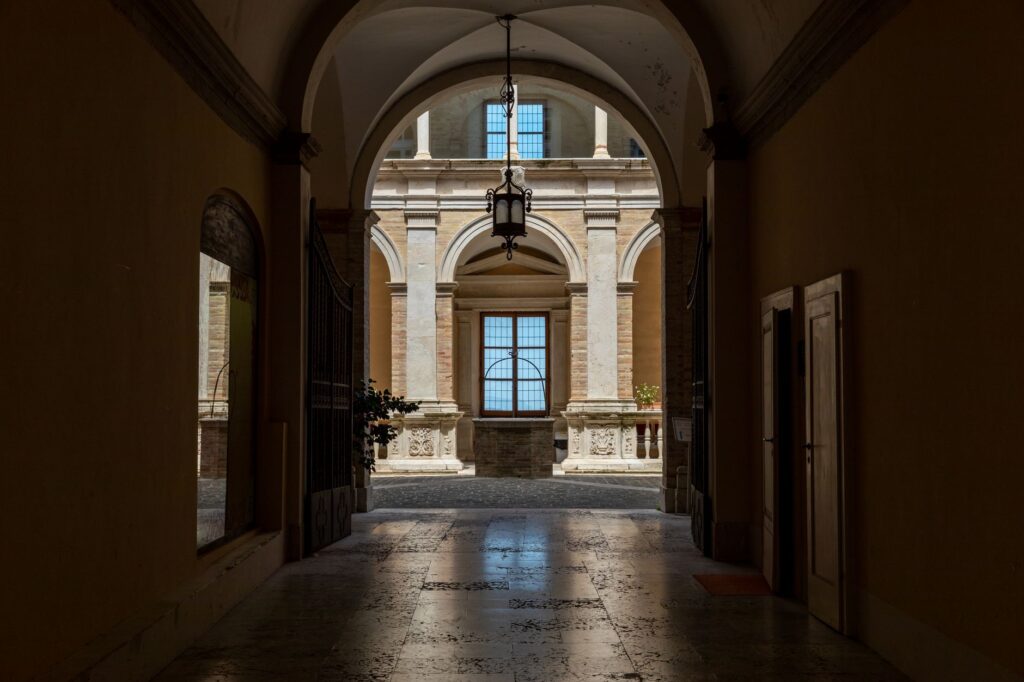
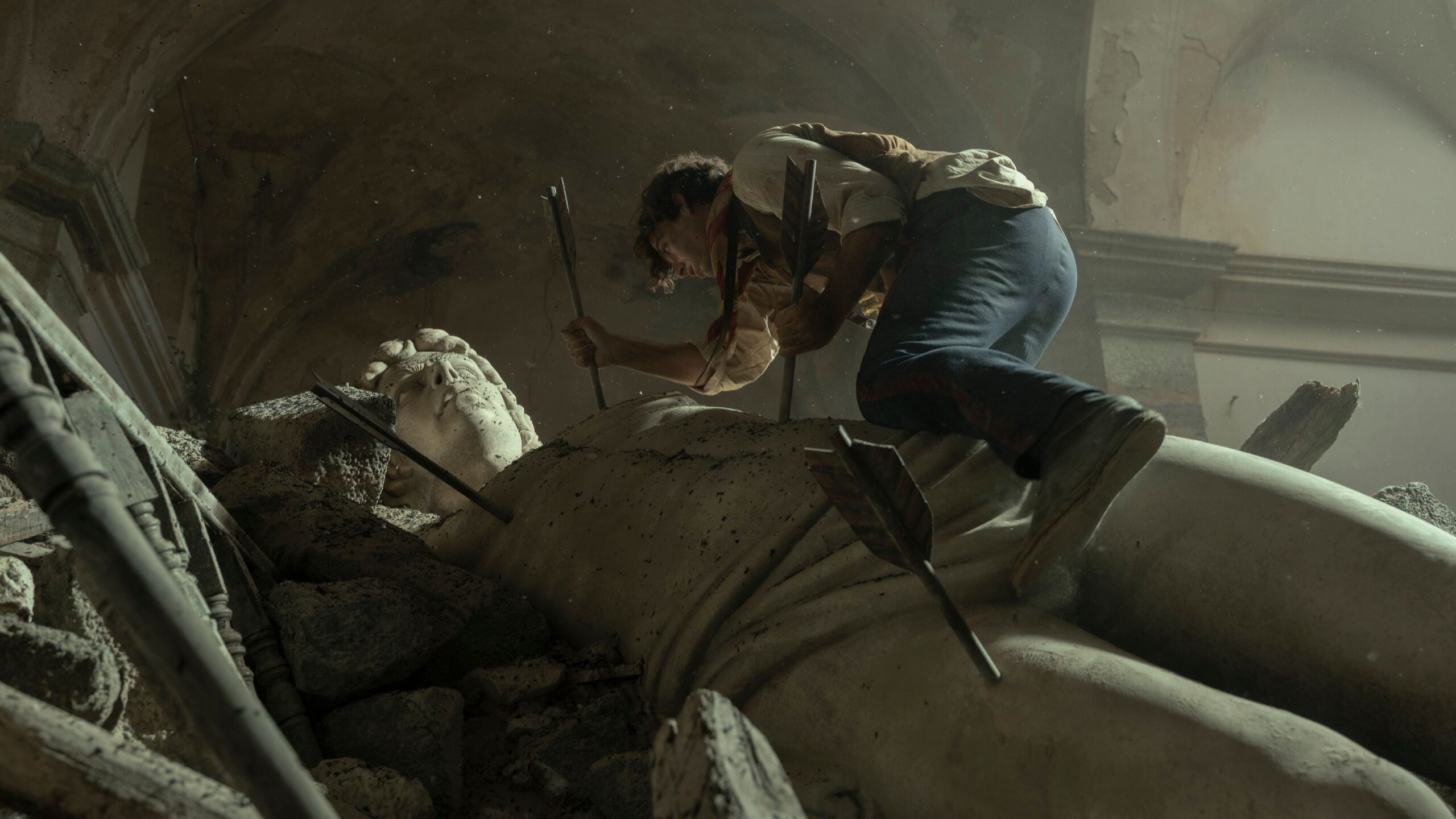
The historic buildings selected to house key moments of the plot—abandoned old theaters, converted noble palaces, and convents with monastic echoes—provide a unique visual texture that enriches the narrative. Spanish architectural heritage ceases to be a mere postcard backdrop to become a living organism that breathes, ages, and witnesses the most intimate transformations of the characters.
Practical Guide
For travelers and film buffs wishing to follow in the footsteps of this exciting production and understand the real scenarios that have inspired and housed the universe of The Black Ball, the following points of cultural and historical interest are suggested:

Route Through Lorca’s Settings in Granada
- Federico García Lorca House Museum (Fuente Vaqueros): The essential starting point to understand the poet’s early years and the agrarian landscape that nurtured his imagination.
- Huerta de San Vicente (Granada): The former summer residence of the Lorca family, preserved just as the poet knew it before his tragic end.
- Víznar Ravine: An inescapable historical memory space that symbolizes the author’s tragic destiny and whose weight gravitates over the subtext of the work.
Filming Enclaves and Cultural Heritage
- Historic Center of Almodóvar del Río: Its steep streets and imposing castle served to recreate the most evocative passages of early twentieth-century Andalusia.
- Literary and Bohemian Madrid: Spaces like the Barrio de las Letras and historic cafes where tribute is paid to the Residencia de Estudiantes, the epicenter of the Generation of 27.
- Classical Andalusian Theaters: Century-old performance spaces that hosted the most theatrical and metacinematographic sequences of the film.
Emotional Epilogue and Shared Memory
In its final stretch, the film abandons the bustle of grand settings to take refuge in absolute intimacy, in a visual climax of deep emotional resonance that synthesizes the thesis of the entire footage. The camera lingers on a sustained close-up, almost painful in its honesty, where the faces of the characters reflect the acceptance of loss and the undeniable victory of memory over oblivion. There are no stridencies or didactic speeches; only the realization that stories worth telling always find a way to break through the darkness, like a tenacious seed breaking through asphalt.
This cinematic conclusion reminds us that traveling through art is, ultimately, an exercise in mutual recognition. With this work, Los Javis deliver their most mature piece, a testament of love to culture, diversity, and human resilience that will endure in the collective memory long after the theater lights come back on. The Black Ball thus stands not only as the pinnacle of their career, but as an essential milestone for understanding where auteur cinema in our country is heading.
The true homeland of the artist is shared memory, that invisible territory where the living and the dead converse without fear under the light of truth.
Source in EN: Condé Nast Traveler Spain