
Beyond Comfort: Rethinking Family Travel in the Twenty-First Century
For decades, the tourism industry has neatly categorized family vacations into predictable slots: all-inclusive resorts, European city breaks with strollers, or meticulously designed theme parks meant to ward off childhood boredom. Yet, under the signature of Adriana Muela from the platform Alan x el Mundo, an uncomfortable but essential question emerges: what happens when we shift our focus from absolute comfort to the unpredictable expanse of the African wilderness? Plane tickets to Rwanda, Tanzania, or Kenya rarely top traditional wish lists when traveling with children or teenagers. An instinctive fear of discomfort, complex logistics, and the unpredictability of wild spaces often holds families back. However, bypassing this option means depriving younger generations of a mirror where humanity reflects in its rawest, most urgent state.
Contemporary family travel frequently suffers from an over-planning syndrome that numbs the element of surprise. In conventional destinations, every hour is swallowed by lines, children’s menus, and glowing screens acting as electronic babysitters. In sharp contrast, crossing the natural frontiers of East Africa imposes a radical pause. The rhythm is dictated by the sun, the migrations of giant herbivores, or the infinite patience required to watch a leopard resting in thick brush. Comfort yields to awe, and traditional family hierarchies transform. Parents step down from omniscient guides to become expedition companions who, alongside their offspring, face the vastness of the world for the very first time.
The First Encounter with the Savanna: Unlearning Fear and Embracing Vastness
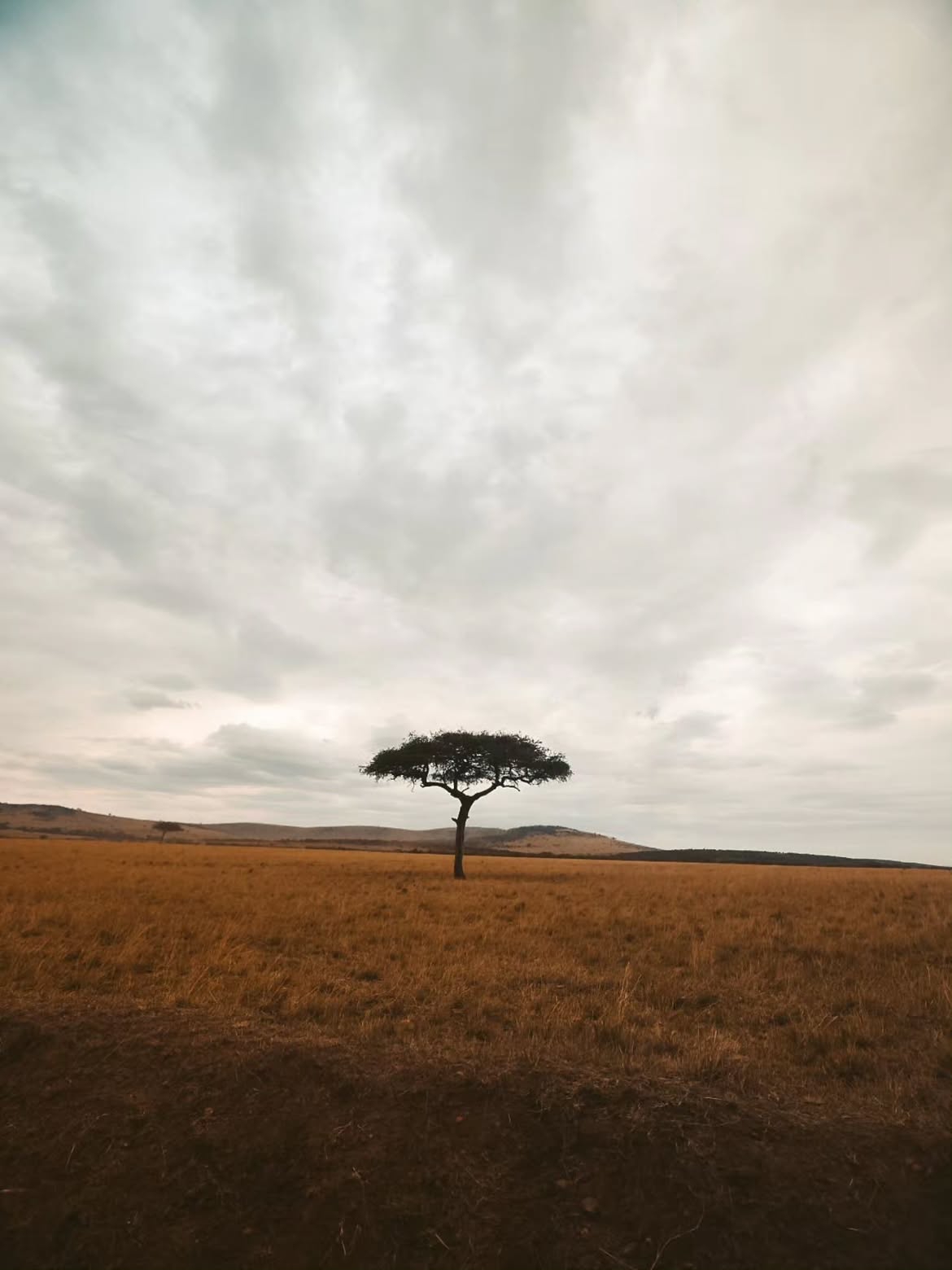
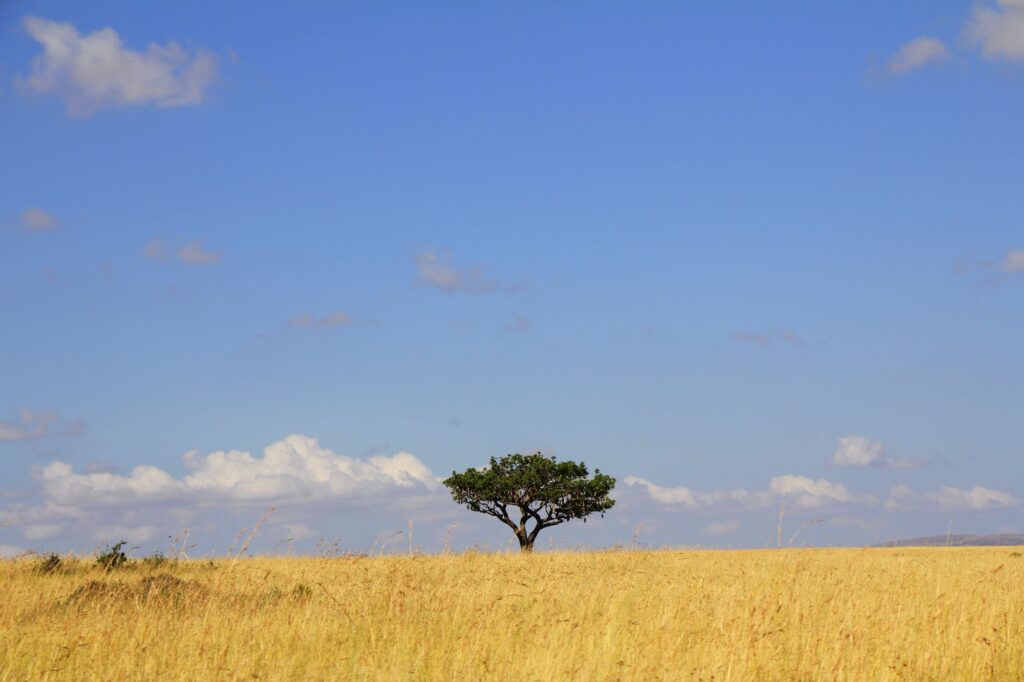
Landing on African soil is usually accompanied by a heavy silence, broken only by the hum of aircraft engines and the dense warmth of the savanna. For youngsters accustomed to asphalt and the concrete geometry of major metropolises, the visual impact is total. There are no guardrails or distances measured by mobile mapping apps here. The savanna stretches toward the horizon in an endless gradient of ochres, dry greens, and cathedral-like skies. In this context, the initial anxieties felt by adults—fueled by cinematic myths and excessive health warnings—quickly dissolve upon witnessing the sophistication and high professionalism of local conservation and guiding operations.
The Pedagogy of Silence in National Parks
Teaching children to observe wildlife requires an almost monastic discipline: silence. Inside the four-wheel-drive vehicles traversing the reserves, the rules of the game shift immediately. A sudden shout or abrupt movement can chase away a leopard lounging on an acacia branch. This demand for stillness is not a punitive imposition, but an invitation to tune into the surrounding ecosystem. Minors discover that nature does not perform on demand; it requires patience, respect, and laser-focused attention that brutally contrasts with the instant gratification of video games and social media feeds.
Family travel to Africa is not designed to entertain; it aims to profoundly transform how younger generations understand their place on the planet.
Through the eyes of experienced local trackers, children learn to read footprints in the dust, identify the recent passage of elephants through broken branches, and distinguish the calls of raptors. This direct, kinesthetic learning fosters genuine scientific curiosity. Questions are no longer solved by querying a web browser, but by directly observing how zebras interact with wildebeests or how a giraffe family moves with geometric elegance among thorny shrubs.
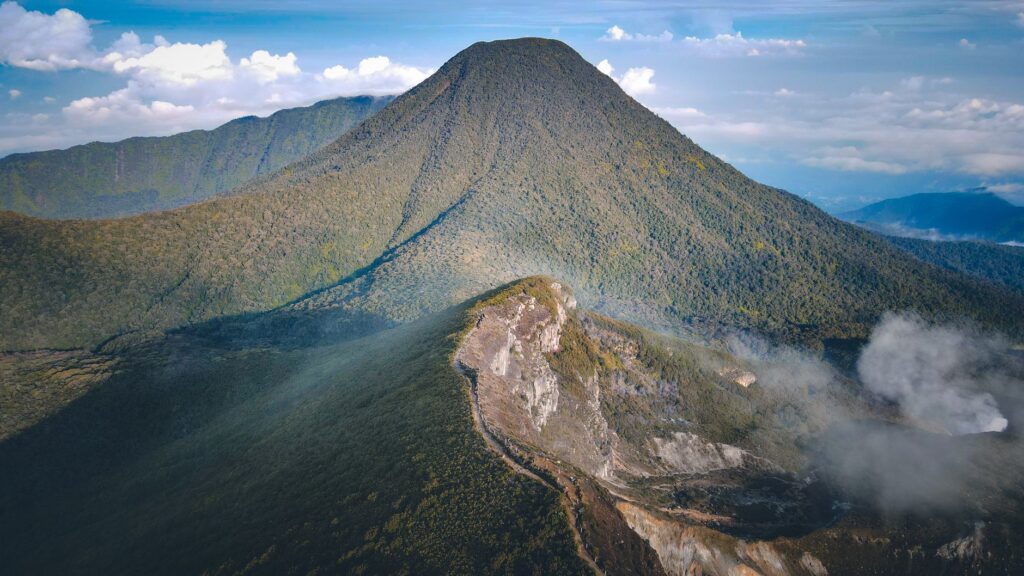
Rwanda and the Lesson of Fragility: Walking Among Giants
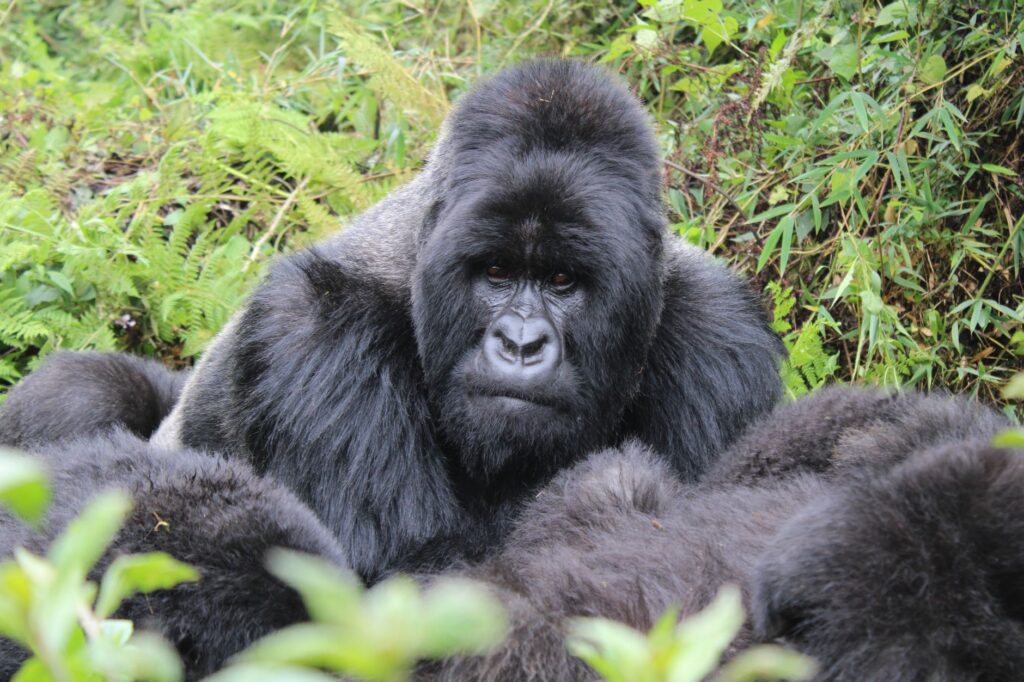
Few places on earth embody the tension between vulnerability and resilience quite like Rwanda. Known as the land of a thousand hills, this nation offers one of the most transformative experiences for any family: tracking mountain gorillas in Volcanoes National Park. For children and teenagers, this is no mere zoological sighting; it is an intimate encounter with our closest genetic relatives within their green, misty home.
The ascent up volcanic slopes, covered in lush and slippery vegetation, demands considerable physical effort. Younger travelers experience genuine fatigue, sweat, and the crossing of their own bodily limits. Yet, the reward erases any trace of exhaustion. When the guide signals a halt and the imposing silverback male appears surrounded by playful infants, time stops entirely. Witnessing the tenderness with which a mother cares for her baby just meters away humanizes environmental conservation in a way television documentaries can never achieve.
Historical Memory as the Foundation of Global Empathy
Beyond its rich biodiversity, Rwanda serves as a painful yet luminous reminder of recent human history. Visiting genocide memorials alongside teenage children can feel complex, but it remains an irreplaceable ethical exercise. These spaces invite deep reflection on peace, reconciliation, and the importance of building societies rooted in dialogue. Understanding how an entire nation managed to heal its collective wounds grants young minds a mature perspective on global conflicts and civic responsibility, pulling them away from urban self-absorption.
Tanzania and Kenya: The Great Theater of Migration and Community Living
The Great Rift Valley, cutting through Tanzania and Kenya, functions as the grandest natural stage on the planet. Here unfolds the Great Migration, a phenomenon where millions of ruminants cross rivers infested with crocodiles in an eternal cycle of life and death. Witnessing this spectacle as a family shatters the sugar-coated romanticism of nature often perpetuated in Western cities. Children realize that survival in the wild is complex, relentless, and beautiful all at once.
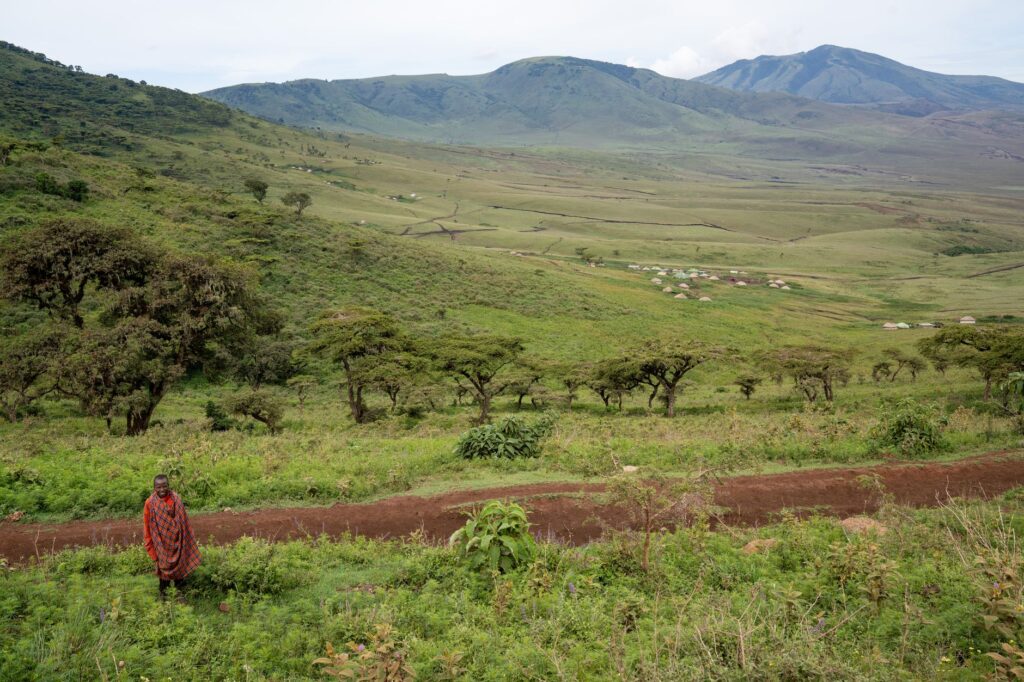
Authentic Cultural Exchange Beyond Touristic Artifice
Beyond wildlife, family journeys through this region allow for a respectful approach to traditional communities such as the Maasai. Unlike superficial tourist visits, thoughtfully designed itineraries encourage horizontal dialogue. Young travelers share moments with peers who herd livestock under grueling conditions, yet maintain profound joy and a strong sense of community. This cultural contrast sparks late-night conversations around the camp fire, where privileges, lifestyles, and the true definition of material wealth are openly questioned.
Practical guide
Planning a family journey through the heart of Africa requires logistical rigor, advanced timing, and mental flexibility. Below are essential guidelines to ensure a safe and enriching experience.
- Recommended age: While options exist for all developmental stages, most experts advise undertaking these routes from the age of seven or eight, when children better assimilate long hours in vehicles and safety protocols.
- Health and prevention: Consult travel medicine services months in advance to manage specific vaccinations (such as yellow fever) and malaria prophylaxis, alongside securing comprehensive travel insurance with emergency medical evacuation coverage.
- Functional packing: Prioritize neutral tones (beige, khaki, olive green) to avoid attracting insects or wildlife. Do not forget worn-in trekking footwear, individual binoculars for every family member, and broad-spectrum sunscreen.
- Respect and sustainability: Choose certified local tour operators that reinvest their profits into wildlife protection and the development of host communities. Feeding animals or leaving behind litter is strictly prohibited.
Returning Home: When Luggage Carries a New Way of Seeing the World
The conclusion of a journey of this magnitude cannot be measured by the weight of suitcases or the number of photographs stored on memory cards, but by the subtle inner transformation experienced by each family member. Upon returning to daily hustle, screens, and school routines, children and teenagers typically display a distinct sensitivity toward natural resources. Running water is no longer taken for granted, food waste is questioned, and a genuine interest in preserving global biodiversity begins to blossom.
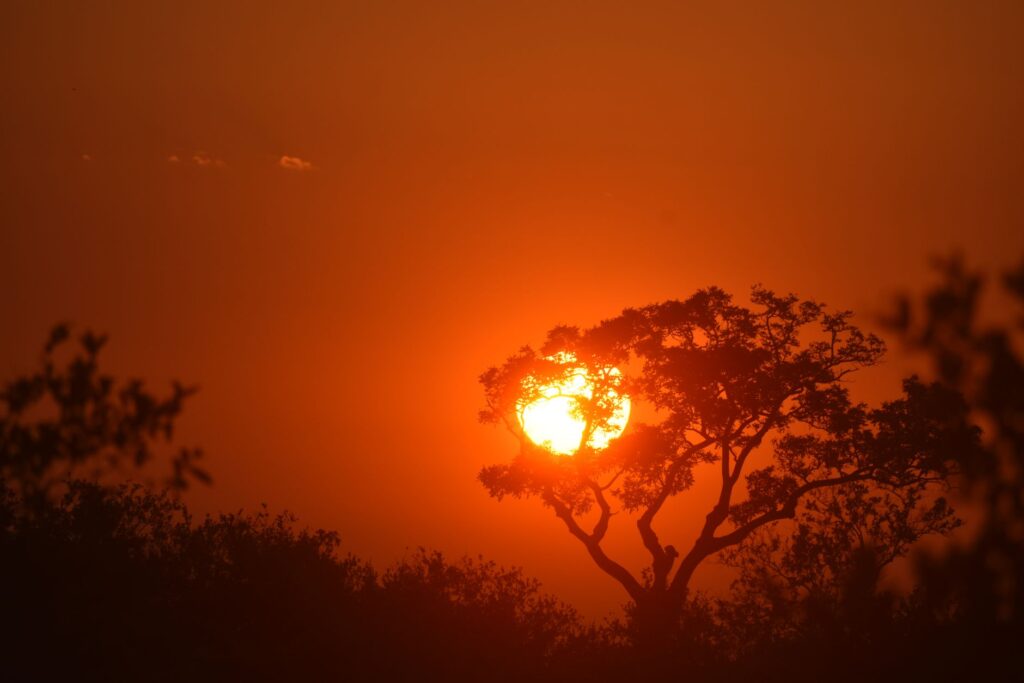
The family trip that initially seemed like an uncomfortable bold move or an exotic whim reveals itself, as months pass, as the most valuable investment in children’s emotional and civic education. Africa stops being an abstract concept in a school atlas and transforms into a territory inhabited by faces, glances, and landscapes that now form part of the family biography. By daring to step off the predictable path, parents and children discover that the world is far vaster, more interconnected, and more fragile than they ever imagined, and that true adventure lies in learning to look at it without fear.
Source: Adapted from Alan x el Mundo (Ese viaje familiar que quizá no estaba en tu lista).