
Engineering and Isolation in the British Fringe
The rugged landscape of the Scottish Highlands has historically presented a formidable challenge to European civil engineering. Confined between wind-scoured moors, dark-water lochs, and steep mountain ranges, this remote British region once depended on a network of packhorse tracks that became impassable during long winter months. The opening of the West Highland Railway in the late 19th century did not merely introduce technical progress; it constituted a structural intervention that permanently altered the human geography of the area, connecting isolated North Atlantic ports directly with the industrial hubs of the south.
Along its more than two hundred kilometers of track, the railway snakes through terrain where ground stabilization represents a titanic task for Network Rail maintenance teams. The Victorian engineers who conceived this corridor had to navigate deep peat bogs and inaccessible ravines using construction solutions that continue to astonish for their geometric daring. Local stone, quarried nearby, became the fundamental material for raising the massive bridge abutments that span river valleys, withstanding the constant erosion of seasonal floods.
However, the survival of this transport artery is not guaranteed solely by its heritage value or tourist appeal. Extreme weather conditions, characterized by gale-force Atlantic winds and persistent precipitation, trigger slope failures and snow accumulations that test the resilience of the rail system. Every winter, inspection teams patrol the most exposed sections on foot or in adapted track vehicles to detect potential rail deformations before they escalate into critical structural failures.
Socioeconomic Impact on Rural Communities
For the inhabitants of isolated settlements such as Mallaig or Corrour, the train is not a mere recreational mode of transport, but the true umbilical cord guaranteeing the supply of basic goods, local population mobility, and the continuity of traditional economic activities. In these remote stations, some of which lack access by paved roads, the exchange of goods and receipt of mail depend strictly on the punctuality of the morning convoy.
Reliance on this infrastructure has intensified in recent decades due to the progressive depopulation of rural areas and the surge of international tourism seeking disconnection in pristine natural environments. This duality generates a constant operational tension between the logistical needs of permanent residents and the seasonal overcrowding of carriages, forcing rail operators to continually renegotiate transport capacities and scheduling frequencies.
Likewise, the fishing industry and small livestock farms on the western coast rely on the railway’s cargo capacity to market fresh produce in urban markets in Glasgow within competitive timeframes. Any prolonged disruption to the line caused by storms or mechanical failures provokes immediate economic losses in local supply chains that are extremely fragile and difficult to diversify.
The railway in the western highlands is not a museum relic, but the invisible backbone sustaining the daily life of entire communities against the fury of the elements.
Monumental Architecture in Extreme Environments
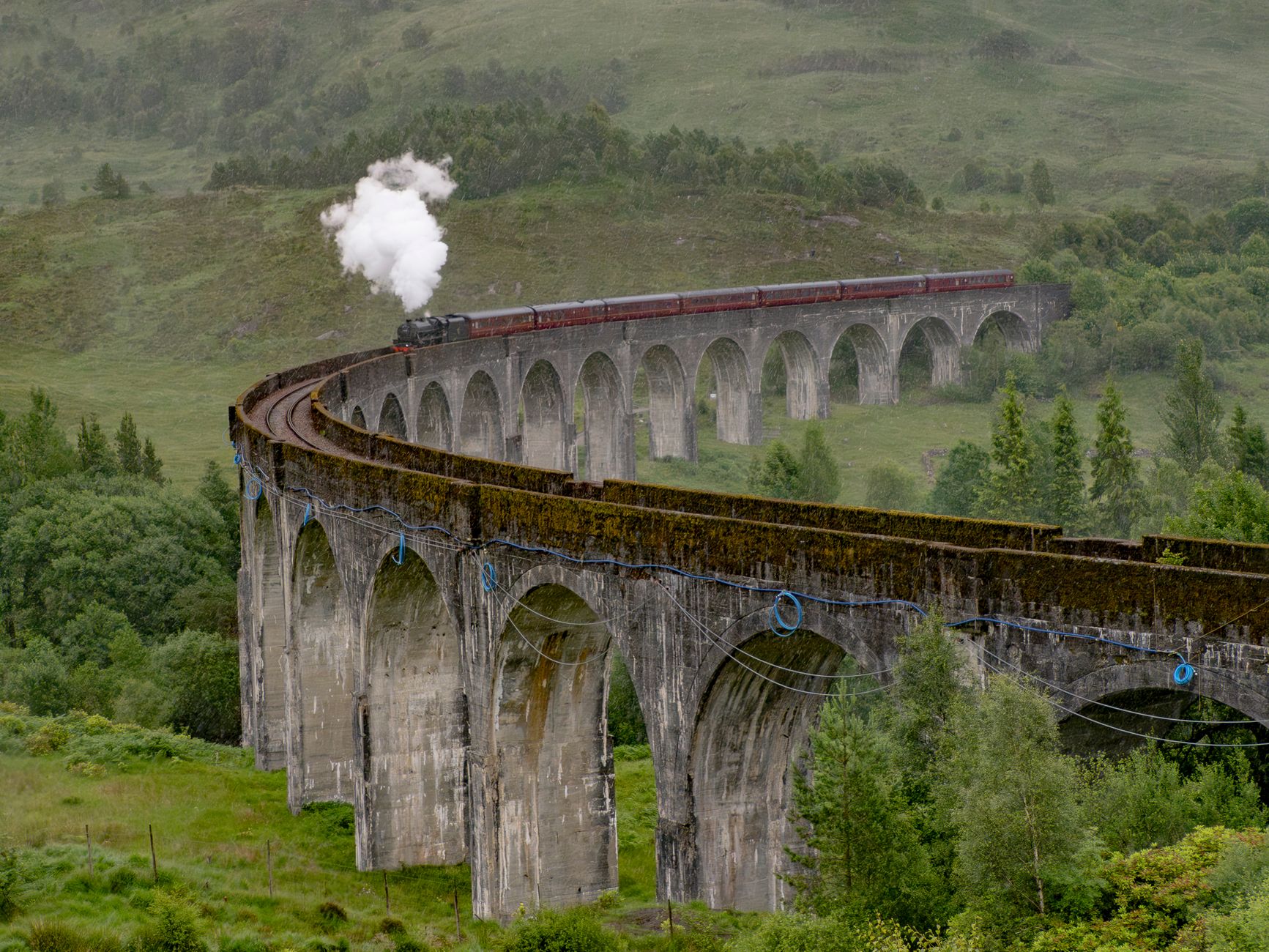
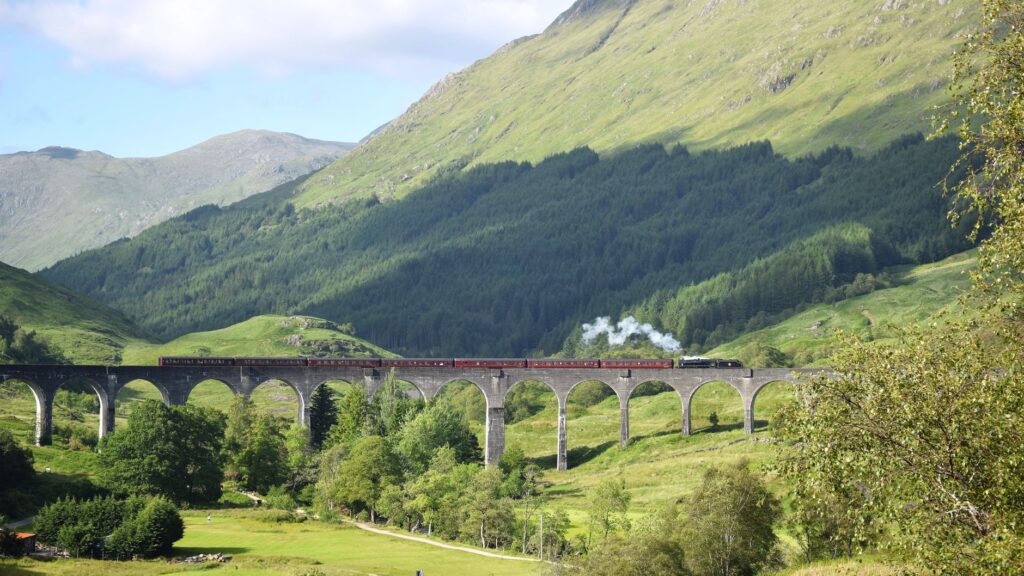
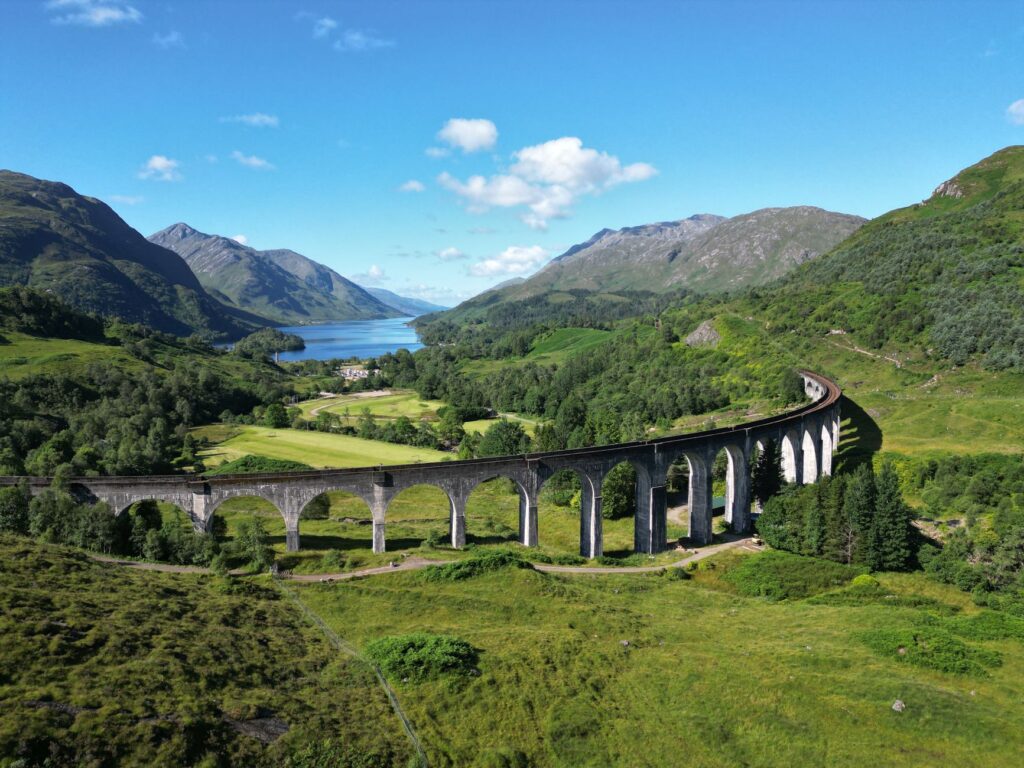
One of the most emblematic milestones of this route is the Glenfinnan Viaduct, a mass-concrete structure featuring twenty-one arches that rises over the Finnan river valley. Its construction, initiated in the final decade of the 19th century, represented a pioneering milestone in the use of unreinforced concrete for major public works, demonstrating exceptional durability against the freeze-thaw cycles characteristic of the Scottish climate. The precision with which wooden centering was assembled in such a hostile environment remains a subject of study in modern engineering schools.
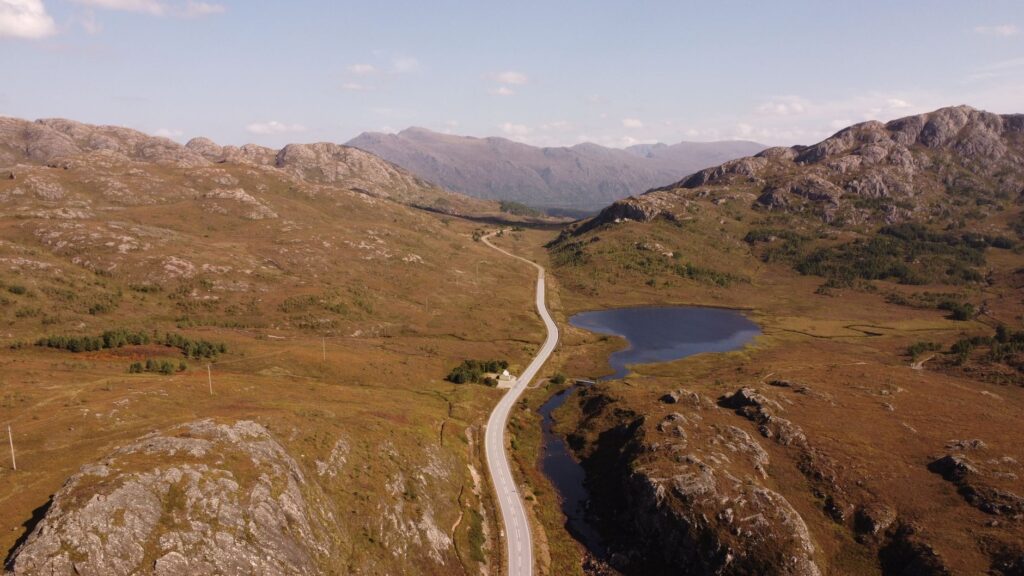
Further north, the route enters the desolate Rannoch Moor, a vast expanse of peat bogs where the track rests upon a giant floating carpet of interwoven branches and debris due to the impossibility of reaching bedrock at a reasonable depth. This traditional foundation method requires continuous monitoring of differential settlements to prevent derailments, evidencing that maintaining the line demands both empirical knowledge accumulated over generations and cutting-edge auscultation technology.
Intermediate stations, originally conceived as passing loops to allow circulation on single tracks, retain original architectural elements of great typological value. Granite buildings with slate roofs protected from lateral winds now serve as temporary shelters for hikers and automated control centers regulating traffic via satellite signaling and fiber optics.
Energy Transition and Historic Fleet Maintenance
The operational future of the West Highland Line oscillates between technological modernization and the preservation of its incalculable heritage value. Although most regular passenger services are currently operated by diesel multiple units adapted to the severe gradient and adhesion demands of the route, the periodic circulation of steam locomotives attracts railway enthusiasts from around the world, sparking complex debates about the sustainability of these emissions in areas of high ecological value.
Maintenance workshops located at the network’s extremities play a crucial role in preserving these mechanical colossi. Mechanics specializing in high-pressure boilers and motion gear adjustment work with artisanal techniques that have barely changed in a century, combined with advanced metallographic analyses to prevent material fatigue in axles and cylinders subjected to extreme stresses on tight track curves.
Comprehensive electrification of the line, proposed on various occasions by Scottish transport authorities, has been repeatedly dismissed due to prohibitive economic costs and the visual impact catenaries would cause in landscapes protected by strict environmental regulations. Instead, alternatives based on synthetic fuels and hydrogen fuel cells adapted to the region’s thermal demands are being studied.
Logistical Challenges and Climate Crisis Management
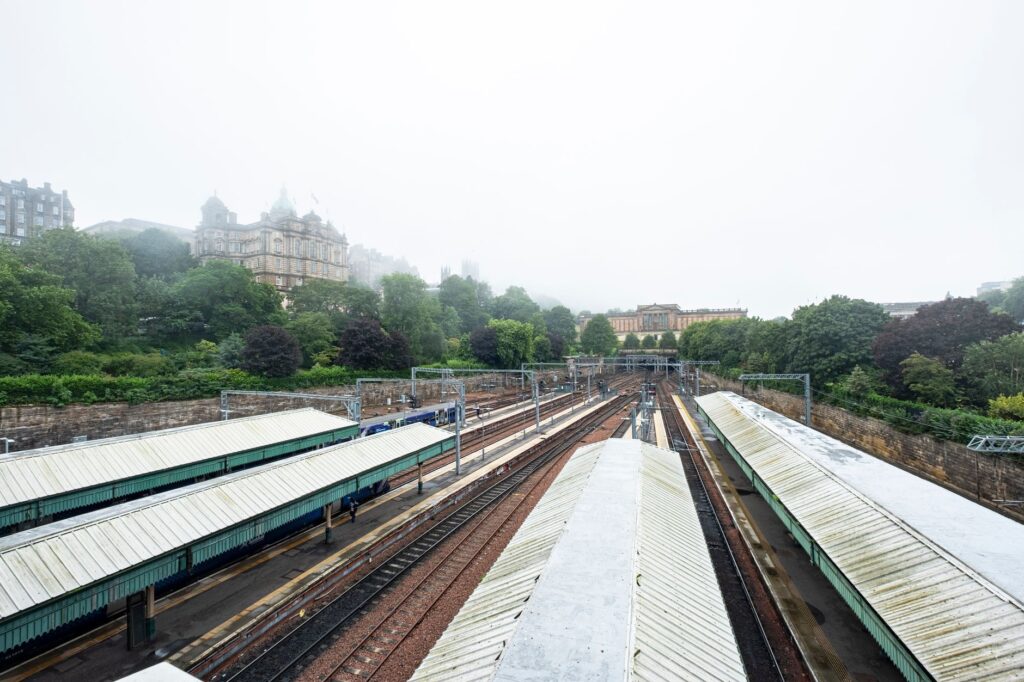
Managing rail traffic in western Scotland requires millimeter coordination between centralized control centers and track patrols deployed on the ground. Safety protocols for severe weather alerts have tightened noticeably in recent years, establishing temporary speed restrictions on vulnerable sections when rain gauges record critical soil saturation levels.
When service interruptions occur, activating alternative transport plans via buses proves extremely complex due to the narrowness and winding nature of secondary road networks, which frequently become blocked by snow or rockfalls. This makes the railway line an irreplaceable strategic asset for civil protection and assistance to isolated communities during winter emergency situations.
Collaboration between operating companies, local authorities, and mountain rescue services is constant, establishing urgent evacuation protocols for passengers trapped on convoys halted amidst remote moors. Response capability in these extreme scenarios depends as much on the robustness of mobile equipment as on the accumulated experience of drivers facing unforeseen situations.
The Human Factor and Railway Culture
Behind every convoy defying the Scottish summits lies a community of railway workers whose labor transcends mere technical execution. Train drivers, station masters, track operators, and onboard service staff share a strong sense of belonging and a deep geographical knowledge of the surroundings that proves indispensable for operating safely in reduced visibility or persistent fog.
Stories and traditions passed down from generation to generation among line employees form a living part of the Highlands’ intangible heritage. The figure of the signalman manually operating switches at remote stations under persistent rain embodies a work ethic rooted in isolation and self-sufficiency, values that contrast sharply with the prevailing automation in large urban railway hubs.
Likewise, regular passengers and workers establish very particular neighborly bonds throughout the journey’s duration, turning carriages into social spaces where local news, weather forecasts, and personal experiences are exchanged, reinforcing the social cohesion of a geographically fragmented territory.
The true measure of Scottish rail infrastructure is not calculated in transported tonnage or financial profit, but in the persistence of the human bond uniting entire valleys against climatic adversity.
Practical guide
Essential information to plan your journey along the West Highland Line in an informed and secure manner.
- How to get there: The main route departs from Glasgow Queen Street station, directly connected to Glasgow International Airport via regular shuttle bus services.
- Tickets and reservations: Advance booking is essential, especially during summer months, through official ScotRail channels or via the BritRail intermodal pass if combining other UK journeys.
- Best time to travel: May to September offers greater climatic stability and extended daylight hours, while winter guarantees spectacular snowy landscapes albeit with higher risk of operational disruptions.
- Luggage and restrictions: Space for bulky luggage or bicycles is limited on standard multiple units; advance free reservation is mandatory for bicycle transport on specific services.
- Connectivity and services: Mobile phone coverage is practically nonexistent across vast stretches of Rannoch Moor and mountainous zones; downloading offline maps and printed schedules beforehand is strongly recommended.
- Route safety: Due to the Highlands’ unpredictable weather, wearing appropriate waterproof clothing, hiking footwear, and carrying basic provisions is fundamental even for short journeys in case of unexpected delays.
Emotional Epilogue in the Atlantic Fringe
When the last ray of sunlight filters through low-lying clouds over the calm waters of Loch Shiel, the dark contour of the train glides silently across the century-old arches of the viaduct, closing a millennial cycle of human adaptation to the natural environment. In that fleeting instant, the metallic roar of wheels against the rails seems to merge with the eternal murmur of wind and water, reminding us that the true greatness of this engineering feat lies not in its technological deployment, but in its silent and tenacious capacity to keep alive the heartbeat of an untamed territory that stubbornly resists oblivion.