
A Liquid Treasure Threatened in the Valencian Plain
The Albufera of Valencia is far more than a vast mirror of water reflecting the Mediterranean sky; it constitutes a complex wetland ecosystem where human history and biodiversity have forged a millennium-old alliance. For decades, this crucial refuge for migratory aquatic avifauna has endured colossal pressures stemming from agricultural intensification, urban encroachment, and alterations in ecological water flows. Nevertheless, in recent years, a silent transformation has begun to gain ground against environmental degradation, driven by a radical shift in water governance and a return to traditional management practices updated with scientific rigor.
The core of this renewal lies in the convergence of local knowledge and advanced bioengineering techniques. Historical rice farmers, organized in secular institutions such as the Water Tribunal, work closely with biologists and conservationists to redesign the park’s hydrological cycle. The objective is no longer merely to drain and cultivate, but to flood in a controlled manner and maximize natural purification through green filters that harness the filtering capacity of native marsh vegetation.
This effort seeks not only to halt habitat loss, but to demonstrate that active conservation and intensive yet sustainable agricultural production can coexist in a fragile balance. Tourism pressure and water scarcity in the Mediterranean arc add urgency to a model that aspires to be replicated in other European wetlands threatened by climate crisis and desertification.
The Invisible Architecture of Green Filters
One of the most notable advances in the recent management of the Albufera is the massive implementation of phytopurification systems. These natural infrastructures act as artificial kidneys for the park, intercepting runoff from irrigation ditches and ravines before nutrient- and sediment-laden waters reach the central lake. Through the strategic use of species such as common reed and cattail, scientists successfully retain large volumes of phosphorus and nitrogen without resorting to costly chemical processes.
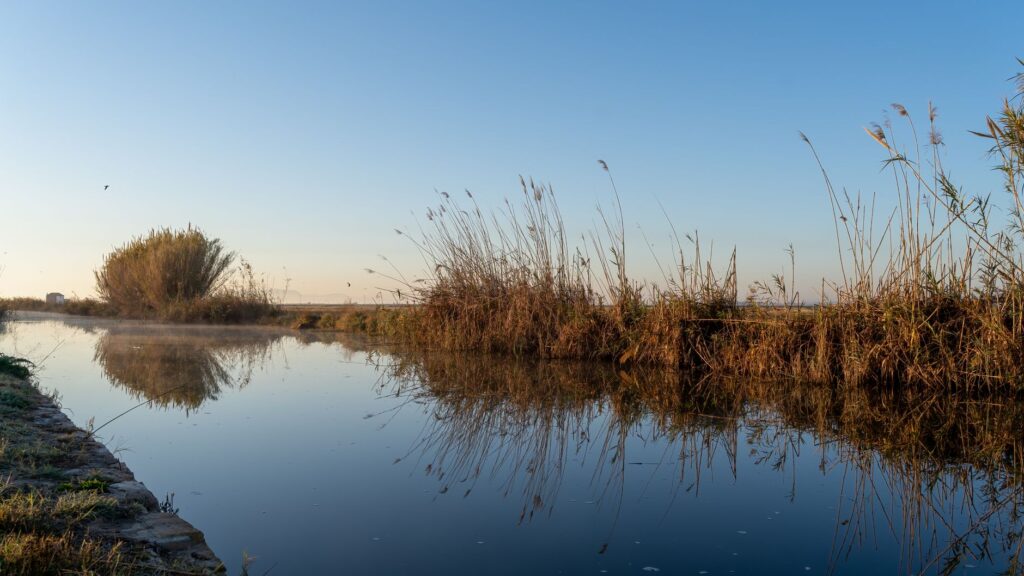
Environmental engineers have demonstrated that combining winding channels with shallow zones favors sedimentation and aerobic bacterial action. This low mechanical intervention approach minimizes the impact on local fauna during maintenance phases. Wading birds, such as the squacco heron and the western swamphen, have found exceptionally safe feeding and nesting areas in these artificial wetlands away from human agitation.
The effectiveness of these systems lies in their capacity to blend seamlessly with the existing landscape
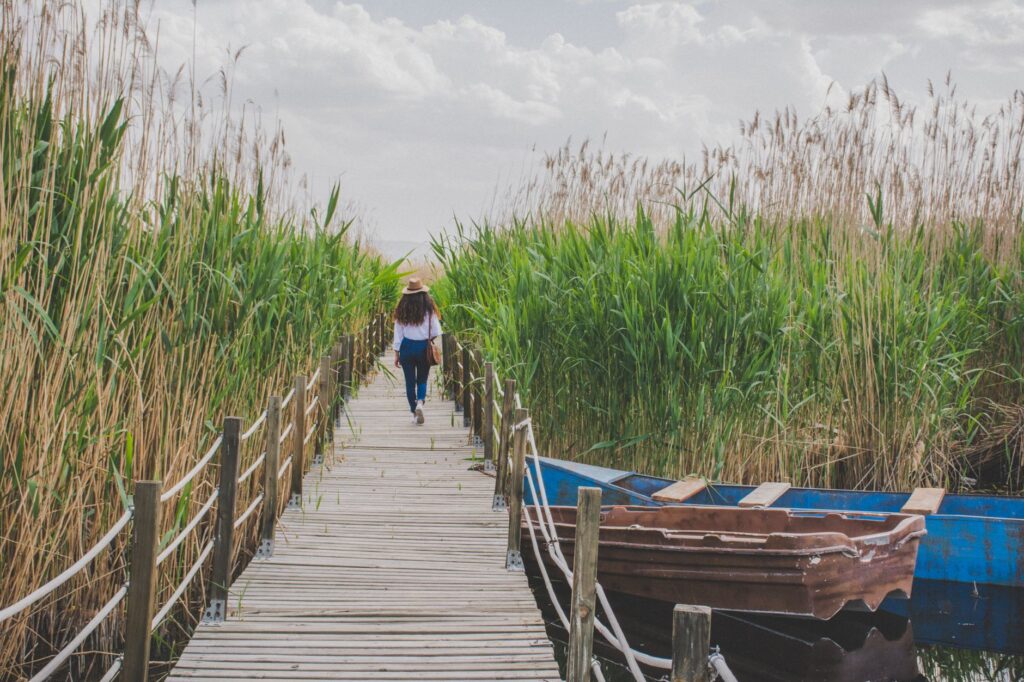
avoiding visual or artificial barriers that fragment the territory. Visitors traversing elevated wooden boardwalks barely perceive the complex hydraulic engineering operating beneath the surface, a testament to landscape design respectful of its surroundings.
The Transformative Role of Traditional Rice Farming
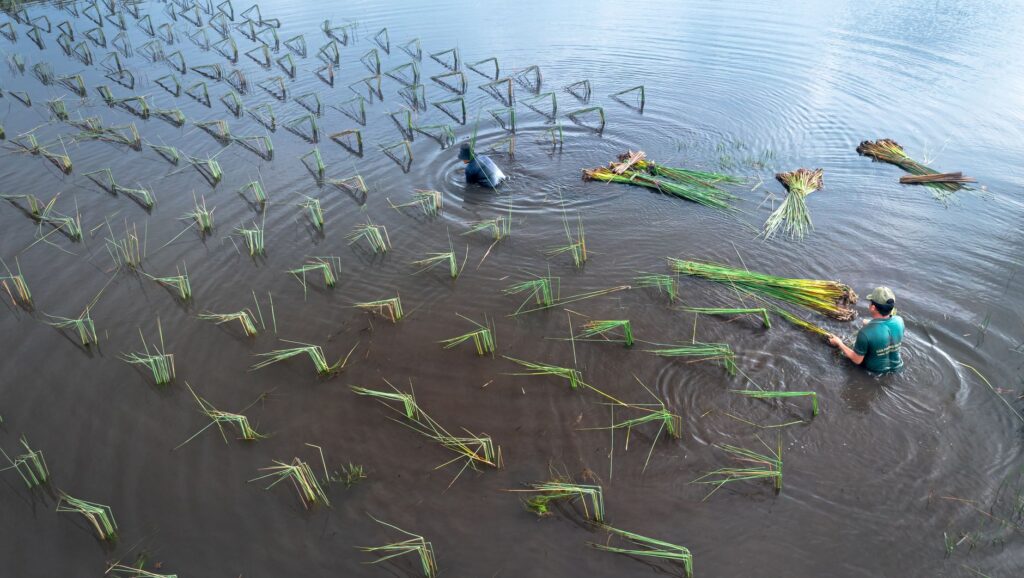
Far from being an obstacle to conservation, rice cultivation has consolidated itself as the fundamental pillar upon which the ecological viability of the Albufera rests. During the winter flooding period, locally known as the perelló, rice fields transform into an extension of the lake that multiplies by ten the available feeding surface for millions of waterbirds along their migratory flyway between Europe and Africa.
Local farming cooperatives have adopted strict protocols to reduce phytosanitary products and synthetic fertilizers, backed by European subsidies and quality labels that enhance the final product’s value. This transition toward cleaner farming methods has enabled the recovery of native fish species such as the Valencia toothcarp and the Spanish toothcarp, formerly on the verge of local extinction due to chemical pollution and competition with invasive species.
Farmers act today as active guardians of the territory. Their empirical knowledge of water retention times and clay soil response remains irreplaceable for the natural park’s technical teams, establishing a fluid communication bridge between modern science and rural wisdom.
Sustainable Mobility and Soft Connectivity in the Lagoon Environment
Mass access by private vehicles has historically constituted one of the greatest degradation vectors for the park’s margins. To mitigate this pressure, local administrations have promoted a soft mobility network prioritizing cycling and pedestrian transit through the recovery of former agricultural service roads and livestock trails.
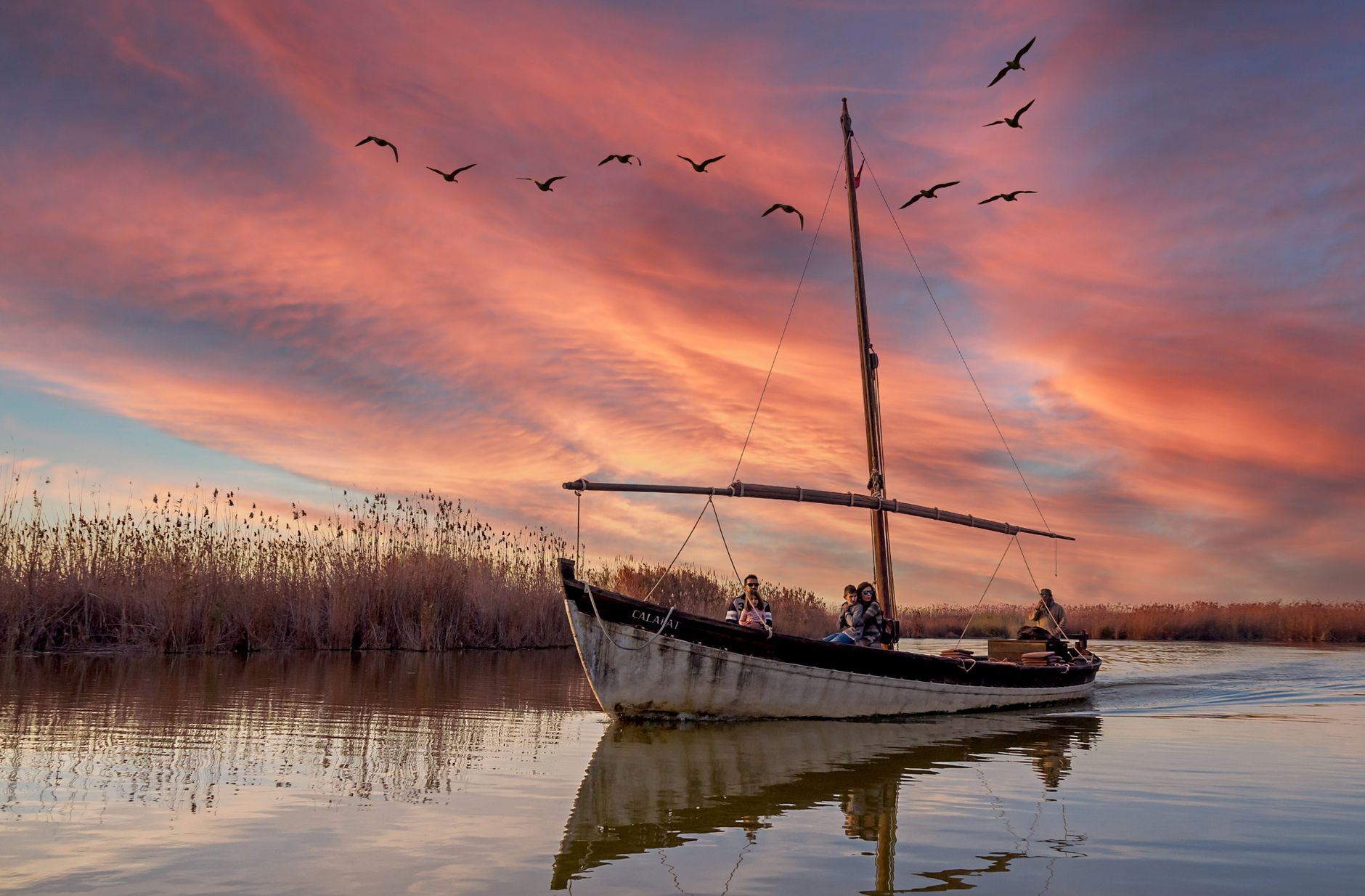
The creation of interconnected interpretive itineraries allows visitors to tour the perimeter of the Albufera without disturbing the tranquility of breeding zones. Likewise, fleets of traditional electric-propulsion boats have been implemented for tourist tours along the main channels, eliminating noise and polluting emissions that previously startled local wildlife.
True sustainability in a protected natural area does not consist of banning human access, but in re-educating the gaze so the visitor understands they are a temporary guest in someone else’s home.
These sustainable transport measures are complemented by the installation of solar informational panels and low-impact bird-observatories built from local materials like treated wood and reed, ensuring harmonious integration with the surrounding landscape.
Citizen Science and Participatory Biodiversity Monitoring
The scale of the Albufera Natural Park makes exhaustive monitoring of its fauna and flora exclusively by technical staff of the regional government challenging. For this reason, citizen science programs have been enhanced, involving residents, recreational anglers, and visitors in the systematic recording of sightings and environmental parameters.
Through specialized digital platforms, anyone can report the presence of invasive species such as the red swamp crayfish or the apple snail, accelerating response times for eradication teams. Similarly, waterbird censuses conducted in collaboration with ornithological associations provide essential temporal data series to evaluate the success of hydrological restoration policies.
This collective commitment fosters a strong sense of belonging and local pride. Wetland protection ceases to be an external bureaucratic imposition and transforms into a shared community project, where each social actor assumes a share of responsibility in conserving natural heritage.
Climate Challenges and Long-Term Resilience
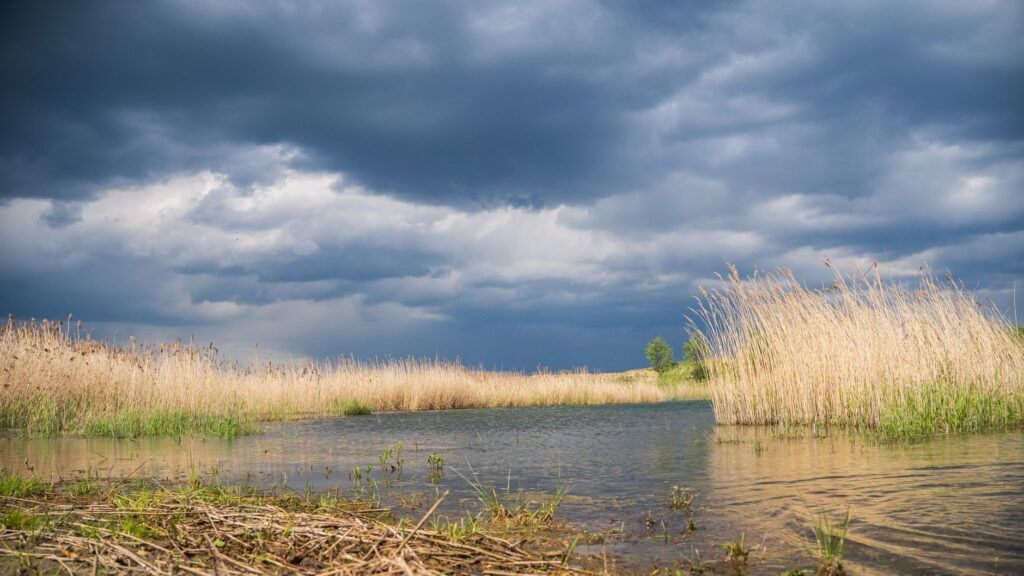
Despite achieved progress, the Albufera faces monumental challenges driven by climate change, notably rising sea levels, drastic rainfall reductions in the headwaters of the Júcar and Turia rivers, and increasing average water temperatures. These factors alter biological cycles and heighten the risk of severe eutrophication episodes during summer months.
Climate scientists and hydraulic managers work on predictive models to simulate extreme scarcity scenarios and design emergency protocols ensuring minimum ecological flows during critical moments of the year. Flexibility in managing drainage sluice gates has proven essential to modulate salinity and prevent ecosystem suffocation.
Investment in applied research and experience exchanges with other European Mediterranean wetlands, such as the Ebro Delta or the French Camargue, helps consolidate a transnational knowledge network indispensable for anticipating global impacts on fragile coastal and inland ecosystems.
Practical guide
How to get there: The Albufera Natural Park is located a few kilometers south of Valencia. It is accessible via public transport using metropolitan bus lines or by combining urban cycle lane networks connecting to El Saler and El Palmar.
When to go: Months between November and February offer the greatest ornithological spectacle thanks to winter rice field flooding and the massive presence of migratory birds. Spring stands out for floral explosions and nesting.
Visit rules: Leaving marked trails, entering integral reserve areas without express authorization, littering, or disturbing wildlife with noise devices or drones is strictly prohibited.

Where to stay: Opting for sustainable rural accommodation in restored traditional farmhouses in towns like El Palmar, Sollana, or Catarroja is recommended, actively supporting the local economy and proximity consumption.
What to eat: Local gastronomy revolves around rice. Tasting authentic Valencian paella, arroz a banda, or all i pebre prepared with zero-kilometer products in restaurants adhering to environmental good practice charters is advised.
Refuge of Silences and Liquid Horizons
As the sun begins to descend over the Albufera’s horizon, dyeing the water in copper and violet hues, the hustle and bustle of the modern world completely fades away. In that moment of suspended calm, the low flight of a flamingo flock recalls the extraordinary resilience of a territory refusing to succumb to oblivion. Safeguarding this landscape relies not on technological miracles, but on the silent perseverance of those who have learned to listen to the unhurried rhythm of earth and water.
Conserving this ancient wetland is preserving the living memory of our relationship with the natural environment, a constant reminder that human survival in the Mediterranean depends irrevocably upon the health of its most precious waters.