
The Invisible Geography of the Altiplano and Its Water Arteries
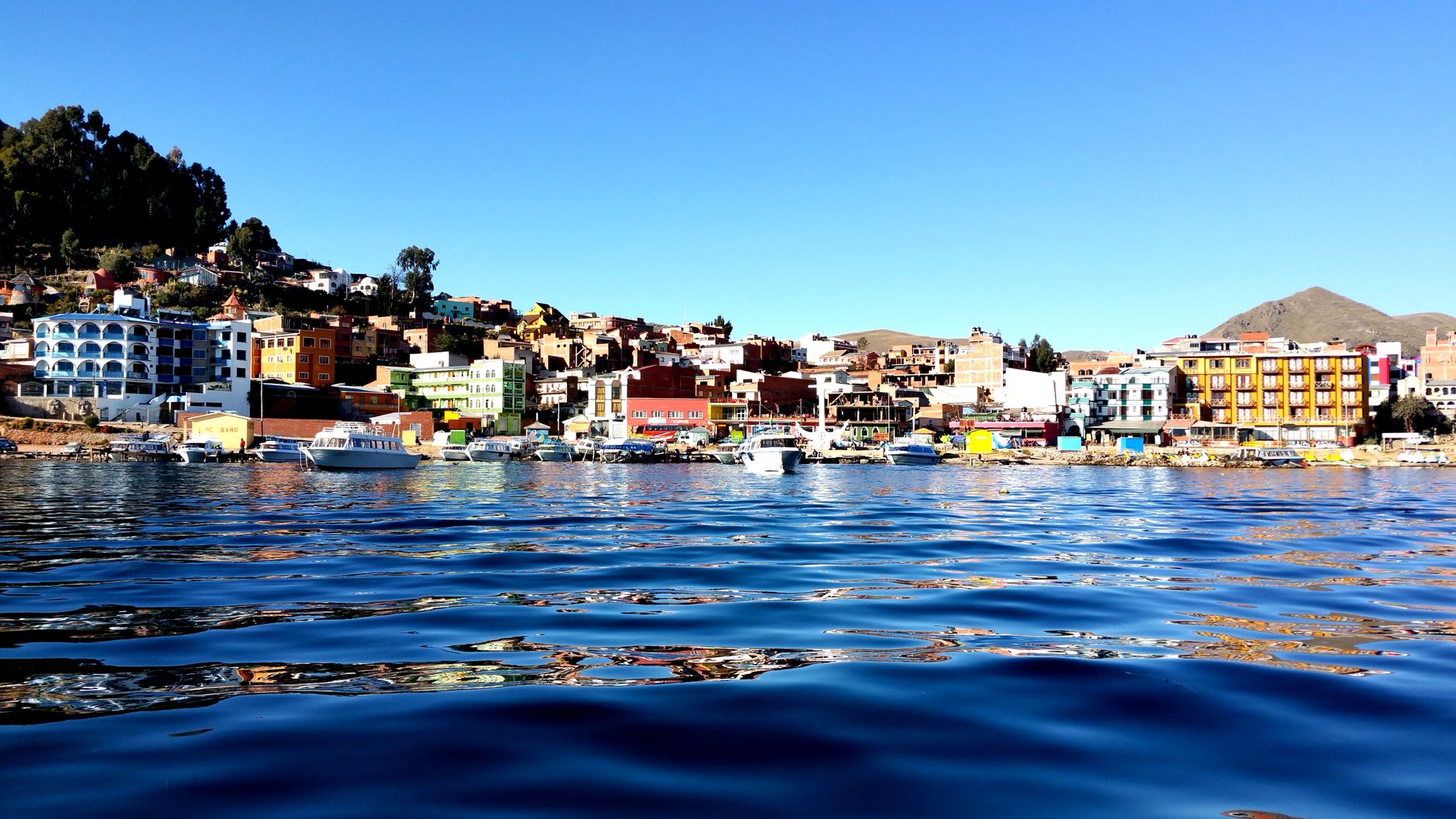
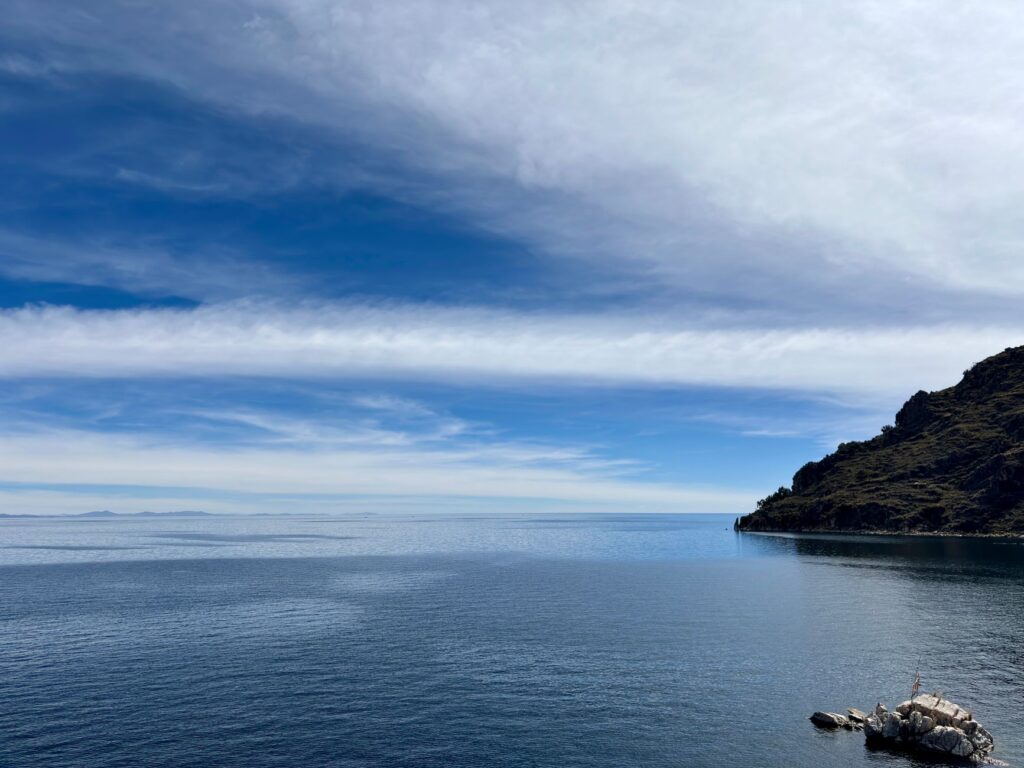
Water at over three thousand eight hundred meters of altitude does not respond to conventional inland navigation dynamics. In the vicinity of the island of Coati, historically known as the island of the Moon, the air is oxygen-dense yet low in pressure, transforming every lake crossing into an exercise in technical precision and ancestral adaptation. The barges connecting this sacred enclave with the Copacabana peninsula operate under extreme weather conditions, where katabatic winds suddenly descend from the cordillera to churn the lake surface with unpredictable wave patterns. This transport ecosystem relies not on large commercial fleets, but on a microscopic network of artisanal watercraft and small ferries adapted to endure both brackish water corrosion and the relentless ultraviolet radiation of the high mountains.
To grasp the scale of this connectivity, one must observe the volcanic stone docks dotting the eastern shore. Originally built during the Inca period and precariously reinforced by local administrations in recent decades, these piers suffer drastic seasonal variations in water level. Prolonged droughts and seasonal glacial melt from surrounding peaks alter the bathymetry month by month, forcing local captains to plot virtual routes guided exclusively by visual experience and the oral memory of currents. Each dock serves simultaneously as an economic exchange point and a reminder of the structural vulnerability defining life at the edge of the Bolivian altiplano.
High-Mountain Vessel Engineering
Unlike lowland river navigation, internal combustion engines suffer considerable power loss due to lower atmospheric oxygen concentration. Watercraft operating on these routes must adjust compression ratios and utilize carburetion or fuel-injection systems specifically calibrated for altitude. Local mechanics, true artisans of improvised metallurgy, keep afloat a heterogeneous fleet where native eucalyptus wood hulls coexist with reinforced fiberglass structures. This technological hybridization allows vessels to absorb constant impacts against reed beds and submerged reefs without compromising buoyancy.
Maintaining these craft represents a major logistical challenge. The scarcity of specialized workshops on the lake shores forces communities to improvise dry docks using tree trunks hauled from inter-andean valleys and manual pulley systems. Every spare part, from fuel filters to cylinder head gaskets, must travel across the cordillera via unpaved roads before reaching the embarkation ports. This dependence on fragile supply chains turns every journey into an act of collective resilience, where the failure of a single component can isolate a community for weeks.
Schedules, Tides, and Winds: The Climatic Factor
The rhythm of transport on Coati Island is dictated strictly by daytime meteorology. Toward midday, the heating of the altiplano generates air currents locally known as the ‘white wind’, capable of raising swells that exceed the load capacity of passenger launches. For this reason, departures from continental ports are concentrated in the early morning hours, when the water surface remains in absolute calm. Captains consult analog barometers and observe cloud formation over the snow-capped peaks of the Cordillera Real before authorizing anchor-weighing.
Local port authorities enforce severe restrictions during the southern winter months, when nightly frosts can freeze dew accumulated on decks and reduce visibility due to dense fog rising from the tempered water. The absence of advanced radio navigation systems in most minor watercraft shifts full responsibility onto the human factor. Route masters determine their position by triangulating natural landmarks on solid ground: the peninsula’s rock formations and the sacred summits guarding the lake horizon.
Socioeconomic Impact on Indigenous Communities
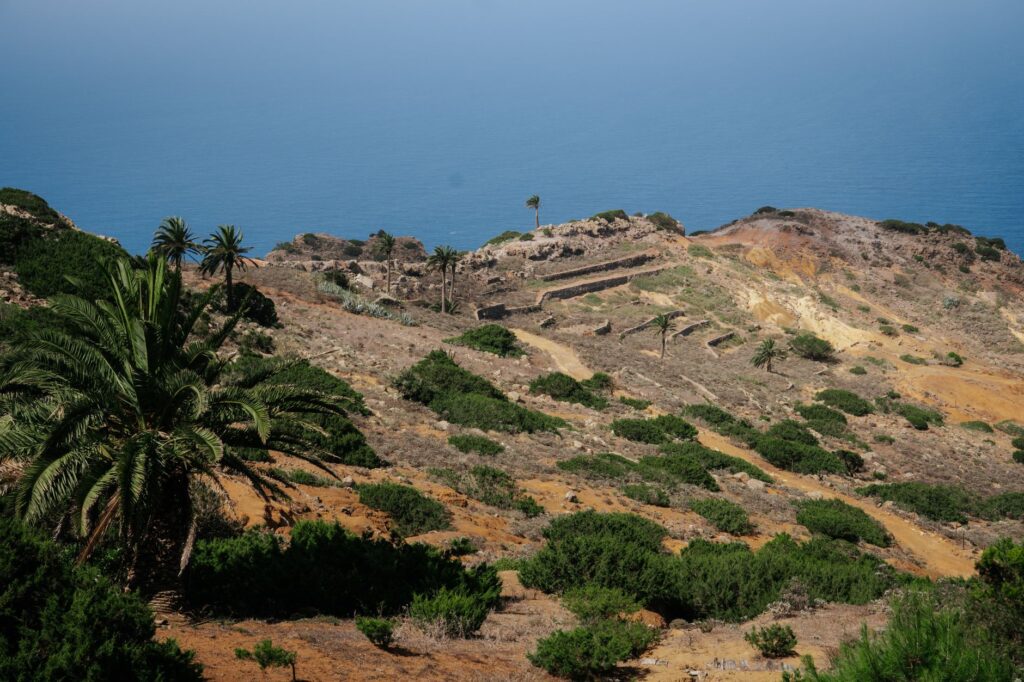
Maritime connectivity is not merely a matter of physical displacement, but the foundation supporting the subsistence economy of families inhabiting the island. Agriculture in pre-Hispanic terraces produces tubers and Andean grains that must be regularly transported to markets in Yunguyo and Copacabana for commercialization. Similarly, the inconsistent flow of visitors interested in the archaeological heritage of the Temple of the Virgins of the Sun depends entirely on the reliability of these navigation routes. When transport halts due to storms or trade union strikes, the island economy enters a state of forced hibernation.
blockquote>The barge is not a simple means of transport; it is the pulse keeping ancestral traditions united with the inescapable need to trade in an unforgiving geographic environment.
Tensions between modern tourism infrastructure development and the preservation of traditional lifestyles generate constant debates among community councils. While some sectors advocate for constructing deep-draft floating docks capable of receiving larger tourist vessels, local leaders warn against the risk of altering artisanal fishing routes and the spiritual tranquility characterizing the sanctuary. This dilemma reflects the permanent tension between regional economic integration and the protection of an irreplaceable biocultural heritage.
Heavy Cargo and Construction Materials Transport
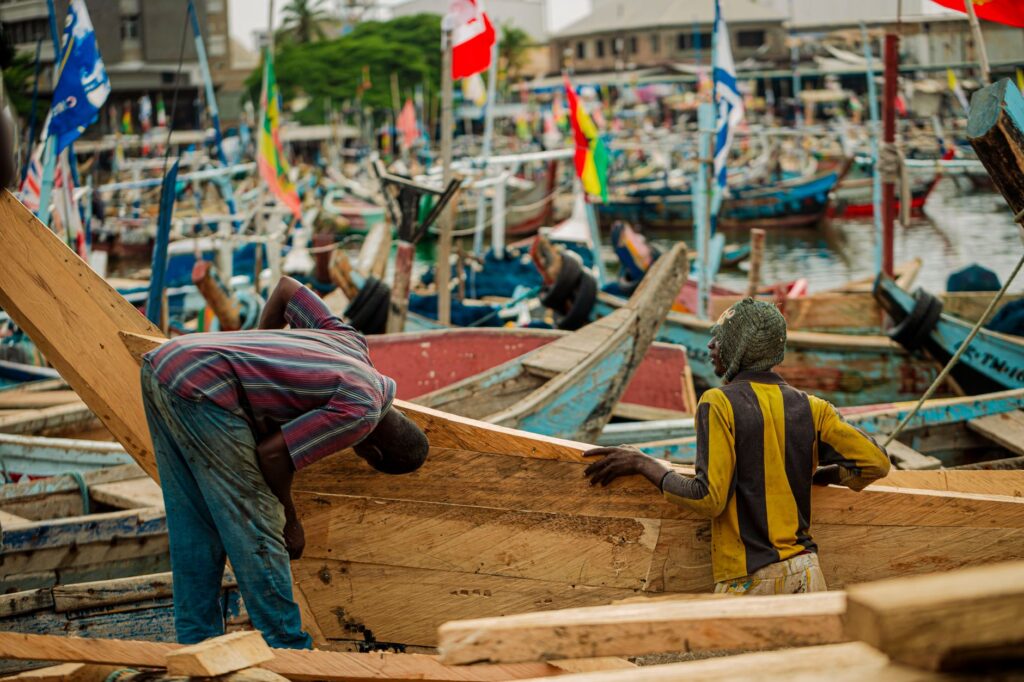
Moving cement, steel beams, or solar energy systems to Coati Island requires logistical coordination worthy of a high-mountain expedition. Conventional passenger launches are prohibited from transporting cargo exceeding safety limits, forcing the chartering of metal deck barges powered by high-power outboard motors. These improvised platforms execute slow, zigzagging journeys to avoid shallow areas where clay sediments threaten to run the vessel aground.
The landing process is equally complex. Lacking mechanical cranes at minor docks, unloading maneuvers rely on the coordinated strength of residents using wooden ramps and roller systems. Each bag of cement or solar panel is handled individually under the supervision of community elders, ensuring island infrastructure grows without compromising the ecological stability of surrounding slopes. This titanic effort demonstrates that modernization in the altiplano is built with collective muscle and unyielding patience.
Maritime Safety and Emergency Protocols
Safety on high-altitude lake routes has evolved fragmentarily. Although national regulations require approved life vests for every passenger, effective compliance varies among transport cooperatives. On more remote routes, port authority supervision is intermittent due to the vast territories they must patrol with limited resources. Community organizations have begun establishing their own aquatic vigilance committees, inspecting hull conditions and prohibiting nocturnal navigation without proper lighting.
Facing a medical emergency or water accident, response depends on how quickly patient transfer to coastal hospitals can be coordinated. Emergency speedboats, partially financed through international cooperation funds, represent the only sanitary lifeline for chronic inhabitants. However, the lack of subsidized fuel on the islands and high maintenance costs complicate the continuous operation of these critical units, leaving communities exposed to the consequences of geographical isolation.
Practical guide
How to get there: Primary access is by road from the city of La Paz to the town of Copacabana, a journey of approximately three and a half hours including a barge crossing at the Tiquina strait. From Copacabana port, private watercraft must be chartered or organized tours joined heading toward Coati Island.
Best time to visit: The months between May and October coincide with the dry season, characterized by clear skies and lower probability of lake storms. Nevertheless, nighttime temperatures drop significantly below zero degrees.

Requirements and precautions: Registration at local lake authority offices and payment of community conservation fees is mandatory. Bringing layered thermal clothing, broad-spectrum sun protection, and altitude sickness medication is strongly recommended.
Accommodation and services: Hotel infrastructure on the island is extremely limited, with community-based tourism in local family homes predominating. Coordinating overnight stays and meals with authorized operators in Copacabana before beginning the journey is advisable.
Epilogue on the Sacred Shore
When the sun sets behind the western cordillera, tinting the lake water in copper and violet hues, the bustle of daytime arrivals dissolves into absolute silence. At the volcanic stone docks, fishermen secure their boat moorings with knots learned from their grandparents, verifying once more that the balance of this insular world depends on attention paid to the smallest details. Coati Island thus remains suspended between sky and water, sustained by the silent determination of those who have turned navigation into an art of survival and dignity.
blockquote>Navigating the high waters of the altiplano is accepting that nature sets the pace and that human beings can only advance with respect and memory.