
In the heart of South America, where the Andean cordillera displays its highest and most desolate plateau, the Altiplano Railway stands as a living monument to the engineering audacity of the late 19th and early 20th centuries. This steel artery not only connected Bolivia’s rich mineral deposits with Pacific Ocean ports but redefined the possibilities of transport at over 3,700 meters above sea level.
Analyzing the genesis of this route involves understanding a titanic effort of logistical coordination, where British engineers, Chilean capital, and local labor overcame oxygen scarcity, extreme temperatures, and the hostility of a territory where nature imposed its own rules.
The Genesis of Rails on the Roof of America
The need to provide an outlet for Bolivian tin, silver, and copper spurred the construction of railway lines capable of defying the verticality of the cordillera. By 1889, the first ballast shovels began to be laid under the supervision of foreign companies that saw the altiplano as a monumental challenge. The lack of fuel, drinking water, and overland communication routes turned every laid kilometer into a feat of survival and technical calculation.
The initial layouts did not prioritize passenger comfort, but rather the strict topography of the high-Andean plateaus and mountain gorges. The chosen meter gauge allowed sharp curves and steep grades to be negotiated without requiring faraonic tunneling works, though it necessitated locomotives equipped with special boilers capable of operating with diminished performance due to low atmospheric pressure.
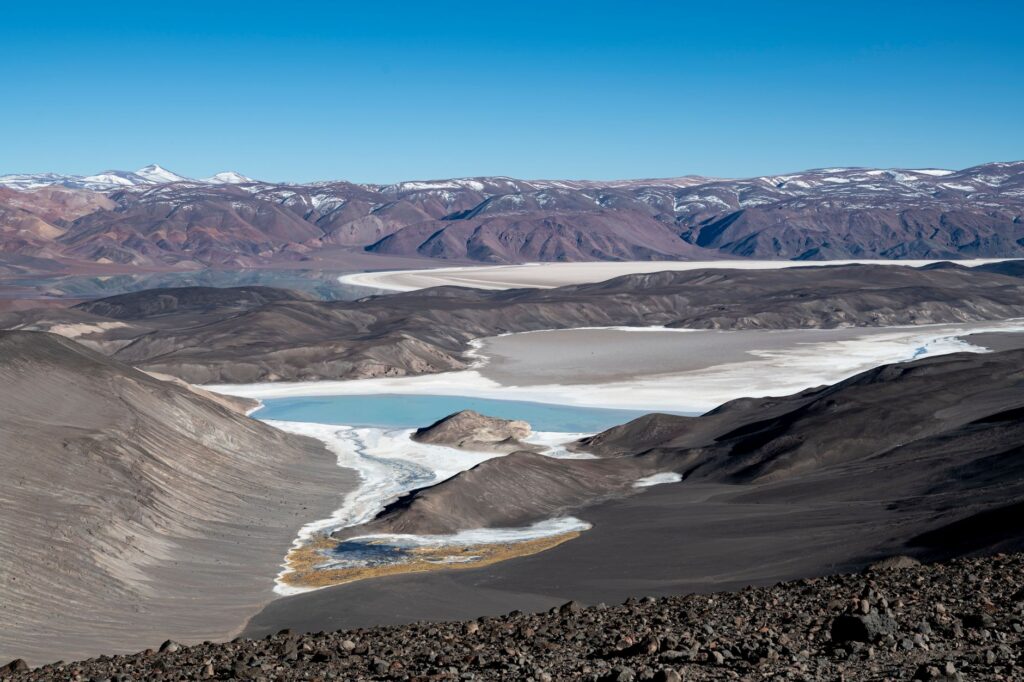
Topographic Challenges and Material Resistance
Building across the altiplano subjected iron and timber to brutal thermal contrasts, with diurnal variations exceeding thirty degrees Celsius. Imported oak ties required frequent replacement due to environmental dryness and the corrosive action of saline soils. Likewise, prefabricated metal bridges brought from Europe and hauled on muleback from the Pacific coast suffered unforeseen structural fatigue.
Engineering had to adapt to the complete absence of arboreal vegetation for hundreds of kilometers around. Every single tie, bolt, and rail constituted a precious resource that had to be optimized down to the millimeter. Maintenance workshops established in Oruro and Uyuni became true industrial cathedrals where local blacksmiths and mechanics developed artisanal mastery in repairing parts that took months to arrive from overseas.
Mining Logistics and the Economic Pulse of Tin
During the first decades of the 20th century, the Altiplano Railway served as the circulatory system feeding the global economy with Bolivian tin. Convoys loaded with ore descended from the mines of Huanuni and Llallagua to the Oruro station, where cargo was transferred to the international network leading to the Chilean port of Antofagasta. This steady flow radically transformed the commercial geography of the region.
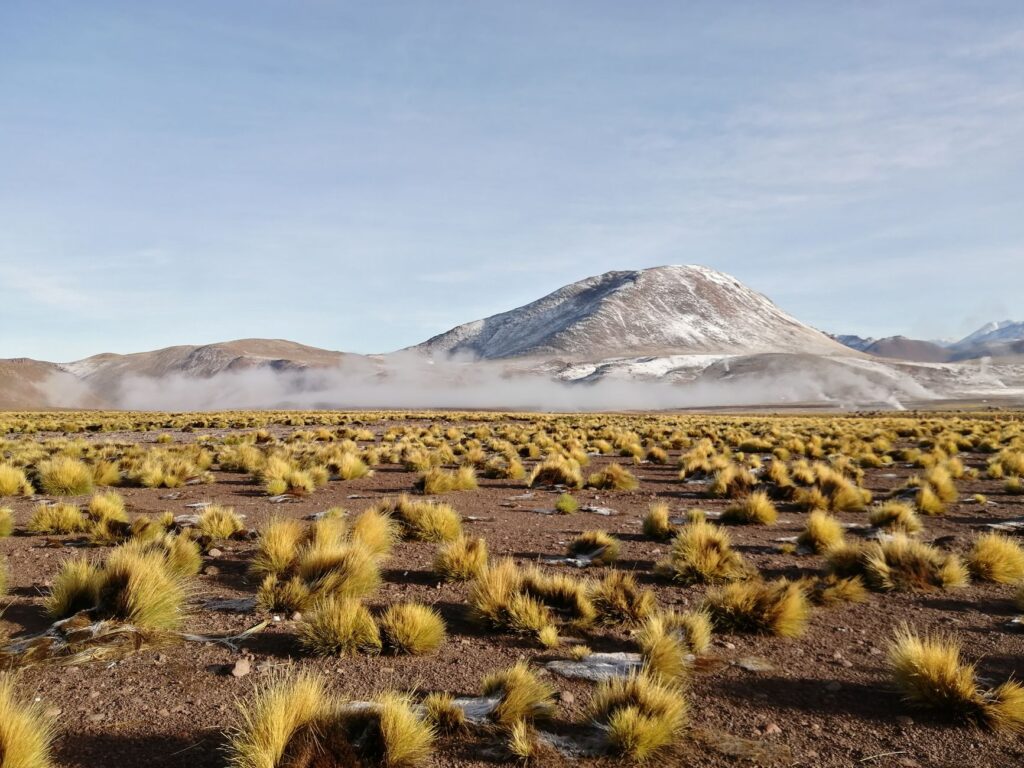
The efficiency of this logistical chain depended on nearly millimetric synchronization between mining corporations and railway companies. Any disruption caused by landslides during the rainy season or sandstorms in the desert paralyzed the ocean-going vessels waiting on the coast to load the metal bound for Europe and the United States.
The railway was not simply a means of transport; it constituted the nervous system that kept the extractive economy of the Andes linked to global markets, transforming a desert landscape into a high-efficiency industrial corridor.
Demographic impact accompanied logistical development. Around exchange stations and water depots, permanent human settlements emerged that retain a distinct railway identity today, visible in the architecture of their sheds and the oral memory of their inhabitants.
Civil Engineering Against the Aridity of Atacama
The western section of the railway, tasked with descending from the Bolivian puna to sea level at Antofagasta, represented the project’s greatest technical challenge. Overcoming an altitude drop exceeding 3,000 kilometers over a short distance required designing counter-grades, zigzag segments, and complex mechanical braking systems that demanded absolute dexterity from engine drivers.
In the Atacama Desert, the primary enemy was not the gradient, but dune instability and saline corrosion. Maintenance crews had to constantly clear tracks buried by sand shifted by Pacific winds, employing techniques inherited from desert road construction adapted for heavy rail traffic.
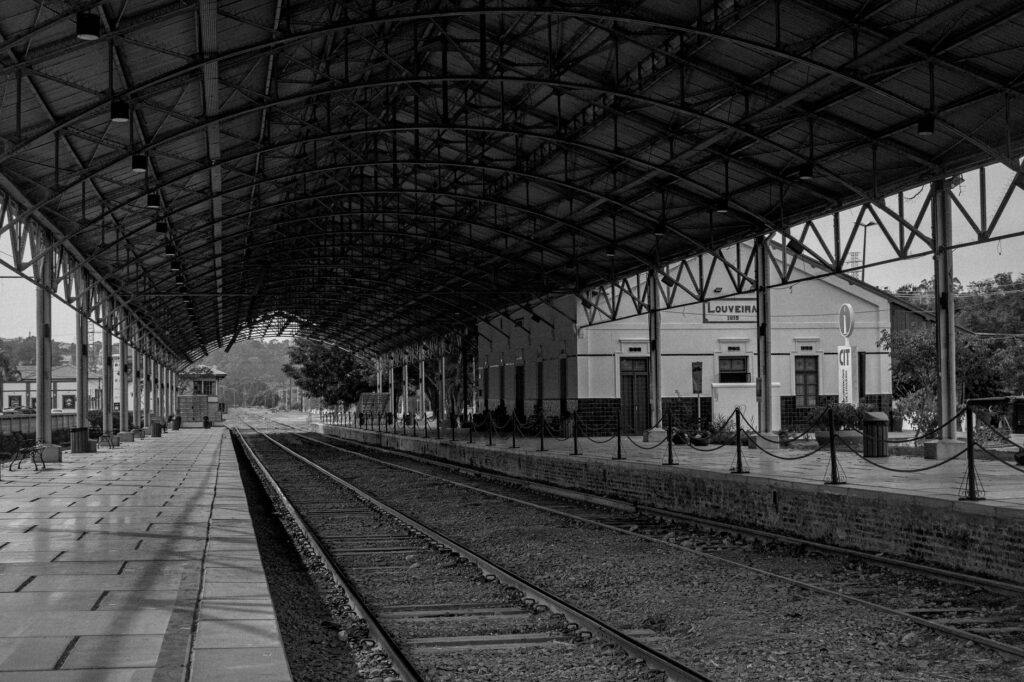
Industrial Heritage and Railway Memory
With the decline of international mineral prices and the modernization of paved highways in the second half of the 20th century, much of this network lost its commercial primacy. Nonetheless, the heritage value of stations, steam locomotive depots, and metal bridges remains intact, making the corridor a first-rate archaeological testimony.
International organizations and local culture ministries have begun cataloging these elements to prevent looting and definitive decay. The train cemetery in Uyuni, while the most celebrated, is merely a fragment of a vast industrial inventory stretching across hundreds of kilometers of desert and Andean tracks.
The preservation of this legacy seeks not only nostalgic contemplation, but an understanding of the territorial dynamics shaping the modern southern Andes. The ancient tin routes explain the location of major altiplano cities and the demographic configuration of borders between Bolivia and Chile.
Current Perspectives in Connectivity and Technical Tourism
In the 21st century, the debate surrounding the Altiplano Railway has shifted toward its potential as a specialized tourism corridor and its possible reactivation for non-mineral heavy freight transport. Various feasibility studies have evaluated modernizing strategic sections to integrate regional logistics chains and reduce pressure on trucking routes.
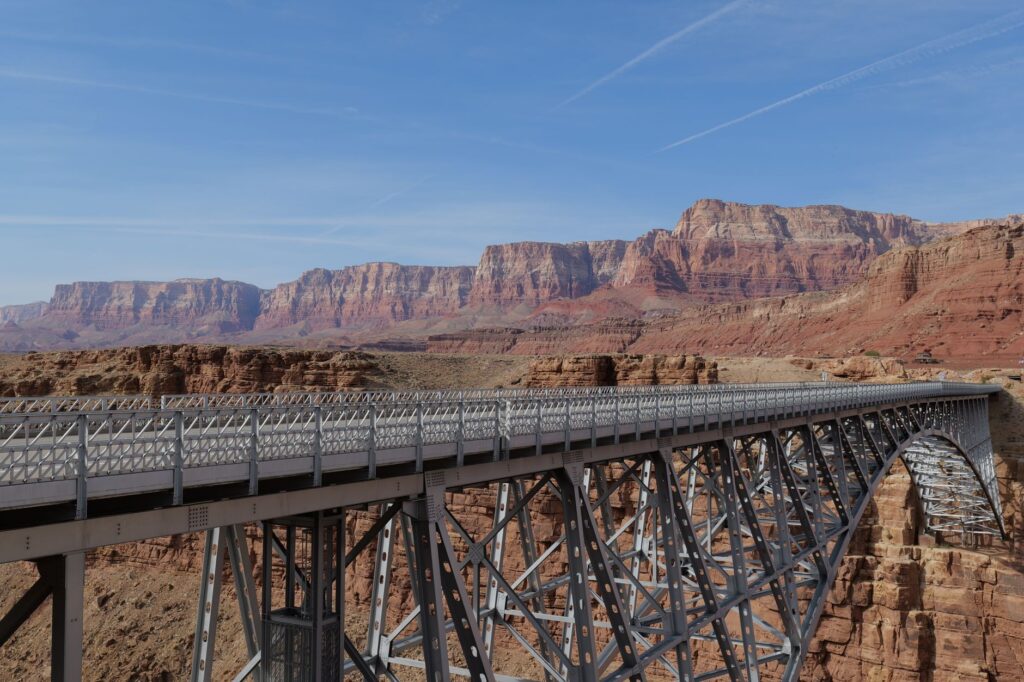
Concurrently, special-interest tourism has found a premier attraction in these routes. Travelers specializing in industrial archaeology and historical railway routes traverse selected segments, seeking to understand the human effort that enabled the circulation of people and goods in one of the planet’s most inhospitable environments.
The future of high-Andean engineering lies in its capacity to reinvent itself as living heritage, integrating historical memory with new demands for sustainable mobility and respect for the natural environment.
The survival of these railway vestiges demonstrates that solidly engineered infrastructure transcends its original economic function to become an inseparable part of the territorial identity of the peoples inhabiting it.
Practical Guide
How to Get There: The city of Oruro, the main historical junction of the altiplano rail network, is located about three and a half hours by bus or private vehicle from La Paz via the paved Route 1 highway. To access the Chilean section of the corridor, Antofagasta features regular flight connections from Santiago de Chile.
When to Travel: The dry season, spanning from May to October, offers the most stable weather conditions for touring the region, featuring clear skies though with severely cold nighttime temperatures that can drop below minus ten degrees Celsius.
Travel Requirements: A valid passport is essential, and visitors must verify applicable visa requirements based on nationality for crossing the Andean border. An acclimatization period of at least forty-eight hours in Oruro or lower-altitude areas is strongly recommended before undertaking extended excursions above 3,500 meters.
Logistical Recommendations: Bring layered thermal clothing, high-spectrum sun protection, UV-filtered sunglasses, and an adequate supply of drinking water. Transport services in the area require flexibility due to seasonal weather variations and the condition of secondary infrastructure.
Epilogue in Horizons of Salt and Metal
As evening light begins to paint the saline plains and snow-capped peaks of the altiplano with fiery hues, the old steel rails seem to assume a new dimension. They no longer transport the ore that fed distant smelters, nor guide the heavy coal-fired locomotives that challenged the rarefied air of the puna. Today, their solitary presence across the infinite terrain evokes the memory of an era when human engineering dared to converse on equal terms with immensity. Walking alongside these tracks is listening to the distant echo of a collective endeavor that forever transformed the geography of the Andes.