
Introduction to the Fluvial Pulse of Zaragoza
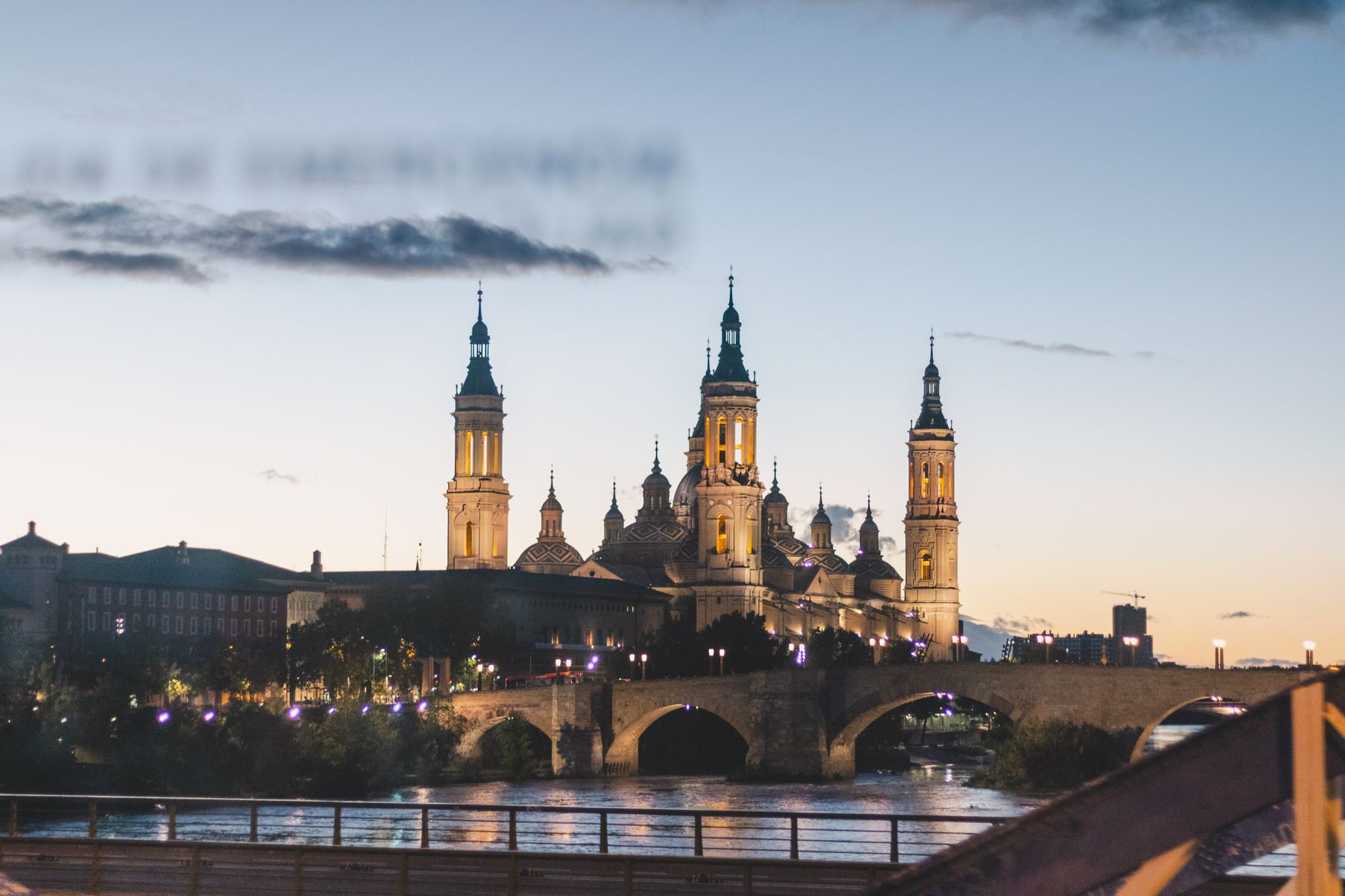
Dawn along the banks of the Ebro River is announced not with a roar, but with the muffled murmur of water brushing against the historic stone pillars of the city’s bridges and the quiet bustle that, from the earliest hours, sustains the commercial heart of the Aragonese capital. The Central Market of Zaragoza, a masterpiece of early 20th-century iron architecture designed by architect Félix Navarro Pérez, stands as the secular temple where the harvests of a bountiful floodplain converge with the tenacity of generations of farmers who have coaxed an exceptional larder from both arid lands and riverbanks.
Far from purely tourist circuits, this marketplace preserves the unhurried liturgy of honest commerce. Here, local produce is not merely an aesthetic gimmick, but the living testimony of a landscape shaped by the piercing *cierzo* wind, Pyrenean runoff, and an ancient water culture inherited from Andalusian irrigation channels. Walking among its stalls at dawn is akin to attending a theatrical performance where every vegetable, game bird, and tender green shoot tells a tale of survival and agronomic excellence.
Iron Architecture and Morning Commotion
Inaugurated in 1903 and declared a National Historic Monument, the Central Market—locally known as the Lanuza market—was a sanitary and urban revolution for the city. Its open-plan metallic structure, inspired by major European railway stations and market halls of the era, allows natural zenithal light to flood the corridors, illuminating the displays showcasing Aragon’s gastronomic jewels. The comprehensive restoration completed a few years ago returned the original splendor to the exposed brickwork and glass facades, respecting the volume envisioned by Navarro Pérez.
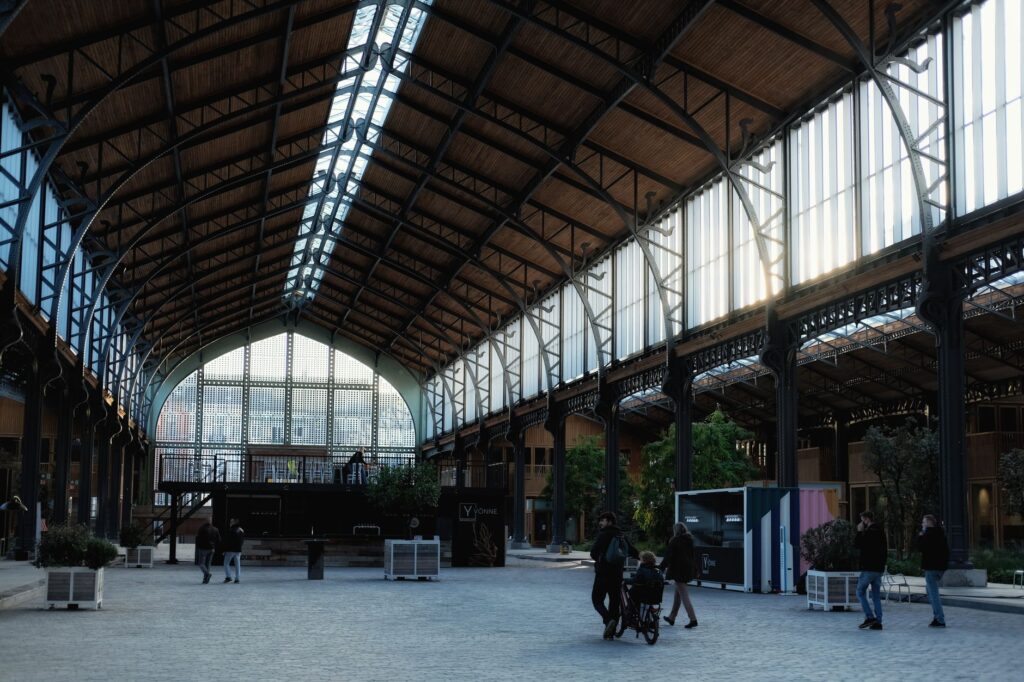
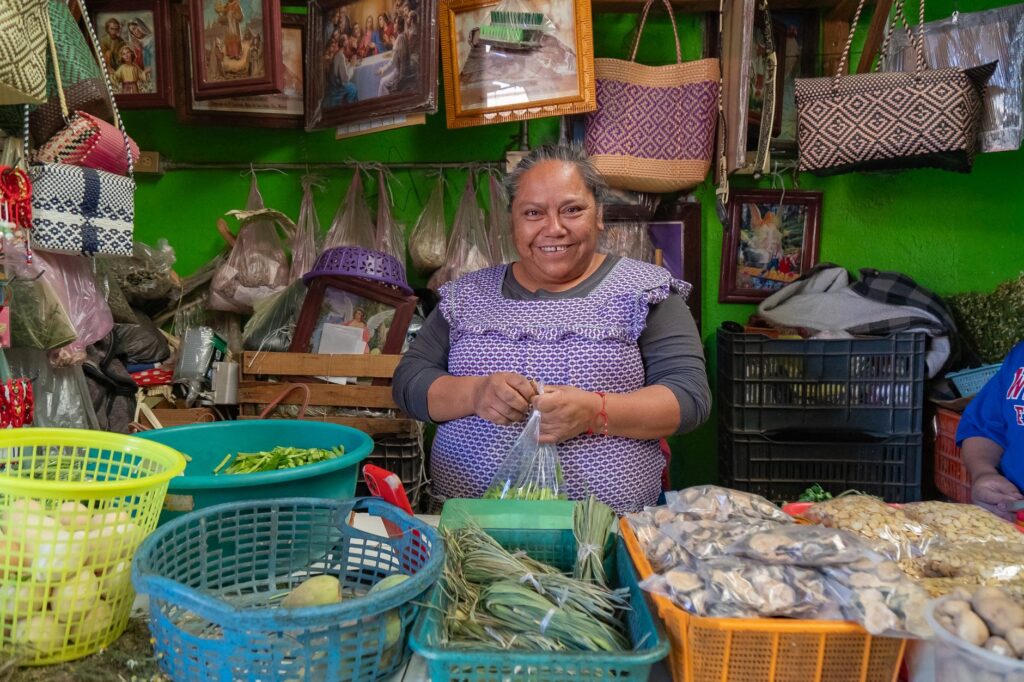
Upon crossing its doors, visitors are enveloped by a symphony of unmistakable aromas and sounds. The crackle of butcher’s paper, the tapping of knives on wooden chopping blocks, and the rhythmic calls of vendors chanting the freshness of their borage combine to create a vibrant atmosphere. In this ecosystem, merchants act as guardians of local culinary memory, capable of detailing with millimeter precision the exact origin of a sack of potatoes from Cella or the altitude at which wild mushrooms were foraged in the Iberian Mountain system.
The River Vegetable Garden: The Green Miracle of the Ebro
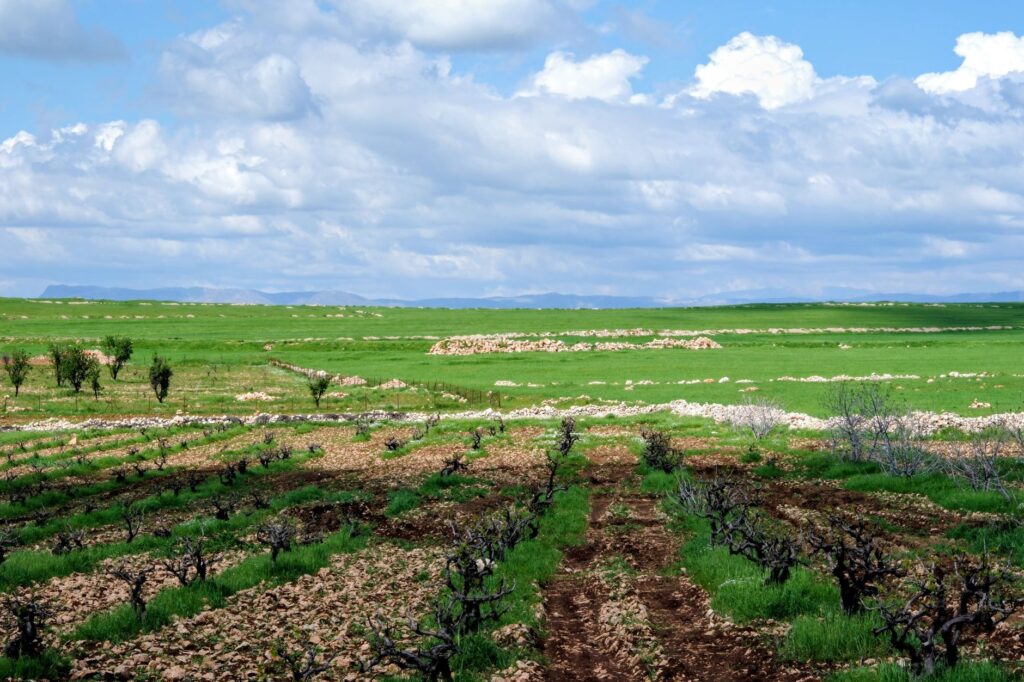
If there is one element that defines the gastronomic identity of Zaragoza and its surroundings, it is undoubtedly the peri-urban vegetable garden watered by the Ebro and its tributaries. The plots adjoining the city, fed by a network of ditches that defy the aridity of the middle Ebro valley, yield vegetables of undisputed quality. The undisputed queen of this territory is borage (*Borage officinalis*), a vegetable with hairy stems and delicate leaves that has gone largely unnoticed elsewhere in the Iberian Peninsula, but which in Aragon constitutes the alpha and omega of popular haute cuisine.
Zaragoza borage, typically cooked with potatoes and a drizzle of extra virgin olive oil from Lower Aragon, stands out for its briny flavor and buttery texture. Alongside it grow Fuentes de Ebro onions—renowned for their sweetness and low pungency due to the unique soil composition and regional winds—as well as red cardoon and heirloom tomatoes that retain the authentic taste of old-fashioned gardens. The farmers who occupy the exterior stalls of the market defend these crops against global standardization, reminding patrons that seasonality is the only rule governing a proper table.
The market is not merely a place where goods are exchanged, but a space where the community recognizes itself through the flavors it has inherited and preserves.
From Dry Lands to Table: Mountain Meats and Cured Delicacies
As we move away from the Ebro and ascend toward the mountains of Teruel and Upper Aragon, the landscape changes dramatically. Green valleys give way to limestone plateaus, holm oak forests, and aromatic scrublands where extensive livestock farming yields undeniable gastronomic value. In the charcuterie stalls of the Central Market, Teruel ham—the first in Spain to receive a Protected Designation of Origin—and artisanal cured sausages made from Duroc and Landrace pigs hold pride of place.
Slow curing in natural mountain drying rooms, driven by the cold, dry air descending from the peaks, grants these cuts a perfect balance between infiltrated fat and salinity. Likewise, the presence of *ternasco de Aragón*—the milk-fed lamb under three months certified with a Protected Geographical Indication—completes a meat offering deeply rooted in pastoral traditions. Market butchers emphasize traditional cuts for slow-simmered stews, such as the leg or chops for vine-shoot barbecues, championing recipes that demand patience and respect for the ingredient.
The Treasures of Fresh Water and River Provisions
Although Aragon is predominantly an inland region, the Ebro basin and its reservoirs have kept alive a modest yet fascinating tradition of river fishing. At the market’s specialized counters, visitors can find, depending on the season, river trout sourced from fish farms and high-altitude streams where waters remain pristine. In past centuries, eel and barbel fishing formed part of the subsistence economy of the riverbanks; today, the selection has evolved toward choice species and transformed goods arriving directly from neighboring fish markets and the nearby Cantabrian Sea.
Salted cod, introduced centuries ago via overland trade routes connecting northern ports with the interior peninsula, holds a place of honor in Zaragoza’s cuisine. Iconic dishes such as *ajoarriero* or cod à la zaragozana demonstrate how a preserved staple transformed into the undisputed protagonist of Lenten Fridays and major popular celebrations, combining masterfully with roasted red peppers, garlic, and olive oil.
The Art of Confectionery and Grain
No exploration of Zaragoza’s gastronomic pulse would be complete without stopping at the bakery and pastry universe, where wheat from the Cinco Villas and Monegros regions reaches its peak expression. The artisanal bakeries supplying the market stalls offer sourdough loaves with crunchy crusts and dense crumbs designed to withstand the rigors of the continental climate. Alongside them, the sweet repertoire reflects the historical influence of the Christian, Mudéjar, and Jewish cultures that populated the Ebro valley.
Aragonese fruits—candied fruits coated in dark chocolate—Pilar cobblestones, and borage fritters made during local festivities illustrate this duality between convent luxury and resourceful peasant cooking. The market’s master confectioners work with almonds, mountain honey from Teruel, and anise, keeping centuries-old formulas alive that customers continue to demand with unwavering devotion every weekend.
Shopping in the central market of a historic city is an act of cultural resistance against the homogeneity of the impersonal aisles found in big-box supermarkets.
Practical guide
Location and Hours: The Central Market of Zaragoza is located at Avenida César Augusto, s/n, in the historic old town. It is open Monday through Friday continuously from 8:00 AM to 2:00 PM, and Saturdays from 8:00 AM to 3:00 PM. It remains closed on Sundays.
How to Get There: Tram line 1 features a direct stop («Cesar Augusto» or «Mercado Central») located just a few meters from the main entrances. It is also accessible via numerous urban bus lines (TUZSA) and offers underground parking facilities in the immediate vicinity.

Essential Products: Be sure to purchase fresh borage in season, Fuentes de Ebro onions with designated origin, hand-carved Teruel ham, and artisanal rye and Aragonese wheat loaves from the market’s bakeries.
Visiting Tips: It is recommended to arrive during the early morning hours (between 8:30 AM and 10:30 AM) to enjoy the genuine atmosphere with fewer tourists, observe the delivery of goods, and converse leisurely with traditional vendors at their stalls.
The Echo of the Ebro in Everyday Memory
When the hubbub of shoppers begins to fade and the metal shutters of the stalls close with a dry, rhythmic clatter, the Central Market regains the quiet dignity of its cathedral-like structure. In that evening silence, beneath the shelter of iron arches that have witnessed a century of urban transformations, beats the true essence of Zaragoza. This is not merely an economic balance sheet or a routine commercial transaction, but the realization that a community’s culture rests on the care of its produce, respect for seasonality, and the daily effort of those who wake early to feed their neighbors with dignity and pride.