
The Submerged Walls of Northwestern Italy
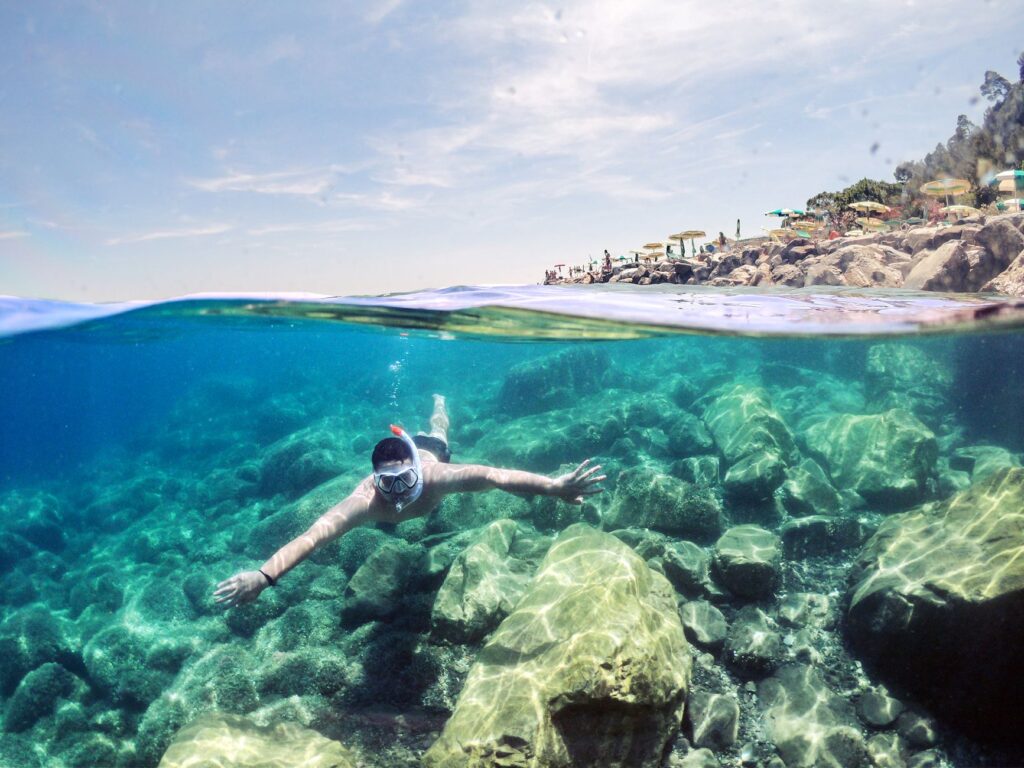
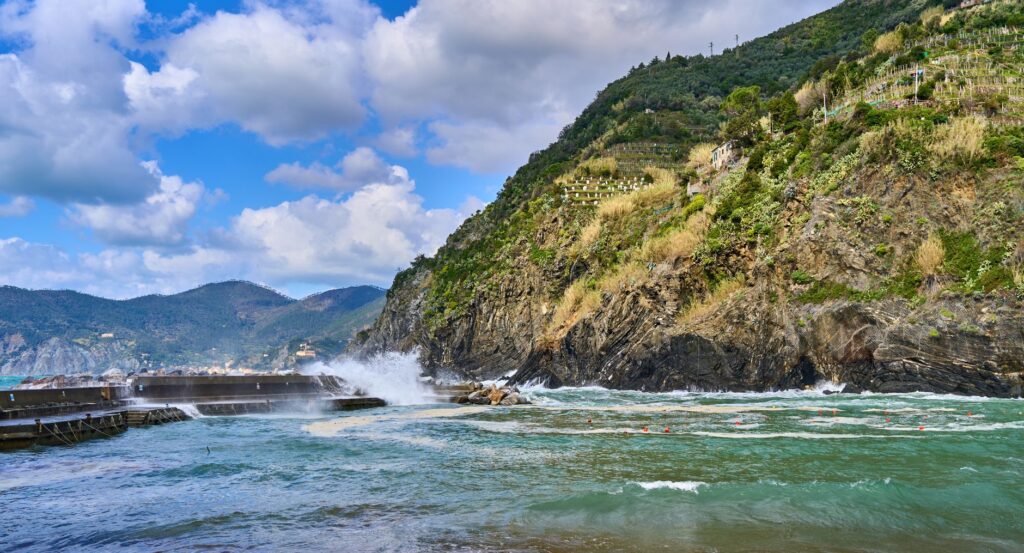
Beneath the cobalt-blue surface of the Gulf of Tigullio, the foothills of the Apennines do not simply end at the shoreline; instead, they plunge in uninterrupted verticals that sink hundreds of meters into darkness. This abrupt relief, shaped by tectonics and millennia of erosion, creates one of the most complex and fascinating underwater geographies in the Mediterranean Sea. In this corner of Liguria, where coastal development has transformed much of the shore into a tourist showcase, the Portofino Marine Protected Area acts as an invisible yet impassable bastion for benthic biodiversity.
Unlike the warm, shallow tropical reefs, the ecological treasures of the Ligurian Sea develop in perpetual twilight, nourished by cold, nutrient-rich currents rising from submarine canyons. Here, sunlight penetrates obliquely and faintly, generating a chromatic gradient that shifts from brilliant turquoise to deep navy blue. It is within this twilight fringe that an ancient biological architecture unfolds, a sessile forest built layer upon layer by colonial organisms that defy the apparent hostility of the abyssal environment.
The Living Architecture of Coralligenous and Red Gorgonians
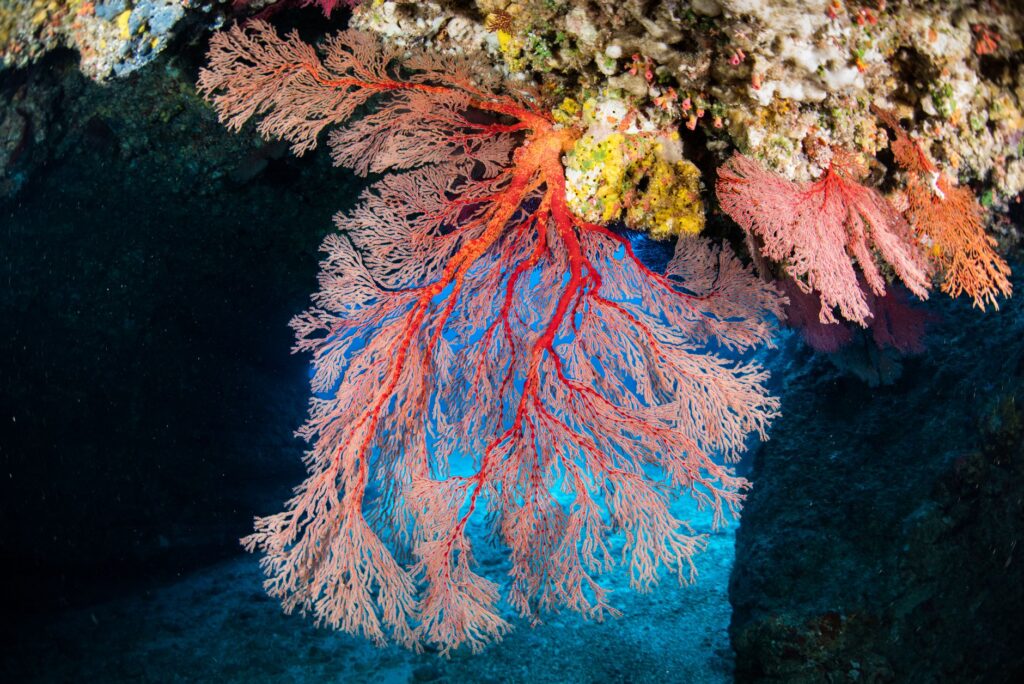
The calcareous substrate of Portofino’s walls sustains one of the most complex habitats in the Mare Nostrum: the assemblage known as coralligenous. This three-dimensional ecosystem is not the result of a single organism’s activity, but rather the superposition of encrusting calcareous algae, bryozoans, sponges, and cnidarians that over centuries build a porous structure brimming with microhabitats. Among all the inhabitants of this mineral labyrinth, the red gorgonian (Paramuricea clavata) stands out for its majestic stature and intense crimson color, becoming the undisputed emblem of the Ligurian depths.
These branching colonies can reach up to a meter in height and act as true underwater trees. Their millions of microscopic polyps extend in fans perpendicular to the dominant currents to capture suspended plankton. However, this static arrangement makes them extraordinarily vulnerable. The fragility of their calcified and horny skeletons means that any mechanical disturbance, from the careless brush of a fisherman to the surreptitious anchoring of a recreational boat, can destroy decades of slow growth in mere seconds.
Oceanographic Dynamics and the Influence of Submarine Canyons
The biological richness of this corner of the Ligurian Sea is not a geographical accident, but the direct consequence of precise oceanographic machinery. Very close to the coast, the seafloor drops sharply to form deep submarine canyons, such as the Polcevera or Portofino canyons, which act as gigantic hydraulic funnels. These topographical features channel deep currents and trigger upwelling phenomena that transport mineral salts and organic matter from the abyss to the illuminated surface.
This constant supply of nutrients fuels a dense trophic web that begins with phytoplankton and sustains everything from small crustaceans to large pelagic predators. Furthermore, seasonal variations in temperature and salinity generate high-speed local currents that clean the gorgonian fans and prevent excessive sedimentation, a critical factor that could suffocate the polyps. Understanding these hydrodynamic dynamics is essential for marine biologists monitoring the health of the ecosystem and its resilience capacity in the face of global change.
Thermal Pulse and Warnings in the Water Column
Over recent decades, the Mediterranean Sea has become one of the most sensitive climate change hotspots on a planetary scale. Oceanographic measurements conducted in the Portofino area show a gradual and constant increase in water temperatures throughout the water column, especially during the summer months when distinct thermoclines form. This anomalous warming not only affects surface layers but occasionally propagates toward the depths inhabited by gorgonians, triggering severe thermal stress episodes.
The visible impact of this phenomenon is tissue necrosis: polyps lose their soft tissue, exposing the dark axial skeleton, a process scientists call bleaching and mortality in situ. Researchers from the Institute of Marine Sciences and the University of Genoa have documented mass mortalities in populations located between thirty and forty meters deep. These extreme events demonstrate that even marine protected areas, shielded against direct fishing pressure, cannot escape the global repercussions of climate disruption.
Modern marine conservation can no longer be limited to drawing lines on a map to ban fishing; it demands an understanding of the invisible currents connecting global climate to the health of the last polyp in the abyss.
Faced with this invisible threat, the scientific community has intensified monitoring programs through the use of remotely operated underwater vehicles and fixed thermal sensor stations. These devices record real-time temperatures and allow park managers to anticipate marine heatwaves, implementing emergency measures or restricting diver access to the most critical zones during periods of peak ecological vulnerability.
Responsible Underwater Tourism and Protected Area Management
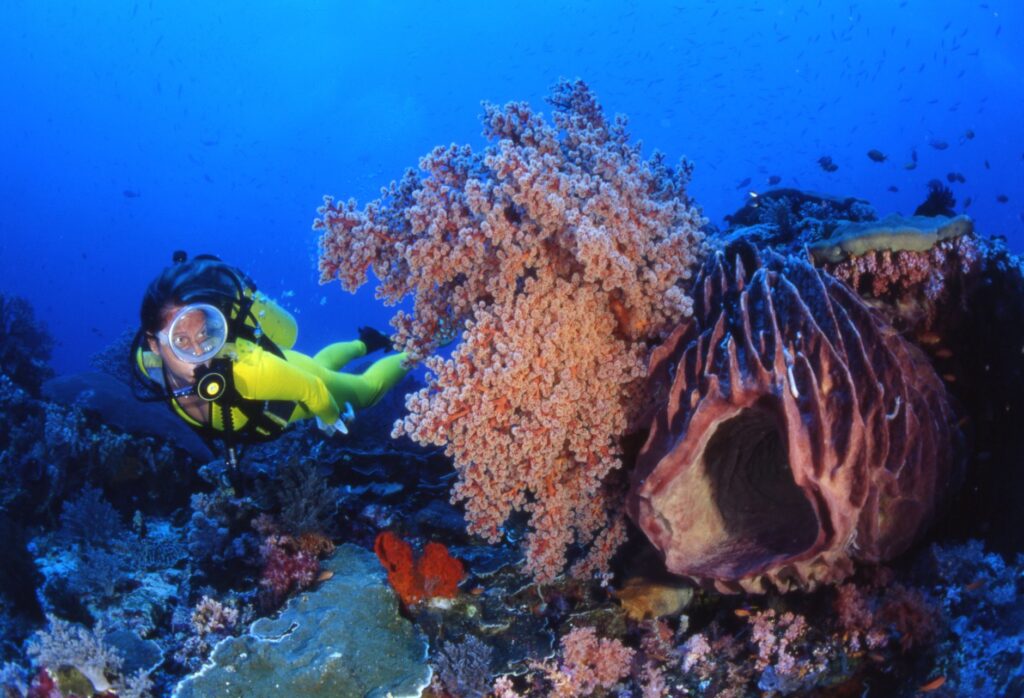
The aesthetic appeal and clarity of Portofino’s waters have historically attracted thousands of recreational diving enthusiasts from around the world. Emblematic sites such as the Christ of the Abyss, submerged at fifteen meters depth in 1954, or the walls of Punta del Faro, receive a steady stream of boats during the summer season. Far from banning this activity, the management of the marine protected area has opted for a model of regulated cohabitation, where tourism acts as a megaphone for environmental awareness provided strict low-impact protocols are followed.
Current regulations are rigorous: recreational navigation is subject to strict speed limits, free anchoring is strictly prohibited to prevent chain dragging over coralligenous habitats, and commercial dives must be conducted at authorized mooring buoys. Likewise, local dive centers actively collaborate with scientists in visual species censuses and the removal of abandoned fishing gear, turning visitors themselves into active observers of ecosystem health.
- Mandatory use of eco-friendly mooring buoys to protect benthic habitats from anchor damage.
- Temporary restriction of dives in saturated enclaves during peak reproduction periods of key species.
- Continuous training programs for diving instructors on neutral buoyancy techniques.
- Citizen monitoring through the contribution of geolocalized photographs by recreational divers.
Practical guide
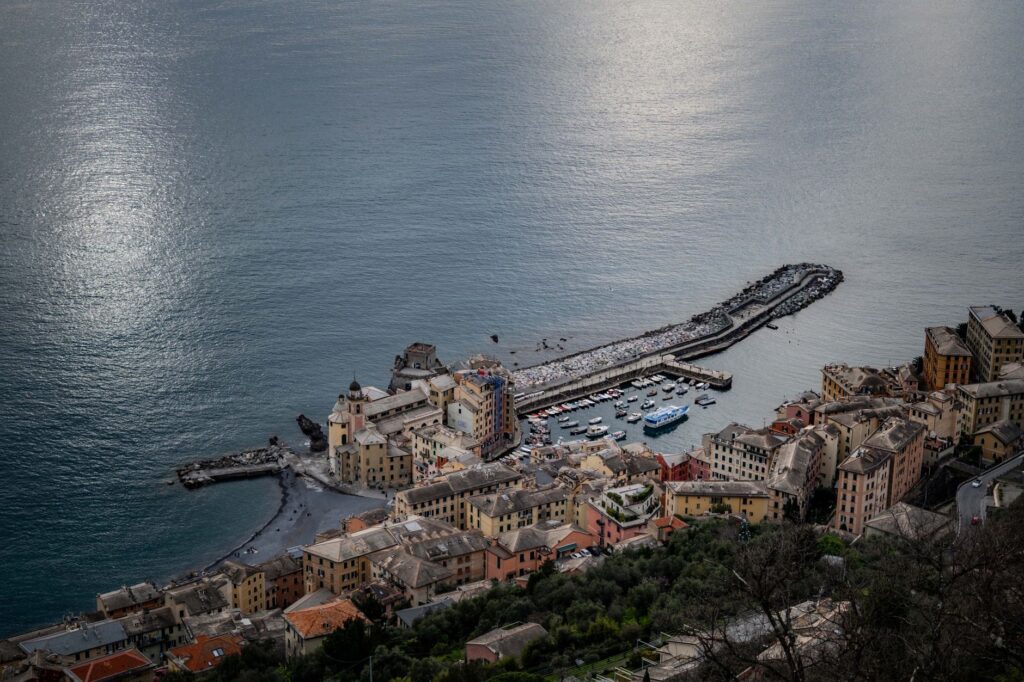
How to get there: Genoa-Cristoforo Colombo International Airport is the main aerial gateway, located about forty kilometers from the protected area. From Genoa Brignole railway station, regional trains connect to the towns of Santa Margherita Ligure and Camogli in under thirty minutes.
When to go: June and September offer the best balance between favorable weather conditions, optimal water temperature for diving, and lower nautical traffic density compared to the peak month of August.
Requirements and regulations: Autonomous diving within the marine protected area requires the appropriate certification, being federated, and hiring the services of an authorized dive center that manages daily park access permits.
Accommodation and mobility: The towns of Camogli and Santa Margherita Ligure retain a solid selection of independent hotels and family guesthouses committed to sustainability. Internal mobility is best handled via local maritime transport services or by using the coastal railway network.
The Echo of the Abyss and the Memory of Water
As the sun begins to set over the Gulf of Tigullio and the sea surface assumes a leaden tone, life in the depths of Portofino continues unaffected by human hustle and bustle above. In the darkness of the limestone walls, the tentacles of the gorgonians continue their millennial dance, filtering the cold water rising from the abyssal canyons in a cycle that has repeated since long before humans drew the first navigational charts. Every polyp that survives the rising temperatures of the Mediterranean represents a biological triumph and a tangible reminder of nature’s resilience in the face of adversity.
Visiting this underwater frontier is not merely a recreational experience, but an exercise in ecological humility. It forces us to look beyond the shoreline and recognize that the health of our planet depends as much on snowy peaks as on these submerged forests guarding, in the silence of their red fans, the most fragile and profound memory of our seas.