
In the high peaks of the central Carpathians, where northern gales batter the rockfields and granite crags remain coated in a crust of perennial ice for more than half the year, one of the most fascinating and elusive mammals of European wildlife survives: the mountain hare or snow hare (Lepus timidus). Unlike its relative the European brown hare, which prefers agricultural lowlands and open fields of Western Europe, this high-altitude dweller has evolved extreme physiological and morphological adaptations to withstand winters where temperatures frequently plummet twenty degrees below zero Celsius. This report examines the species’ ecology, the threats stemming from shortening snow covers, and the conservation efforts deployed within the Tatra National Park.
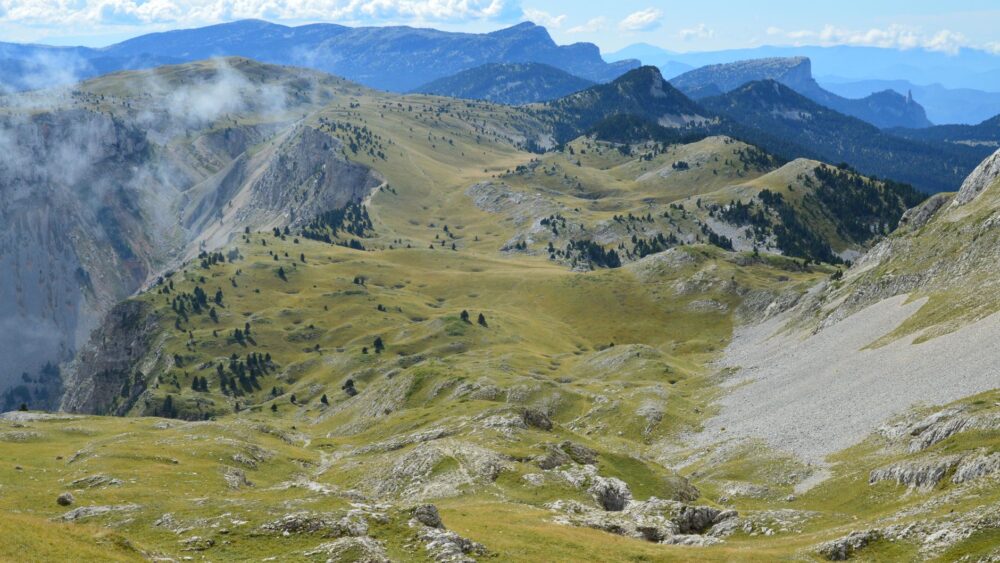
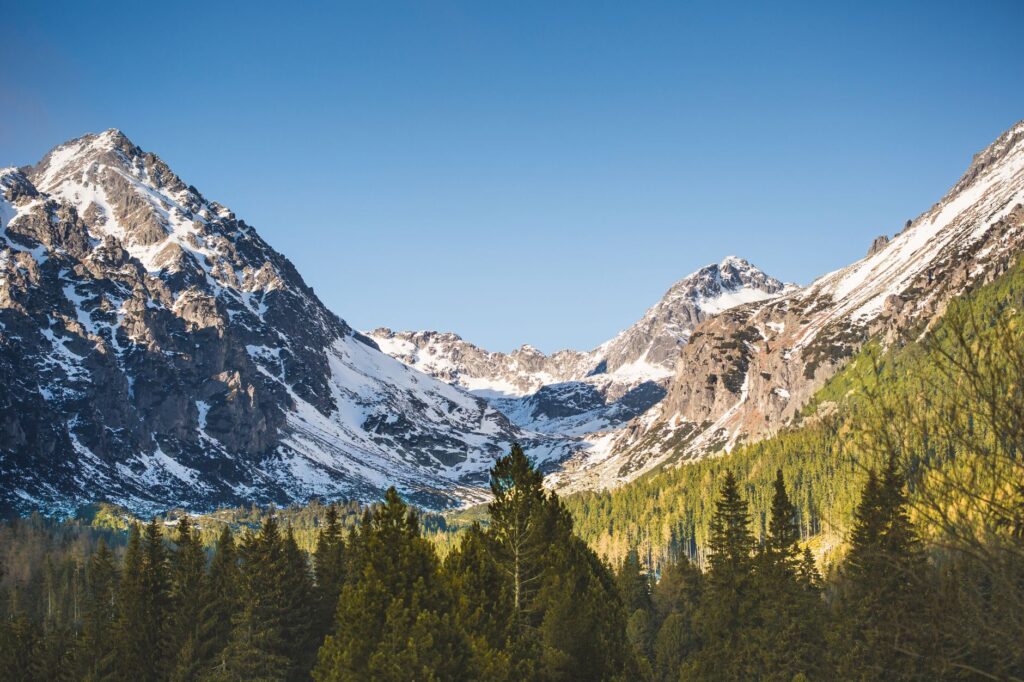
The territory inhabited by this lagomorph stretches above the tree line, in a rigorous ecological band composed of alpine meadows, unstable screes, and sparse scrublands of dwarf mountain pine. Here, survival does not depend on open-field speed, but on energy efficiency and dynamic camouflage that shifts with the rhythm of the seasons. During the summer months, the hare’s coat features brown and grayish tones that perfectly mimic the siliceous rock and lichens. With the arrival of the first autumn snowfalls, its body initiates a complex hormonal process regulated by photoperiod, replacing the brown fur with an absolute white coat, retaining only the black tips of the ears as an evolutionary vestige of its identity.
The Architecture of the Burrow and Alpine Thermoregulation
Far from constructing complex subterranean galleries like rodents do, the alpine hare relies on natural terrain depressions, rock ledges sheltered from katabatic winds, and hollows formed beneath the roots of creeping junipers to spend the hours of daytime rest. Its primary defense against extreme cold is not a closed physical shelter, but a dense fur composed of an inner layer of extremely fine underfur that traps air and acts as a thermal insulator of extraordinary efficacy. Additionally, its paws, considerably broader and provided with a thick pad of hair on the sole, act as natural snowshoes enabling it to travel over soft snow without sinking, a crucial advantage both for foraging and for escaping natural predators.
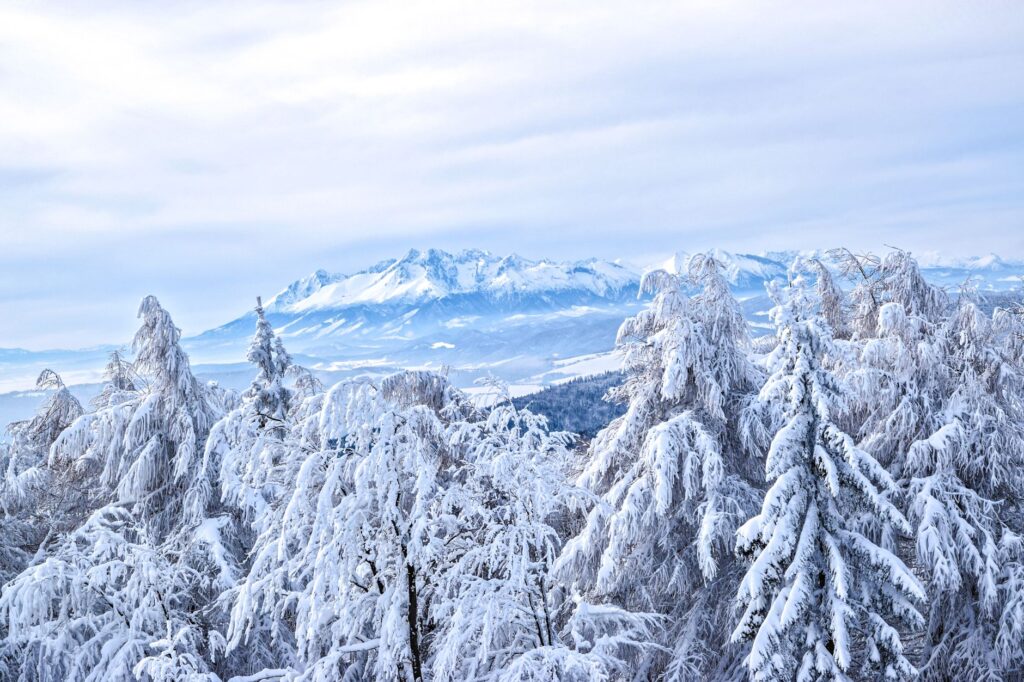
This herbivore’s diet transforms drastically between summer and winter. While during the warm months it consumes a wide variety of grasses, tender shoots, and leaves of high-mountain plants, winter severely restricts its menu. Beneath the white blanket, the hare feeds on the bark of dwarf shrubs, twigs of dwarf birch, blueberries, and pine needles that it manages to unearth thanks to its acute sense of smell and powerful incisors. This dietary shift demands a highly specialized digestive strategy, which includes nocturnal coprophagy to maximize the nutrients from vegetation scarce in protein and rich in cellulose.
Population Dynamics and Predator Pressure
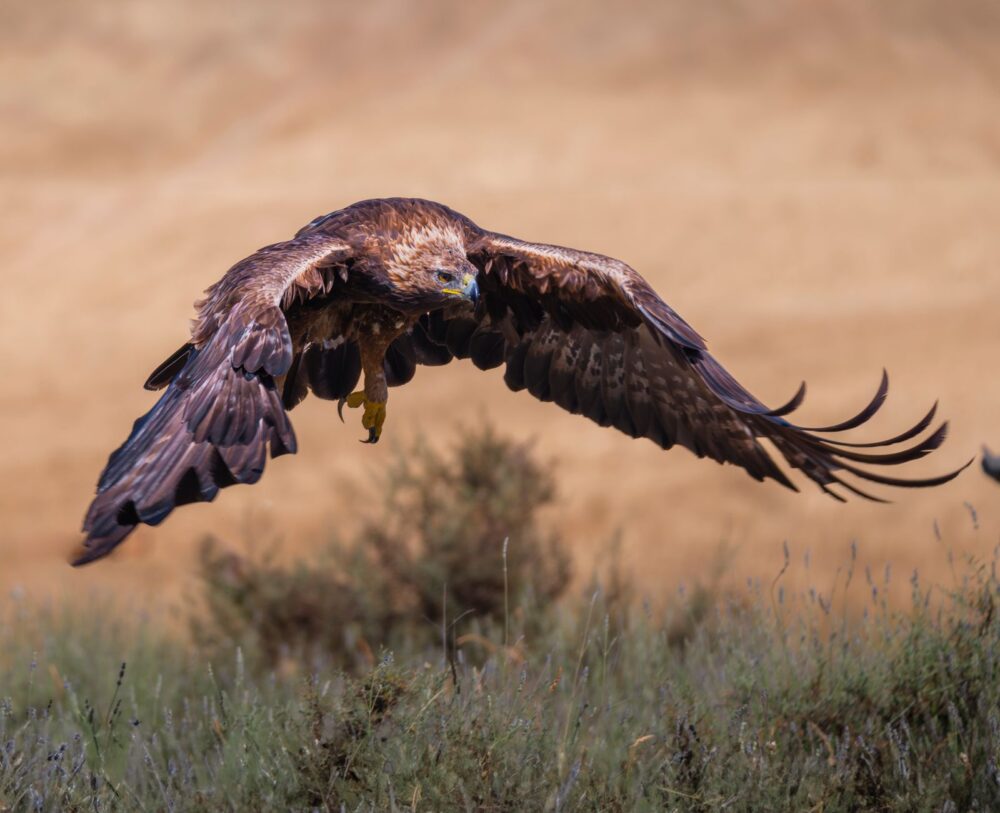
Populations of the alpine hare in the Tatras are not homogeneous; they are distributed in small, fragmented nuclei occupying the highest plateaus and hanging glacial valleys. Camera-trapping and genetic tracking studies conducted by Slovak biologists over the past decade reveal that the species’ population density undergoes cyclical fluctuations tied to food availability and the pressure of generalist predators such as the red fox and Eurasian lynx, as well as large raptors like the golden eagle. The expansion of the fox to higher elevations, driven by global warming and human presence at ski resorts, has increased the predation rate on young individuals.
However, the most insidious stress factor for the species today is the phenomenon known as phenological mismatch in camouflage. Traditionally, the shortening of days triggered the color change of the coat to coincide with the arrival of the first enduring snowfalls. Today, due to rising winter temperatures, snowfalls are delayed by weeks or even months, leaving hares completely white against a background of brown rocks and withered grass. This lack of synchronization between the environment and mimicry drastically increases the animal’s vulnerability to visual predators, turning it into an easy target in open alpine clearings.
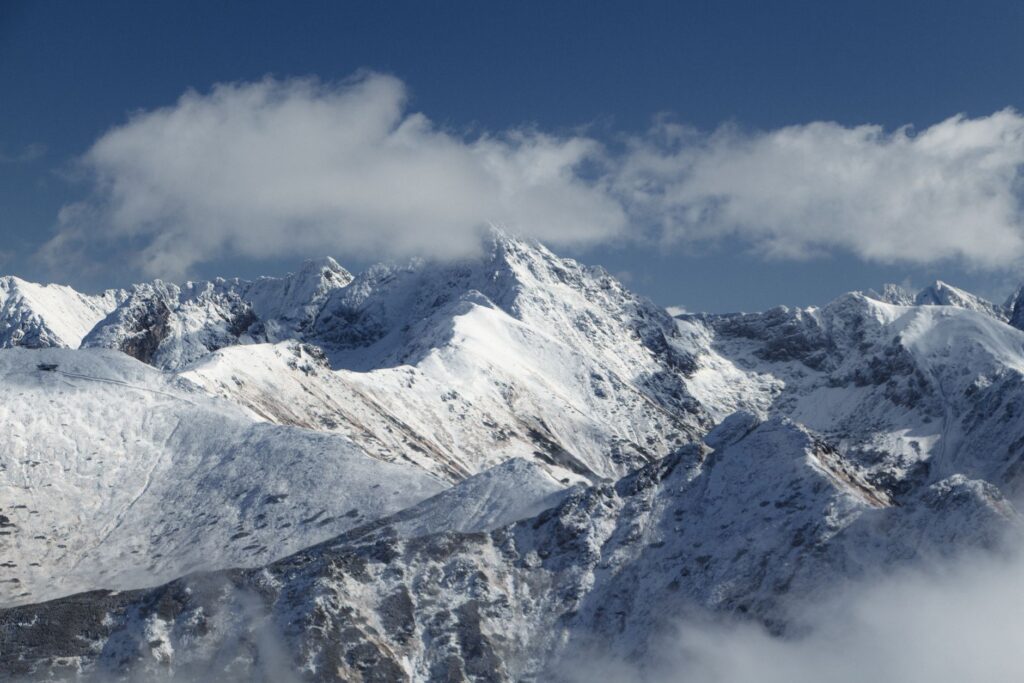
The Impact of Mountain Tourism and Habitat Fragmentation
The Tatra National Park (Tatranský národný park) welcomes millions of visitors each year drawn by its hiking trails, glacial lakes, and alpine ski slopes. While much of the tourist flow concentrates in summer and along marked routes, the proliferation of backcountry winter sports, ski touring, and snowshoeing in remote areas is penetrating the last sanctuaries of alpine wildlife. When a hare is disturbed by human presence in the dead of winter, its instinctive reaction is to flee at top speed, forcing it to expend valuable metabolic energy reserves that are nearly impossible to replenish in an environment where food is extremely scarce.
To mitigate this impact, park authorities and conservation organizations have promoted the creation of temporary exclusion zones in the most sensitive sectors during months of maximum snow accumulation. These access restrictions, marked along main ridges and cols, aim to ensure that hares and other emblematic species such as the Tatra chamois can rest and feed without constant disturbance from skiers. Environmental education directed at winter sports enthusiasts has proven effective, though it still encounters resistance from sectors demanding free and unrestricted access to all mountain terrain.
Scientific Research as a Shield Against Climate Change
Understanding the resilience of the mountain hare requires continuous scientific monitoring combining traditional methods with cutting-edge technology. Researchers collect fecal samples from rockfields to extract DNA and analyze levels of corticosterone, a key biomarker for measuring chronic stress derived from human activity and climatic alterations. Furthermore, satellite telemetry collars placed on safely captured specimens allow scientists to map habitat use with metric precision, identifying the ecological corridors connecting isolated populations between the Slovak and Polish slopes of the Tatras.
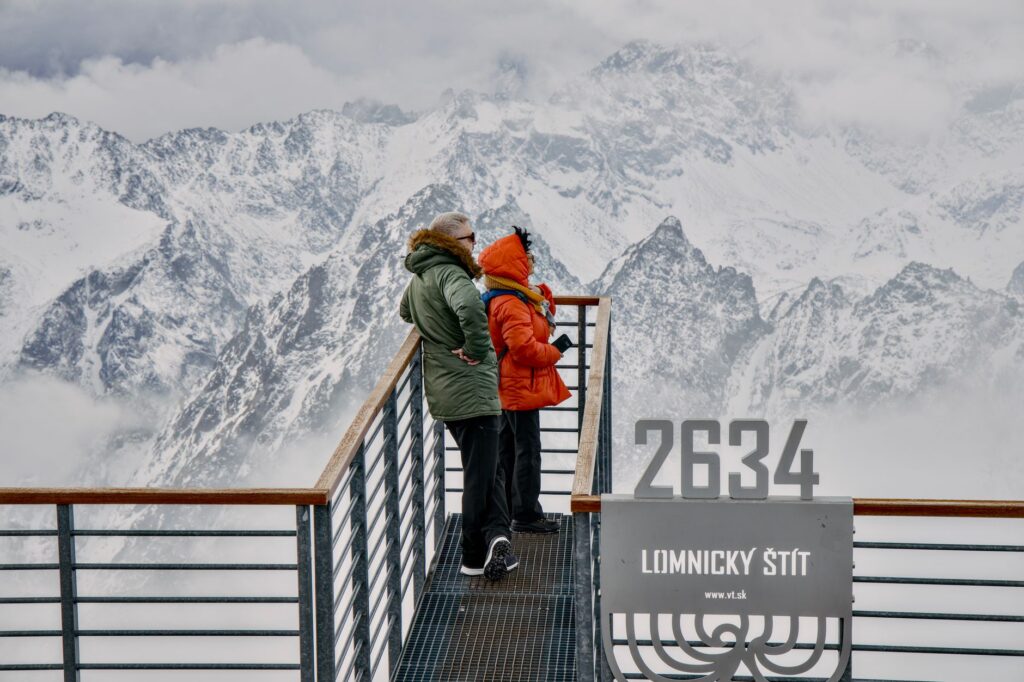
Preliminary data from these studies suggest that as subalpine forests climb in altitude, displacing open grasslands, the available habitat for the hare is inexorably compressed. This shrinking of living space, known in ecology as the mountain island effect, limits the dispersal of young individuals and impoverishes the genetic diversity of populations. Conservationists emphasize that protecting forest corridors and strictly controlling tourism infrastructure are urgent measures to prevent the species from becoming confined to tiny, unsustainable enclaves over the long term.
The high mountain is not a sterile stage of rock and ice, but a delicate web of evolutionary interactions where each species fulfills an irreplaceable function in ecosystem balance.
The future of this nival lagomorph depends largely on our ability to manage the territory with scientific criteria and strict conservation, prioritizing the ecological health of the peaks over recreational overcrowding. The mountain hare acts as a true biological thermometer for the health of the Carpathians; its decline or disappearance would signal the irreversible degradation of one of the purest and most fragile ecosystems on the European continent.
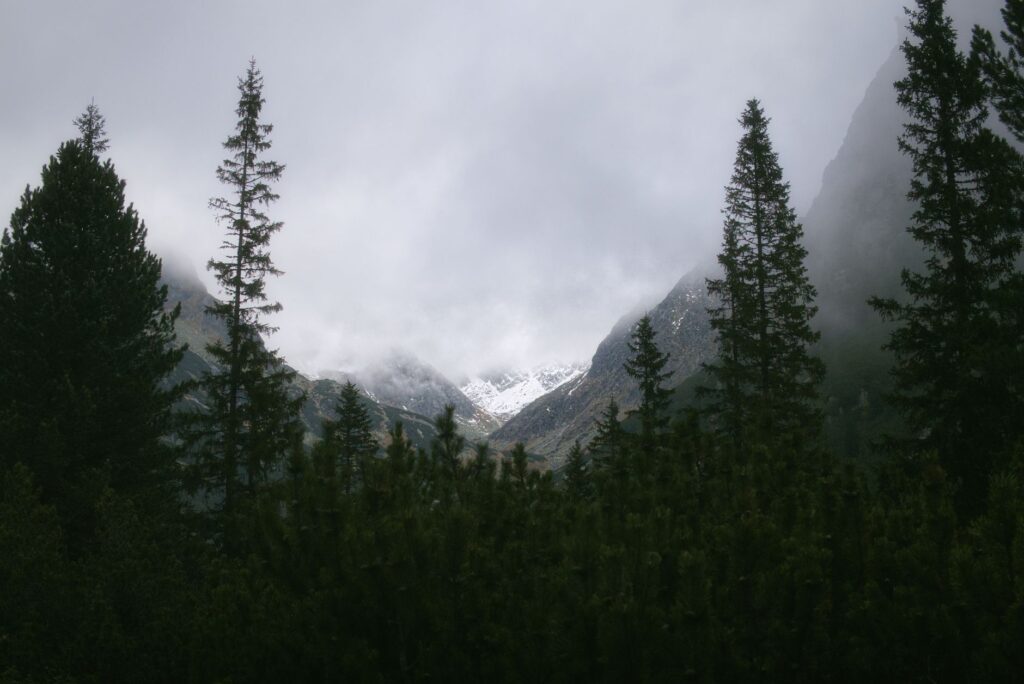
Practical guide
Getting there: The main gateway to the High Tatras is the city of Poprad, which features an international airport and direct rail connections from Bratislava and Košice. From Poprad, the electric cog railway (TEZ) connects to key resort towns within the park, such as Starý Smokovec and Štrbské Pleso.
When to go: For nature observation and hiking without severe restrictions, the months from June to September offer optimal conditions. If the objective is to study the winter landscape, January through March presents the characteristic nival scenery, though with high-altitude access limitations.
Conservation regulations: Venturing off marked trails in strict protection nature reserves (Grade A) is strictly prohibited between November 1 and June 15. Drones and wild camping are not permitted anywhere within the national park territory.
Accommodation and bases: Overnight stays are recommended in foothills villages such as Tatranská Lomnica or Nový Smokovec, which feature lodgings certified with eco-labels and stringent waste management and energy efficiency standards.
Recommended gear: Mountain footwear with high-traction soles, layered clothing with windproof membranes, telescopic trekking poles, and high-optical-quality binoculars for observing wildlife at a safe distance without interfering with their behavior.
As the sun begins to dip behind the jagged crests of Gerlachovský Peak, dyeing the granite walls with an intense copper hue, absolute silence reclaims the glacial valleys. In some protected nook among the boulders, the white silhouette of the mountain hare blends with the lingering late-afternoon snow patches, waiting with millenary patience for the arrival of night and the truce of the summit wind.