
Origins and Geography of a Millennial Craft by the Tormes River
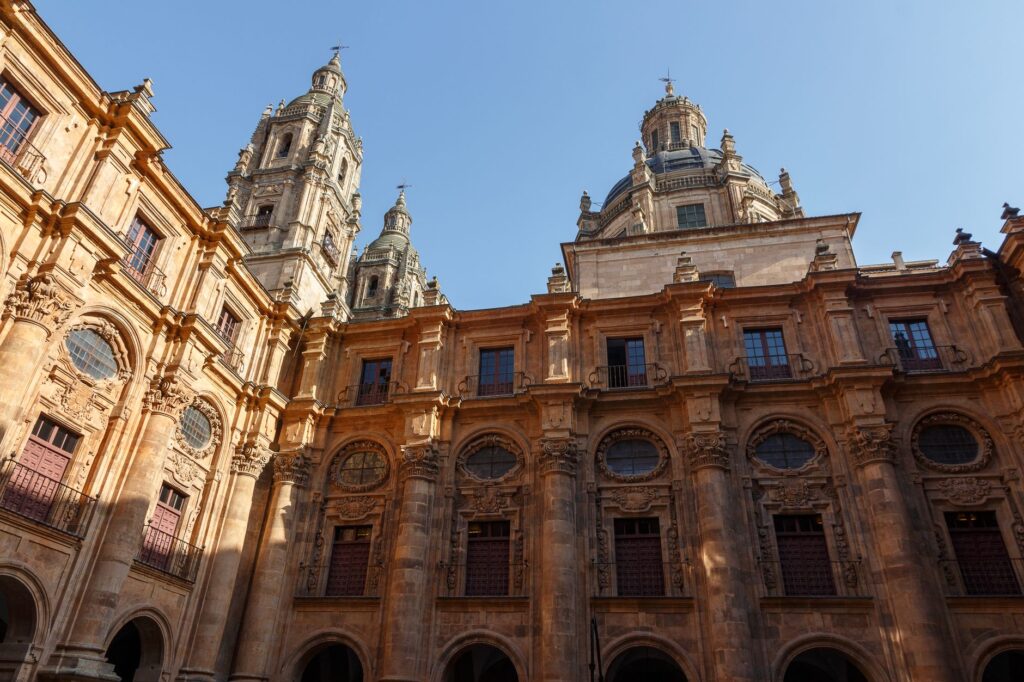
Within the historic fabric of Salamanca, where Villamayor sandstone preserves the memory of humanistic knowledge, a silent ecosystem persists that defies the dizzying obsolescence of the twenty-first century. Far from large-scale industrial assembly lines, artistic bookbinding workshops operate under the unhurried rhythm of cardboard, linen thread, and vegetable-tanned leather. Here, manufacturing is not a mere aesthetic resource, but a trench against oblivion. The Salamancan tradition traces its roots back to the founding of its Royal University, when the need to protect incunabula and scientific treatises forged a caste of artisans capable of sewing knowledge onto durable supports. Today, this legacy survives in narrow streets where the scent of bone glue and tanned hide permeates stone lintels.
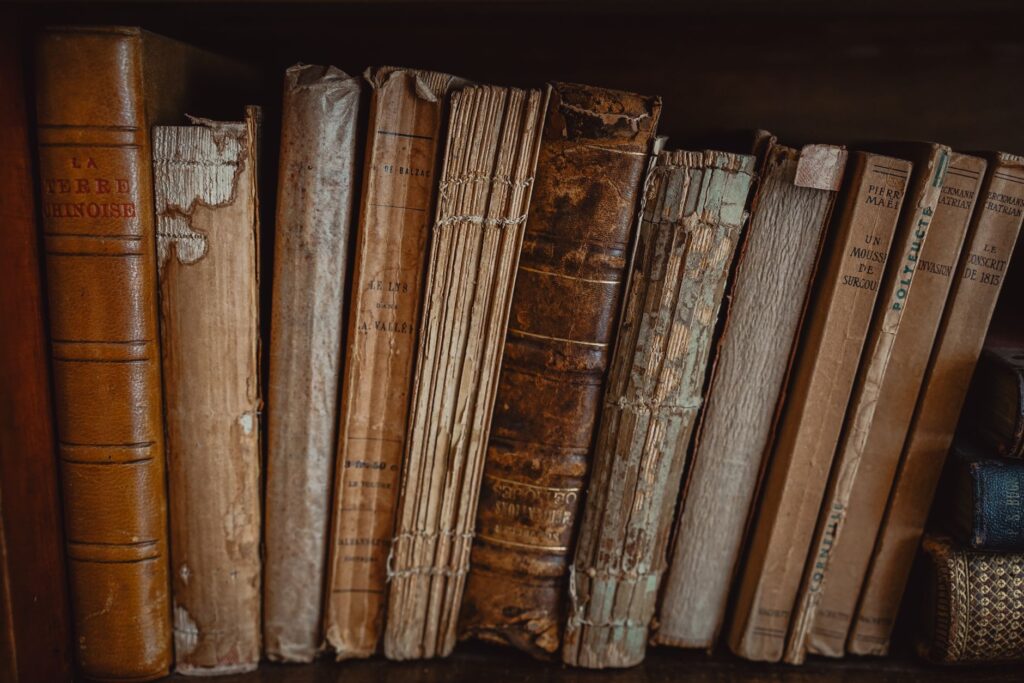
The revitalization process of these spaces responds not to mercantile nostalgia, but to a rigorous heritage awareness. Modern masters combine historical research with the conservation demands imposed by institutional libraries and private collectors. Each volume entering these workshops undergoes a rigorous anatomical diagnosis: the acidity of the paper, the strength of the original gatherings, and the stability of the historical covers are evaluated. Thus, bookbinding reveals itself as a discipline straddling forensic science and decorative art, where each intervention seeks to prolong the useful life of the object without betraying its material integrity.
The Anatomy of the Book: Hand-Sewing and Material Preparation
Entering a traditional workshop implies understanding that the architecture of a hand-bound book differs radically from industrial production. The initial phase begins at the sewing bench, a wooden frame where vertical linen threads are tensioned to receive the paper sections. The artisan, armed with a needle and a metric precision granted only by decades of practice, intertwines each signature using waxed stitches that guarantee flexibility and the harmonious opening of the volume. This method, known as sewing on raised cords, not only ensures structural durability but endows the spine with that characteristic ribbed morphology defining classic elegance.
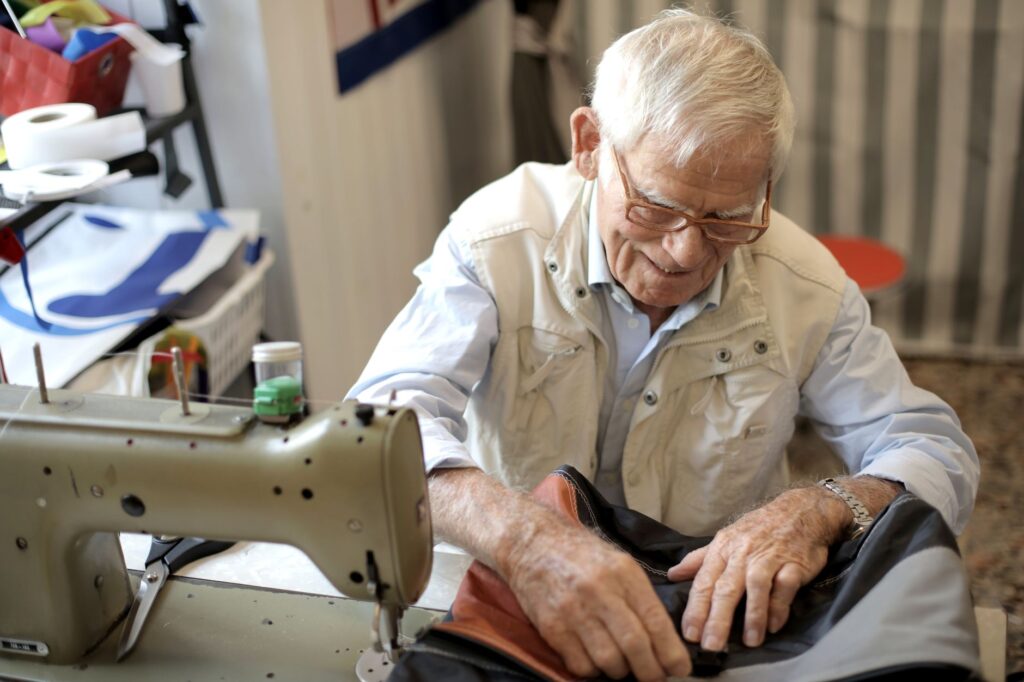
This phase is followed by the preparation of the boards, traditionally made of high-density pulpboard or lightweight wood for large-format copies. Covering requires singular dexterity: the leather—generally calf, goat, or sheep tanned without sulfates—is patiently pared at the edges with a shoemaker’s knife to prevent excess weight at the corners and facilitate turning at the joints. The use of reversible animal-based glues ensures that any future intervention can be dissolved without harming the original support. It is an exercise in absolute respect for the material, where a millimetric error condemns hours of preparation.
True bookbinding is not that which conceals the passage of time, but that which sustains it with structural dignity and formal beauty.
The Contemporary Studio: Dialogue Between Monastic Tradition and Modern Design
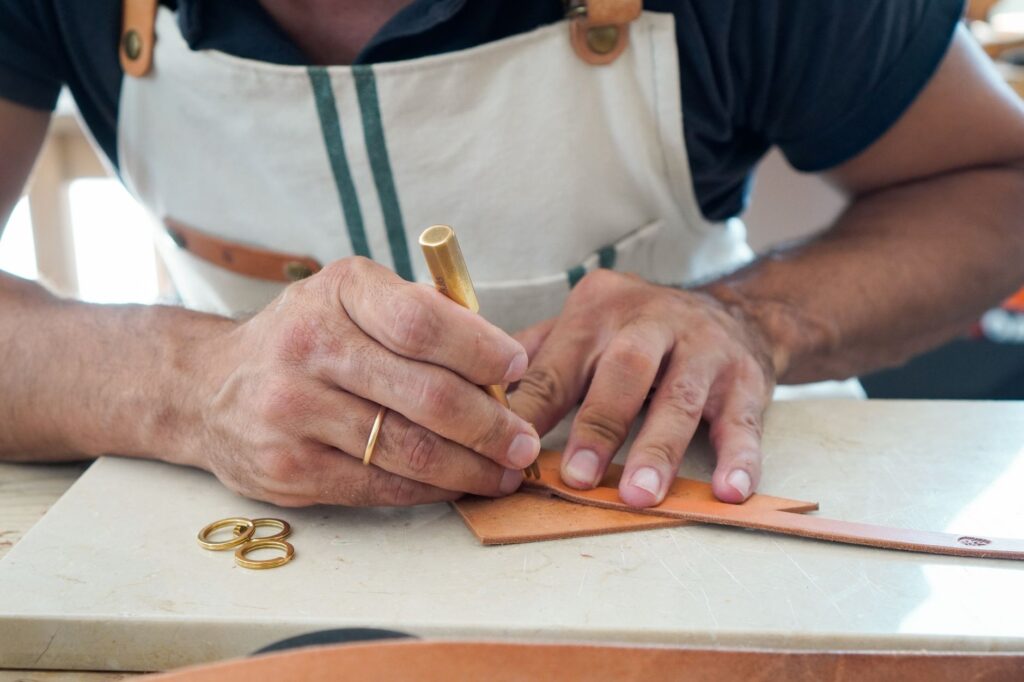
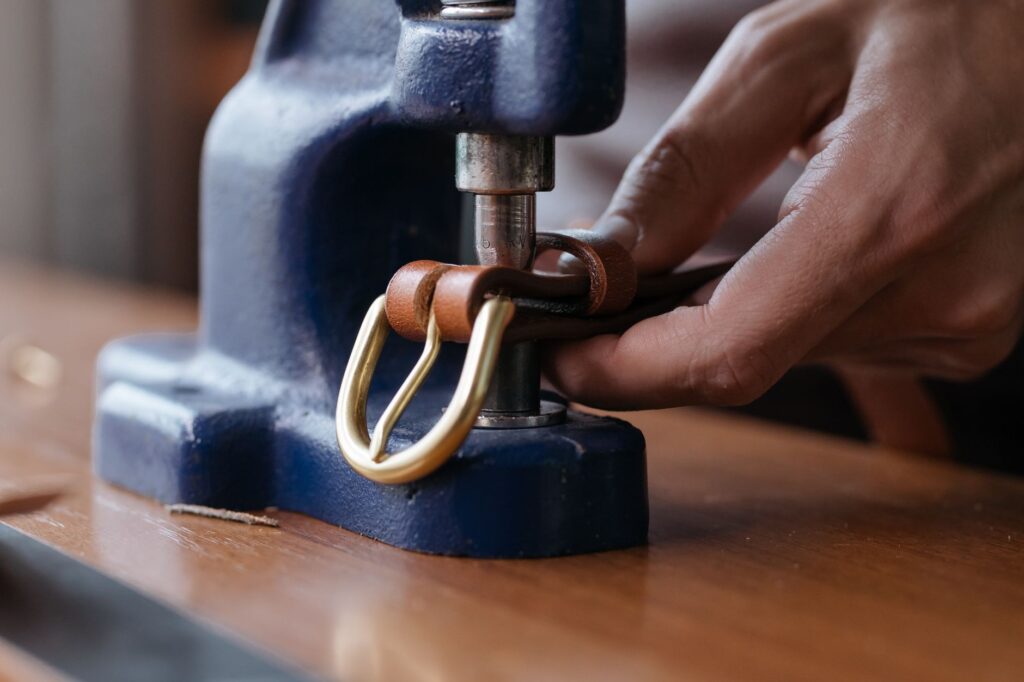
Faced with the purism of historical restoration, young creators established in the province of Salamanca are pushing the boundaries of contemporary design through experimentation with new materials and geometries. These studios combine traditional tools —arm shears, cast-iron spindle presses, and brass inkwells— with minimalist aesthetic proposals where focus falls on the natural texture of raw materials. Work is carried out using long-fiber Japanese papers, unbleached natural linen fabrics, and dry typographic stamping that reinterpret the classic concept of the lettered spine.
This coexistence of past and modernity has generated a phenomenon of attraction for graphic designers, editorial creators, and bibliophiles from all over Europe who travel to Salamanca in search of unique editions. The workshops also function as centers for the transmission of knowledge, offering specialized courses in braided headband techniques, fine gold tooling, and Japanese stab-binding. The economic viability of these spaces no longer depends on production volume, but on excellence in service and the ability to offer unrepeatable pieces functioning as autonomous art objects.
The Technique of Embossing and Gilding: Geometry and Fire on Leather
One of the aesthetic pinnacles of artistic bookbinding lies in the decoration of covers and spines through the technique of dry embossing and fire gilding. This process requires absolute mastery of temperature and pressure. The artisan heats brass pallets, rolls, and plates engraved with geometric, floral, or heraldic motifs on an electric stove. In gilding, an extremely thin leaf of pure gold is placed over the leather surface, previously moistened and prepared with egg white, known as glaire. Upon applying the hot tool, the protein coagulates and permanently fixes the metal, creating a dazzling contrast between the depth of the leather and the metallic sheen.
The design of the decorative motifs follows a rigorous compositional language drawing from Mudejar, Renaissance, and Neoclassical traditions, while also incorporating abstract patterns from the Bauhaus or constructivism. Each workshop preserves centuries-old catalogs of stamps and punches passed down as family heritage. The engraver’s impulse must be exact: excessive temperature burns the grain of the leather, while a defect prevents gold adhesion. In this constant tension between rebellious matter and artisan will lies the untransferable value of every piece emerging from Salamancan bibliographic workshops.
Preventive Conservation and Archival Science: Science at the Service of Paper
Beyond its aesthetic and bibliophile aspects, Salamancan workshops play a crucial role in safeguarding the documentary heritage of municipal, cathedral, and notarial archives. Preventive conservation has become the most demanded specialty by public institutions. Restorers analyze the degree of deterioration caused by fungi, xylophagous insects, or iron gall ink corrosion using microscopy and chemical testing. Intervention in these documents demands strict ethics: chemical stabilization and physical consolidation take precedence over aesthetic reconstruction, ensuring the document retains all its historical traces.
This scientific approach has transformed the traditional bookbinder into a qualified conservator-restorer capable of drafting detailed technical reports and collaborating with historians and chemists. Aqueous deacidification treatments, leaf-by-leaf paper grafting with cellulose pulp, and the manufacturing of passive conservation containers using acid-free board are daily routines in these workshops. Thus, the craft proves its absolute relevance in the information society, protecting the physical foundations upon which Western written memory rests.
Practical guide
Getting there: Salamanca is exceptionally well-connected to Madrid via the A-62 highway and through daily high-speed and Medium Distance (Alvia) train services, with a journey time of approximately one and a half hours from the Spanish capital. The nearest airport is Valladolid, located about 110 kilometers away.
Workshop route: Artisanal workshops are mainly concentrated in the historic center, around Libreros Street, Compañía Street, and the surroundings of the old quarter. Most studios open to the public during morning hours, though booking in advance is essential to witness sewing and gilding demonstrations.
Best time to visit: The spring months (May to June) and autumn (September to November) offer ideal weather for walking through the architectural heritage and enjoying the university atmosphere without summer crowds.
Recommended accommodation: Staying in small boutique hotels located in rehabilitated 16th-century palaces or historic manor houses is recommended, allowing a complete immersion in the city’s heritage atmosphere.
The Echo of Silence in the Artisan’s Hands
As evening falls, when the murmur of students fades across the arcaded squares and Salamanca’s golden stone acquires an amber hue under the final rays of sun, the bookbinding workshops seem to suspend time. Inside, the zenithal light of work lamps illuminates the weathered hands of masters continuing to fold signatures with geological patience. There is no rush in these spaces where each volume requires weeks of exclusive dedication. Upon closing the final back cover, the book ceases to be a simple receptacle of texts and becomes a talisman against collective amnesia. In that final gesture, repeated a thousand times over the centuries, lies the quiet persistence of a culture that refuses to dissolve into the dizzying flux of the ephemeral.