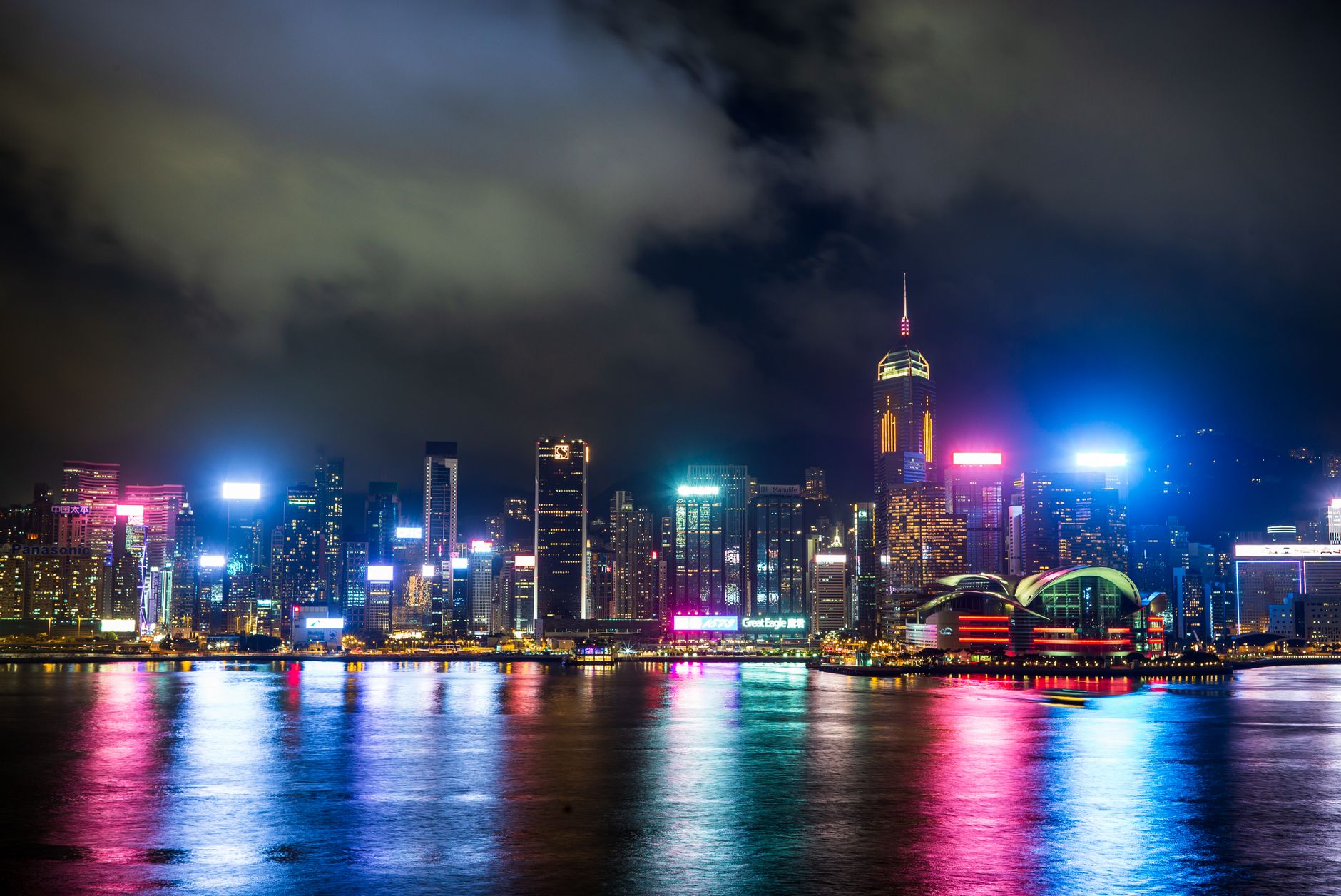

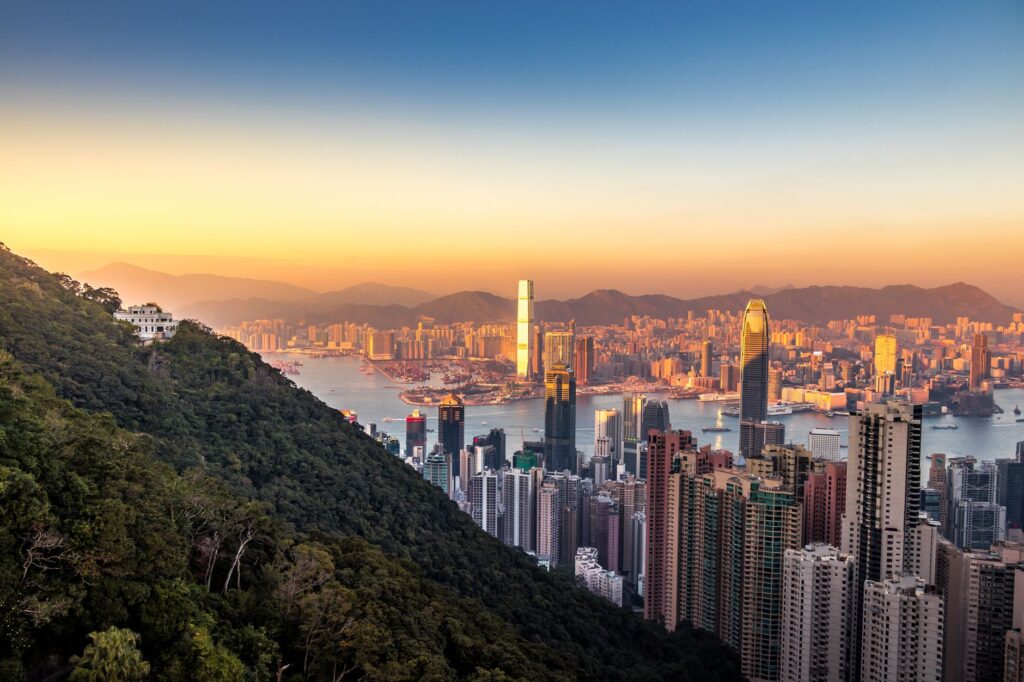
The silhouette of Hong Kong, sharply cut against the waters of Victoria Harbour, has stood for decades as a synonym for financial vertigo, bustling trade, and a dense collision between British colonial architecture and the vibrant pulse of southern China. However, in recent years, the metropolis has understood that its survival as a premier global destination demands a profound metamorphosis. The undeniable appeal of its skyline or the sheer efficiency of its port infrastructure are no longer enough; the city must seduce the contemporary traveler through immaterial experiences, high culture, international festivals, and a regional narrative that connects its destiny with the wider Greater Bay Area.
This transition is neither casual nor improvised. Tourism authorities and leading cultural operators in the region have articulated a detailed strategic plan aimed at repositioning Hong Kong on the global map of event-led tourism. The core bet consists of interweaving the millenary tradition of local festivals—such as the Dragon Boat Festival or Cantonese Opera—with the artistic avant-garde housed in the West Kowloon Cultural District, where the M+ Museum and the Hong Kong Palace Museum act as beacons of Asian modernity. The result is a territory in full effervescence, where every weekend promises a constellation of international appointments ranging from contemporary art summits to world-class sports championships.
The new urban paradigm: beyond commerce and finance
For decades, the average visitor stepping into Kowloon or Hong Kong Island arrived driven by business motives, tax-free shopping, or a brief stopover toward other Southeast Asian destinations. The city functioned as a massive mercantile exchange machine. Today, urban planners and tourism managers have inverted the terms of the equation. The current goal is to transform the transient traveler into a cultural explorer who stays longer, spends with greater diversity, and ventures into less-traveled residential neighborhoods.
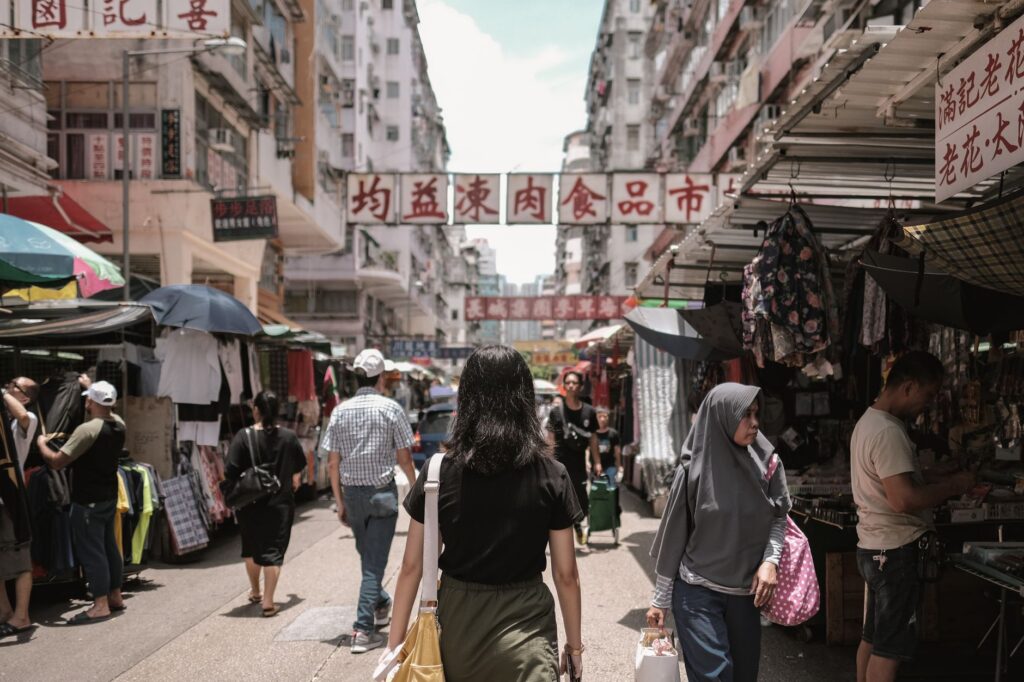
This paradigm shift is supported by the diversification of offerings. The steep streets of Sheung Wan or the working-class alleyways of Sham Shui Po are no longer viewed merely as relics of an industrial past, but as living laboratories where traditional artisans, independent fashion designers, and emerging art galleries coexist. The official strategy recognizes that Hong Kong’s true differential value lies in its capacity to merge extreme contrasts without losing its local identity.
The West Kowloon Cultural District: the new creative heart
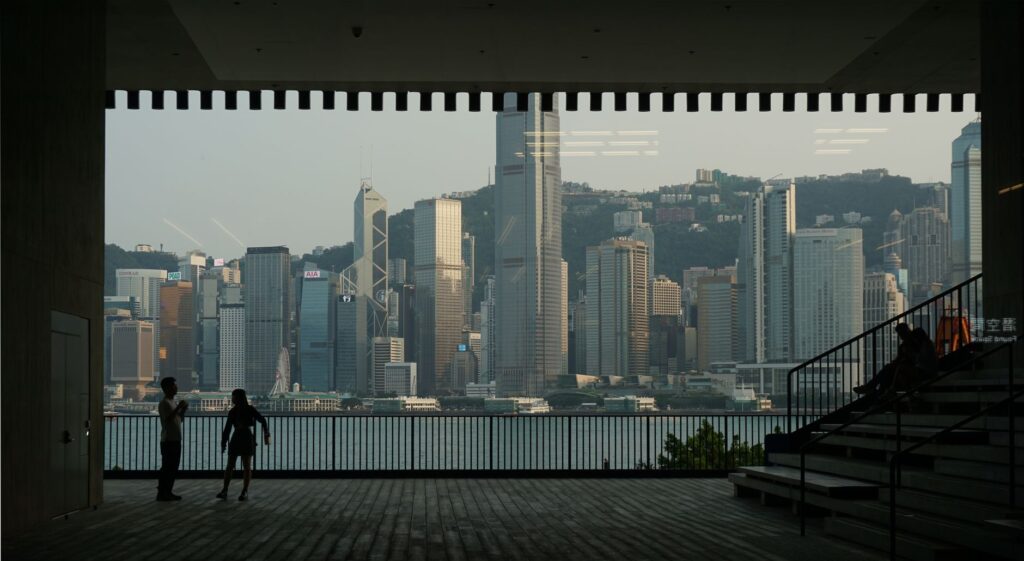
If there is one geographical and ideological epicenter that condenses this new tourism era, it is the West Kowloon Cultural District. Built on reclaimed land, this space has established itself as one of the most ambitious cultural infrastructure projects of the 21st century. It is not merely a collection of disconnected museums, but a district designed for civic interaction, featuring open waterfront promenades, avant-garde theaters, and grand green plazas.
The M+ Museum, dedicated to contemporary visual culture within a building designed by Herzog & de Meuron, and the Hong Kong Palace Museum, which safeguards imperial treasures in dialogue with modern sensibilities, attract audiences that previously did not consider the city a top-tier cultural destination. The programming of these spaces coordinates closely with the city’s general event calendar, creating synergies that multiply the economic and media impact of each temporary exhibition or international retrospective.
Hong Kong has understood that twenty-first-century tourism rests not merely on the height of its skyscrapers, but on the depth of its cultural offerings and the vitality of its public spaces.
The mega-events strategy as an engine of attraction
The central pillar upon which Hong Kong’s tourism relaunch is articulated is its calendar of major events. The local administration has invested resources and logistical capacity to ensure the city remains a permanent venue for global appointments in sports, music, gastronomy, and the visual arts. From internationally renowned art fairs like Art Basel Hong Kong to world-famous rugby tournaments and technology summits, the message is clear: the city never sleeps and always offers an unmissable happening.
This events policy seeks not only immediate hotel occupancy, but the construction of a dynamic and sophisticated destination brand. Organizers work in close collaboration with local airlines and international travel agencies to bundle tickets, stays, and preferential admissions, making it easier for foreign visitors to integrate attendance at a major event into a broader vacation that includes gastronomic and natural exploration of the region.
Regional integration: the Greater Bay Area concept
A key aspect of Hong Kong’s current tourism strategy is its active integration within the Greater Bay Area, which connects the metropolis with nine cities in Guangdong province, including dynamic powerhouses like Shenzhen and Guangzhou. Thanks to the radical upgrade of cross-border transport infrastructures—such as the high-speed rail and the Hong Kong-Zhuhai-Macao Bridge—the former administrative border has become far more permeable for travelers.
The current promotional vision invites visitors to conceive of Hong Kong not as an isolated island, but as the cosmopolitan gateway and nerve center of a much wider regional tourism circuit. Tourists can now spend the morning attending an international conference in West Kowloon, enjoy traditional dim sum on the historic streets of Hong Kong Island, and have dinner or attend a technological concert in Shenzhen, all within a matter of hours and without the logistical friction of the past.
- Rollout of an annual calendar featuring over eighty major cultural and sports events.
- Direct connectivity via high-speed trains with the main technological and cultural hubs of southern China.
- Specific training programs for tour operators focused on heritage routes and sustainable tourism.
- International collaboration campaigns to position Hong Kong cuisine as living heritage.
The conservation of intangible heritage against modernizing vertigo
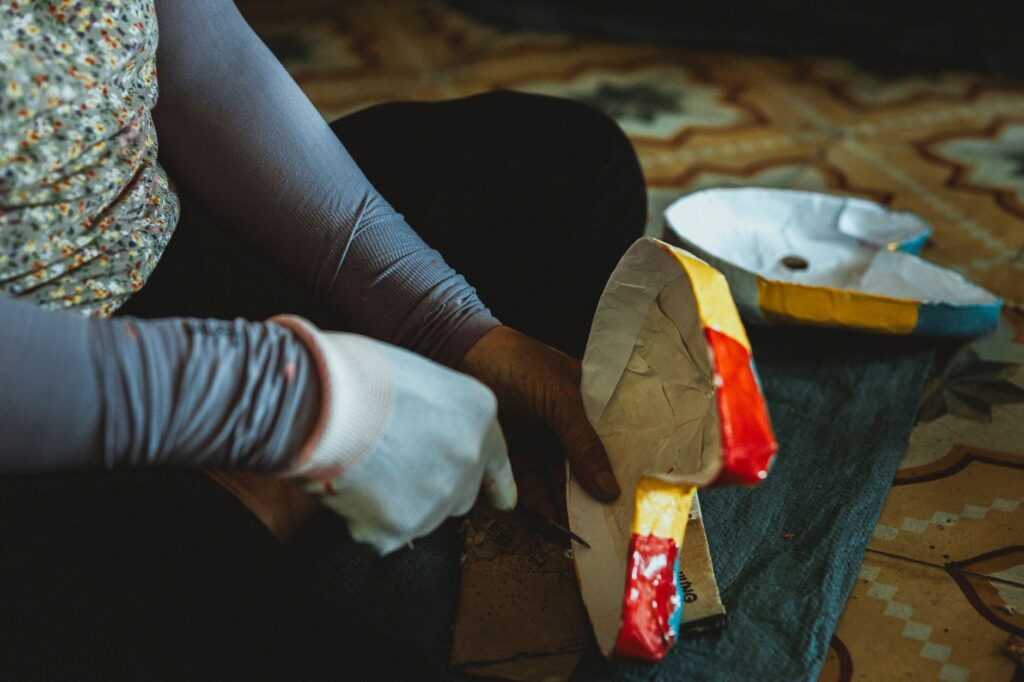
Despite the enthusiasm for innovation and mega-events, Hong Kong’s tourism strategy pays unprecedented attention to the safeguarding of its intangible cultural heritage. Traditions that survive in the interstices of the grand city—from the artisanal manufacturing of paper lanterns to Taoist and Buddhist festival ceremonies on the outlying islands of Lamma or Cheung Chau—now receive institutional support and visibility within official itineraries.
This duality between the neon of the global metropolis and the resilience of local customs constitutes one of the most seductive appeals for the curious traveler. Official guides and recommended itineraries are no longer confined to the shopping malls of Tsim Sha Tsui, but incorporate guided walks by local historians to explain the meaning of protective rituals in Man Mo temples or the vernacular architecture of walled villages in the New Territories.
The true miracle of Hong Kong lies in its capacity to keep ancient traditions alive while designing the architectural and cultural future of Asia.
Practical guide
- How to get there: Hong Kong International Airport is connected to major world capitals through Cathay Pacific and other leading global airlines. The Airport Express train transfers passengers to the city center in under twenty-four minutes.
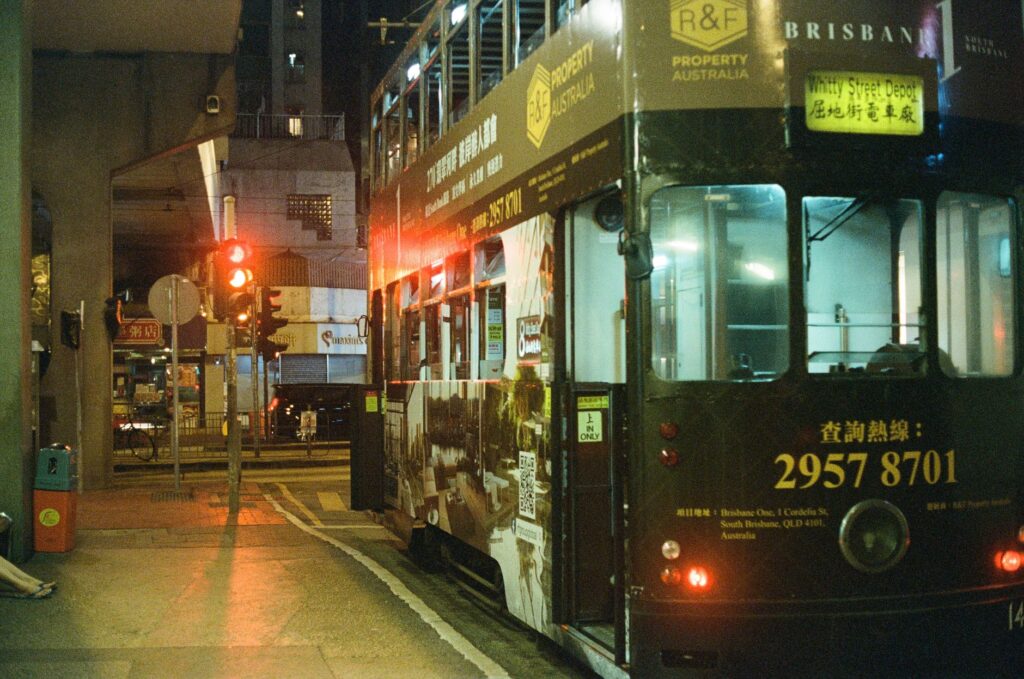
- Internal transport: The Octopus card is essential for using the subway system (MTR), iconic double-decker trams (Ding Dings), Star Ferries, and urban buses in an integrated, cashless manner.
- Accommodation: Offerings concentrate in the districts of Tsim Sha Tsui and Central for those seeking luxury and urban dynamism, while areas like Sheung Wan and Wan Chai offer boutique hotels with greater historic flavor.
- When to go: Autumn and winter months (October to March) offer the most pleasant weather conditions, with moderate temperatures and lower humidity, coinciding with the bulk of the major festival and cultural event season.
- Regional connectivity: To explore the Greater Bay Area, it is advisable to check updated high-speed train schedules at the West Kowloon station and verify visa requirements in advance for travel to mainland China.
The human pulse: between alleyway memory and tomorrow’s promise
Beyond visitor figures, large budgets allocated to the cultural industry, and the futuristic architecture redefining the bay’s silhouette, the most authentic heartbeat of Hong Kong continues to reside in the daily endeavor of its inhabitants. In street markets where kitchen steam mingles with the incessant murmur of passersby, the city demonstrates that its true wealth is not an artificial product designed for tourist consumption, but a form of vital resistance.
When the traveler pauses at sunset by the water on the Tsim Sha Tsui promenade and watches skyscraper lights turn on in an electric symphony, they understand that Hong Kong is not merely a vacation destination, but a living organism perpetually reinventing itself. Its new cultural and events strategy merely provides a structured framework for that innate vocation of wonder, ensuring that those who cross its threshold continue to find, beneath the metallic sheen of modernity, one of the most fascinating and complex souls on the planet.
Source: Summary adapted from Hong Kong’s tourism strategy published by Travel Daily News Asia.