
Contemporary tourism is undergoing a profound metamorphosis where the immediacy of digital screens desperately seeks a grounded connection with physical reality. Against this backdrop, the Mexican state of Jalisco has become the epicenter of a global tourism communication experiment by convening twenty-five of the most influential travel content creators and digital storytellers from across the globe. This initiative does not follow the traditional mold of mass promotional campaigns; rather, it is an expedition curated with surgical precision to untangle the deepest layers of the Jaliscan identity, ranging from agave landscapes declared World Heritage sites to the most secluded corners of its gastronomy and artisanal traditions.
The arrival of this select group of creators raises a fundamental question for twenty-first-century destinations: how to communicate the cultural complexity of a territory without falling into the clichés of the standard tourist postcard. Through an agenda structured to prioritize direct coexistence with local communities, master artisans, and traditional producers, Jalisco seeks to build a coral, multilingual, and decentralized narrative. Far from the prefabricated circuits of large resort complexes, the route mapped out by state tourism authorities proposes a horizontal dialogue between the contemporary traveler and the hands that sustain Mexico’s living heritage.
The genesis of an international creative summit
Conceiving a gathering of this magnitude requires coordinating complex logistics and aligning the expectations of storytellers hailing from latitudes as diverse as Europe, Asia, and North America. Inviting twenty-five travel content creators is not a random figure; it represents the ideal critical mass to generate international ripple effects without overwhelming host communities. Each invited guest was selected under rigorous criteria of narrative quality, capacity for cultural analysis, and a commitment to sustainable tourism.
The planning process behind this summit involved months of interinstitutional work between tourism secretariats, local operators, and cultural heritage experts. The primary objective lies in decentralizing conventional tourist flows, demonstrating that Jalisco possesses an inexhaustible array of experiences far beyond consolidated coastal zones. Authenticity is never manufactured in a design studio; it is cultivated across the territory over generations. This guiding principle steered every decision made during the configuration of the official itinerary.
The landscape as a living document: beyond the agave
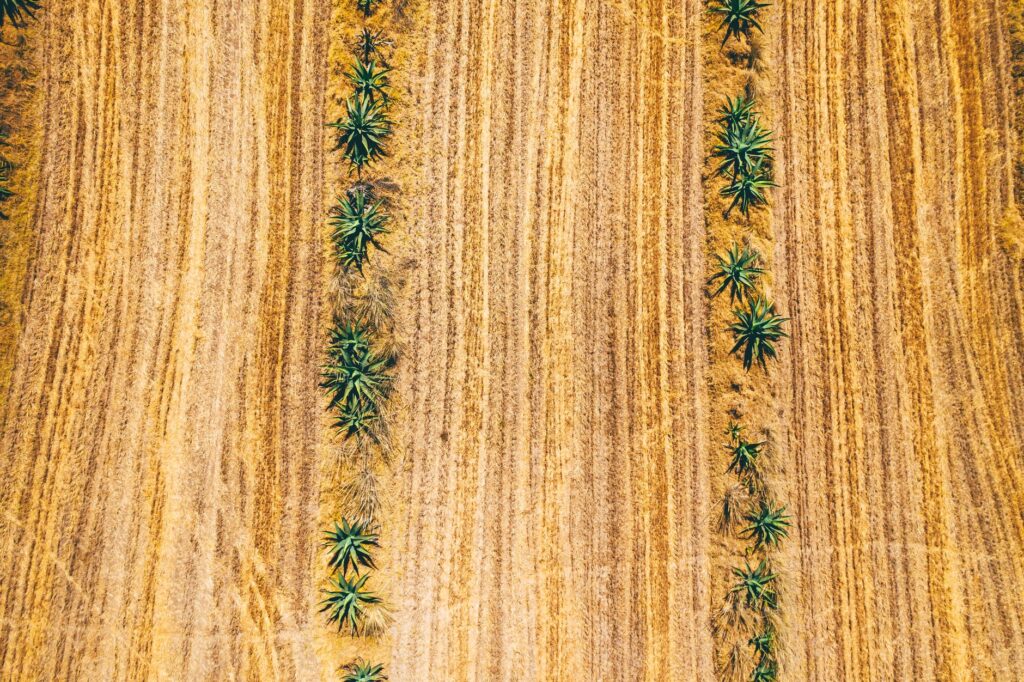
The Jaliscan horizon is dominated by the intense blue of the Weber blue agave fields, a cultural landscape that has captivated the entire world. However, reducing the geography of the state to this emblematic plant would mean ignoring extraordinary biodiversity ranging from the forested peaks of the Sierra Madre Occidental to the warm currents of the Pacific Ocean. For international creators, delving into this territory meant a constant exercise in geographical and climatic contrast.
During the days dedicated to the landscape, the group documented ancestral harvesting processes alongside field laborers who have spent decades reading the signs of the land. Unlike conventional tourist tours, the immersion allowed participants to record ecological nuances and the challenges traditional agriculture faces against climate change and high global demand. The true luxury in modern travel lies in understanding the natural cycles that make our consumption possible.
Architecture, memory, and the pulse of mid-sized cities
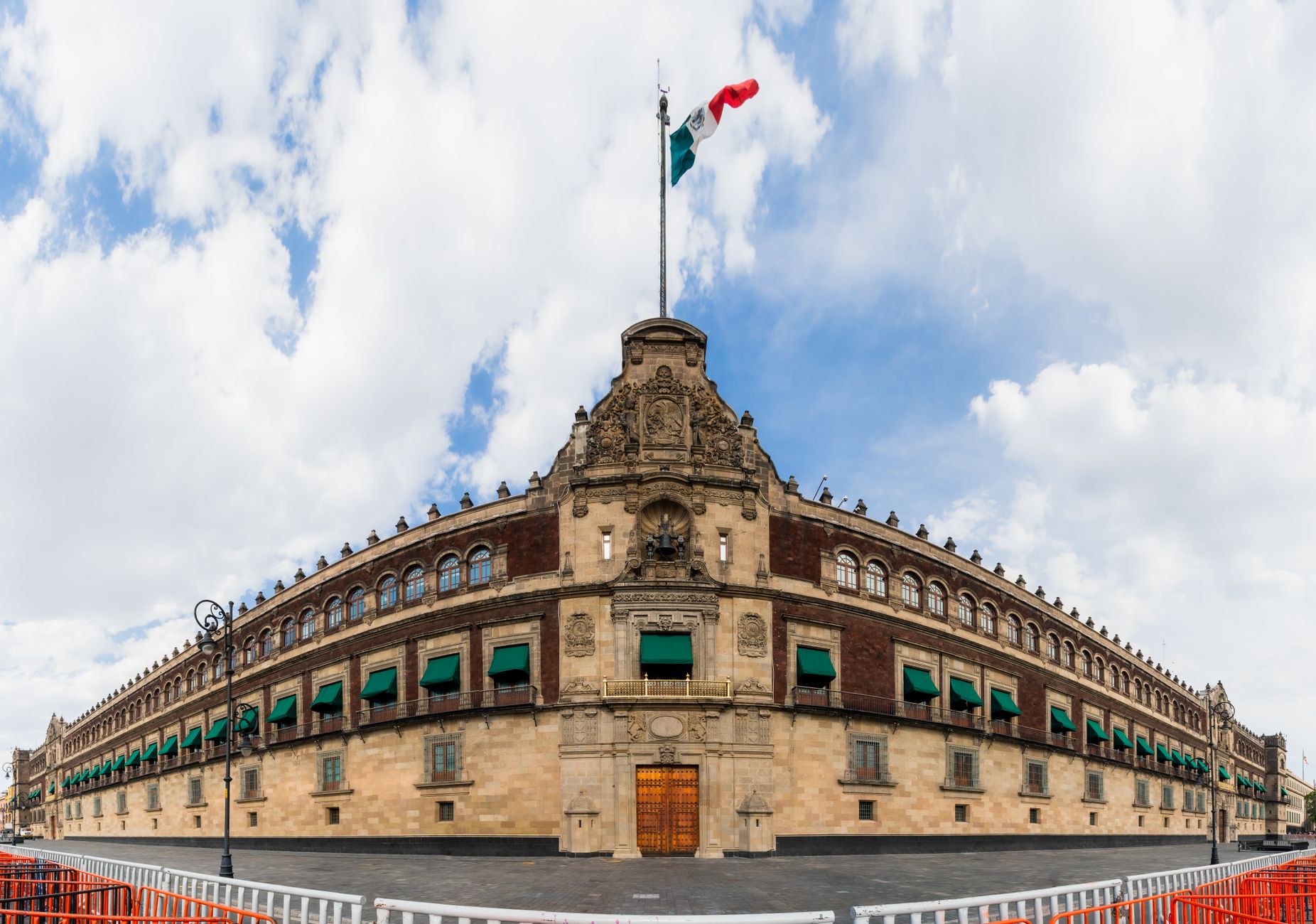
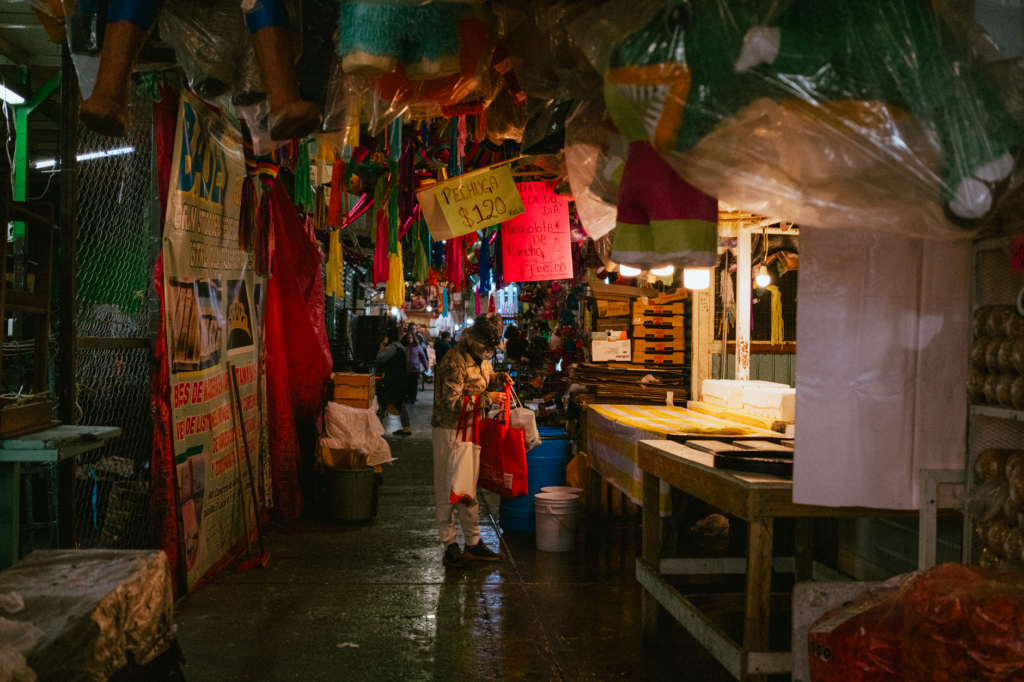
The urban itinerary for the creators deliberately bypassed shopping malls and mass-consumption zones to focus on heritage architecture and the daily life of cities such as Guadalajara and Lagos de Moreno. Here, built heritage engages in a permanent dialogue with contemporary urban interventions, traditional markets, and spaces dedicated to independent artistic experimentation.
Interaction with architects, restorers, and urban chroniclers allowed visitors to understand how Jaliscan cities manage the tension between modernity and historical conservation. They documented the construction secrets of colonial mansions, the masterful use of quarry stone, and the vitality of working-class neighborhoods where the true community life of the state beats. Each historic facade became a document explaining the social transformations of the region.
Flavor, territory, and culinary mastery
Jaliscan gastronomy is a living archive of pre-Hispanic influences and European contributions that have evolved into a cuisine deeply rooted in its territory. During their stay, the twenty-five international creators participated in traditional cooking workshops, where they learned the secrets of nixtamalization, the use of native corn varieties, and the preparation of emblematic dishes beyond birria and torta ahogada.
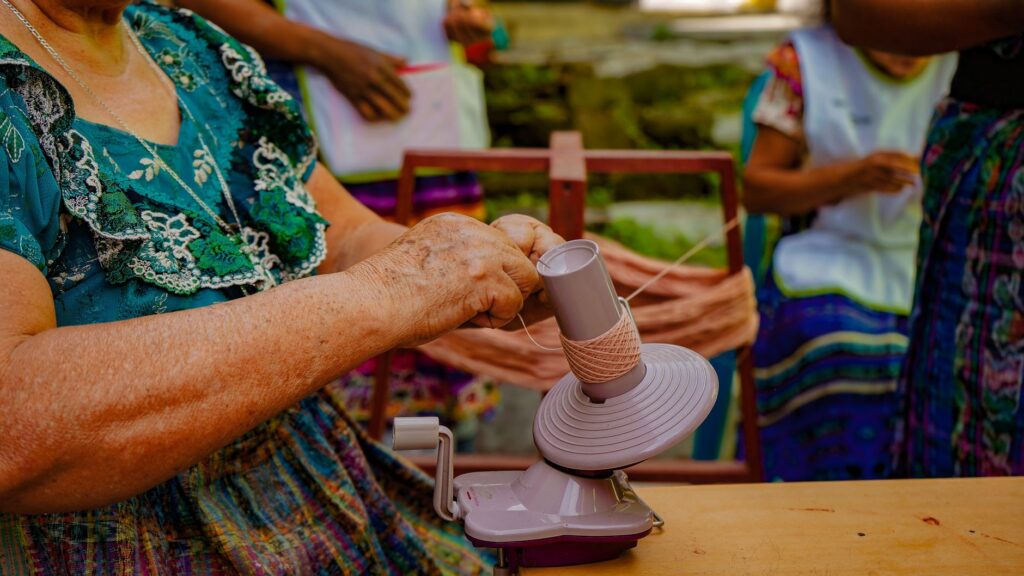
Municipal markets served as open-air classrooms where discussions unfolded regarding food sovereignty, fair trade, and the importance of preserving endemic ingredients. The culinary experience was not limited to tasting, but extended to understanding the complete value chain, from the smallholder farmer in the plot to the central market stove. Cuisine is perhaps the fastest and most honest bridge to connect seemingly distant cultures.
Truly transformative cultural tourism does not seek to entertain the visitor, but to transform them through deep and respectful knowledge of other human realities.
The digital coverage generated by the group has begun to reflect this complexity, moving away from folkloric stereotypes to showcase a sophisticated, diverse cuisine deeply connected to its natural and social environment.
Popular art and the hands that sustain tradition
One of the most revealing moments of the journey occurred in the craft workshops of Tlaquepaque and Tonalá, as well as among Wixárika communities in the northern zone of the state. There, the creators witnessed the infinite patience with which pottery, blown glass, and intricate beadwork are crafted. Beyond recording the aesthetic beauty of the pieces, the journalistic focus centered on the challenges of generational transmission for these trades.
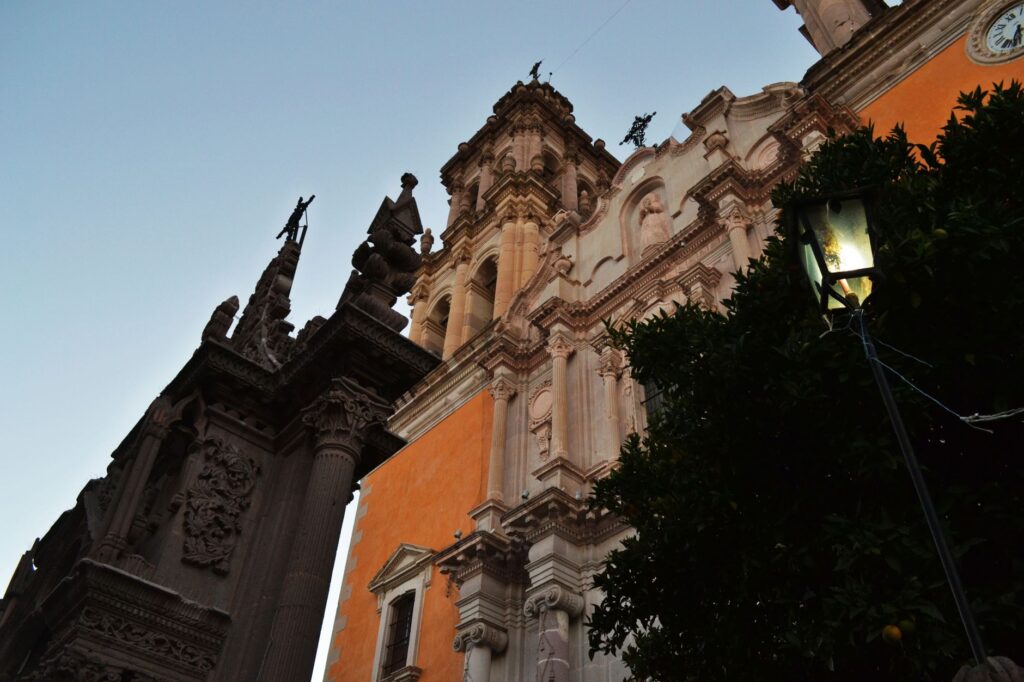
Artisans shared their concerns regarding cultural appropriation and the necessity of valuing manual labor time over mass industrial production. This section of the route allowed creators to reflect on their own role as trendsetters, assuming the ethical responsibility of making fair trade visible and respecting the collective intellectual property of indigenous peoples.
Practical guide
For travelers interested in exploring Jalisco from a cultural, sustainable, and profound perspective similar to that experienced by the international creators, the following essential recommendations are provided:
- Best time to visit: The months from November to May offer optimal weather conditions, featuring clear skies and pleasant temperatures in the central and mountainous zones.
- Responsible mobility: The use of intercity public transportation and the hiring of certified local guides are recommended for accessing rural communities and protected natural areas.
- Gastronomic immersion: Prioritize municipal markets over chain restaurants and always inquire about the origin of local ingredients.
- Artisanal respect: Purchase pieces directly from family workshops and acknowledge the fair value of manual labor without excessive bargaining.
- Community etiquette: Always ask permission before photographing individuals in indigenous or rural communities and respect environmental conservation regulations.
Emotional epilogue: the echo of an enduring territory
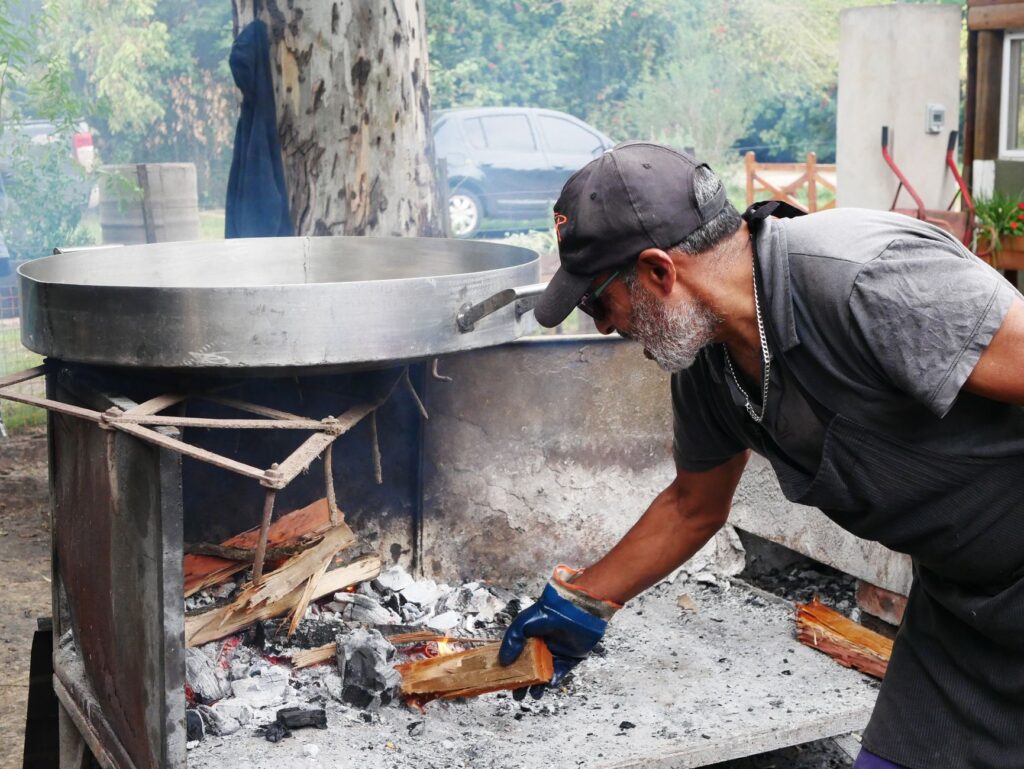
When the buzz of cameras fades and the twenty-five international creators return to their places of origin, what endures is not the volume of content accumulated on memory cards, but the indelible footprint of human encounters. Jalisco reveals itself not as a static destination to be consumed and discarded, but as a constellation of living stories that continue to pulse long after the traveler has departed. In every shared glance with an artisan, in every sunrise over the agave fields, and in every extended after-dinner conversation around the warmth of a traditional stove, the certainty is solidified that travel is, in its most noble sense, an act of profound attention and respect toward the world we inhabit.
The state’s commitment to opening its doors to this constellation of global voices proves that the best tourism promotion is one that trusts the traveler’s intelligence and the truth of its people. At the end of the journey, linguistic boundaries dissolve before the universality of art, hospitality, and shared memory, leaving an open invitation for each new visitor to write their own version of this boundless territory.
Source in EN: Jalisco will receive 25 international travel creators – antenanoticias.com.mx (https://news.google.com/rss/articles/CBMilwFBVV95cUxOZU9JT3kySHNfNVZ1ZXZSRnZ3YmZaSl8xZ1RCOXZvRVI2OFVMdHlyWnE5U2d3Ty05aVp0NEpHVHhCYzA1U29MWjVzRElESDRWUHcwYTU0NlVYQVVGUnFUSFdTQk9xZDV1N2FPNlpYRE1zbUVNQjZadjZYVGFBMjI0ZDhTV01LeXpCOTRBdDNyLVBpQlZQUWk4?oc=5)