
Design as an ecological manifesto in contemporary hospitality
The horizon of hotel design is no longer measured solely in square meters of superficial luxury, but rather calibrated by the invisible footprint each intervention leaves on its environment. The fourth edition of the Hotel & Mantel Awards by Condé Nast Traveler Spain arrives at a moment of maturity for the sector, where aesthetics can no longer be conceived in isolation from ecological ethics. The finalists for the Best Interior Design award not only propose a stimulating visual experience for the traveler, but also demonstrate how interior architecture can act as an active engine for territorial regeneration, energy efficiency, and respect for local artisanal heritage.
This journey through the finalist projects reveals a clear trend: the abandonment of ephemeral decoration and mass imports in favor of zero-kilometer materials, certified woods, organic textiles, and lighting systems that converse seamlessly with natural light. Through this comprehensive analysis, we examine how the most avant-garde architecture and design studios in Spain are rewriting the hospitality manual, proving that sustainability and aesthetic refinement form an indissoluble and deeply transformative alliance.
Heritage recovery as an aesthetic axis
One of the common denominators among this edition’s finalists is the revaluation of historical buildings and degraded rural environments. Instead of opting for demolition and ground-up construction, the selected studios have embraced industrial archaeology and architectural conservation as their creative starting point. This approach not only drastically reduces the carbon emissions associated with new construction, but also endows the spaces with a patina of authenticity impossible to replicate through standardized industrial processes.
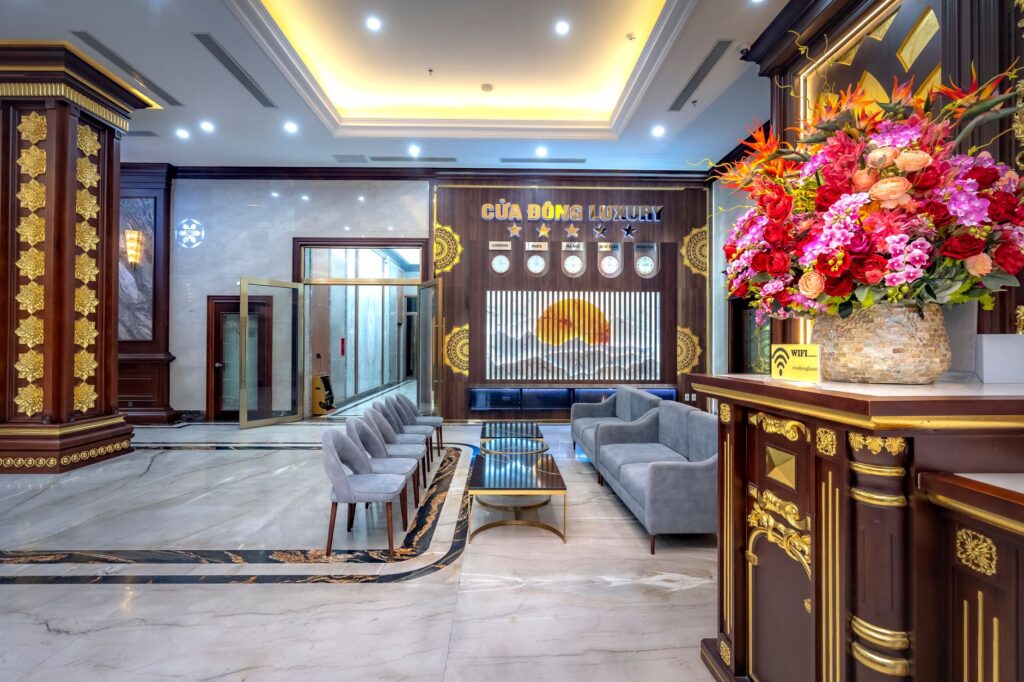
The use of original masonry walls, the recovery of antique hydraulic flooring, and the restoration of fine woodwork are recurrent practices in these proposals. The designers have successfully integrated advanced climate control and thermal insulation technology in an entirely invisible manner, allowing contemporary comfort to coexist in absolute harmony with the historical memory of the properties. Consequently, the guest does not stay in a generic space, but rather inhabits a living architectural narrative rooted in local geography.
True sophistication in current hotel design lies in the ability to tell the story of the place using solely the resources it offers us, without unnecessary artifice or disguise.
Zero-kilometer materials and proximity craftsmanship
The environmental impact of a hotel is largely decided in the phases leading up to its opening. The provenance of materials and furnishings constitutes a decisive factor in evaluating the true sustainability of an interior design project. The finalists of the 2026 Hotel & Mantel Awards have systematically prioritized the hiring of local artisans, ceramists, cabinetmakers, and traditional weavers, integrating their production into the aesthetic DNA of the rooms and common areas.
This strategy not only energizes local economies and avoids the carbon footprint derived from international freight transport, but also grants each establishment a unique and unrepeatable identity. Hand-fired clay pieces, virgin wool tapestries, and wrought-iron structures crafted by local workshops replace serialized decorative elements. The result is a tactile and honest luxury, where visitors can recognize the exact origin of every texture they touch with their hands.
Color palettes inspired by the landscape
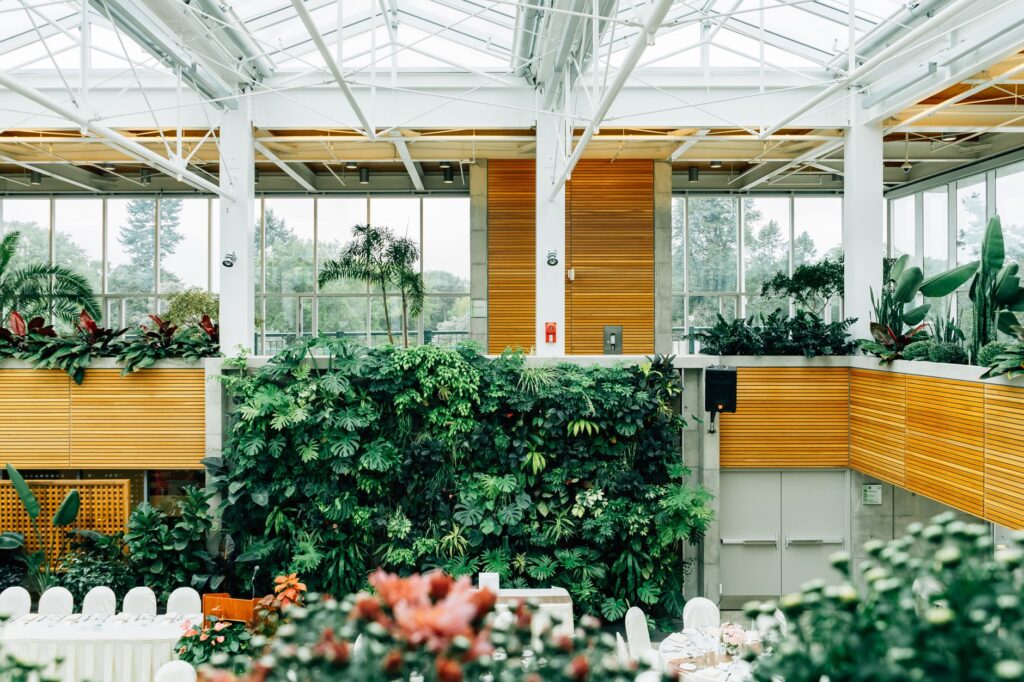
Visual integration with the surrounding natural or urban environment is brilliantly manifested in the use of color and texture. Gaudy chromatic palettes have been displaced by earth tones, sands, olive greens, stone grays, and deep blues that directly reflect the exterior landscape. This visual continuity reduces the traveler’s visual fatigue and fosters a profound sense of calm and disconnection.
Interior bioclimatology and invisible wellness
Comfort no longer depends exclusively on air conditioning running at full blast. The finalist projects have integrated bioclimatic architecture principles into interior design, utilizing wooden louvers for solar radiation control, landscaped interior courtyards that act as natural thermal chimneys, and finishes with breathable mineral paints that passively purify the air, significantly improving interior environmental quality for guests and staff.
Light as raw material and spatial sculpture
In contemporary hotel interior design, lighting has ceased to be a mere functional resource to become the primary narrative tool of the space. The finalists of this edition have demonstrated an exceptional mastery of natural light and its modulation throughout the day, creating atmospheres that evolve at the rhythm of the guests’ circadian cycles. The use of strategically oriented large windows, overhead skylights, and rehabilitated lightwells bathes interior spaces in soft clarity, minimizing dependence on artificial light during daytime hours.
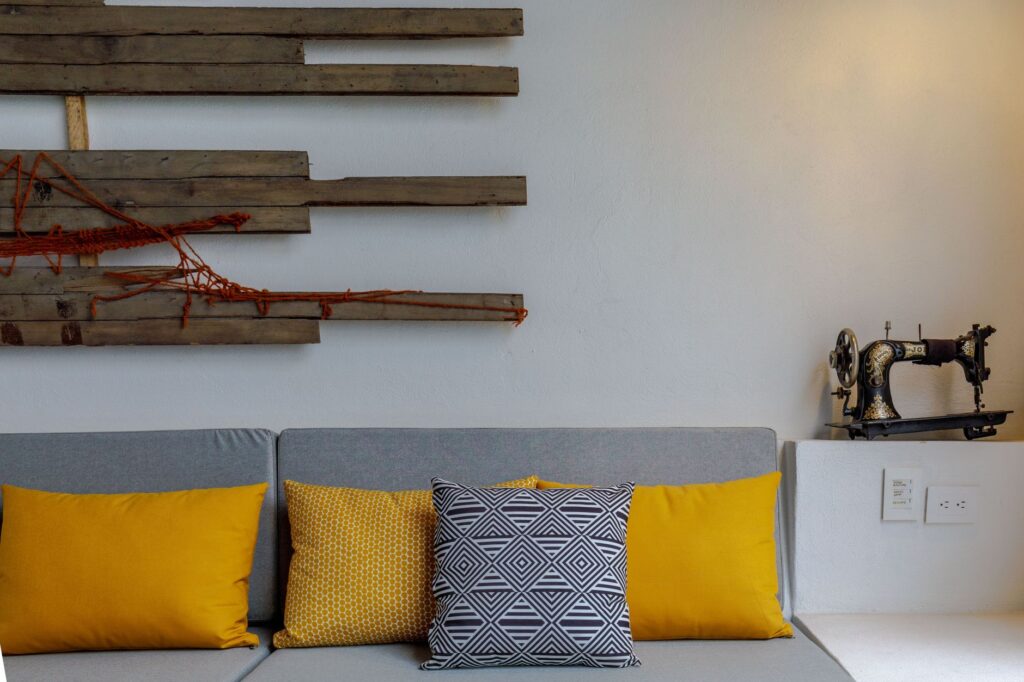
When night falls, the projects embrace low-consumption LED lighting systems subtly integrated into furniture and architecture, avoiding direct and invasive lights. Ambient lamps made from biodegradable or recycled materials, specifically designed by local studios, are prioritized. This warm, focused illumination not only generates an atmosphere of intimate seclusion, but also significantly reduces the overall energy consumption of the establishments.
Innovation in waste reuse and circular economy
Circularity has become the gold standard for the most advanced interior design studios. The projects competing for the award in this edition incorporate decorative and structural elements manufactured from the valorization of local waste. From wall panels composed of spent coffee grounds and plant fibers to bathroom countertops molded with recycled glass sourced from the region’s hospitality industry, creativity is harnessed to drastically reduce waste.
Designing under the parameters of the circular economy implies assuming that every material has an infinite lifespan if conceived from the origin with its future disassembly and recyclability in mind.
This philosophy also extends to modular furniture, specifically designed to allow simple repairs and replacements of individual pieces without the need to discard entire sets. Durability thus stands as the ultimate expression of ecology applied to interior design, combating the planned obsolescence that has historically characterized the contract sector.
The sensory dialogue between interior and exterior
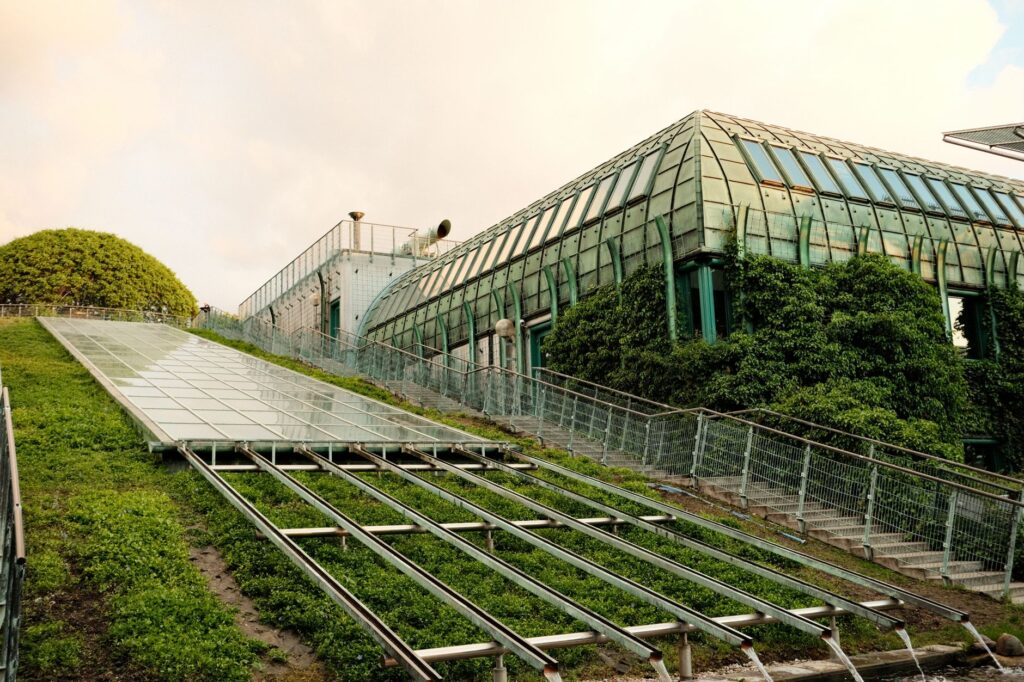
The breaking down of physical barriers between the built space and the surrounding nature is another great aesthetic achievement of the finalists. Through the use of virtually imperceptible floor-to-ceiling glass walls, continuous flooring that flows from the lobby to the exterior gardens, and the introduction of low-water native vegetation inside the atriums, hotels ensure that the landscape becomes the true protagonist of the design experience.
This concept of biophilic design does not respond to a passing trend, but to a solid scientific foundation demonstrating the psychological benefits of visual and physical connection with natural elements in inhabited spaces. Guests experience a measurable reduction in stress levels, favoring deeper and more restorative rest during their stay.
Practical guide
Useful information regarding the 2026 Hotel & Mantel Awards and visits to the finalist spaces:
- Organization: Condé Nast Traveler Spain.
- Analyzed Category: Best Sustainable Interior Design.
- Key Dates: Official announcement of winners scheduled for spring 2026 at an in-person gala in Madrid.
- Jury Evaluation Criteria: Use of proximity materials, passive energy efficiency, heritage recovery, circularity, and guest well-being.
- Access to Spaces: Several finalist hotels are already operational for reservations and stays. Consulting the official Condé Nast Traveler website is recommended for the complete list and visiting conditions of projects in their final opening phase.
The journey toward a new paradigm of conscious hospitality
Contemplating the work of the Best Interior Design finalists in the 2026 Hotel & Mantel Awards offers a glimpse into a future where luxury and ecological responsibility finally walk hand in hand. It is no longer a matter of compensating for impact with superficial measures, but of rethinking every square centimeter from the root, respecting the territory, honoring artisanal knowledge, and prioritizing the integral well-being of those who temporarily inhabit these spaces. This new aesthetic canon demonstrates that true beauty in hotel design is born from coherence, material honesty, and profound respect for the environment that welcomes us.
Source in English: Condé Nast Traveler Spain (https://www.traveler.es/galerias/premios-hotel-y-mantel-2026-los-finalistas-los-proyectos-de-mejor-interiorismo).