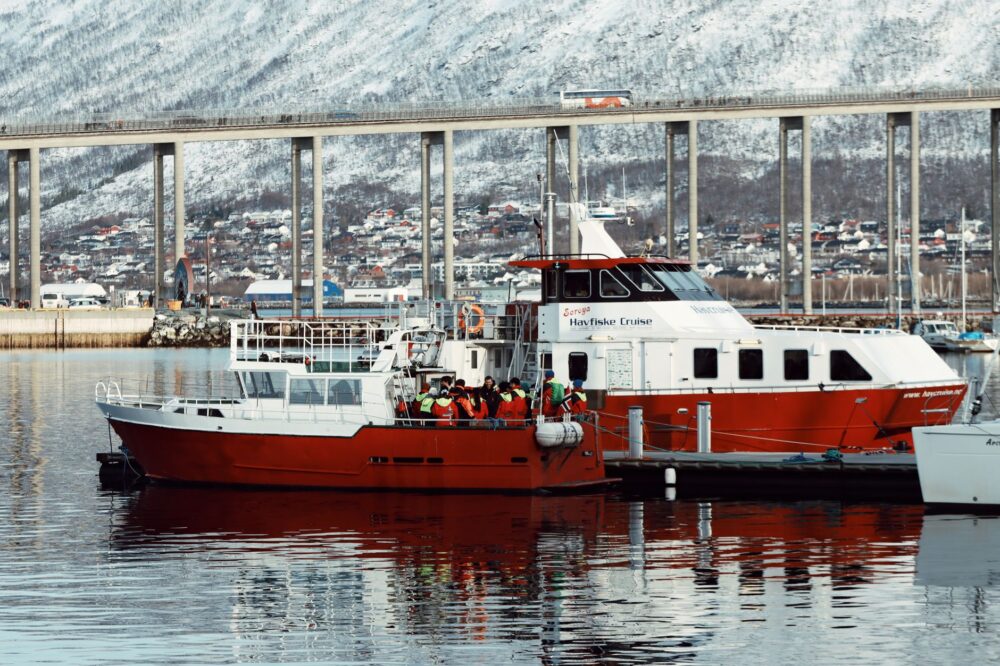
The Geography Silenced by Water and Time
On the westernmost edge of the island of Ireland, where the European continent yields its final breath against the vastness of the Atlantic Ocean, lies the territory of Connemara. This landscape of endless horizons, defined by grey quartzite mountains and vast expanses of ancient peatlands, has historically been shaped and constrained by its own topography. The spongy soil, saturated with water for most of the year, has represented both a sanctuary for a unique European biodiversity and a formidable obstacle for human connectivity. For generations, travel between small coastal settlements and interior valleys depended on winding roads that fragmented delicate wetland ecosystems, accelerating erosion and altering the region’s natural hydrological flows.
Today, however, this untamed corner is the setting for a quiet yet radical transformation. Far from succumbing to the pressures of conventional modernization, local communities, environmental scientists, and County Galway transport authorities have set in motion a pioneering model. The fundamental premise of this initiative is as simple as it is demanding: to redefine regional mobility without disrupting the complex ecological architecture of the bogs. Through the progressive replacement of combustion vehicles with fleets of low-wake electric river craft and the construction of elevated infrastructures that respect natural drainage, Connemara is demonstrating that geographical isolation should not be fought with asphalt, but with respectful environmental integration.
The transition toward this new paradigm stems not from bureaucratic imposition, but from an urgent imperative for climate adaptation. Peatlands are not merely picturesque landscapes; they act as invaluable carbon sinks, capable of storing more carbon dioxide than all the forests on the planet combined. However, when these formations are crossed by conventional roads or suffer from inadequate drainage, they dry out, degrade, and release tons of greenhouse gases into the atmosphere. Aware of this vulnerability, transport engineers and local ecologists joined forces to design a mobility network that prioritizes soil health over travel speed, turning every journey into a living lesson in active conservation.
The Fluvial Pulse: Electric Barges on Ancestral Canals
The backbone of this new transport strategy relies on a network of canals and waterways that during the nineteenth century served for the transport of peat and light goods, and subsequently fell into oblivion. The restoration of these navigable routes has diverted a significant portion of passenger and heavy cargo traffic away from the secondary road network, drastically reducing the region’s carbon footprint. The new vessels navigating these calm waters are powered exclusively by high-capacity battery electric motors recharged through local wind farms and low-visual-impact solar arrays.
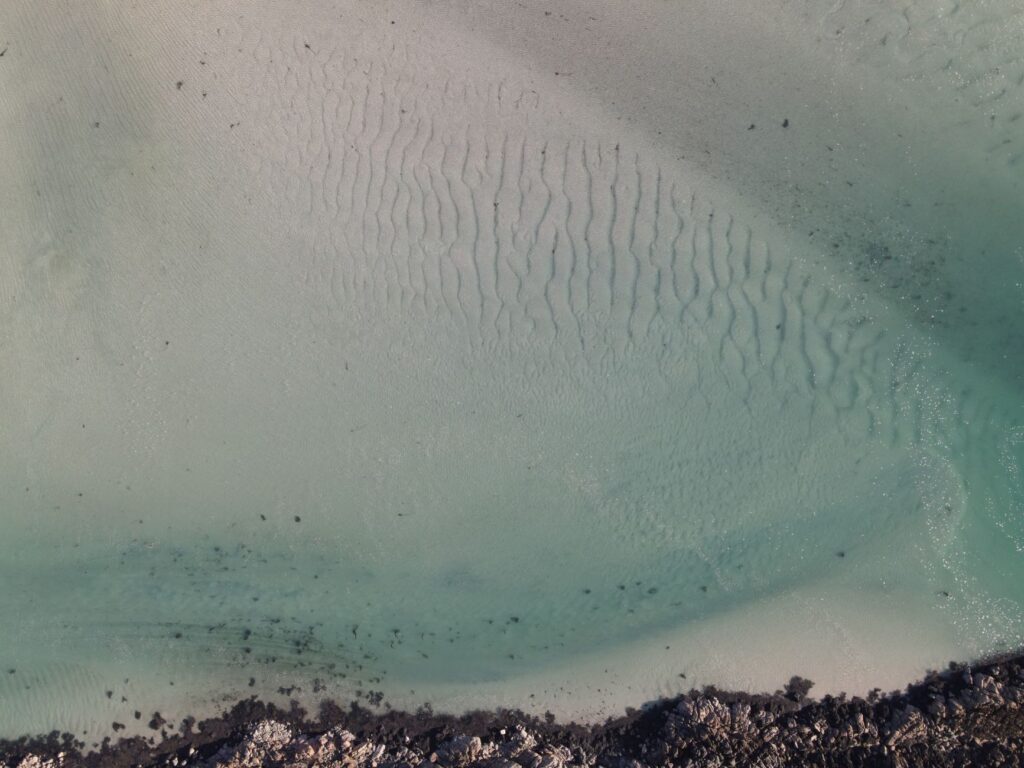
These craft have been specifically designed to minimize wake and prevent any disruption to fragile riverbanks. Unlike traditional motorboats, which generate waves capable of destabilizing peat slopes and eroding nesting bird habitats, the hulls of these vessels utilize advanced hydrodynamic technology. The result is a smooth, silent displacement that is respectful of native fauna, allowing species such as the Teal or the European Otter to share the waterway with passengers without experiencing acoustic or physical stress. The river journeys not only connect previously isolated villages but also restore a slow-paced form of travel, where time reclaims its human dimension.
The operational management of this fleet adheres to strict criteria of circular economy and predictive maintenance. Loading docks and floating jetties have been constructed using certified local timber and modular materials that do not require reinforced concrete foundations, thus avoiding the waterproofing of the surrounding terrain. Furthermore, riverside communities actively participate in the supervision of the channels, operating historical locks through manual mechanisms assisted by sustainable hydraulic energy. This community-based approach ensures that the economic benefits derived from tourism and local transport operations remain within the territory, strengthening the social fabric against the risks of rural depopulation.
Lightweight Engineering: Floating Boardwalks and Footprint-Free Connectivity
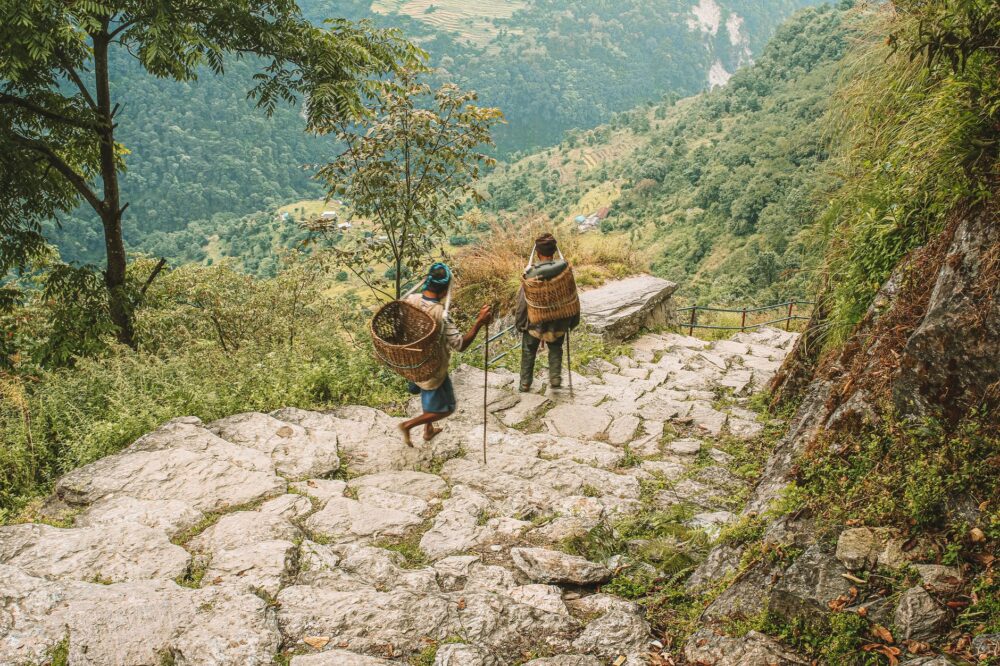
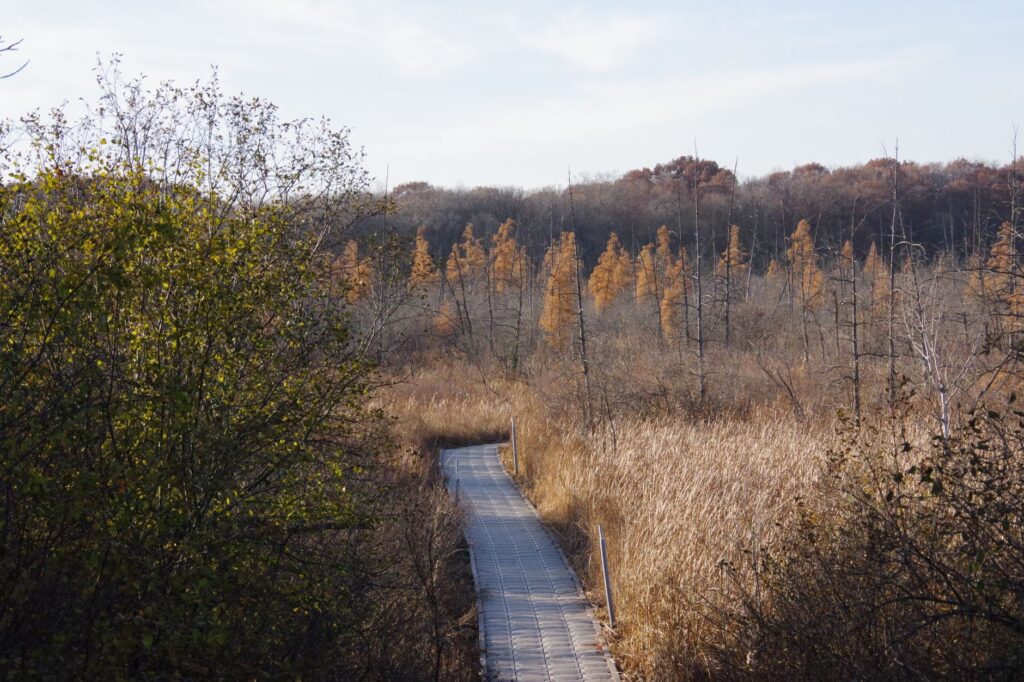
Complementing the river network, the terrestrial transport system has undergone an equally ambitious metamorphosis. Ancient pedestrian paths and bridleways used by local shepherds have been recovered and transformed into active mobility corridors through the use of floating boardwalks and elevated structures on recycled stainless steel piles. These walkways allow walkers, cyclists, and users of personal mobility devices to cross marshy expanses without physically touching the vegetative substrate, preserving the upper layer of Sphagnum moss intact and allowing water to circulate freely underneath without interruption.
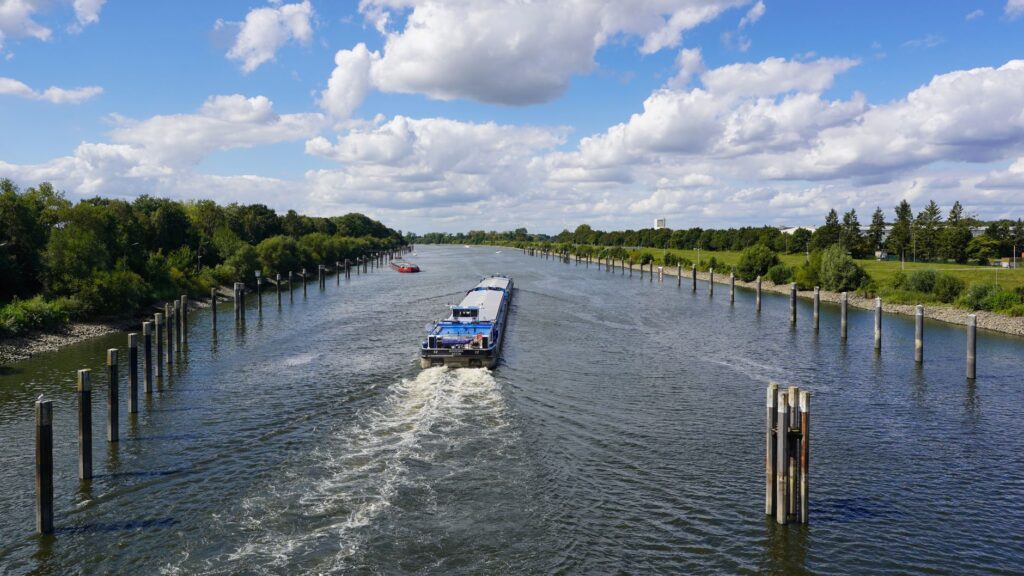
The planning of these infrastructures required meticulous cartographic work and micro-scale environmental impact studies. Using airborne laser scanning technology, technicians identified the most fragile points of the terrain to design adaptive walkways capable of supporting seasonal variations in the water table without destabilizing. This technical rigor contrasts sharply with the traditional construction practices of the past century, demonstrating that civil engineering can be subordinated to the dictates of ecology. Users traversing these routes have access to low-power digital information units that explain the importance of wetland conservation in real-time.
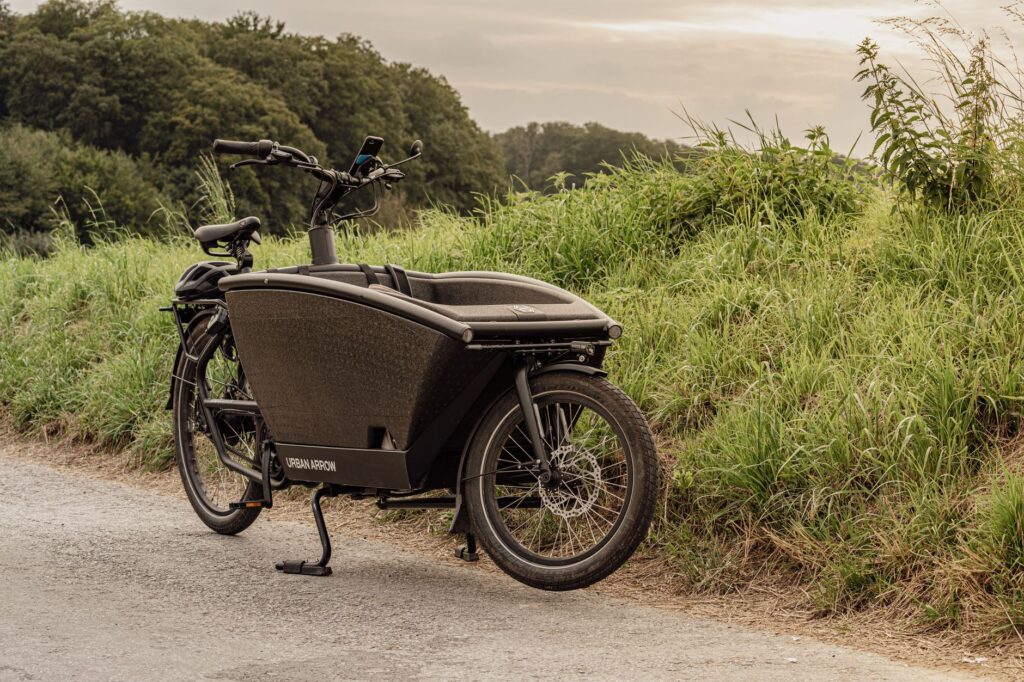
The integration of the electric bicycle into these elevated corridors has revolutionized the daily commutes of residents. Decentralized solar charging stations, located at strategic crossroads, allow local inhabitants to cover distances that previously required the exclusive use of the automobile. This enhanced accessibility has driven an economic revitalization of small local businesses, as visitors and hikers can access regional artisan markets and cultural centers without congesting narrow rural roads or generating parking problems in fragile natural environments.
True sustainable connectivity is not measured by the speed with which distances are shortened, but by the capacity of journeys to preserve the integrity of the territory being crossed.
Hydrological Restoration as Transport Infrastructure
One of the most innovative aspects of the Connemara model is the integration of hydrological restoration as an inseparable part of transport infrastructure. Traditionally, road engineers have strived to drain water away from roads to prevent deterioration. In this Atlantic territory, the philosophy has been completely inverted: retaining water in the bogs is the best guarantee to stabilize the foundations of mobility corridors and, at the same time, combat climate change. Through the construction of small peat and timber retention dams in ancient artificial drainage channels, the water table of the surrounding wetlands has been successfully raised.
This elevation of the water level not only revitalizes degraded ecosystems and curbs carbon emissions, but also creates a natural hydrological cushion that buffers sudden surges caused by intense Atlantic precipitation. River routes and elevated floating paths benefit directly from this stability, as the risks of flooding and slope failure are drastically reduced. Thus, investment in environmental restoration ceases to be a compensatory expense and becomes the structural core upon which the safety and economic viability of the entire regional transport system rest.
Scientific monitoring of this restoration is carried out using solar-powered telemetry sensors that constantly measure soil moisture, water level, and gas emissions. The collected data is integrated into a publicly accessible platform that allows European universities and research centers to study peat vulnerability and resilience against global warming. This informational transparency has made Connemara an international benchmark for territorial management, attracting delegations of engineers and urban planners from around the world interested in replicating this model of symbiosis between mobility and conservation.
Local Economy and Community Governance
The success of the transformation in Connemara lies in its decentralized governance. Decisions regarding river navigation routes, the placement of boardwalks, and the schedules of electric transport services are not dictated from distant ministerial offices, but through working tables involving fishermen cooperatives, local farmers, tourism operators, and scientists. This co-management model ensures that any intervention in the territory responds to the real needs of those who inhabit the region year-round, avoiding the imbalances associated with uncontrolled mass tourism.
Local cooperatives directly manage the barge fleet and charging points, reinvesting the revenues obtained into the improvement of community infrastructure and environmental education programs for regional schools. Likewise, economic incentives have been established for landowners adjacent to the paths who facilitate the passage of ecological corridors or participate in the maintenance work of the water channels. This alliance between the public sector, social economy private initiatives, and citizenship consolidates a virtuous circle of sustainable development that generates stable employment and drastically reduces dependence on tourist seasonality.
The provision of complementary services, such as traditional craft workshops, specialized botanical guides, and gastronomic routes based on local products, is structured around the main transport nodes of the network. In this way, the traveler using the soft mobility system integrates naturally into the daily life of the community, experiencing the territory with profound respect for its rhythms and traditions. The local economy is thus strengthened on solid foundations, demonstrating that environmental conservation is not a brake on progress, but its most reliable motor.
Practical guide
How to get there: Access to the Connemara region is primarily through Shannon Airport or Dublin Airport, continuing the journey by train to Galway and from there connecting with the regional low-emission bus network or via the new multimodal transport services.
When to visit: Spring and early autumn months (May to June and September to October) offer stable weather conditions, fewer visitors, and optimal river flow for the operation of electric vessels.
Local mobility: Private vehicle access to protected peatland trails is strictly prohibited. Utilize the network of electric river barges and rent assisted bicycles at visitor centers in Clifden or Letterfrack.

Accommodation: Overnight stays are recommended in small rural establishments certified with Ireland’s sustainable tourism label, operating entirely on renewable energy and promoting local produce.
Recommended gear: High-breathability waterproof clothing, appropriate footwear for wet terrain that is non-intrusive to elevated boardwalks, and offline navigation systems for walking or cycling routes.
Final Reflection on the Atlantic Horizon
Looking out toward the horizon from the cliffs and peatlands of Connemara invites a rethinking of our relationship with natural space and mobility. The experience accumulated in this western corner demonstrates that it is possible to travel through the most delicate landscapes on the planet without leaving deep scars on their surface. When human engineering learns to listen to the murmur of water and the silent pulse of the earth, travel ceases to be a mere confrontation against distances and becomes an elevated form of mutual understanding and respect.
The future of conservation and regional transport does not lie in the technocratic conquest of nature, but in the capacity to weave discreet and lasting alliances with the environment. Connemara offers the comforting certainty that another way of inhabiting the world is possible: a path where every silent barge and every boardwalk suspended over the moss trace the profile of a civilization capable of advancing without destroying what sustains it.