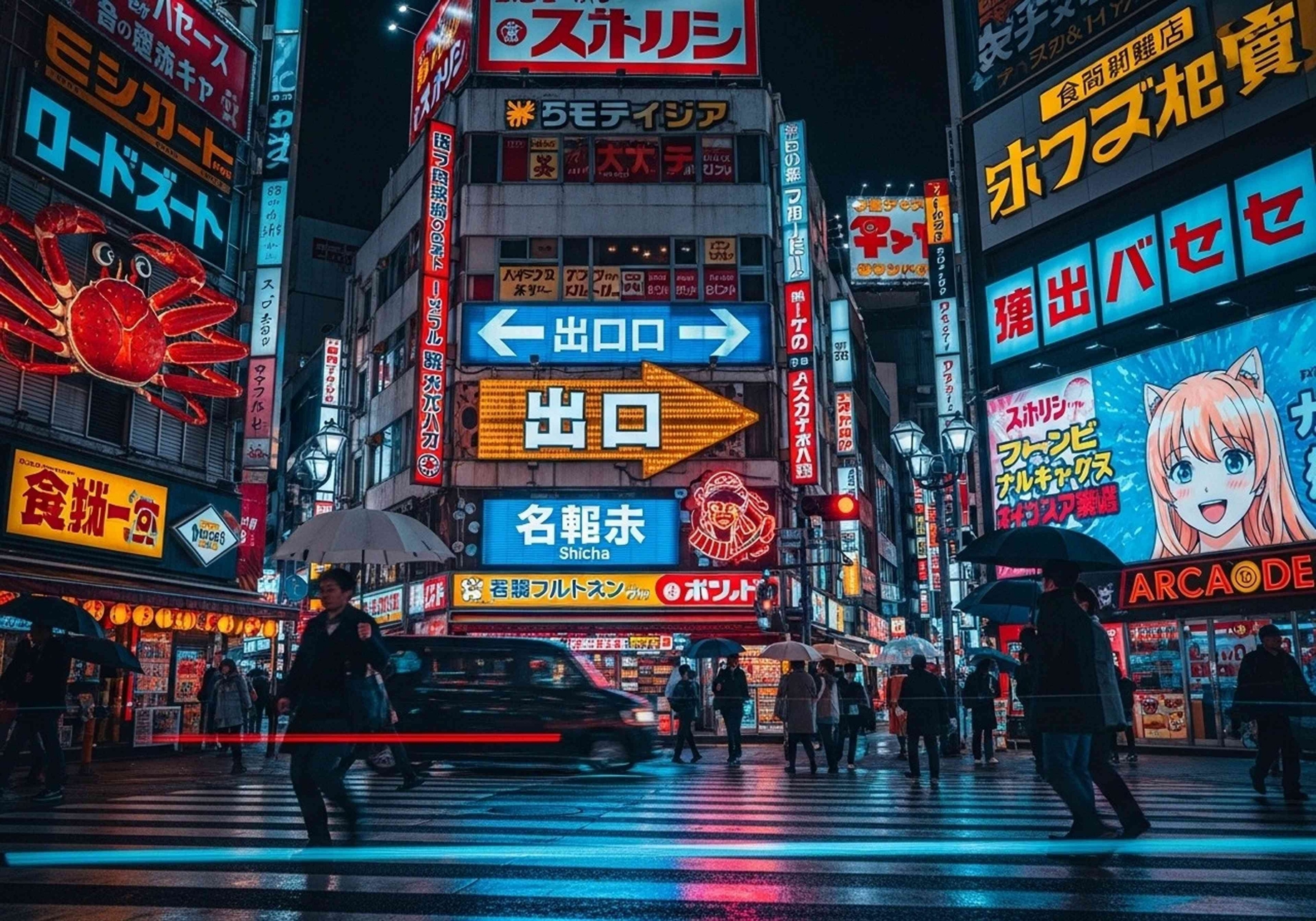

Introduction to the Japanese archipelago and its economic reality
Traveling to the other side of the world is often perceived as a titanic financial project, an endeavor reserved for consolidated fortunes or a decade’s worth of savings. However, when examining with a magnifying glass the real cost of crossing the Pacific and stepping into the daily life of Japan, the perspective transforms radically. According to data shared by traveler and content creator Alan x المundov (Alan x el Mundo), as of September 2026, the exchange rate places the Mexican peso against the yen at an approximate proportion of one peso for every 9.14 Japanese yen. This figure is not merely a cold number on a currency exchange screen; it is the initial compass that allows any Latin American traveler to gauge the actual purchasing power they will have upon setting foot on Asian soil.
The Japanese archipelago has ceased to be that unattainable territory of the post-war economic era to become a highly competitive destination, especially following recent currency fluctuations that favor currencies from emerging economies. Nevertheless, rigorous planning remains the difference between a memorable journey and a financial nightmare. In this report, we will examine each of the essential items required to calculate the cost of such a journey, demystifying incidental expenses, evaluating mobility options, and understanding that the budget is composed not only of airline tickets and hotels, but of conscious choices that separate overspending from intelligent enjoyment.
The transpacific flight: the primary investment of the journey
The first major financial hurdle for any traveler departing from Latin America is undoubtedly air transportation. Crossing the Pacific Ocean involves hours of flight time and complex connections that directly impact the final fare. The most common routes from Mexico City typically include layovers in U.S. cities such as Houston, Los Angeles, or Dallas, or flying directly to the West Coast of the United States or Canada before catching the transoceanic leg to Tokyo, either through Narita or Haneda airports.
Anticipation in purchasing tickets is the single most relevant determining factor in containing this initial expense. Securing passages six to nine months in advance can reduce the invoice by up to forty percent compared to last-minute purchases. Likewise, flexibility in departure dates—avoiding the peak cherry blossom season in spring or autumn festivities—grants access to considerably friendlier fares for the wallet.
Accommodation in Japan: between tradition and functionality
The Japanese hotel market is as diverse as its culture, offering everything from millennium-old hospitality experiences to minimalist housing solutions designed to optimize space and budget. Understanding this offering is fundamental to avoiding unpleasant surprises when settling the bill.
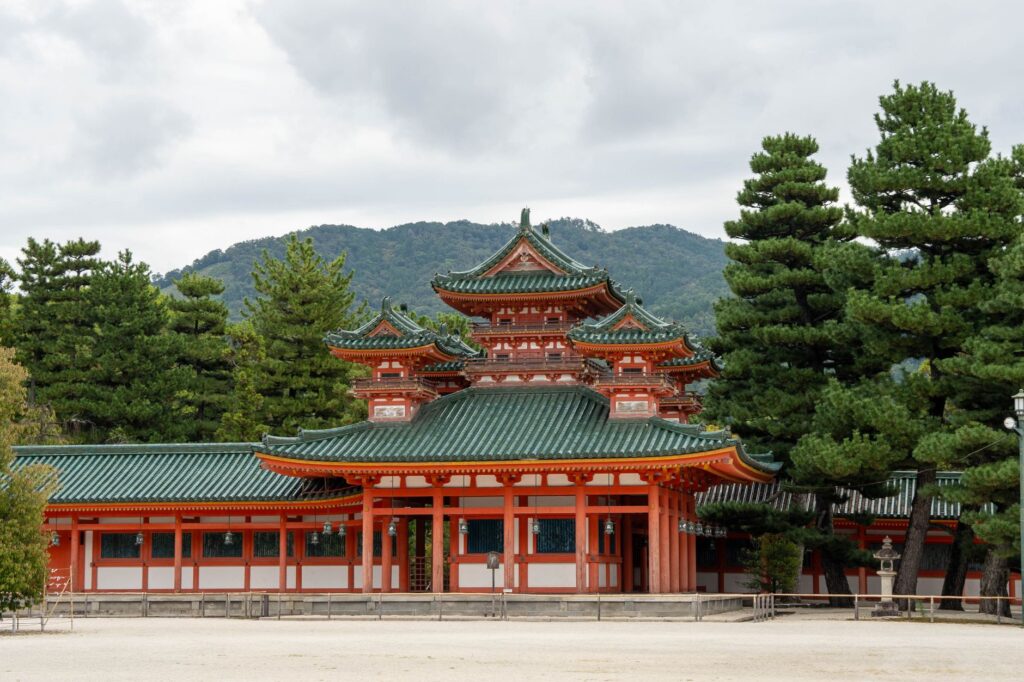
On one hand, there are traditional ryokans, where travelers sleep on rice-straw tatamis, use futons, and enjoy thermal baths or onsens. These lodgings often include multi-course dinners and breakfasts (kaiseki meals), significantly raising the cost and turning them into a cultural luxury well worth experiencing for at least one night. On the other hand, major cities like Tokyo, Kyoto, or Osaka are filled with international chain hotels, modern hostels, and the famous capsule hotels, designed for short stays where travelers seek only a clean, quiet place to rest.
For those traveling in couples or small groups, renting apartments through digital platforms or choosing local business hotels represents an excellent price-quality ratio. These options usually dispense with unnecessary luxuries while guaranteeing a strategic location near urban train lines.
Internal mobility: mastering the railway system
Public transportation in Japan is globally renowned for its surgical punctuality, spotless cleanliness, and unmatched efficiency. However, moving around the country can represent a significant portion of the budget if an adequate mobility strategy is not designed.
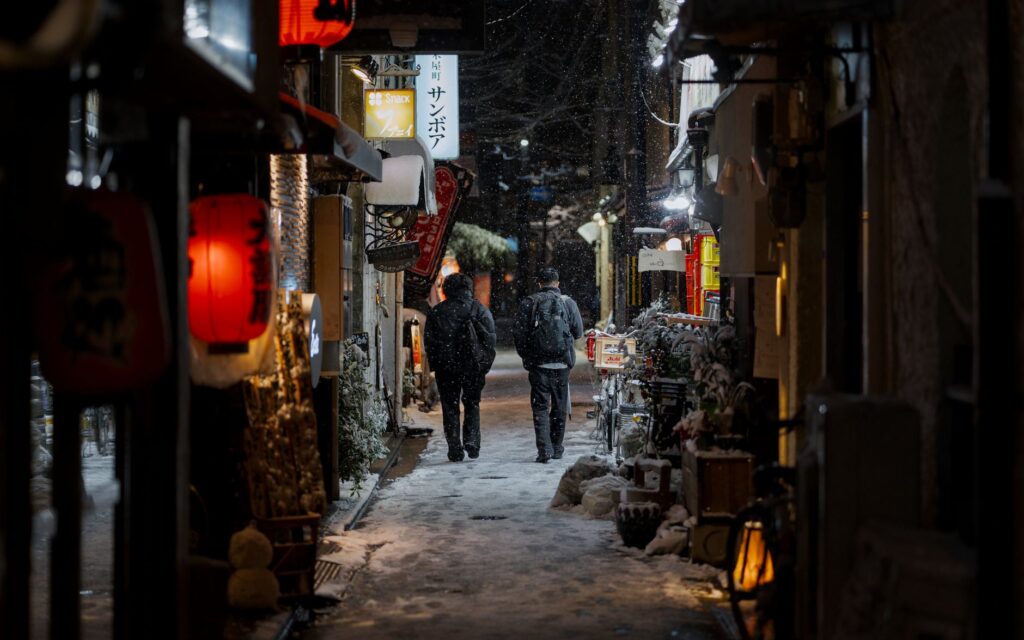
The bullet train or Shinkansen is the backbone of modern tourism in Japan, connecting major islands and cities at speeds exceeding three hundred kilometers per hour.
Previously, the unlimited national rail pass was the undisputed recommendation for any tourist. Following adjustments to its fares, today it is indispensable to perform specific calculations for each itinerary. In many cases, purchasing individual tickets per journey or utilizing regional passes proves much more economical than acquiring the full national pass. Added to this is the indispensable use of rechargeable transit cards such as Suica or Pasmo, which facilitate not only subway and urban bus fares but also small purchases at convenience stores.
Nippon gastronomy: the pleasure of eating well without straining the budget
One of Japan’s greatest attractions is undoubtedly its cuisine. Far from the myth that eating in Tokyo is prohibitive, the culinary reality of the country offers alternatives for all budgets without sacrificing quality or flavor.
It is perfectly possible to breakfast, lunch, and dine exceptionally well while spending very little by avoiding high-end tourist restaurants. Local fast-food chains, traditional markets, and convenience stores—such as 7-Eleven, Lawson, or FamilyMart—offer a surprising variety of fresh food, from onigiris and egg sandwiches to perfectly balanced bentos. Similarly, restaurants specializing in ramen, gyozas, or rice bowls (donburi) operate via ticket vending machines, ensuring speed and accessible prices.
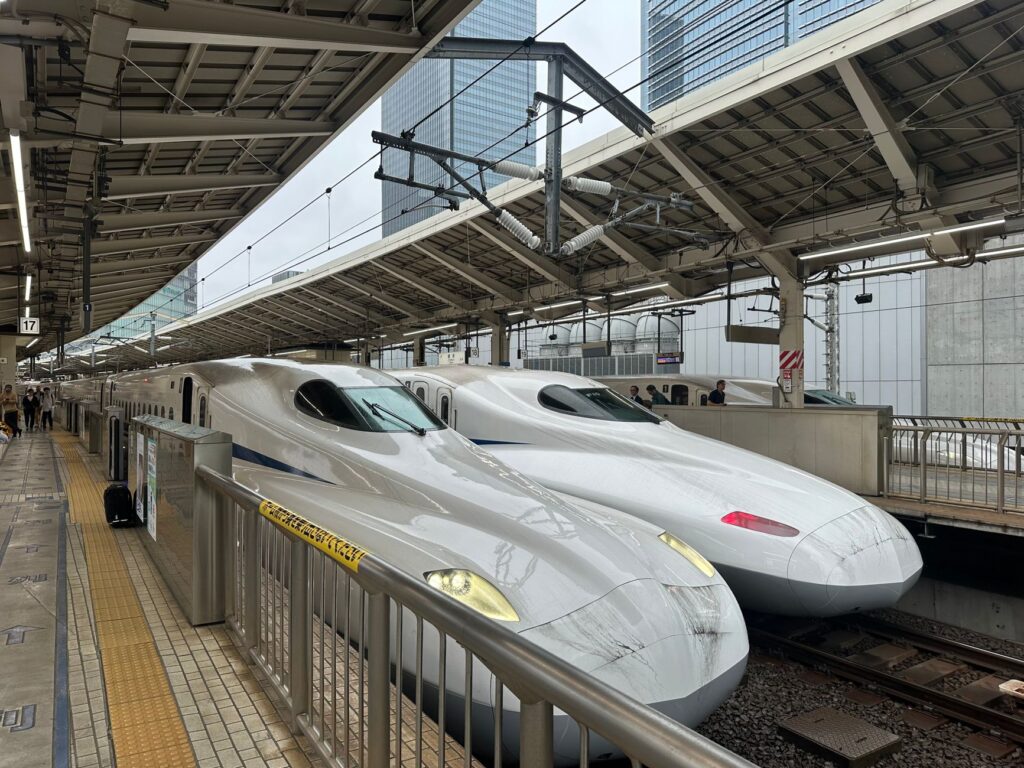
For those seeking more elaborate gastronomic experiences, lunches at sushi or wagyu beef restaurants often offer set menus at a fraction of the dinner cost, allowing travelers to enjoy high Japanese cuisine intelligently.
Complementary expenses and cultural activities
A complete journey is not limited to sleeping and eating; it also involves accessing temples, museums, viewpoints, and urban experiences that enrich the traveler’s perspective. While many Shinto shrines and Buddhist temples are free to enter, those of greater historical relevance usually charge symbolic admission fees.
To these headings must be added the costs of connectivity, whether through renting a portable Wi-Fi device (pocket wifi) or acquiring an eSIM card with unlimited mobile data, essential tools for urban navigation. Likewise, it is prudent to allocate a fund for contingencies and souvenir shopping, a section where temptation runs high due to the careful aesthetic of local products.
Practical guide
- Local currency: The Japanese yen (JPY). It is advisable to carry some cash, as many small establishments and temples do not accept foreign credit or debit cards.
- Reference exchange rate: Approximately 9.14 yen per Mexican peso, according to data from September 2026.
- Best time to visit: Autumn months (September to November) and periods following the cherry blossom season offer pleasant weather and lower tourist congestion.
- Connectivity: Purchasing an eSIM before traveling or renting a pocket wifi at the airport upon arrival ensures constant access to digital maps and translators.
- Transportation etiquette: Talking on a cell phone inside train and subway cars is strictly prohibited; keep the volume low and devices on silent mode.
- Tipping: Tipping culture does not exist in Japan; in fact, it can be considered impolite or cause confusion among service staff.
- Travel insurance: It is indispensable to have an international medical expense policy, as medical care for foreigners in Japan can become extremely expensive.
Final reflection on the cost of travel dreams
Planning a journey to Japan goes far beyond summing up numbers on a spreadsheet or calculating currency conversion rates. It is an exercise in introspection regarding what kind of traveler one wishes to be and which experiences truly justify a financial investment. At the end of the road, every yen invested in this eastern territory is returned multiplied in the form of learnings, indelible visual contrasts, and a profound understanding of a culture that skillfully balances overflowing modernity and millennial tradition. With a clear financial strategy and feet firmly planted on the ground, the distant East ceases to be an unattainable chimera and becomes an indelible memory.
Source in EN: Alan x el Mundo (https://alanxelmundo.com/cuanto-cuesta-vale-a-japon)