
Extreme Geography as the Engine of a New Mobility Paradigm
In the Peruvian highlands, where the Andes mountain range carves out a horizon of snow-capped peaks and endless plateaus, the Salinas and Aguada Blanca National Reserve stands as a sanctuary of biodiversity and a territory of severe climatic contrasts. At over four thousand meters above sea level, connectivity among dispersed settlements has historically relied on internal combustion vehicles that suffer the ravages of oxygen scarcity and erode a fragile ecosystem dominated by bofedales wetlands, giant yareta cushions, and populations of South American camelids. Today, this demanding geographic setting has become the testing ground for a radical transformation in regional transport, where low-emission engineering engages in direct dialogue with the ancestral knowledge of Quechua and Arequipean communities.
The central thesis of this metamorphosis is that true transport sustainability in extreme territories is not achieved through external technological imposition, but through the subtle integration of altitude-adapted electrification and the recovery of ancient drovers’ routes. Confronting mass tourism and logistics models that prioritize speed at any cost, the Salinas and Aguada Blanca National Reserve demonstrates that planned slowness, the use of photovoltaic solar energy at high altitudes, and community governance of transit routes are the only tools capable of preserving ecological balance without isolating inhabitants from socioeconomic development.
The Energy Transition on the Roof of the World
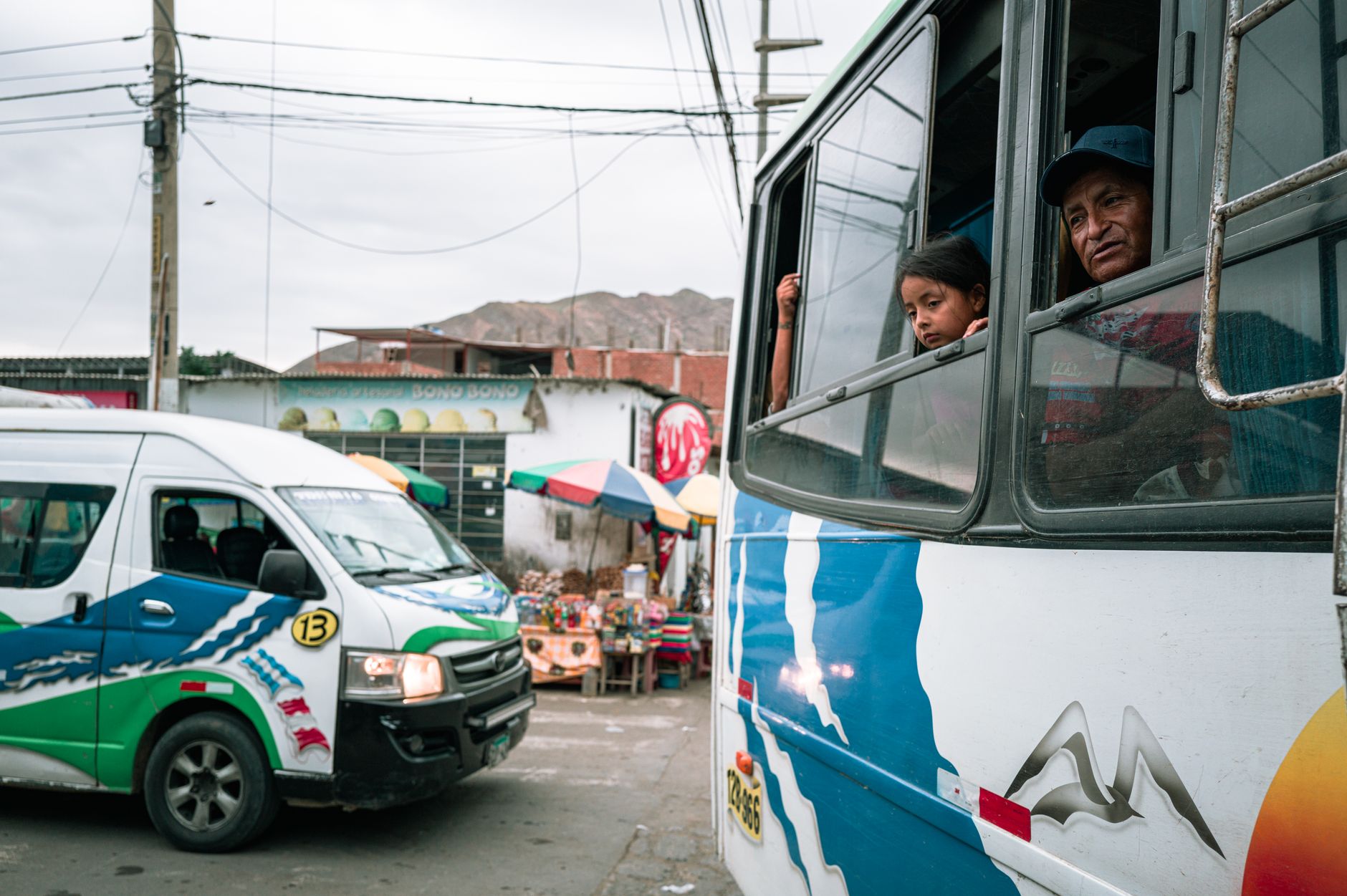
Adapting electric mobility technology to altitudes exceeding four thousand meters represents an unprecedented technical challenge. Low atmospheric pressure, extreme day-to-night temperature fluctuations, and intense solar radiation test the durability of lithium batteries and electric propulsion systems. However, a consortium formed by local engineers, universities in southern Peru, and transport cooperatives has successfully designed prototypes of hybrid minibuses and zero-emission all-terrain vehicles optimized to operate with peak efficiency in lower-oxygen atmospheres.
These vehicles not only drastically reduce the carbon footprint in a habitat where every particle of soot disrupts the delicate balance of glaciers and wetlands, but they also eliminate the acoustic pollution that once altered the reproductive habits of iconic species such as vicuñas, Chilean flamingos, and Andean foxes. The energy powering this fleet comes from solar microgrids installed at strategic points across the reserve, harnessing one of the highest solar radiation rates on the planet to guarantee autonomous daily and tourist travel without relying on fossil fuels hauled up from the coast.
The Rebirth of Bridle Paths and Soft Intermodality
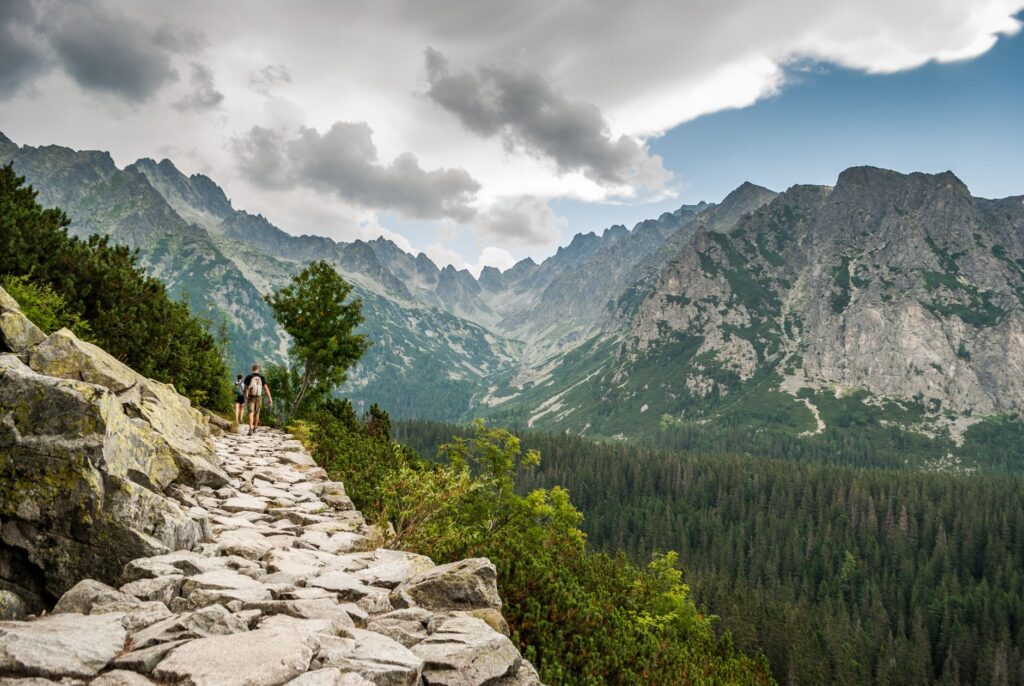
The mobility strategy in Salinas and Aguada Blanca rejects the indiscriminate opening of new roads, a practice that has historically fragmented habitats and accelerated the desertification of high-Andean soils. Instead, the administration of the protected natural area, in collaboration with the communities of Salinas Moche and Pillones, has championed a program to restore and homologate ancient pre-Hispanic paths and colonial drovers’ routes. These trails, consolidated using traditional dry-stone masonry and natural drainage techniques, now function as soft-mobility corridors for high-mountain cycling, hikers, and light cargo transport via sustainably managed camelid pack trains.
This network of recovered paths connects fluidly with solar charging stations and electric fleet stops, creating a unique intermodal system in the Andean world. Travelers arriving at the reserve can journey between wetlands and the slopes of the Misti, Chachani, and Pichu Pichu volcanoes using transport modes that respect the geological rhythm of the landscape. Connectivity thus ceases to be a mechanical imposition and becomes an exercise in active contemplation and respect for the territory, where every leg of the journey fosters an understanding of the environmental fragility underpinning high-mountain life.
Community Governance and the Equitable Distribution of Tourism Value
No regional transport transition can take root without a governance structure that grants local communities effective control over visitor flows and resources. Within the Salinas and Aguada Blanca National Reserve, the management model has evolved from restrictive conservation to active co-management. Associations of herders and community members are not mere spectators of tourist transit, but direct operators of sustainable mobility services, specialized guides in high-Andean fauna observation, and custodians of the solar energy stations powering the transport network.
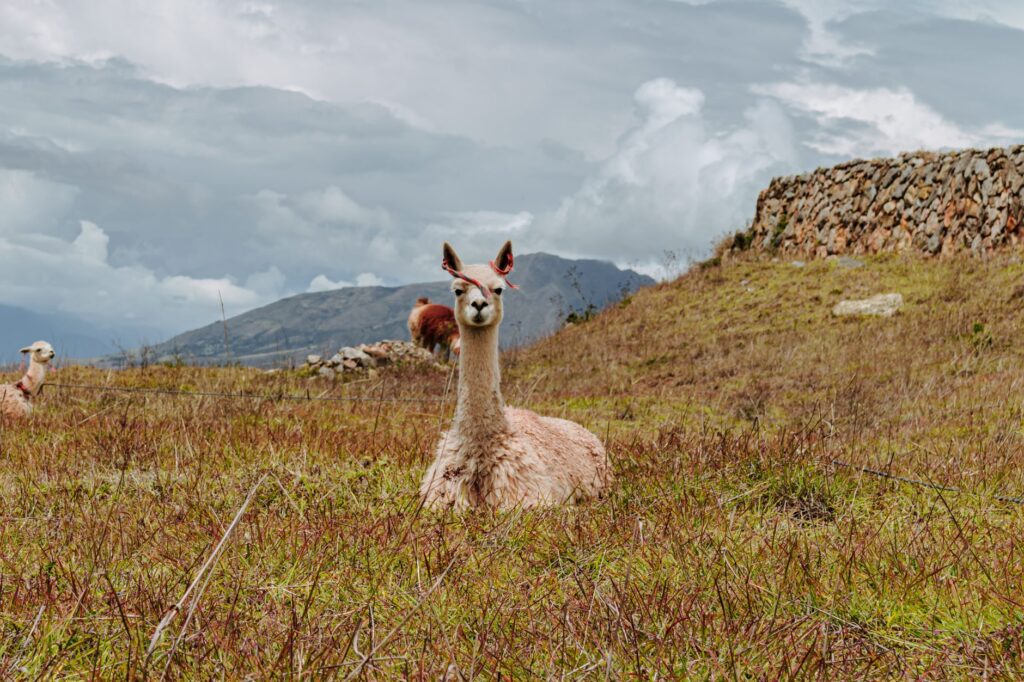
This local economic empowerment has radically transformed the socioeconomic dynamics of high-Andean hamlets, traditionally marginalized from Arequipa’s mass tourism circuits. By retaining control over access to natural viewpoints and buffer zones, communities ensure that revenues generated by sustainable mobility are reinvested into community health programs, bilingual education, and wetland conservation against water stress driven by global climate change.
The true measure of sustainable mobility in the highlands is not how many kilometers can be covered in less time, but how much life remains intact on both sides of the road when the engine falls silent.
Technological Innovation Against Erosion and Climate Change
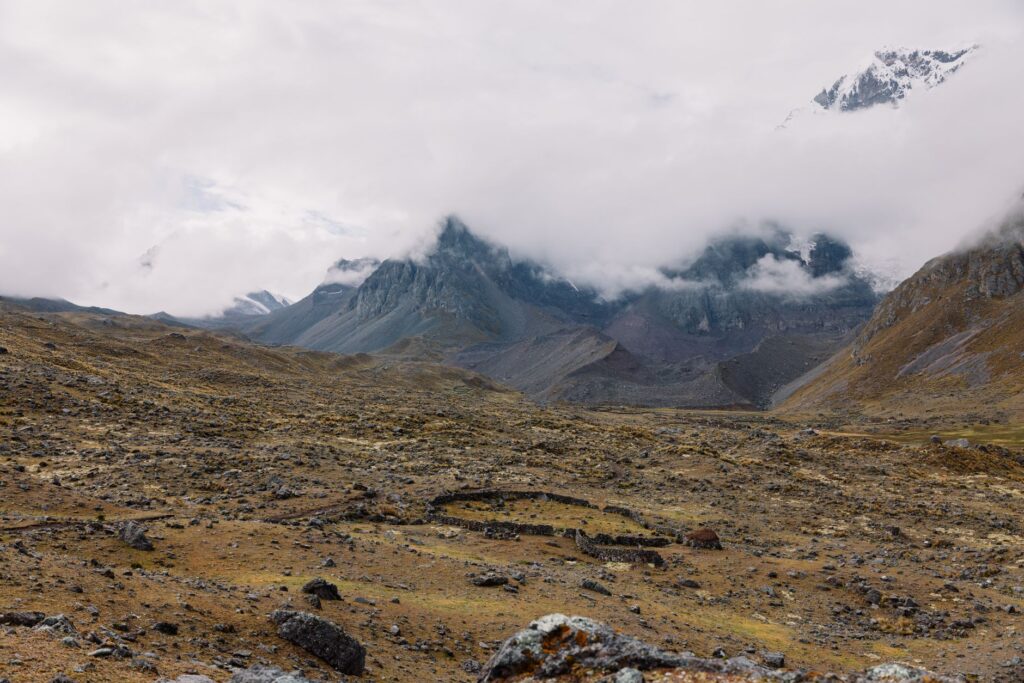
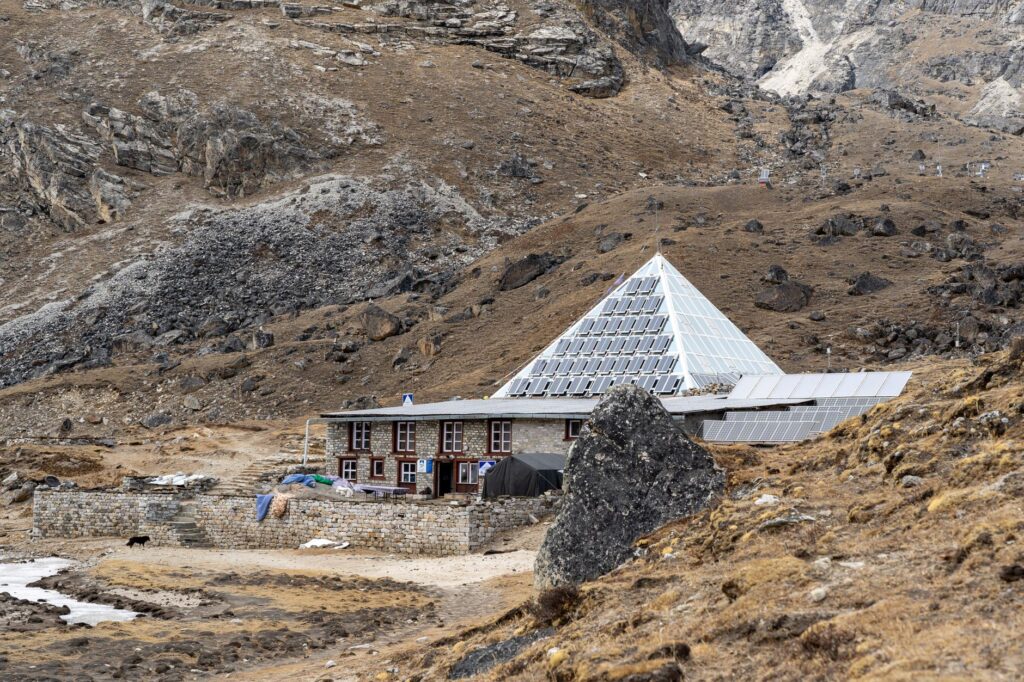
The impact of climate change on high-Andean ecosystems manifests with particular harshness in the recession of wetlands and the decline of surface freshwater sources. In this context, transport infrastructure design has had to incorporate strict regenerative engineering criteria. Charging stations and community waystations have been built using local low-impact materials, such as sillar volcanic stone and compacted ichu grass blocks, visually blending into the landscape and minimizing soil disturbance.
Furthermore, mobility engineers have deployed geological sensor systems along electric routes to monitor slope stability in real time and prevent erosion caused by vehicular traffic on steep slopes. These environmental monitoring technologies are paired with meteorological sensors that adjust the routes and frequencies of electric vehicles according to alerts for hailstorms, severe frosts, or gale-force winds, ensuring passenger safety without compromising the integrity of the vegetative cover protecting the Chili river basin’s water sources.
The Traveler Experience: Slowness, Altitude, and Deep Connection
For the contemporary traveler, venturing into the Salinas and Aguada Blanca National Reserve through this low-emission transport system involves a radical break from the habitual rush of modern tourism. The ascent from the White City of Arequipa up to the high-Andean pampas takes place aboard silent units that allow passengers to hear the whistling of the high-altitude wind and the crackling of puna vegetation. Stopping at the viewpoints of Pampa de Arrieros or beside the immense mirrored surface of Laguna Salinas becomes a meditative experience, free from diesel engine roar and the overcrowding that ruins other natural enclaves across the continent.
This way of traveling demands physical and mental preparation from visitors, who must gradually acclimate to the altitude and adhere to rules of conduct dictated by the park guardians. Environmental interpretation workshops led by local community members at each charging station teach visitors to comprehend the complex trophic web sustaining life above four thousand meters, from the tiny plankton of the salt lagoons to the majestic flight of the Andean condor over volcanic gorges. The journey ceases to be a mere geographical displacement and transforms into a masterclass in ecological humility and cultural respect.
Practical guide
How to get there: The main access to the Salinas and Aguada Blanca National Reserve is from the city of Arequipa, located an hour and a half away by vehicle along the road toward the Colca Valley or via new electric transport services managed by local communities from authorized departure points on the urban periphery.
When to go: The dry season, spanning from May to November, offers the clearest and most stable skies for wildlife and landscape observation, although nights experience extreme sub-zero temperatures. The austral summer months (December to April) feature occasional rainfall and intense green landscapes, ideal for wetland photography.
Acclimatization requirements: Because most of the reserve lies above 4,000 meters (13,123 feet) above sea level, visitors are strongly advised to spend at least two prior days in Arequipa (2,325 m / 7,628 ft) to prevent altitude sickness, known locally as soroche. Staying hydrated and drinking muña or coca leaf infusions is essential.
Internal mobility: Unauthorized combustion-engine vehicles are strictly prohibited within the reserve’s core zones. Visitors must exclusively use community electric minibuses, approved high-mountain bicycles, or marked pedestrian trails under the supervision of local guides.
Accommodation and dining: Lodging options are concentrated in community eco-lodges run by local associations in settlements such as Salinas Moche and Pillones, offering solar-heated rooms and high-Andean gastronomy based on native tubers and camelid meat. There are no large commercial hotels within the protected area boundaries.
Rules of conduct and sustainability: Respecting a minimum distance of fifty meters from vicuña herds and waterfowl nesting sites is mandatory. Disposing of any waste, extracting minerals, rocks, or wild flora samples, and lighting fires outside designated spaces within community refuges are strictly prohibited.
Epilogue in the White Pampa: The Reflection of the High-Andean Future
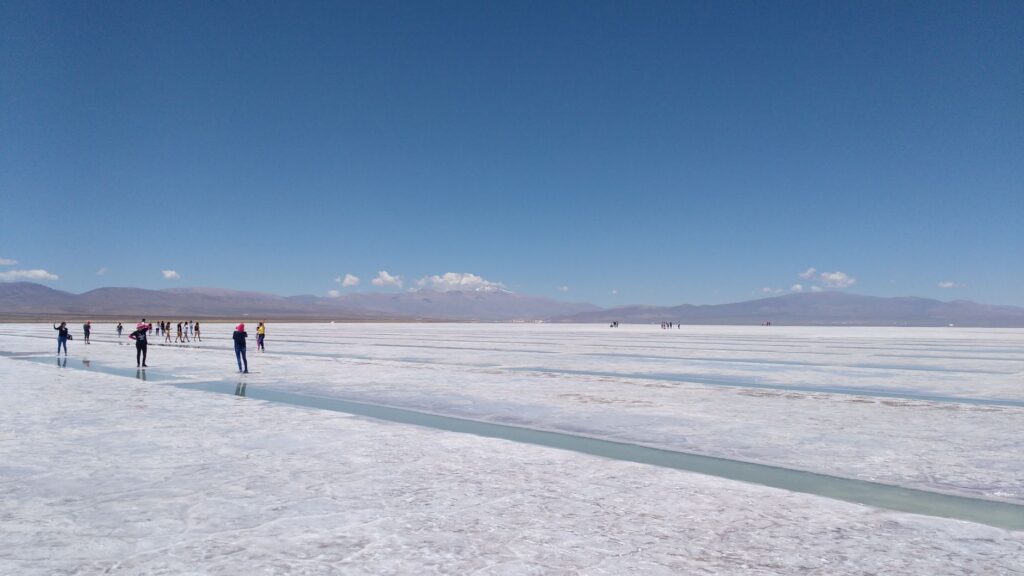
When the sun begins to sink behind the rugged profiles of the Misti volcano, the immense salt crust of Laguna Salinas takes on copper and violet hues that seem to belong to another world. In this unbroken silence, interrupted only by the distant echo of the wind brushing across the wetlands, the final rays of light strike the solar panels of the community charging station, silently storing the energy that will power the next day’s vehicles. There are no mechanical stridencies or dense smoke that for decades characterized transit along these extreme routes; only the certainty that human intelligence and environmental sensitivity can forge a lasting alliance in the planet’s most inhospitable places.
The conservation of the highlands is not a brake on human movement, but the compass that teaches us to travel the world without leaving indelible scars on the earth.
This model of sustainable mobility in the Salinas and Aguada Blanca National Reserve transcends the strictly local sphere to become a beacon of hope for other mountain regions across the globe facing the dilemma between development and preservation. By demonstrating that zero-emission travel is possible at over four thousand meters of altitude and that indigenous communities can lead technological innovation without surrendering their ancestral identity, the Peruvian highlands rewrite the rules of contemporary travel. They remind us, with the unyielding strength of their peaks and the serenity of their lagoons, that the true luxury of the modern traveler lies in the opportunity to contemplate an intact world, made accessible through mutual respect and the indissoluble harmony between clean technology and the earth’s ancient memory.