
Introduction to the Andean Summits
High mountain ranges have always exerted an unbreakable fascination over the contemporary traveler, yet few routes in the American continent condense technical challenge and rugged beauty with the eloquence of branch C-14 in the province of Salta, popularly known as the Train to the Clouds. Nestled in the heart of northwestern Argentina, this transportation system does not constitute a mere seasonal tourism product, but rather a masterpiece of early 20th-century railway engineering that completely redesigned commercial and human connectivity between fertile valleys and the arid solitudes of the Puna.
While the global transportation industry urgently debates decarbonization and the efficiency of major metropolitan areas, historical high-altitude corridors raise fascinating questions about the survival of infrastructures conceived to unify territories fractured by colossal chasms. This report examines the technical framework, logistical pulse, and complex socioeconomic reality of a route that continues to raise the standard of railway exploration in Latin America.
The Genesis of an Impossible Route
The project for the C-14 branch was not born as a recreational fantasy, but as an ambitious geopolitical and economic endeavor promoted by the Argentine state to connect the country’s northern region with Pacific Ocean ports across the Andes mountain range. Under the technical direction of American engineer Richard Maury, who assumed the design and execution of the works in the 1920s, the railway trace set out to conquer elevation differences that defied known physical laws for steam traction of the era.
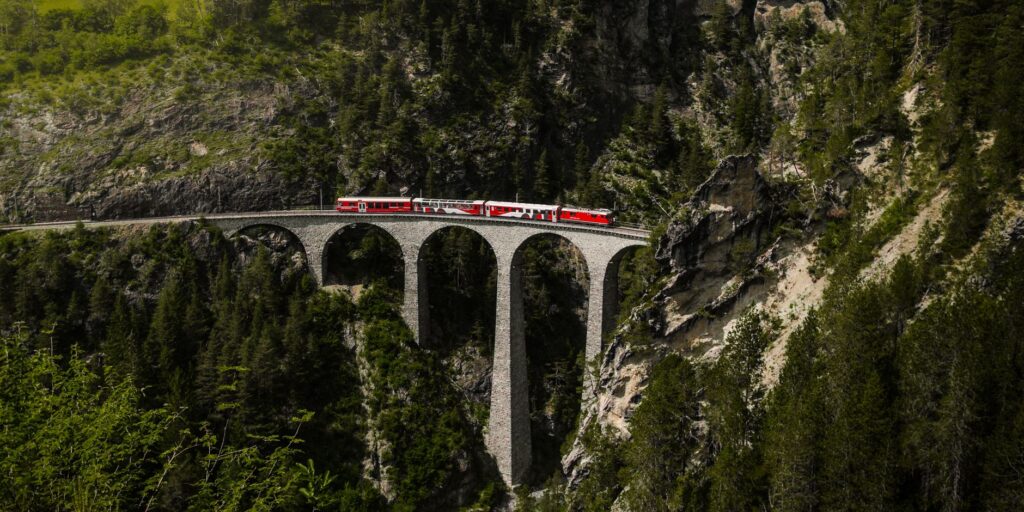
Maury ruled out the use of rack-and-pinion systems—common in the European Alps for steep slopes—and opted for a simple adhesion system through an ingenious layout of zigzags, loops, tunnels carved into living rock, and metal viaducts suspended in the void. Every kilometer won from the mountain represented a titanic effort of human logistics, where thousands of local workers, gauchos, and immigrants faced extreme temperatures, hurricane-force winds, and the dreaded soroche or altitude sickness.
The La Polvorilla Milestone and High-Altitude Engineering
If there is one point that summarizes the constructive audacity of the C-14 branch, it is undoubtedly the La Polvorilla viaduct. Situated at an imposing altitude of 4,220 meters above sea level, this curved metal structure spanning over two hundred meters in length and sixty-three meters in maximum height at its main deck stands as a monument to human ingenuity amidst a lunar landscape.
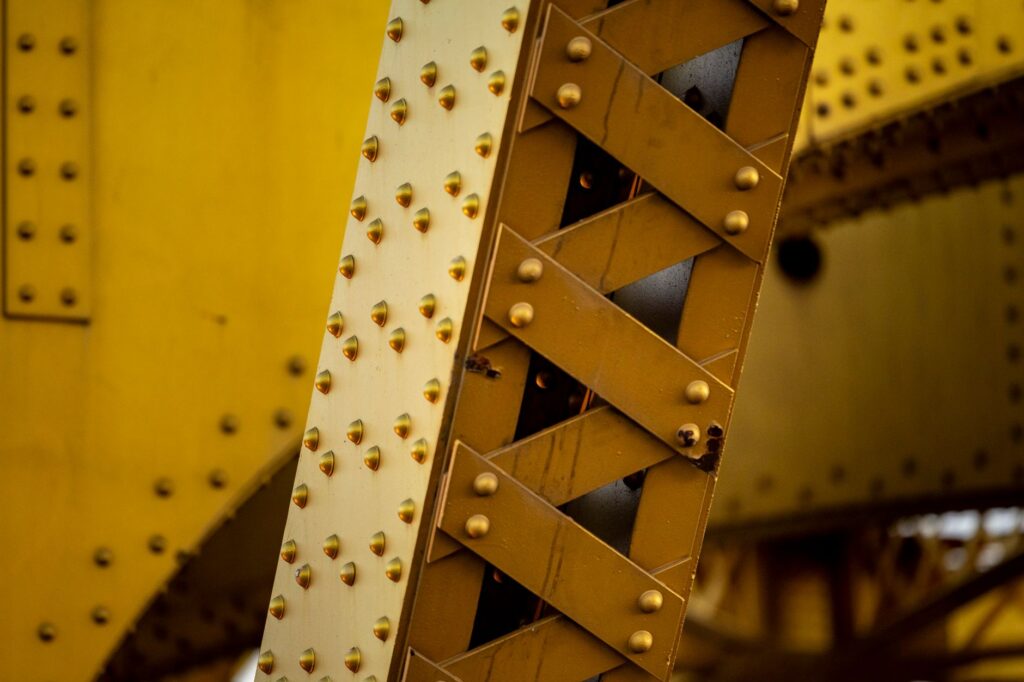
The curved design with uniform gradient allowed convoys to gain necessary height without exceeding turning radii permitted by rolling stock of the period. The structure was prefabricated in Europe, transported in pieces by merchant ships to the port of Buenos Aires, carried by train to the Calchaquí Valleys, and finally assembled on-site using hot-driven rivets without the aid of modern cranes. Today, crossing this iron giant generates a mixture of vertigo and deep historical reverence.
Puna Logistics and Territorial Connectivity
Beyond its undeniable photographic appeal and powerful tourist narrative, the C-14 corridor fulfills an indispensable backbone function for dispersed human settlements across the vastness of the Salta puna. Pastoral communities and small-scale camelid fiber producers historically depend on associated rail and road logistics for the supply of basic inputs and the commercialization of their crafts and livestock products.
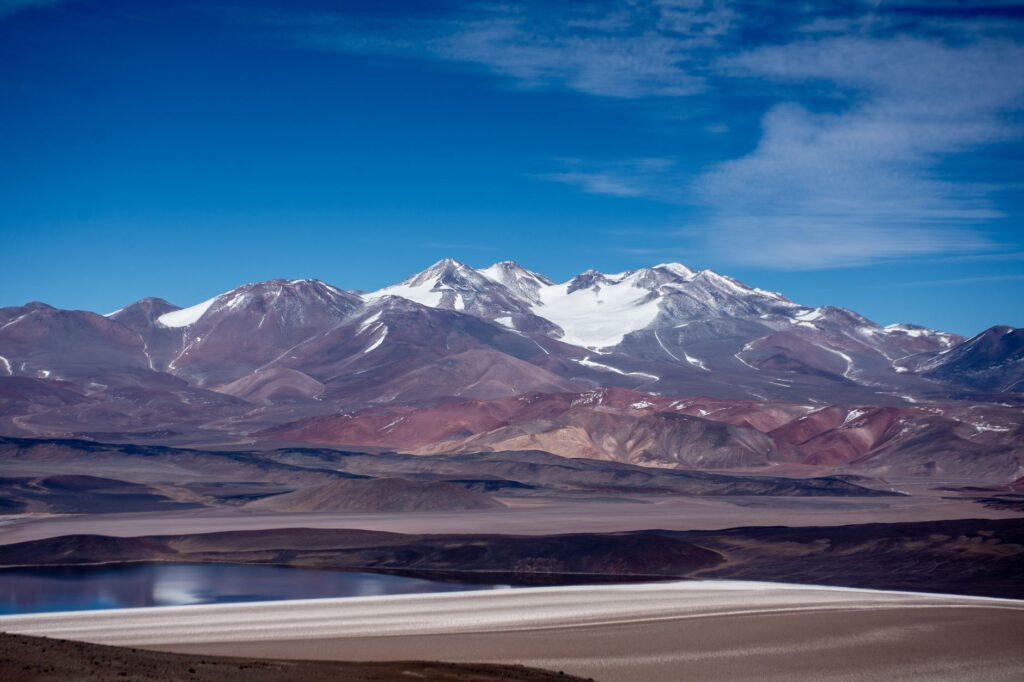
However, logistical operations in these latitudes face formidable challenges. Seasonal snowstorms, rockfalls, and extreme thermal variations—ranging from minus twenty degrees Celsius on winter nights to high temperatures under the radiant altiplano sun—rapidly deteriorate the infrastructure of tracks, ties, and signaling systems.
High mountain ranges tolerate no improvisation; every wooden tie in the Puna stands as a testament to endurance against the rigor of the elements and geographic isolation.
Provincial and national authorities constantly coordinate preventive maintenance plans to ensure the track remains operable for both tourist passenger trains and potential mining freight convoys, a key sector for the regional economy due to lithium and borate deposits scattered across surrounding salt flats.
The Impact of Contemporary Tourism on Local Communities
Over the past two decades, the transformation of the Train to the Clouds into a flagship product of international tourism has sparked intense debate over the balance between economic development and the cultural preservation of indigenous peoples inhabiting areas near stations such as San Antonio de los Cobres and Tastil.

The massive influx of visitors from Europe, North America, and the Southern Cone has dynamized the local economy through the emergence of community guide cooperatives, textile craft markets, and small gastronomic ventures based on ancestral Andean cuisine, where ingredients such as llama meat, Andean potatoes, and capia corn predominate.
Nevertheless, community leaders insist on the necessity of consolidating a decentralized tourism management model where economic benefits directly impact the improvement of sanitary, educational, and road infrastructure in the region, avoiding the risks of superficial commodification of their millennial traditions.
Railway Architecture and Century-Old Stations
The journey along the C-14 branch also constitutes a valuable catalog of industrial and railway architecture from the first half of the 20th century. Stations such as Alfarcito, El Toro, Olacapato, and San Antonio de los Cobres preserve characteristic features of functional buildings from that era, constructed with local stone, reinforced adobe walls, and double-pitched corrugated iron roofs designed to withstand heavy winter snowfalls.
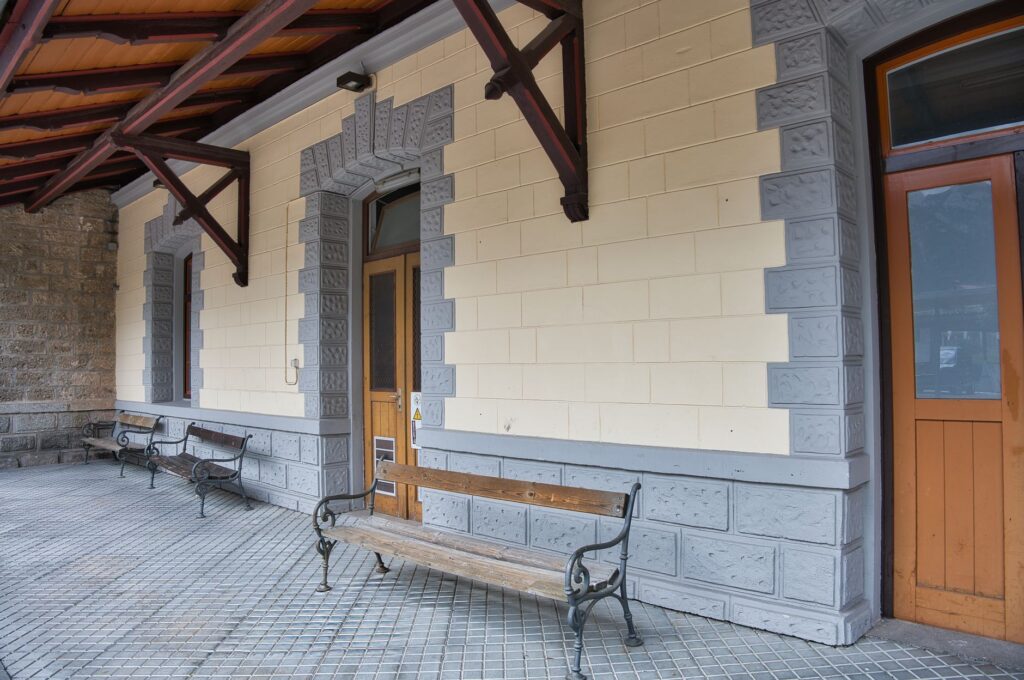
These enclaves were not merely technical stops for water and coal provision to steam locomotives, but true nerve centers where routes of drovers, miners, and travelers converged. The preservation of these buildings represents a premier heritage challenge today, demanding respectful restorations that prevent the loss of material and landscape authenticity against the passage of time and weathering.
Practical guide
How to get there: The natural gateway to the circuit is the city of Salta, connected via daily regular flights with Ministro Pistarini International Airport and Jorge Newbery Airfield in Buenos Aires. From the Salta capital, access toward the altiplano is achieved via National Route 51.
When to travel: The dry season, spanning from April to November, offers the clearest and most stable skies, though nighttime temperatures in the Puna are extremely low. During the southern summer (December to March), occasional rainfall may cause temporary disruptions on access roads.
Acclimatization requirements: Because the train and excursions easily exceed 4,000 meters in altitude, it is strongly recommended to spend at least two prior nights in the city of Salta (1,150 masl) or in intermediate towns like Purmamarca or Cachi to prevent altitude sickness. Staying hydrated and avoiding heavy meals and alcoholic beverages on the day of ascent is essential.
Ticket logistics: Seats for the Train to the Clouds are limited and highly sought after, making it imperative to book several months in advance through official channels. Combined options are available including bus segments from Salta to San Antonio de los Cobres followed by boarding the railway convoy.
The Echo of the Whistle in the Puna Vastness
As the sun begins to descend behind the Andean cordilleras, tinting the peaks in ochre, violet, and copper tones, the metallic echo of the train’s whistle seems to merge with the eternal murmur of the wind across the Puna. This is not merely physical displacement through extreme geographies, but an intimate reencounter with the monumental scale of the planet and the tenacity of generations who defied the impossible.
Traveling along this railway corridor is understanding that the true magnitude of a journey is not measured by the speed of transit, but by the depth of the imprint the landscape leaves on the traveler’s memory. In every curve mastered over the abyss, the contemporary traveler rescues the value of reflective slowness and the industrial memory that sustains our shared history.