

Crossing oceans aboard modern commercial aircraft has ceased to be an endurance test of physical stamina and has instead transformed into a challenge of biological engineering. While jet engines propel metallic hulls across thousands of kilometers in a matter of hours, the human brain continues operating under the coordinates of its origin meridian. This chronobiological mismatch, universally known as jet lag, affects not only the immediate well-being of the traveler, but also cognitive capacity, immune function, and overall productivity. Far from being a mere passing fatigue, it represents a profound disruption of the internal pacemaker that regulates core body temperature, hormone secretion, and alertness cycles.
For decades, frequent travelers have relied on home remedies, excessive caffeine, or pharmaceutical hypnotics to mitigate the toll of crossing time zones. However, the rise of solutions rooted in contemporary circadian science has shifted the paradigm toward algorithmic personalization. Within this landscape stands Timeshifter, a platform developed alongside internationally renowned neurobiologists that translates circadian research into accessible intervention plans via mobile devices, turning an inevitable annoyance into a predictable and manageable process.
The Neurobiological Core of Jet Lag
To grasp the magnitude of the solution offered by modern technology, it is imperative to examine the problem at its anatomical and functional roots. The human body does not rely on a single central clock, but rather on a complex network of peripheral oscillators coordinated by the suprachiasmatic nucleus, a cluster of neurons located in the hypothalamus. This master pacemaker synchronizes primarily with ambient light, interpreting photons striking the retina as the definitive signal to activate or deactivate the production of melatonin and cortisol.
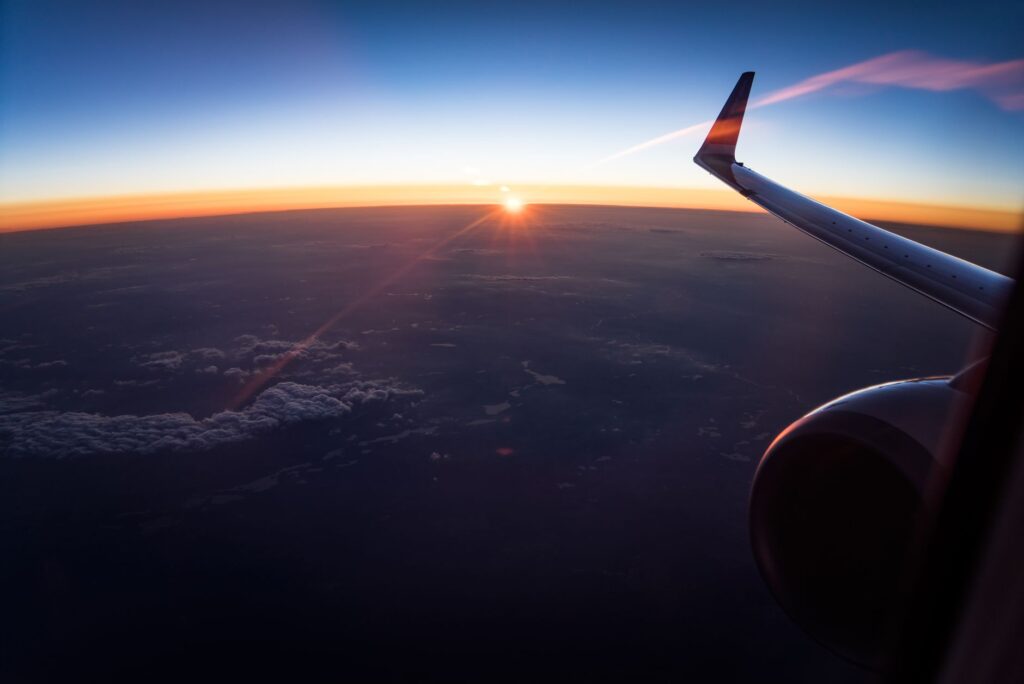
When an individual crosses multiple time zones in a matter of hours, the eyes perceive a solar cycle that contradicts the evolutionary expectations of the brain. The organism experiences a physiological dissonance: while the environment demands wakefulness, internal tissues operate under the commands of the abandoned time zone. This discordance produces extreme fatigue, paradoxical insomnia, gastrointestinal distress, and a significant drop in mental acuity. The rigidity of this biological system explains why natural adaptation typically requires approximately one day for every hour of time difference crossed.
From Space Exploration to the Common Traveler’s Suitcase
The scientific rigor underpinning modern tools for circadian management does not originate in the commercial luxury travel sector, but rather in the extreme demands of space exploration and elite aviation. Space agencies, led by NASA, have spent decades studying the impact of circadian desynchronization on astronauts, who experience multiple sunrises and sunsets in a single day aboard the International Space Station. Dr. Mickey Fallon, a pioneer in sleep and chronobiology research, laid the theoretical groundwork that helped decode how precise light exposure and timely melatonin administration can drastically accelerate the readjustment of the internal clock.
Translating this highly specialized knowledge to the global consumer required converting complex mathematical equations into an intuitive interface. The application calculates personalized schedules by considering factors as diverse as the user’s chronotype—whether they belong to the morning or evening spectrum—along with their age, sleep history, flight duration, and specific layover characteristics. The result is a bespoke program indicating precisely when to seek or avoid bright light, when to consume caffeine, when to ingest specific foods, and at what exact moment to consider a low dose of melatonin.
The Invisible Architecture of Preventive Adaptation
The most common mistake made by contemporary travelers is attempting to fix jet lag only after the aircraft has landed at the destination. Chronobiology demonstrates that true efficacy lies in prior preparation. Modern algorithms begin intervening days before departure, asking the user to gradually shift their rest and light exposure schedules in small increments, subtly preparing the suprachiasmatic nucleus for the impending change.
This preventive approach radically transforms the transmeridian flight experience. Instead of facing the first day of meetings or vacation in a state of cognitive lethargy, the traveler following a circadian protocol arrives with an organism that is partially adapted. Light guidelines do not necessarily imply expensive gadgets; they often rely on strategic sunglasses to block specific wavelengths or the deliberate outdoor search for natural sunlight during time windows indicated by the app.
Jet lag is not a physical weakness, but the unavoidable price of defying Earth’s rotation at a speed for which our genes were never designed.
Precision in timing is the decisive factor for success. A deviation of barely an hour in sunlight exposure can produce the exact opposite of the desired effect, delaying the biological clock instead of advancing it. For this reason, automation via smart reminders and contextual notifications eliminates human error margins, allowing even the most disorganized travelers to follow a rigorous clinical routine without conscious effort.
Nutrition, Supplementation, and the Caffeine Myth
Beyond light, metabolism plays a secondary yet relevant role in modulating the circadian rhythm. Peripheral oscillators located in the liver and gastrointestinal tract respond to food intake. Current technological tools incorporate specific dietary recommendations, suggesting large meals or strategic intermittent fasting to align metabolic clocks with the new environmental cycle.
Likewise, the management of stimulants like caffeine shifts from intuition to exact science. While a poorly timed coffee can ruin nighttime rest in the destination time zone, a cup consumed at the precise moment amplifies alertness without compromising subsequent sleep architecture. Similarly, the use of melatonin—not as a traditional sleeping pill, but as a chronobiological signal informing the brain of the biological night’s onset—is prescribed in milligram doses and exact schedules, avoiding side effects associated with indiscriminate drug consumption.
Economic and Operational Impact on Executive Mobility
For professionals crossing continents systematically, cognitive performance is not a luxury, but a critical commercial asset. Decision-makers, international consultants, elite athletes, and aircrews suffer direct economic and operational losses when their reaction capacity is impaired by chronic jet lag. The adoption of circadian management technology in corporate travel policies of major multinationals responds to a vital need to protect human resources.
Impact studies demonstrate that reducing acclimatization time from five days to twenty-four hours not only improves the employee’s subjective well-being, but significantly increases success rates in complex negotiations and minimizes operational errors derived from cognitive fatigue. In this sense, circadian technology has ceased to be a curiosity for wellness enthusiasts and has integrated into the operations manuals of global organizations.
Practical guide
To successfully implement a circadian management strategy on your next transmeridian journey, consider the following principles backed by scientific evidence and the experience of global mobility experts:
- Audit your chronotype: Understand whether your natural tendency leans toward morning or evening before configuring any adaptation tool, as your biological starting point determines the plan.
- Initiate transition early: Begin shifting your sleep and light exposure schedules two to three days prior to departure if you are crossing more than four time zones.
- Manage light with precision: Use polarized sunglasses to block blue and solar light during periods when the algorithm indicates rest, and seek direct natural sunlight outdoors during activation windows.
- Optimize stimulant use: Cease caffeine consumption at least six hours before bedtime in the target time zone and avoid alcoholic beverages, which fragment REM sleep architecture.
- Approach melatonin clinically: If using supplements, do so in reduced doses (0.5 mg to 3 mg) strictly at the schedule recommended by the chronobiological platform, never as an emergency sedative.
- Align main meals: Adapt your mealtimes to the destination country’s cycle from the very first day of travel to synchronize peripheral metabolic clocks.
- Prioritize rest in transit: Do not attempt forced sleep during daytime flights if the protocol requires staying awake; controlled sleep deprivation facilitates deep rest afterward.
Epilogue: Toward a New Horizon in Human Travel
The way humanity moves across the planet has evolved exponentially since the invention of commercial aviation, but the traveler’s biology has remained unaltered for millennia. Reconciling the breakneck speed of aerospace technology with the deliberate slowness of our internal rhythms represents one of the great triumphs of contemporary applied science.
When travelers finally step off the aircraft and walk through a city whose official time completely contradicts their body’s sensations, the invisible technology in their pocket acts as a silent bridge between two worlds. Far from being a magical fix, it is the triumph of neuroscience applied to the human experience, allowing us to explore the globe without losing the beat of our own nature.
Source in English: Condé Nast Traveler