
Silence in the Scree: Awakening at High Altitudes
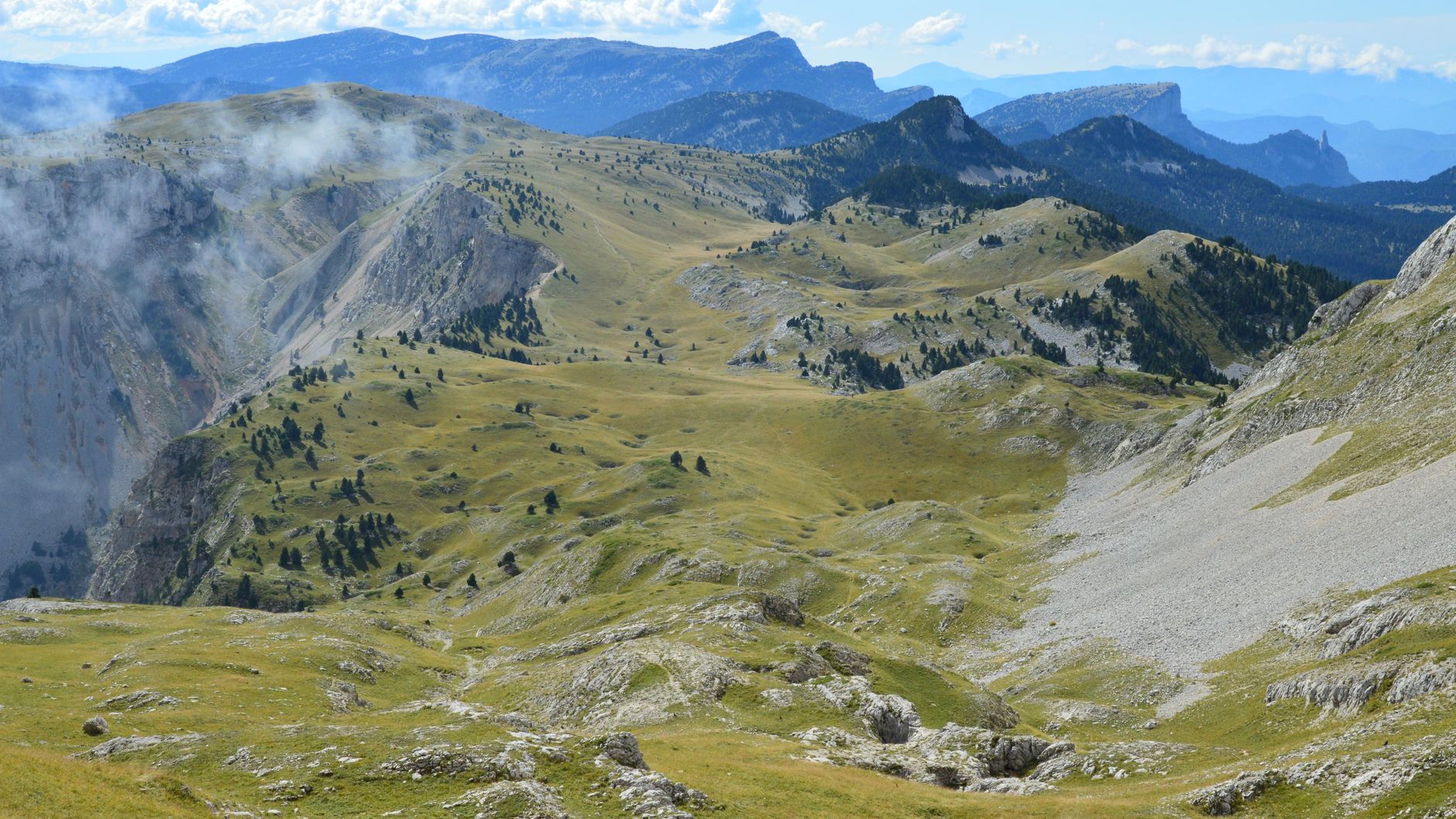
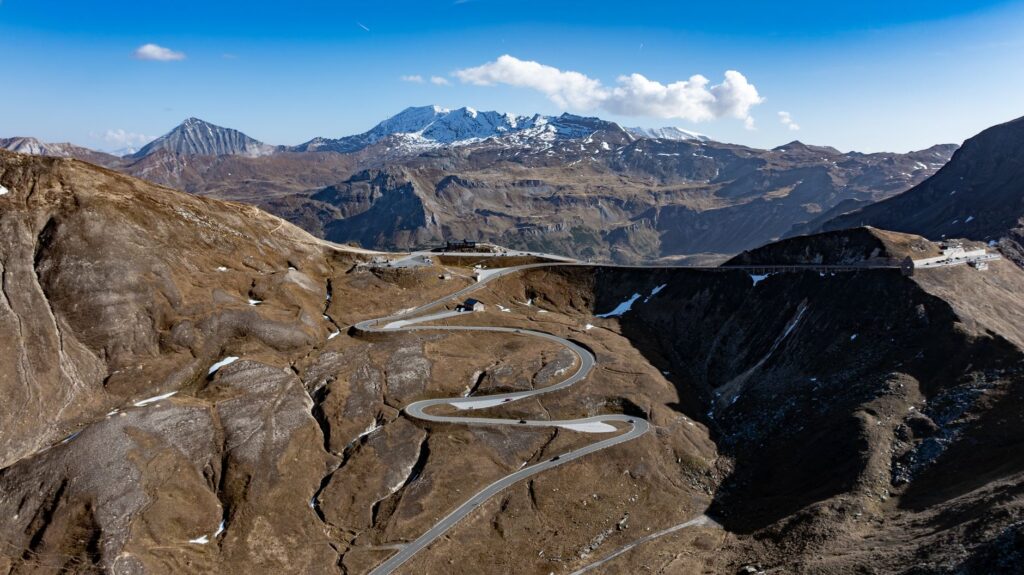
At over two thousand meters of altitude, where arboreal vegetation yields to the absolute dominance of granite and fractured rock, the air retains an icy fragility even in the early weeks of summer. In this corner of the French High Alps, topography dictates the rhythm of life with unrelenting severity. Ecrins National Park, one of Western Europe’s most imposing high-mountain reserves, protects a landscape where fourteen major peaks exceed four thousand meters and glaciers carve steep-walled trough valleys. Here, far from inhabited settlements, unfolds the existence of one of alpine fauna’s most emblematic mammals: the marmot.
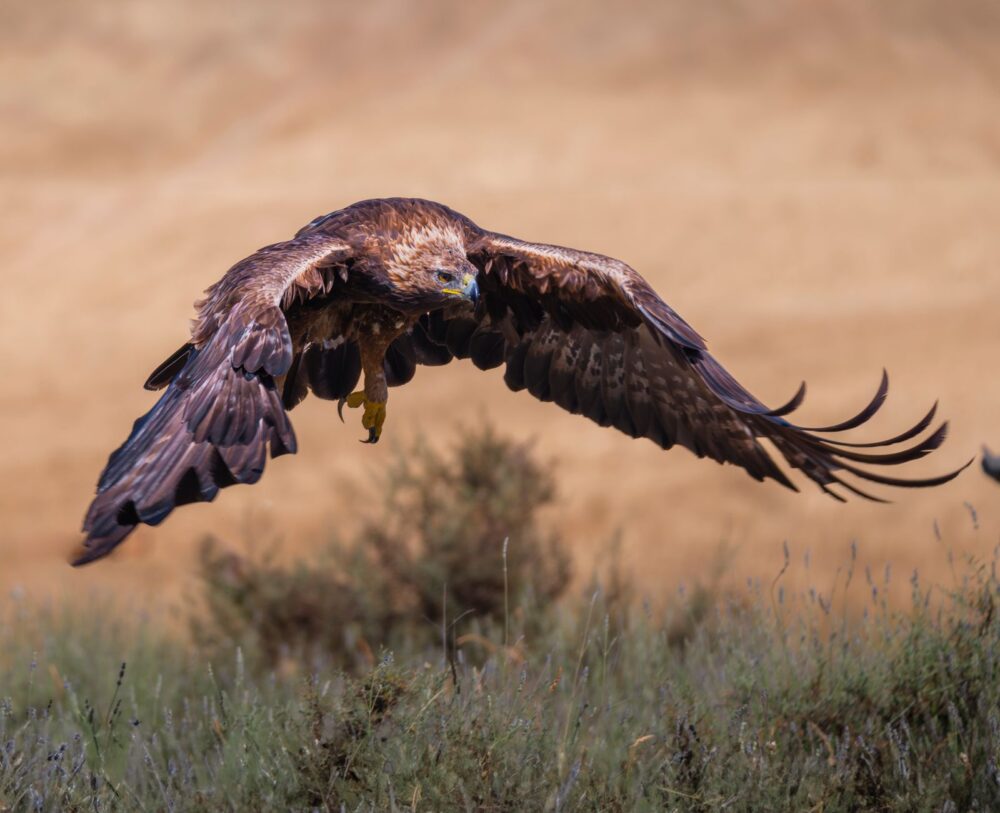
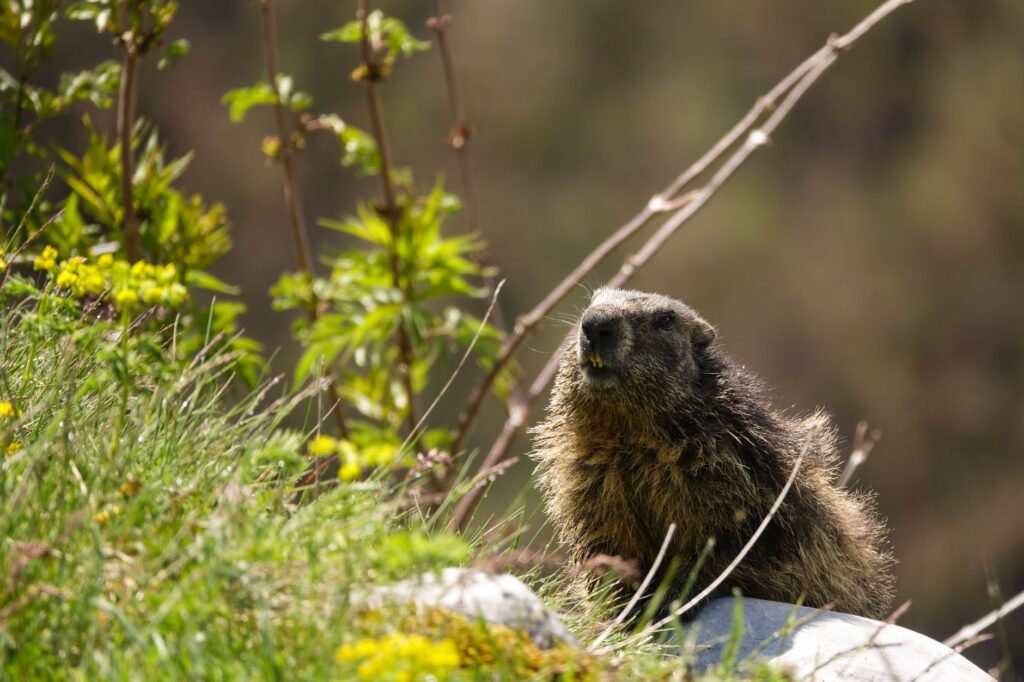
The shrill sound of an alarm echoing among the frost-shattered boulders breaks the morning silence. It is neither a song nor an arbitrary territorial call, but a sharp whistle, acoustically modulated with precision, warning the colony of a golden eagle soaring above the ridges. Within seconds, the heavy, fur-covered shapes that moments earlier were basking on rocky promontories vanish underground. This defensive behavior, perfected over millennia of evolution in an environment constantly stalked by aerial and terrestrial predators, forms the foundation of the complex social structure of the alpine marmot (Marmota marmota).
Understanding the ecology of this species in the heart of the Ecrins requires rigorous scientific examination of not only its individual biology but also its fundamental role as a subalpine ecosystem engineer. The burrows meticulously excavated in south-facing slopes alter soil composition, facilitate snowmelt infiltration, and generate microhabitats where specific plant species thrive despite extreme mountain conditions.
The Underground Architecture of Survival
Much of the marmot’s life remains hidden from the casual observer. Their complex underground gallery system, excavated in stable embankments and talus slopes, represents a masterpiece of natural engineering. These structures are not mere temporary shelters; they are functionally divided into winter hibernation chambers lined with dry grass, peripheral latrines, and escape tunnels designed with multiple entrances to guarantee a rapid route away from intruding foxes, wolves, or stoats.
During spring and summer, every colony member’s primary objective is accumulating sufficient subcutaneous fat reserves to withstand the long winter torpor. The marmot’s diet consists strictly of a wide variety of mountain herbaceous plants, tender shoots, gentian flowers, and nutrient-rich grasses. This selective grazing, far from degrading the alpine pasture, stimulates the regrowth of hardier species, maintaining a dynamic balance in high-altitude meadows that local herders have traditionally integrated into their extensive livestock practices.
The winter burrow is a microcosm where temperature remains stable thanks to communal body heat, allowing animals to drop their metabolism to nearly imperceptible levels.
The alpine winter in the Ecrins imposes absolute fasting that can last seven to eight months. To survive this extreme physiological test, marmots hibernate communally. In a single subterranean chamber, a family unit comprising a dominant breeding pair, subadults from previous years, and current year pups huddle closely together. This gregarious behavior drastically reduces individual heat loss. Body temperature drops from around thirty-seven degrees Celsius to slightly above the burrow’s ambient temperature, while heart rate falls from over one hundred beats per minute to a mere four or five.
Family Dynamics and Colony Hierarchies
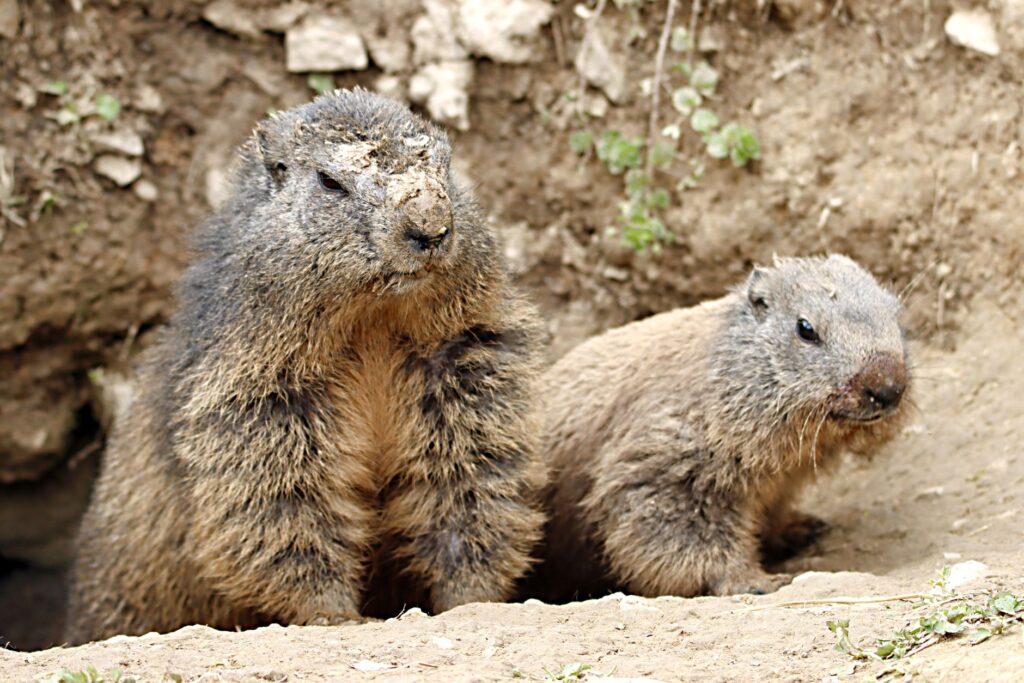
The social structure of the alpine marmot is governed by a strictly hierarchical yet cooperative dominance system. Unlike other burrowing rodents, marmots display strong reciprocal altruism and notable stability in their family groups, technically known as clans. Reproduction is monopolized almost exclusively by the dominant breeding pair, while younger individuals remain in the natal group for several years, delaying sexual maturation and actively contributing to the care of new litters, burrow maintenance, and sentinel duties against intruders.

This cooperative behavior, known in evolutionary biology as cooperative breeding, is indispensable for the survival of pups born within the colony. The offspring, born blind, helpless, and hairless at the beginning of summer after a gestation period of just over thirty days, depend entirely on the protection and warmth provided by the group during their first weeks above ground. Vantage points on rocks—where one or more adults act as sentinels while the rest forage—maximize survival probabilities against the region’s primary aerial predator: the golden eagle (Aquila chrysaetos).
Population inventories conducted by park rangers and scientists in Ecrins National Park reveal that colony density varies significantly depending on deep substrate availability for excavation and summer solar exposure. South and southeast-facing slopes, free of snow earlier in spring, concentrate the highest number of active burrows, forming demographic core areas that act as source populations for colonizing adjacent zones.
The Impact of Climate Change on Seasonal Rhythms
In recent decades, the Ecrins massif has experienced notable climatic shifts directly affecting the alpine marmot’s biological cycle. The shortening of the snow cover season and progressive increases in summer temperatures modify both the temporal availability of food and the thermal conditions under which animals must hibernate.
One of the clearest indicators of this transformation is the alteration in spring emergence dates. While marmots traditionally left underground galleries in late April or early May, early exits are now recorded across wide sectors of the park. Although earlier snowmelt might seem advantageous by extending the foraging period, ecological reality is considerably more complex. Increasingly frequent and unpredictable late spring frosts can decimate the tender shoots upon which the species depends after prolonged winter fasting, generating severe trophic mismatches.
Rising summer temperatures also force marmots to interrupt diurnal foraging during midday hours to avoid thermal stress inside shallow burrows.
Furthermore, reduced winter snowpack thickness alters the thermal insulation of subterranean hibernation chambers. If snow cover is insufficient and external temperatures plummet abruptly, marmots must consume greater bodily energy reserves to maintain minimal basal temperature, seriously compromising spring survival rates.
Conservation and Management in a Protected Area
Ecrins National Park, officially established in 1973, marked a decisive milestone for the legal protection of high-mountain flora and fauna in France. Spanning over ninety thousand hectares in its core zone, the park guarantees strict preservation of natural habitats inhabited by marmots, prohibiting destructive human activities such as opening new ski runs in sensitive sectors, intensive logging, and poaching.
However, conserving a high-altitude herbivorous species is not without contemporary challenges. Mass summer tourism, particularly unregulated hiking straying from marked trails, generates frequent disturbances near core colonies. Marmots, though accustomed to discreet hikers, experience chronic stress elevation when domestic dogs—frequently unleashed despite park regulations—invade alpine meadows, disrupting foraging and vigilance routines.
Long-term monitoring programs developed by park technical staff combine individual marking via identification rings and telemetry with seasonal visual censuses. These data enable managers to accurately assess local population health and propose corrective measures, such as temporary signage in sensitive nesting areas or public awareness campaigns regarding wildlife respect.
Practical guide
How to get there: Ecrins National Park is located in southeastern France, spanning the Isere and Hautes-Alpes departments. The most convenient access gates for exploring high-mountain valleys are Bourg-d’Oisans to the west, and Briancon or La Grave to the north and east. The nearest international airport is Lyon-Saint Exupery, roughly two and a half hours away by road.
When to go: The optimal season for observing the alpine marmot in full activity runs from mid-June to late September. During spring (May and early June), many high-altitude trails remain blocked by persistent snowfields, and access is technically challenging without specialized mountaineering equipment.

Observation recommendations: Always use binoculars or spotting scopes to maintain a minimum safety distance of thirty meters from active burrows. Avoid loud noises or sudden movements that trigger defensive colony behaviors. Strictly respect park regulations: camping outside authorized refuges, lighting fires, and walking with pets—even on leashes—are strictly prohibited in the core zone.
The Rocky Heartbeat of the Ecrins
As evening falls, when the last rays of sunlight fade across granite spires and shadows cast by snowfields lengthen over pastures, the alpine world’s rhythm regains its peaceful serenity. Marmots, sated after a day of constant foraging and communal vigilance, finally retreat into the safe refuge of their underground galleries. In that moment of absolute stillness, the observer understands that survival in this hostile environment relies not merely on individual endurance, but on an ancient attunement with the unyielding laws of the mountain.
The constant presence of the marmot in the Ecrins acts as an irreplaceable biological thermometer for assessing high-altitude ecosystem health against growing global pressures. Protecting rocky habitats, strictly regulating human activities in subalpine meadows, and supporting long-term scientific research remain essential tasks to ensure the marmot’s watchful whistle continues echoing as the primal sound of the European high mountains.