
A New Horizon for the Morang Lowlands
In the far eastern reaches of Nepal’s Terai plains, where subtropical heat merges with the vastness of agricultural fields, nature frequently struggles to carve out a space amid demographic pressure and deforestation. Yet, within the rural municipality of Kanepokhari in the Morang district, an unexpected botanical miracle has begun to reshape the local economy and environmental awareness of the region. What was for decades a dense, impenetrable bamboo forest overlooked by local authorities has mutated, thanks to community-driven stewardship, into a flourishing and heavily visited ecotourism destination that draws naturalists and curious travelers alike in search of authenticity.
This phenomenon is not the result of an institutional marketing strategy or corporate investment, but rather the persistence of a community that understood its greatest wealth lay not in indiscriminate logging, but in the preservation of its surroundings. Through this reportage, we will examine how a fragile yet resilient ecosystem has managed to reinvent itself, offering valuable lessons on the delicate balance between rural development and biodiversity protection in South Asia.
The Hidden Geography of the Eastern Terai
To grasp the scale of the transformation in Kanepokhari, one must delve into the unique geography of the Terai. Unlike the snow-capped Himalayan summits that dominate the international imagination of Nepal, this southern strip is characterized by lowlands, seasonal wetlands, and dense tropical vegetation that historically harbored diverse wildlife, including Asian elephants and Bengal tigers. The Morang district, situated close to the border with India, has undergone intense agricultural transformation over the past century, making patches of native or secondary forest ecological islands of incalculable value.

The bamboo grove of Kanepokhari is no minor geographical accident; it represents a biological corridor and a singular microclimate. The various bamboo species composing this forest grow with imposing verticality, creating a vegetal canopy that filters direct sunlight and keeps the soil cool and moist even during the scorching pre-monsoon months. This green vault offers refuge to numerous resident and migratory bird species, small mammals, and insects that find a secure sanctuary in this linear haven against the encroachment of monocultures and scattered urbanization.
The Awakening of Community Consciousness
For years, the Kanepokhari bamboo forest was perceived by locals as wasteland—a place associated with petty crime or simply an inexhaustible timber resource for rustic construction and basketry. The turning point arrived when local leaders and area youth began noticing the progressive degradation of nearby streams and the loss of biodiversity. This awakening was born not in Katmandú administrative offices, but in informal gatherings beneath the trees, where a fundamental question was raised: how to protect the forest without sacrificing the economic livelihood of local families?
The answer came in the establishment of participatory forest management committees. These groups instituted strict rules against illegal logging and waste dumping, while beginning to map low-impact trails that allowed visitors to traverse the grove without disturbing the forest floor or wildlife. The community realized that well-managed ecotourism could generate direct income through small local initiatives, such as nature guides, sustainable crafts, and traditional food stalls, without compromising ecosystem integrity.
Natural Architecture and Sustainable Mobility
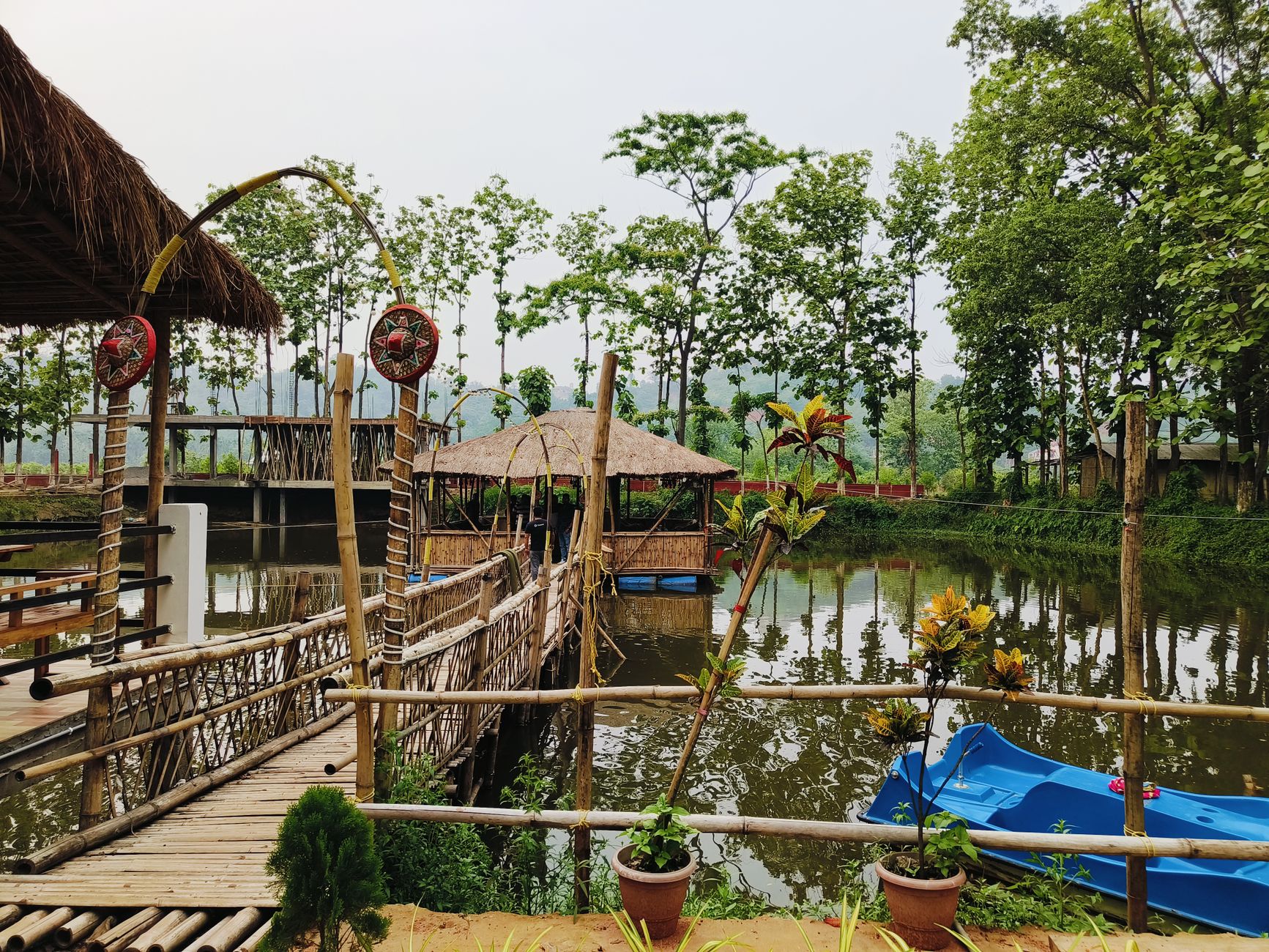
Navigating the Kanepokhari forest demands a shift in rhythm. Trails meander among bamboo culms that rustle softly in the breeze, a characteristic sound acting as a sonic staff for the traveler. Unlike overcrowded tourist enclaves, infrastructure here is minimal and respectful: wooden walkways in the dampest zones, benches built from fallen canes, and educational signage made from local materials explaining the local botany.
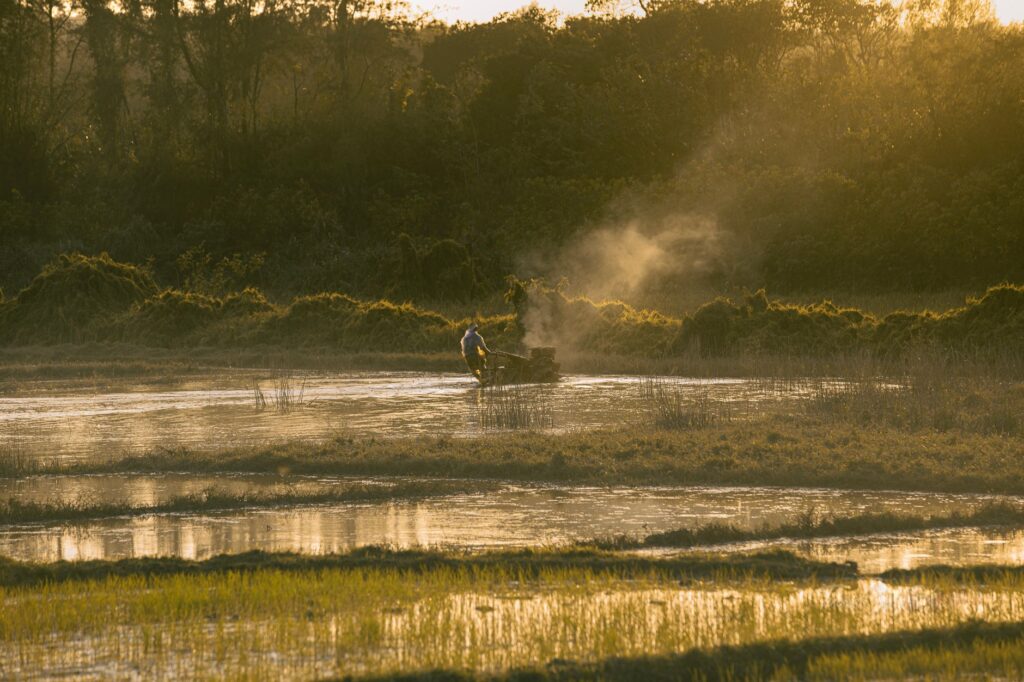
Access to the site has been carefully integrated into the district’s rural road network. Although most visitors arrive by light motor vehicles or motorcycles from nearby Biratnagar, local authorities and community committees encourage bicycle use and long walks from neighboring villages. This approach not only reduces the tourism carbon footprint, but allows travelers to experience the gradual transition from the bustling main road to the deep serenity of the forest.
Bamboo is not merely a versatile plant; it is the silent guardian of ecological resilience in the lowlands of Nepal.
Biodiversity and Microclimates Beneath the Green Canopy
The ecological value of Kanepokhari transcends aesthetic appeal. Bamboo possesses an extraordinary capacity for carbon sequestration and soil moisture retention, acting as a natural sponge regulating the local hydrological cycle. During the rainy season, the dense root network prevents severe riverbank erosion, while in the dry season it slowly releases moisture, keeping alive the streams that sustain surrounding agriculture.
From a faunal perspective, the grove is a paradise for birdwatching. Species such as bulbuls, various kingfisher varieties, and minor raptors utilize the dense foliage for nesting and hunting. Local naturalists note that with reduced noise pollution and strict habitat protection, the presence of small mammals like the small Indian civet and several fruit-eating bat species has rebounded notably over the last three years, evidencing nature’s rapid recovery capacity when given breathing room.
Culture, Traditions, and the Social Fabric of the Terai
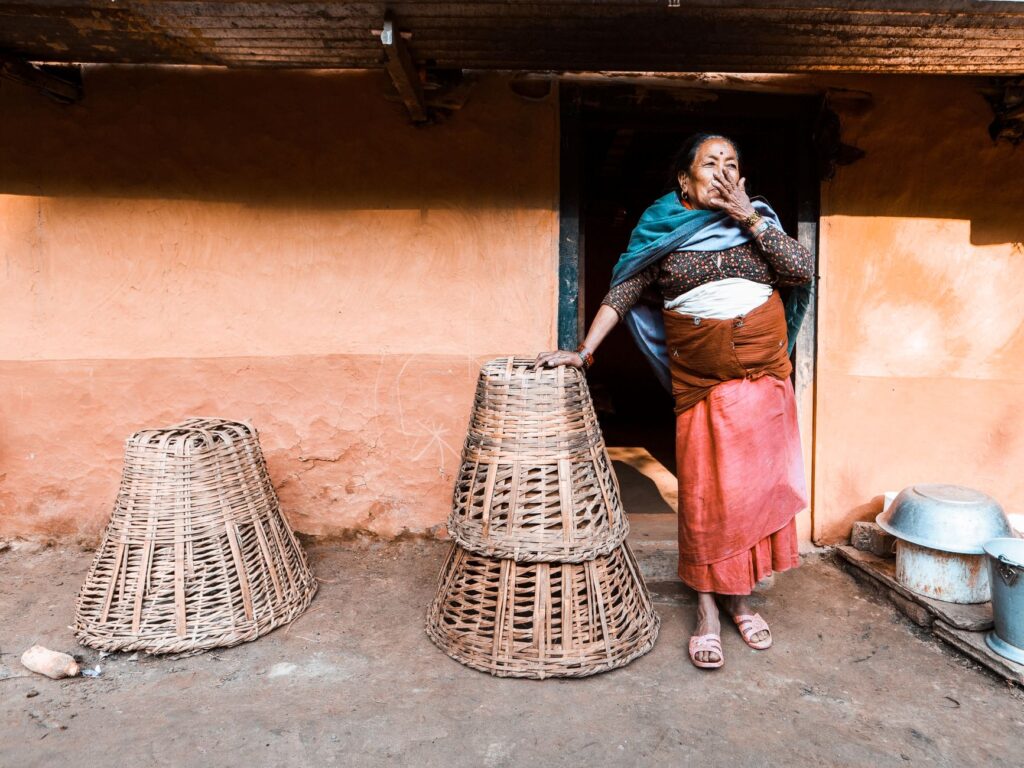
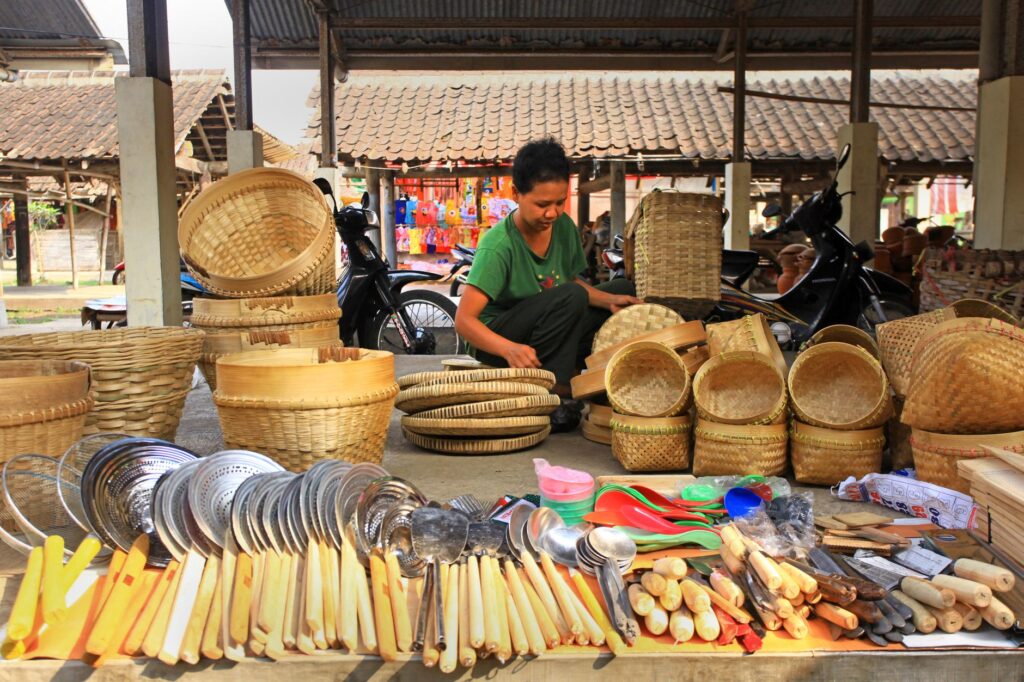
Ecotourism in Kanepokhari is not limited to botanical contemplation; it is also a meeting point with the rich cultural diversity of the Terai. Communities living along the forest margins belong to diverse ethnic and linguistic groups, each harboring a unique ancestral relationship with forest resources. Bamboo, in particular, occupies a central place in the region’s material culture, employed since antiquity for constructing traditional wattle-and-daub houses, crafting musical instruments, and creating agricultural utensils.
The influx of visitors has revitalized traditional knowledge that risked disappearing with the arrival of plastic goods and industrial building materials. Village elders now participate in open workshops demonstrating traditional bamboo weaving techniques to youth and tourists, transforming intangible heritage into a tool of social cohesion and identity pride. This human dimension prevents ecotourism from becoming a commercial showcase, transforming it instead into a living intergenerational dialogue.
Practical guide
How to get there: The site is located in the Kanepokhari rural municipality, Morang district, Koshi Province, Nepal. The most accessible route is flying from Kathmandu to Biratnagar Airport, then taking a taxi or local transport northward along the main highway for approximately one hour.
Best time to visit: Months between October and January offer the most pleasant weather conditions with mild temperatures and minimal rainfall. The monsoon season (June to September) features muddy trails, though the forest displays peak chromatic splendor.
Accommodation and services: Large hotel complexes are absent nearby, preserving the rural character. Visitors are advised to stay in family-run guesthouses in Biratnagar or community homestays in nearby villages supervised by the local committee.
Environmental etiquette: Lighting fires, discarding plastic waste, or collecting plant samples is strictly prohibited. Hiring accredited local guides is recommended to directly support community income and ensure safe wildlife observation.
The Threshold of Memory and the Green Future
At twilight, when oblique tropical sun rays pierce the tall bamboo culms and cast geometric shadows on the dirt path, Kanepokhari reveals its most intimate dimension. It is not a theme park designed for quick consumption, but a healing landscape—a tangible reminder that environmental degradation is not an irrevocable destiny if collective will exists to reverse it. Visitors leaving the forest often carry away more than photographs: they bear the quiet certainty that nature conservation in South Asia depends as much on science as on the dignity of local communities guarding it daily.
This corner of the Morang district demonstrates that ecotourism, when conceived as mutual respect rather than extractive exploitation, possesses the power to heal the land and mend the social fabric. As long as the wind’s whisper continues to sway the green canopy of Kanepokhari, the Terai plains will keep alive a fragile, beautiful promise for the future.
Source in EN: Nepalnews.com