
Silence Over the Ranyas: The Anteroom of Aquila Adalberti’s Realm
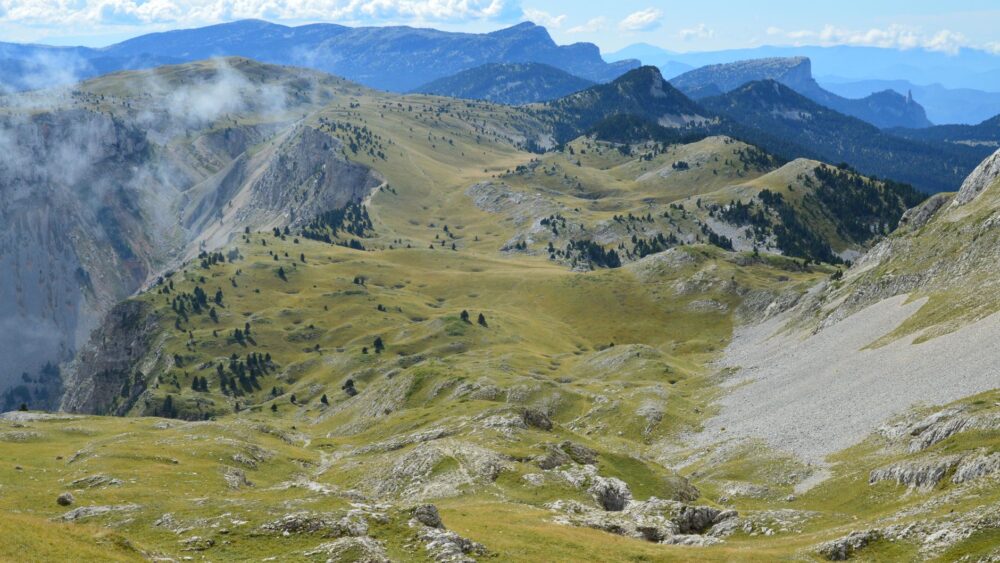
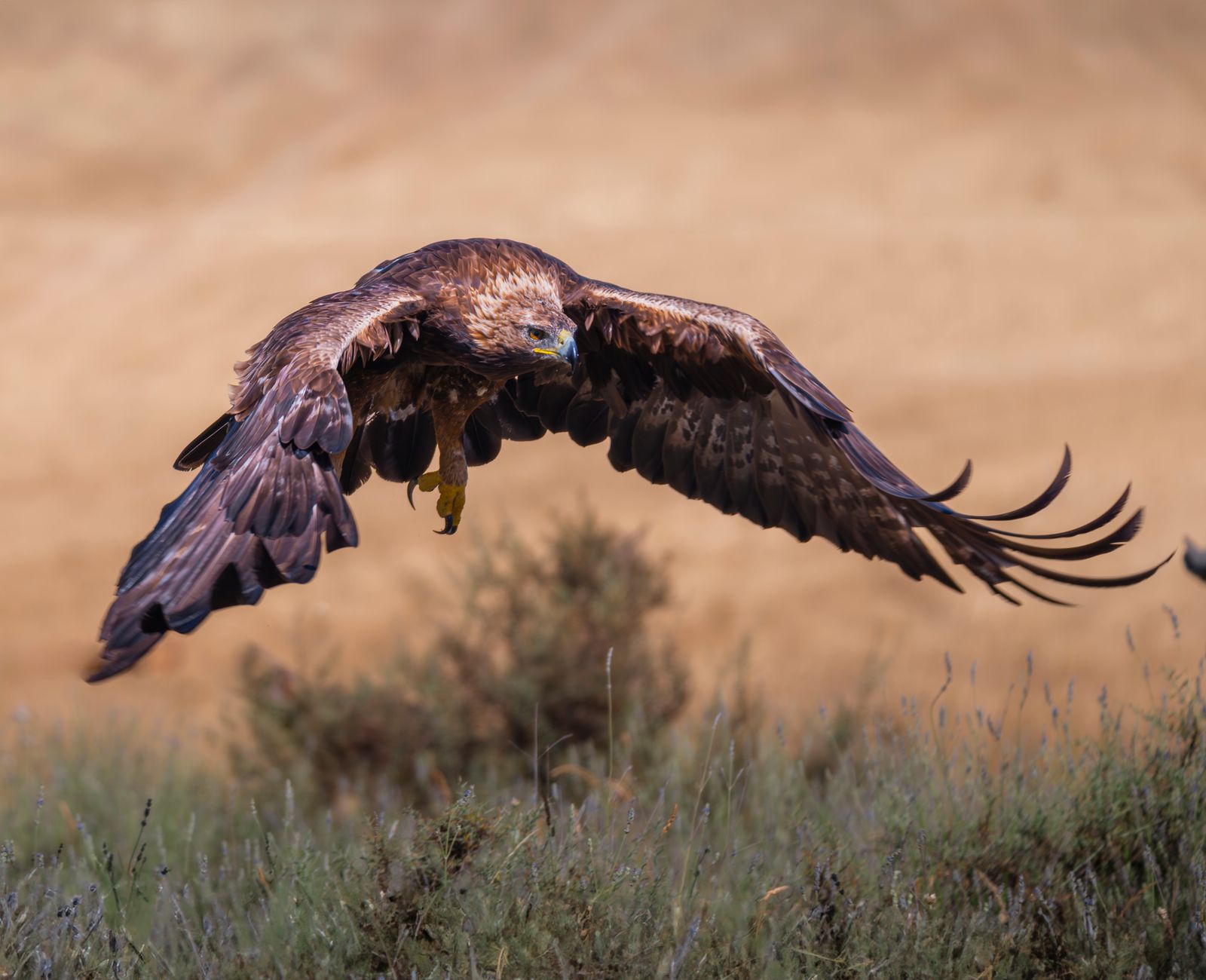
Dawn in the Montes de Toledo does not announce itself with fanfare, but with the gradual fading of mist over the ranyas. These flat expanses, flanked by rolling hills covered in rockrose, mastic, and centenarian holm oaks, form one of the oldest and most singular landscapes in the Iberian Peninsula. Here, land management has historically oscillated between extensive livestock farming, big-game hunting estates, and a forestry vocation that today finds its most pressing raison d’être in the conservation of biodiversity. Across this biogeographic chessboard, the Iberian imperial eagle (Aquila adalberti) acts as the undisputed apex of a complex trophic pyramid.
For decades, this endemic raptor of southwestern Europe brushed against the abyss of extinction. Direct persecution, the indiscriminate use of poisoned baits, and the progressive degradation of its habitat reduced its population to fewer than thirty breeding pairs in the late nineteen-seventies. Today, thanks to rigorous scientific monitoring programs, specimen reintroductions, and the commitment of private forest owners, the species is experiencing a slow but steady recovery process. However, the challenge is no longer merely numerical, but structural: guaranteeing genetic connectivity among isolated populations in a territory increasingly fragmented by human infrastructure.

Biology and Territoriality of a Winged Giant
Understanding the ecology of Aquila adalberti requires observing nature on another temporal and spatial scale. Unlike other large eagles of Holarctic distribution, this species maintains a strong dependence on mature Mediterranean forests for nesting, preferring the most robust arboreal specimens—primarily cork oaks and holm oaks—that emerge above the surrounding forest canopy. Their nests, colossal structures built with thick branches and repaired year after year, act as true ecological epicenters where the generational handover of the species is decided.
The conservation of the Iberian imperial eagle depends not only on the protection of its nests, but on the integral preservation of the vast areas of scrubland and pasture where it hunts its primary prey: the wild rabbit.
The reproductive success of the species is inextricably linked to the demography of a single keystone species: the wild rabbit (Oryctolagus cuniculus). Successive epizootics of myxomatosis and rabbit hemorrhagic disease have hit lagomorph populations hard, forcing eagles to diversify their diet toward other prey such as hares, woodpigeons, and occasionally carrion. Nevertheless, bioenergetic studies demonstrate that the successful rearing of chicks requires a stable density of rabbits during the spring. The loss of this basic resource triggers reproductive failures even in established pairs with optimal territories.
Forest Fragmentation and the Clash with Human Infrastructure
Despite regulatory advances in environmental matters, the Montes de Toledo and their areas of influence are not an ironclad territory against anthropogenic pressure. The expansion of medium and high-voltage power lines continues to represent one of the main causes of non-natural mortality for juvenile and subadult specimens, which often use metal towers as hunting perches without realizing the risk of electrocution. The correction and underground burial of these lines have progressed remarkably over the past two decades, but the pace of electrical grid adaptation often lags behind the dispersal of young individuals.
Another critical front is collision with game-fence wire and genetic isolation resulting from the construction of highways and secondary roads without adequate wildlife crossings. A breeding territory can range from one thousand to over three thousand hectares, a vital space that demands clear ecological corridors. When a mature forest fragments into disconnected parcels, young individuals encounter serious difficulties in dispersing toward new home ranges, which increases inbreeding and reduces the overall resilience of the Iberian metapopulation against climatic or sanitary disturbances.
Private Forest Management as an Unexpected Ally
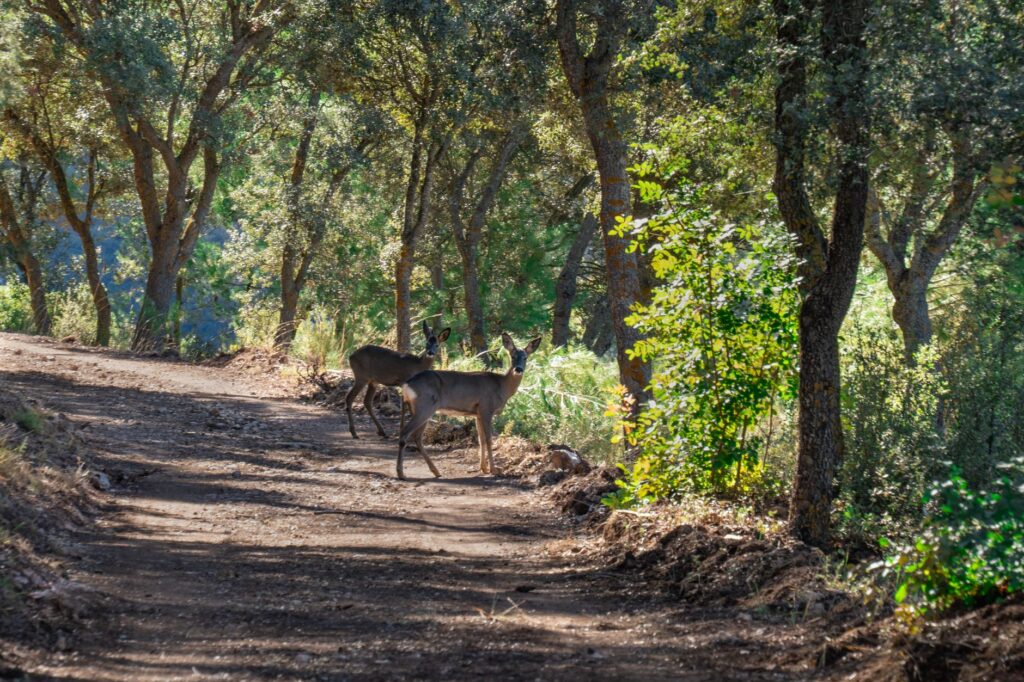
One of the most fascinating features of the conservation model in the Montes de Toledo lies in the role of large game estates and private agroforestry properties. Unlike what occurs in publicly owned national parks, a very significant portion of the Iberian imperial eagle’s breeding habitat sits on privately owned land traditionally dedicated to red deer and wild boar hunting. Far from being hostile spaces, many of these estates have found in the raptor’s presence an added-value status and a tacit commitment to Natura 2000 guidelines.

Sustainable hunting management plans have begun to integrate the protection of nest trees, prohibiting drastic clearing and logging within a critical radius of five hundred meters during the sensitive breeding period, which extends from January to July. Likewise, the installation of artificial water points and the restoration of brushpiles to foster rabbit populations are common practices financed in many cases through land stewardship agreements between public administrations, conservation foundations, and private owners. This delicate balance demonstrates that large-scale conservation in Western Europe can rarely dispense with private property, demanding bridges of dialogue and transparent financial compensation.
The Dispersal Flight of Juveniles: The Nomadic Years
The life cycle of the imperial eagle includes a phase as critical as it is fascinating: the juvenile and subadult period, which lasts for the first four or five years of life before attaining definitive adult plumage and acquiring a territory of its own. During this nomadic stage, specimens born in the Montes de Toledo can travel hundreds of kilometers, crossing the central plateau and even reaching North Africa or southern Portugal. Satellite cartography using GPS transmitters has revealed unpredictable migratory routes and made it possible to document the main wintering and resting areas of young individuals.
This juvenile dispersal phase is a true stress test for the population. Exempt from the protection of parental territory, winged youth faces inexperience in hunting, competition with territorial adults, and higher exposure to dangerous power lines and illegal poisons. Data provided by radio-tracking programs indicate that the mortality rate during the first year of life can exceed forty percent. For this reason, wildlife recovery centers perform surgical work by rehabilitating and reintroducing rescued specimens with minor injuries, indirectly reinforcing demographic flow toward peripheral areas of the species.
The Impact of Climate Change on the Mediterranean Forest
On the horizon of Iberian imperial eagle conservation looms a transversal and complex threat: climate change. Climate projections for the Iberian Peninsula point to a sustained increase in summer temperatures, recurring episodes of prolonged drought, and a drastic alteration in precipitation regimes. These meteorological factors directly impact the structure of Mediterranean forests, weakening the vegetative vigor of holm oaks and cork oaks while favoring the proliferation of forest pests and severe wildfires capable of destroying historical breeding territories in a matter of hours.
Persistent drought not only withers the plant landscape, but collapses local trophic chains, drastically reducing pasture availability for rabbits and altering the reproductive cycles of birds.
Furthermore, extreme heat waves during the spring months can cause severe thermal stress in immature nestlings, forcing parents to redouble their efforts to provide shade and water rather than hunting. Adapting to this new scenario requires rethinking forest management plans, betting on the diversification of native tree species, the creation of water reserves in the forest, and active surveillance against the extreme risk of wildfires in areas of maximum breeding density.

Practical Guide
Planning a respectful and scientific approach to the habitats of the Iberian imperial eagle in Castilla-La Mancha requires rigor, patience, and strict compliance with current environmental regulations.
- When to go: Autumn and winter months offer the best weather conditions for hiking and birdwatching in the Montes de Toledo, completely avoiding any interference with the species’ breeding period, which runs from January to July.
- Access and restrictions: A large portion of nesting territories are located within private estates or Special Protection Areas for Birds (SPA) with regulated access. The use of drones or approaching closer than one kilometer to identified nest trees is strictly prohibited.
- Where to get information: The Cabañeros National Park Interpretation Center and the provincial environmental offices of Toledo and Ciudad Real offer updated information on permitted hiking routes and public use regulations.
- Essential gear: High-luminosity binoculars (8×42 or 10×42) and spotting scopes with tripods are essential for distant observation without disturbing wildlife, alongside technical mountain footwear and subtle-toned clothing.
- Code of conduct: Maintain silence at authorized viewpoints, stay on marked trails, and report any dangerous electrical infrastructure or poaching practices to environmental agents or the Seprona.
Visual Epilogue: The Sentinel of the Castilian Horizon
When the sun declines over the rolling summits of the Montes de Toledo, dyeing the horizon in deep ochres and ash violets, the unmistakable silhouette of an imperial eagle glides in wide concentric circles over the ranya. On its dark wings, speckled with the characteristic white shoulder patches that betray its maturity, rests the living memory of an ecosystem that has resisted the push of time and rural abandonment. Observing this superb flight from the prudent distance imposed by respect and science reminds the traveler that the true wealth of these landscapes lies not in their conquest, but in their silent, unwavering, and fragile permanence.