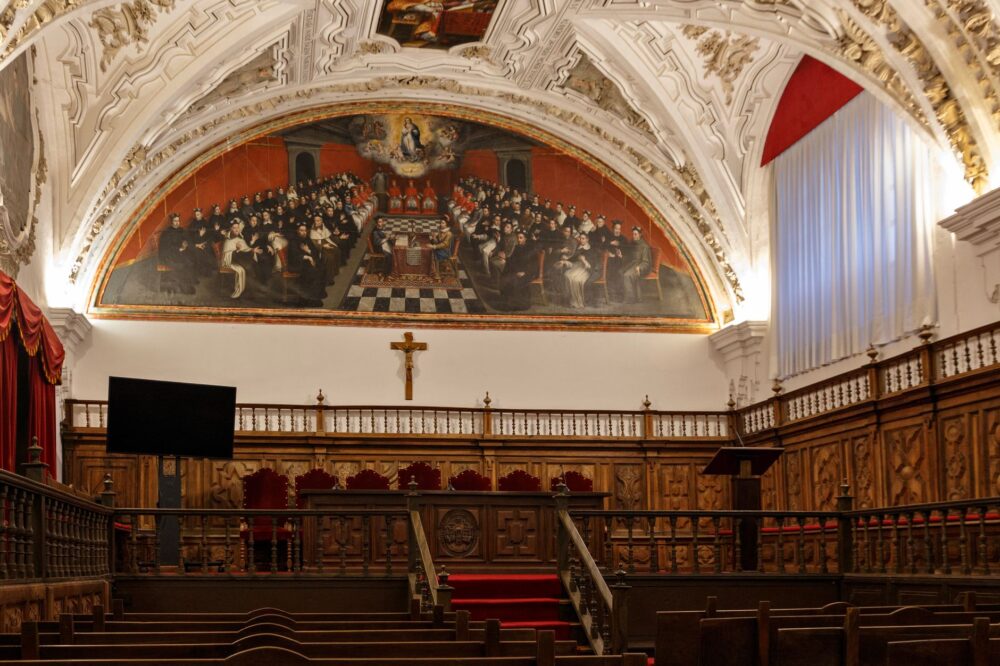
Cadiz thrusts into the sea like a limestone arrowhead, a territory where saltwater not only surrounds the landscape but defines the mental structure, memory, and appetite of its inhabitants. At the heart of this luminous white labyrinth, the Central Market has stood since the 19th century as a secular cathedral dedicated to the cult of fresh produce. Beneath its neoclassical square structure and central courtyard, the echoes of maritime voices mingle with the cries of seagulls and the crunch of melting ice. People come here not merely to buy dinner, but to take part in an ancient liturgy connecting the depths of the gulf with the most demanding tables of the Iberian Peninsula.
The building’s architecture, designed by architect Juan de Dios de la Vega and inaugurated in 1838 on the site of the former Descalzos convent, represented a hygienic and urban revolution for its time. Its forged iron stalls and white marble slabs draw a geometric perfection where each marine species finds its altar. Entering its halls at dawn, when the lights of the Bay barely begin to gild the maritime facades, is to glimpse the true pulse of a city that has turned historical scarcity into a masterclass of culinary ingenuity.
The Invisible Geography of the Estuary and Marshland
The pulse of the tides and the art of salt
To understand the gastronomic magnitude dispensed behind Cadiz counters, one must look beyond the urban seawall toward the estuaries and salt marshes flanking the Bay of Cadiz Natural Park. These ancient salt-making grounds, now converted into natural nurseries for extensive aquaculture, harbor a unique ecosystem. In this amphibious environment, where ocean water penetrates rhythmically at the moon’s command, species such as sea bream, sea bass, sole, and abundant prawns thrive, feeding on natural plankton without artificial feed. The result is firm flesh endowed with an unmistakable mineral elegance that betrays the saline profile of the seabed.

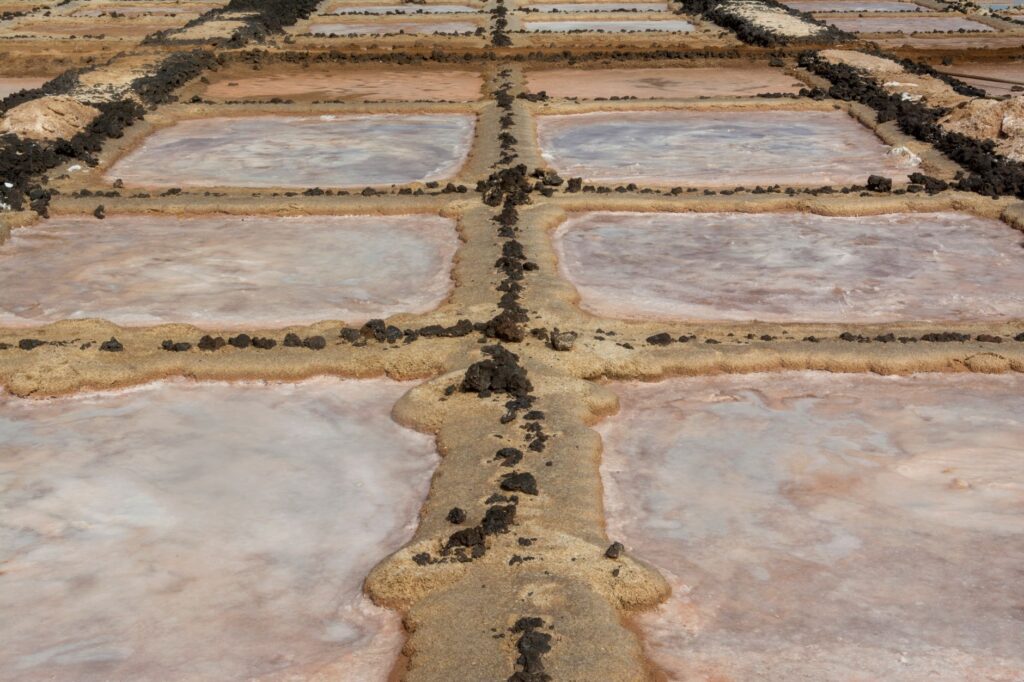
The pleasures of this amphibious larder cannot be grasped without the culture of salt, a Phoenician heritage that has left an indelible mark on the area. Artisanal salt pans, with their geometric shapes reflecting the blue sky, continue to operate under ancestral methods of solar evaporation. Fleur de sel, gathered manually with delicate care by salt workers, acts as the definitive catalyst enhancing the purity of each piece of fish. It is this constant dialogue between the tide, fertile mud, and white crystal that endows Cadiz cuisine with its unmistakable and subtle complexity.
The fish market and the counter: from sea to ice
The transition from inshore fishing boats to the stalls of the Central Market is a choregraphed routine timed to the millimeter. At six in the morning, the Cadiz fish market buzzes with the auction of the previous night’s catch. Wild sea bass, rock seabream, impressive wreckfish, and coveted trap-caught bluefin tuna parade before the eyes of wholesalers and local restaurateurs. The pleasures of this auction demand encyclopedic knowledge of species, regulated sizes, and sustainable fishing gear still practiced by the area’s veteran sailors.
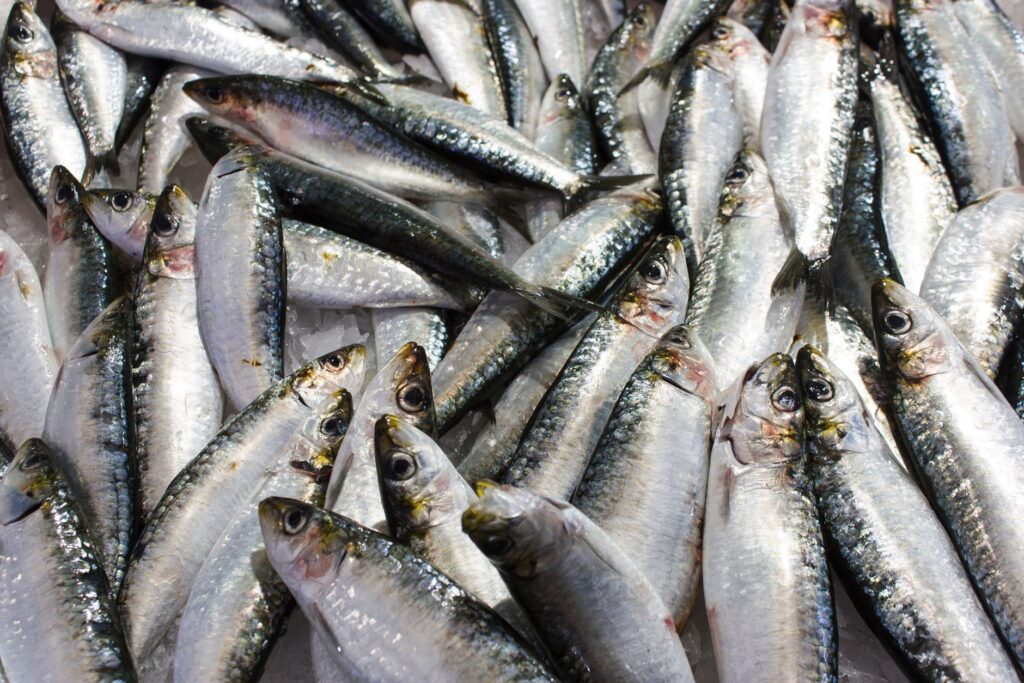
Once acquired, transport to the market takes place in a matter of minutes, guaranteeing that the rigor of freshness remains intact. At the stalls, visual pleasures multiply: the silver scales of sardines shine like tiny mirrors, octopus tentacles still show reflections of their time among the rocks, and channel oysters open with mere whispers. The pleasures of human interaction, exchanged jokes, and the closeness of daily pleasures turn each transaction into a masterclass in cultural anthropology.
The Kingdom of Silver and Scale: Treasures of the Atlantic
The bluefin tuna of almadraba and its sacred anatomy
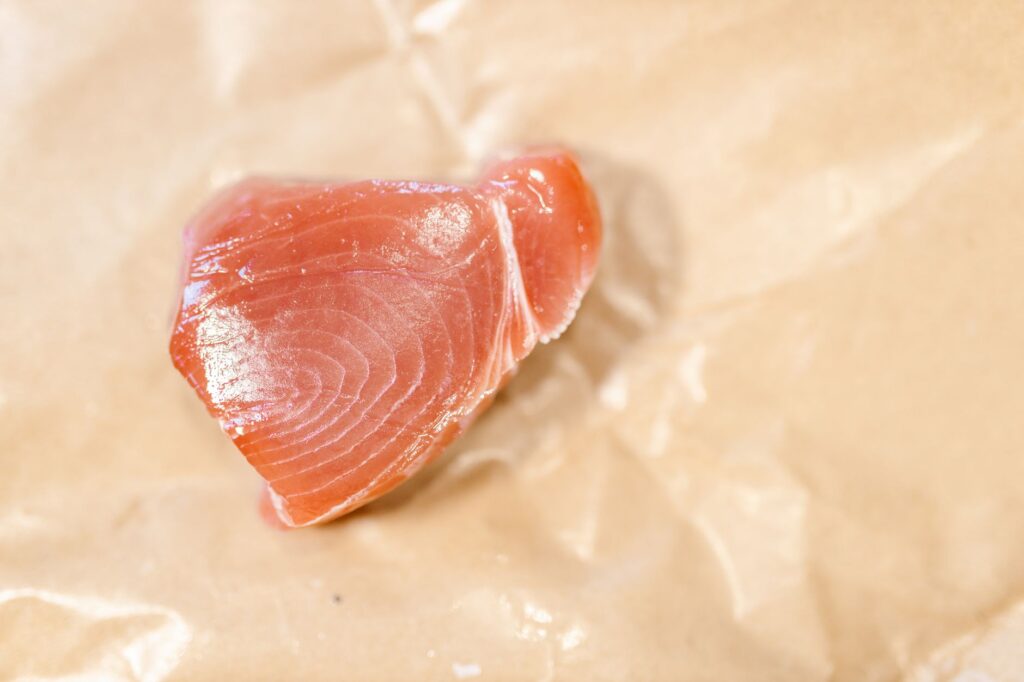
No journey through the gastronomy of the Bay would be complete without stopping at the undisputed king of its waters: the trap-caught bluefin tuna known as almadraba. This fixed fishing gear, inherited from the Phoenicians and Romans, sustainably captures specimens during their migration toward the Mediterranean to spawn. At the market, specialized stalls display different cuts with almost surgical precision reminiscent of the finest butchery. From the descargamento to the tarantelo, passing through the morrillo and the recognizable galete, each part possesses a fat percentage and texture demanding specific culinary techniques.
The pleasures of tasting fine bluefin tuna lie in the simplicity of its preparation so as not to mask its nobility. A knife-cut tartare with a few drops of local extra virgin olive oil, or a tarantelo seared briefly on a hot griddle, reveal a deep, almost meaty flavor that disorients those who associate fish exclusively with lightness. The mastery of Cadiz cutters, wielding long blades with the skill of master goldsmiths, is another silent spectacle witnessed every morning among the market aisles.
The invisible science of the perfect fry
Countering the myth that frying is a minor art, Cadiz cuisine elevates fish frying to high popular technology. Around the market and in its tavern bars, dogfish marinated in cumin, oregano, garlic, and sherry vinegar—known as cazón en adobo—shrimp fritters (tortillitas de camarones), delicate crunchy lace where vegetable and crustacean merge, and small soles are immersed in clean olive oil at high temperatures. The secret lies not solely in oil quality or heat level, but in the fineness of the chickpea flour used for the batter, sealing interior juices without absorbing unnecessary fat.
The market is not merely a place where goods are exchanged, but a living archive where the memory of the sea becomes nourishment and shared culture.
The result is an ethereal, crunchy exterior texture yielding immediately to the tenderness of the marine product. Far from being a heavy dish, a good Cadiz fry demands light digestion and flavor balance where vinegar acidity or natural shrimp sweetness act as a perfect counterpart. This mastery of fire and oil is the legacy of centuries of cultural cross-pollination, where Tartessians, Phoenicians, Romans, and Arabs left their mark on the province’s pots.
The Repertoire of Marshland and Orchard
Seafood stews and the coastal orchard larder
The cuisine of the Bay also knows how to take shelter when the easterly wind blows fiercely against the city walls. Spoon stews, heirs to galley cooking aboard ancient galleons, find their fundamental raw material in market produce. Gazpuelo, potatoes with cuttlefish, or rice with royal prawns are preparations where broth, crafted from fish heads and slow-cooked soffritto of onion and tomato, reaches depths of profound umami concentration. These recipes prove that Cadiz cooking does not live exclusively on raw or fried produce, boasting a solid tradition of braised dishes.
A few kilometers from the fish stalls, the market gardens of the Northwest Coast and the Campiña estates supply vegetables accompanying marine produce. Sanlúcar artichokes, lowland tomatoes, and early regional potatoes provide the acidity, sweetness, and earthy texture necessary to balance the intensity of the sea. It is a perfect geographical marriage between saline sand and alluvial soil manifesting in every combination plate emerging from modest roadside ventorrillos and taverns.
The wines of the land and the culture of mosto
No gastronomic analysis of this territory is complete without mentioning its wines. The proximity of the Sherry Triangle imbues Cadiz culinary culture with an unmistakable imprint. Sanlúcar Manzanillas and Jerez Finos, with their characteristic flor yeast veil and pronounced salinity, act as the perfect palate cleanser for fatty fish and fried dishes. The wine’s iodine dialogues one-on-one with the sea’s iodine, creating a gustatory synergy seemingly designed by nature itself.
During winter months, the tradition of mosto—young, un-oak-aged, cloudy, and fresh wine—takes center stage in regional taverns and cellars. Accompanied by slices of roasted estuary fish or olives seasoned with bitter manzanilla, mosto represents the most popular and festive facet of local viticulture. This communion between vine fruit and marshland riches consolidates a proximity consumption model envied today by international gastronomic trends.
Practical guide
How to get there and get around
The Central Market of Cadiz is located right in the historic center (Plaza de la Libertad), a pedestrian space of narrow streets where walking is the recommended way to get around. To reach the city, the Medium Distance train network connects efficiently with Seville and Jerez de la Frontera. Jerez Airport (XRY), located about 45 kilometers away, is the nearest international terminal with direct connections to major European hubs. If choosing a private vehicle, several underground parking lots exist near the walls, though driving inside the old town is discouraged due to traffic restrictions.
When to visit and shopping tips
The best time to visit the Central Market is Tuesday through Saturday, between 8:00 AM and 1:00 PM, the peak period of activity at fish and seafood stalls. On Mondays, marine supply is noticeably lower due to the fishing fleet resting over the weekend. To enjoy the gastronomic tasting stalls integrated within the market—popularly known as the Gastronomic Corner—arriving early is advisable to avoid waits. Carrying cash for minor purchases at traditional stalls is recommended, although most now accept card payments.
True luxury at the contemporary table is no longer ostentation, but the ability to connect with the exact origin of what we eat.
Essential products to acquire or taste on-site include almadraba bluefin tuna (in spring season), Bay soles, Sanlúcar prawns, and battered sea anemones. For those wishing to deepen their knowledge of salt pans and estuaries, local companies organize guided tours with paired tastings, an indispensable experience to understand the complete cycle of this unique ecosystem in southern Europe.