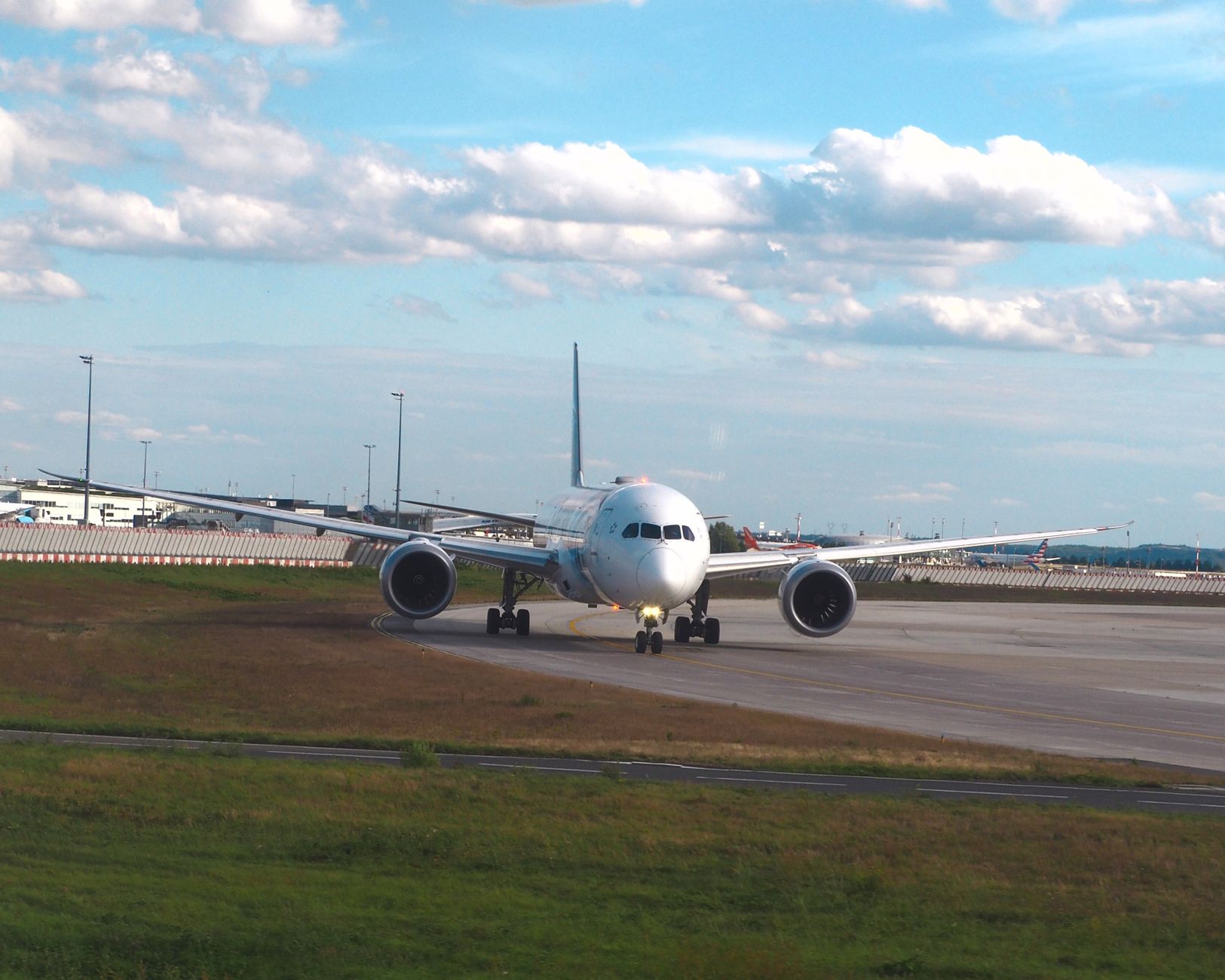

The stability of the airspace over the Arabian Peninsula is currently facing one of its most delicate periods following recent Houthi militia attacks and Saudi Arabia’s subsequent military response. This cycle of action and reaction not only redefines the Middle Eastern geopolitical landscape but also directly impacts the heart of one of the Kingdom’s most dynamic industries: its transport and commercial aviation sector. At a time when the country is investing billions of dollars to position itself as the ultimate logistical nexus between three continents, the security of its skies has become the determining factor for the confidence of international airlines and global passengers.
The increase in drone and missile incursions into Saudi territory has forced civil aviation authorities to bolster their defense and surveillance protocols. As Riyadh seeks to consolidate its new flagship carrier, Riyadh Air, and expand its airport infrastructure in Jeddah and the capital, the military incidents on the southern border cast a shadow of uncertainty over long-term operational viability. This report analyzes how the conflict in Yemen is shaping flight routes, insurance costs, and safety perceptions in one of the world’s busiest air corridors.
Escalation in the Arabian Peninsula: A New Chapter
The recent intensification of attacks launched from Yemen has marked a turning point in regional security. Saudi Arabia, leading a military coalition in support of the internationally recognized Yemeni government, has responded with precision airstrikes on strategic positions in Sana’a and other rebel-controlled provinces. This dynamic of direct confrontation has placed air traffic control centers across the Kingdom on high alert, particularly in the border regions of Asir and Jizán, where proximity to the conflict is immediate.
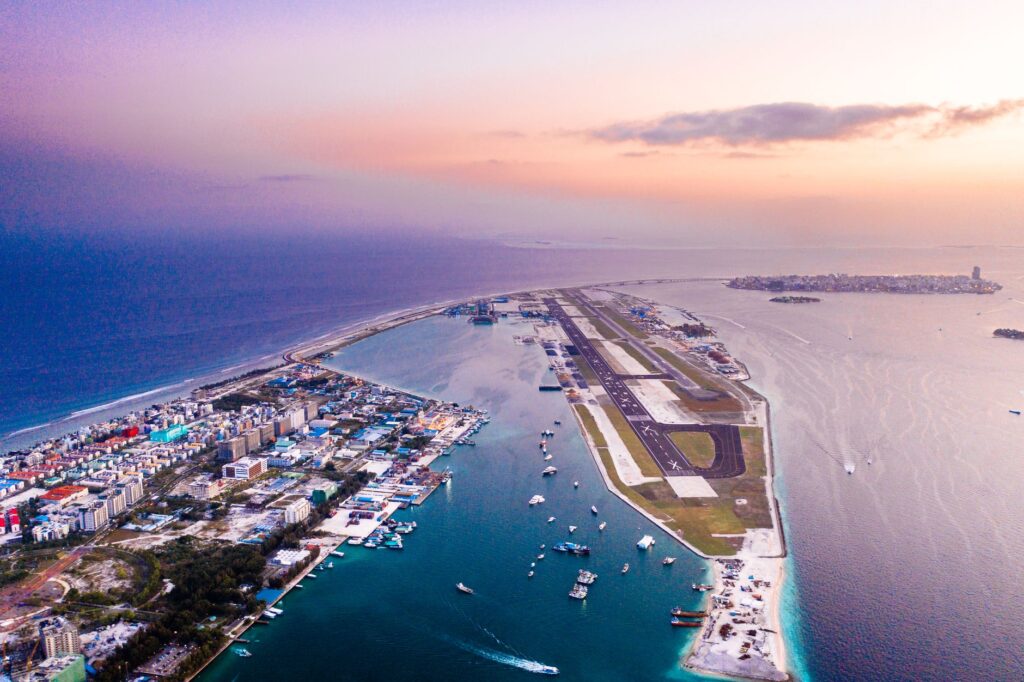
Historically, Abha Airport has been one of the most vulnerable points, suffering sporadic attacks that have affected commercial operations in the past. However, the growing sophistication of Houthi attack systems, which now include long-range drones and ballistic missiles, extends the threat toward more distant urban centers. The Saudi response, focused on neutralizing launchers and ammunition depots, seeks to restore a sense of control that is essential for the uninterrupted flow of goods and people.
«Aviation security is non-negotiable in a global hub; any perception of risk can divert the world’s most profitable trade routes to alternative corridors.»
Despite the intensity of the fighting, the Saudi Ministry of Defense has emphasized that its interception systems, including U.S.-made Patriot batteries, maintain an extremely high success rate. This defense infrastructure not only protects military assets but acts as an invisible shield for the hundreds of commercial flights that cross Saudi airspace every day, connecting Europe with Southeast Asia and Oceania.
Aviation Safety and the Threat of Modern Warfare
For the aviation industry, safety is a metric measured in milliseconds and data precision. Saudi Arabia’s General Authority of Civil Aviation (GACA) has had to work closely with ICAO (International Civil Aviation Organization) to ensure that air corridors remain safe. This sometimes involves the temporary rerouting of flights to avoid areas of high military activity, which translates into longer flight times and a significant increase in fuel consumption.
Emergency Protocols and Rapid Response
International airports in Riyadh and Jeddah have emergency protocols that activate at any sign of an alert in the airspace. These procedures are designed to minimize service disruption while ensuring the physical integrity of aircraft on the ground and on approach. Coordination between military command and civil authorities is now closer than ever, using state-of-the-art radar technologies to distinguish between potential threats and legitimate civil traffic.
- Real-time monitoring of projectile trajectories.
- Direct communication with international airline pilots regarding exclusion zones.
- Evacuation and response drills in passenger terminals.
- Reinforcement of perimeter security at critical transport infrastructures.
The challenge lies in maintaining operational normalcy under an asymmetric threat. While a ballistic missile is detectable and often interceptable, small, slow drones represent a different technical challenge. Investment in electronic jamming systems and anti-drone defenses has moved from a secondary priority to an absolute necessity for protecting civil airfields.
Vision 2030 and the Transport Infrastructure Gamble
Saudi Arabia is in the midst of an unprecedented economic transformation under the Vision 2030 framework. The goal is to turn the Kingdom into a global logistical hub that competes directly with Dubai and Doha. The creation of Riyadh Air, with massive orders for Boeing 787 Dreamliners, is the cornerstone of this strategy. However, the success of this new airline depends on Riyadh being perceived as a safe destination and a reliable connection point.
Industry analysts suggest that the escalation of the conflict could affect the country’s risk rating, which in turn would raise aviation insurance premiums. For an industry that operates on thin profit margins, an increase in security-related operational costs can be the difference between success and stagnation. Nevertheless, the Saudi government has demonstrated remarkable financial resilience, subsidizing part of these costs to ensure that the growth of the transport sector does not halt.
«Transport is the backbone of Vision 2030; without a sky clear of threats, the dream of connecting the world through Saudi Arabia faces severe turbulence.»
In addition to aviation, maritime transport in the Red Sea is also affected. The ports of Jeddah and the new industrial city of NEOM depend on the stability of these waters, which are frequently the scene of tensions related to the conflict in Yemen. The interconnection between air, sea, and land transport is total, and any disruption in one area reverberates throughout the entire national logistical system.
The Strategic Importance of Red Sea Flight Corridors
The Red Sea is not just a vital sea lane; it is also a fundamental air corridor. Airlines flying from London, Paris, or Frankfurt to destinations in the Indian Ocean typically use this space. The escalation of Houthi attacks has caused some companies to consider longer routes over Egypt or even Central Africa, avoiding Yemeni airspace and Saudi border areas. This affects not only local carriers like Saudia but also global giants that depend on the efficiency of these routes.
Saudi diplomacy is working intensely to mitigate these concerns, assuring the international community that its territory is a safe passage. Investments in border surveillance technology have created a technological buffer zone that allows for the detection of launches from Yemeni territory long before they reach areas of civil interest. This early warning capability is what allows air traffic to continue flowing, even during periods of high military tension.
Traveler Sentiment and the Tourism Industry Impact
The Kingdom has opened its doors to international tourism with the introduction of the e-visa, attracting millions of visitors to sites like Al-Ula and the Red Sea beaches. Safety is the number one factor for the leisure traveler. News of attacks and military responses can generate a perception of instability that deters less experienced travelers. However, data shows that the flow of tourists to major Saudi cities has not significantly decreased, thanks in part to the fact that incidents are concentrated in areas far from the main tourist circuits.
The Kingdom’s communication strategy has focused on showcasing the normalcy of daily life and the robustness of its defenses. High-profile events, such as the Formula 1 Grand Prix in Jeddah or the Riyadh Season festivals, continue to be held successfully, sending a message of confidence to the world. The transport industry benefits from this image of control, maintaining its plans for route and frequency expansion.
Practical guide
For those planning to travel to Saudi Arabia or transit through its airports in the coming months, it is essential to follow a series of recommendations to ensure a smooth and safe trip.
- Flight Verification: Check your flight status at least 24 hours in advance. Airlines typically notify passengers of route changes or operational delays through their mobile apps.
- Travel Insurance: Ensure you take out a policy that covers cancellations due to political instability or regional conflicts. Carefully read the fine print regarding «acts of war» or «terrorism.»
- Consular Registration: It is highly recommended to register your itinerary with your home country’s embassy or consulate upon arrival in the Kingdom.
- Areas to Avoid: While tourism is safe in most of the country, authorities generally advise against traveling to areas within 80 kilometers of the border with Yemen.
- News Monitoring: Stay informed through official sources and avoid social media rumors that may cause unnecessary alarm.
- Connectivity: Always keep your phone charged and roaming active or use a local SIM card to receive emergency alerts if necessary.
Adhering to these guidelines allows you to enjoy the cultural and natural wonders of Saudi Arabia with the necessary peace of mind, trusting that the transport infrastructure operates under the highest international safety standards.

Towards a Secure Sky
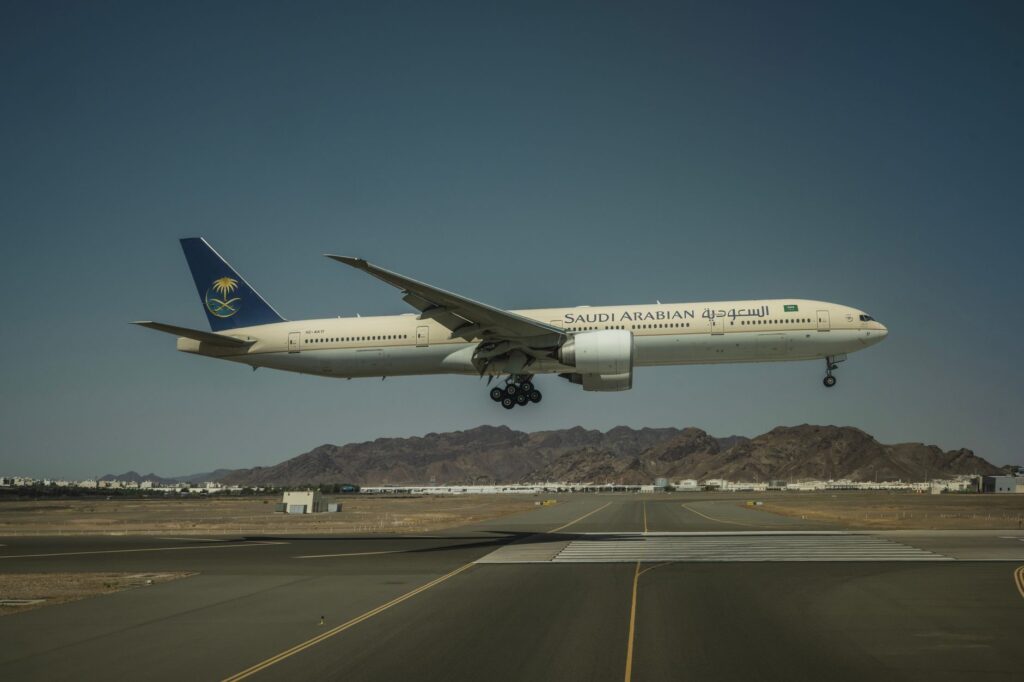
The visual closing of this situation brings us to the faces of those who operate the control towers and maintenance hangars. There is a quiet determination among Saudi Arabia’s ground and air personnel. Despite the roar of the battle being fought at the borders, the commitment to global connectivity remains intact. The image of a commercial aircraft taking off against the desert sunset, escorted by the certainty of sophisticated defense, summarizes the current reality of the Kingdom.
Definitive peace in Yemen remains the ultimate goal to ensure the total security of the peninsula. Meanwhile, the Saudi transport sector continues to navigate turbulent waters with a blend of advanced technology, massive investment, and a resilience that seems to defy the gravity of geopolitics. The future of Saudi skies will depend on the ability of its leaders to balance the military response with the need to keep its borders open to the world.
Source: thetraveler.org via Google News