
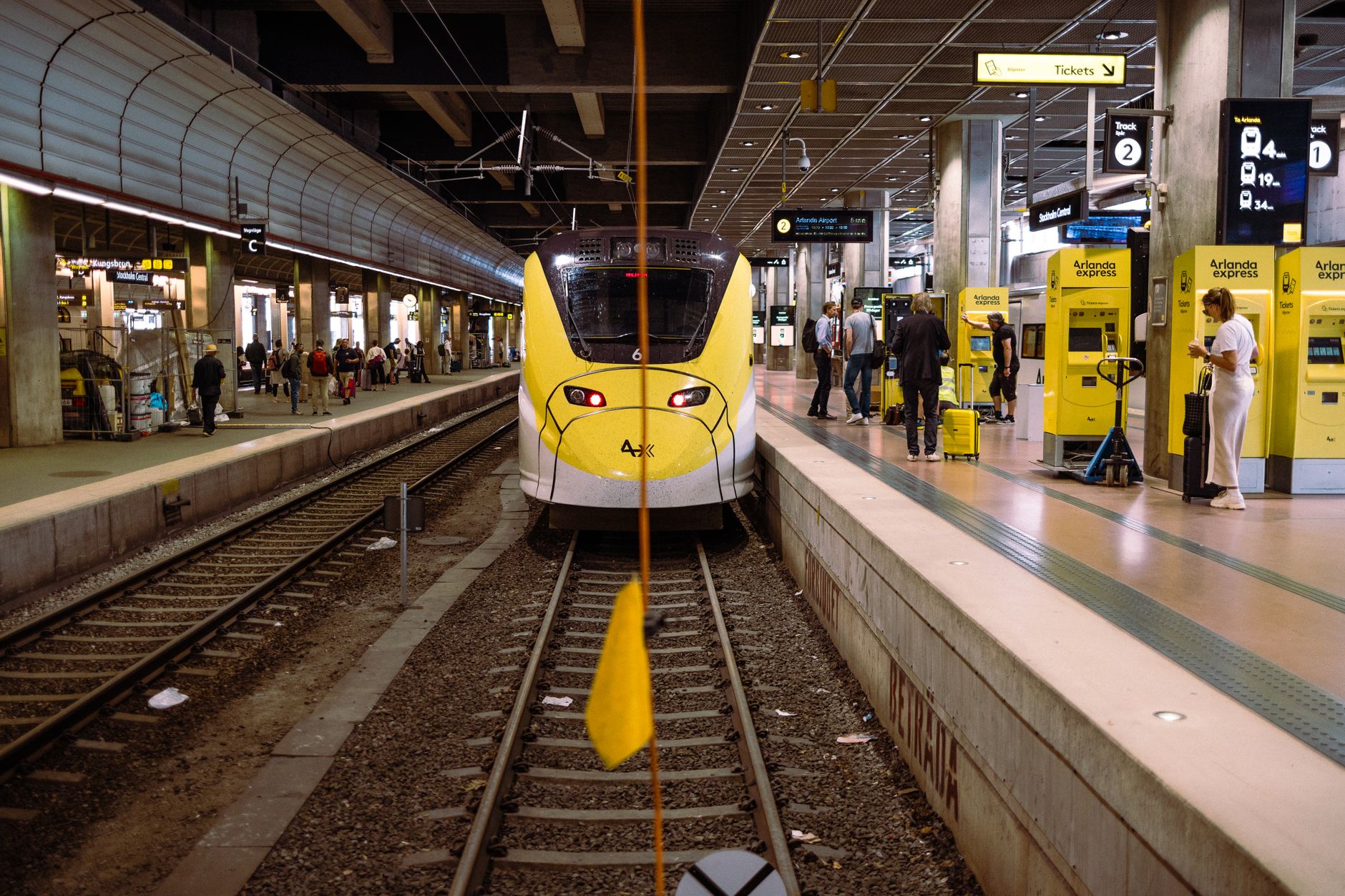

The summer horizon of 2026 across Europe’s primary transport hubs presents a complex mixture of record tourism demand, accumulated labor tensions in critical rail corridors, and the full implementation of stringent automated border controls within the Schengen area. For the contemporary traveler, this means that spontaneity in continental transit is no longer a viable option, but rather an operational risk that can compromise both the budget and the overall viability of the itinerary. Projections from leading airport associations and rail operators indicate passenger volumes will surpass historical pre-pandemic peaks, once again testing the resilience of public and private infrastructure.
Faced with this outlook, transportation authorities across the European Union and independent operators recommend adopting a military-grade logistical mindset, where early ticket bookings, the diversification of secondary routes, and the constant monitoring of union alerts are fundamental pillars to avoid personal burnout in major airports and central stations. Managing expectations thus becomes the first line of defense against the inevitable service disruptions that will characterize the summer months.
The Pulse of the Skies: Airports Under Pressure and New Control Technologies
Major capital airports in London, Paris, Frankfurt, and Amsterdam are approaching the summer of 2026 with reinforced contingency plans, though experts warn that bottlenecks in security checkpoints and European airspace management will continue to cause recurring delays. Terminal overcrowding is not the only stress factor; the gradual rollout of the new Entry/Exit System (EES) at the EU’s external borders is generating uncertainty regarding transit times for third-country nationals, increasing queues at automated passport control gates.
Airspace Management and Meteorological Factors
Adding to structural airport limitations is the chronic congestion of European skies, exacerbated by route restrictions stemming from geopolitical conflicts in the eastern part of the continent. Commercial airlines face mandatory detours that lengthen flight times and burn through greater fuel reserves—an extra cost that inevitably trickles down to final ticket prices. Likewise, extreme heatwaves and severe storms, increasingly frequent during July and August, trigger cascading cancellations that overwhelm customer service desks and automated rebooking systems.
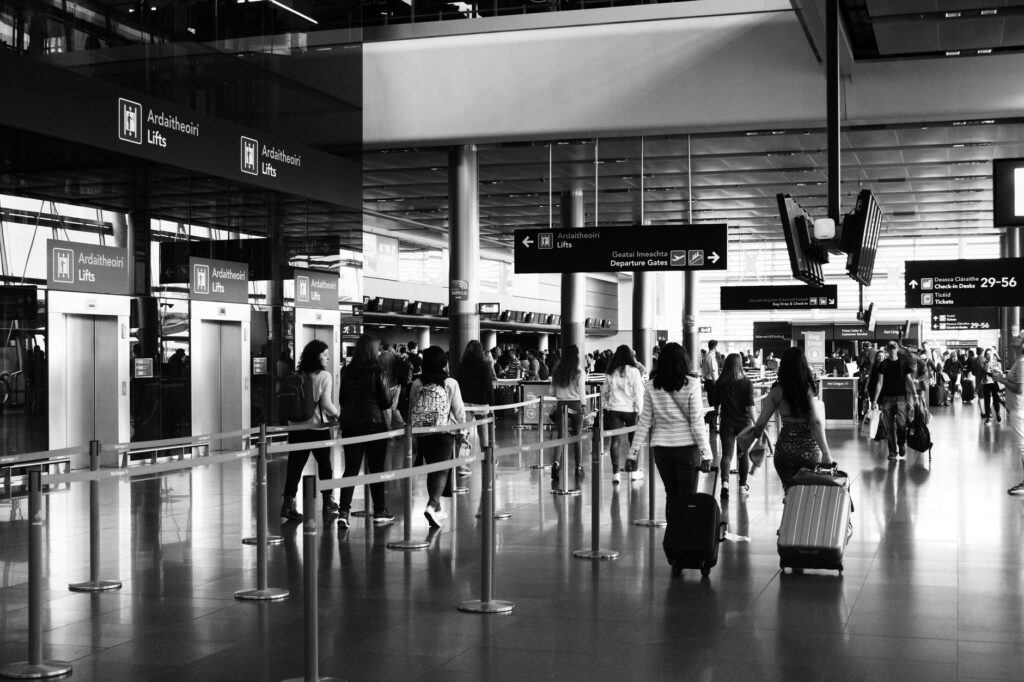
The fluidity of European air traffic depends not only on runway capacity, but on the flawless synchronization between civil navigation, ground handling, and crew punctuality.
The Rail Network Under Scrutiny: Strikes and Infrastructure Modernization
While the skies present constant operational challenges, the backbone of European land transport—the high-speed rail network—is undergoing a period of profound transformation that paradoxically coincides with peak summer demand. In countries like Germany, France, and Italy, intensive maintenance and track renewal plans force partial closures of heavily traveled lines, compelling operators to reroute traffic or replace trains with replacement bus fleets that rarely absorb the full volume of affected passengers.
Labor Unrest and Sectoral Demands
The discontent of train drivers, dispatchers, and ground personnel regarding purchasing power and shift conditions has translated into intermittent strike calls that threaten to paralyze essential international corridors. Unlike previous years, rail unions are adopting flash-strike tactics or staggered sectoral walkouts that make user forecasting extremely difficult. Given this scenario, overnight trains and low-cost private operators emerge as flexible alternatives, though their availability remains severely restricted during high season.
Diversifying purchasing channels and utilizing multimodal mobility apps have become indispensable for plotting real-time alternative routes when a main line suffers an unexpected blockage. Travelers who rely solely on a single direct ticket risk being stranded for hours at intermediate stations without guaranteed assistance.
The Cost of Mobility: Inflation, Dynamic Pricing, and Pocketbook Impact
The economic factor is undoubtedly one of the most decisive elements when designing any journey across Europe in 2026. The combination of accumulated inflation, rising airport and rail fees, and the widespread application of dynamic pricing algorithms has driven up the cost of medium- and long-distance flight and train tickets compared to the previous decade. Last-minute promotional fares have practically vanished on high-demand routes, severely penalizing the spontaneous traveler.
Strategies to Mitigate Budgetary Impact
To counteract this price escalation, mobility experts advise exploring extreme advance booking—up to six months ahead for high-speed rail—and considering regional or continental passes like Eurail, provided per-trip costs are calculated rigorously. Likewise, flying or traveling by train on lower-demand weekdays, such as Tuesdays and Wednesdays, remains one of the few effective ways to bypass disproportionate summer weekend surcharges.
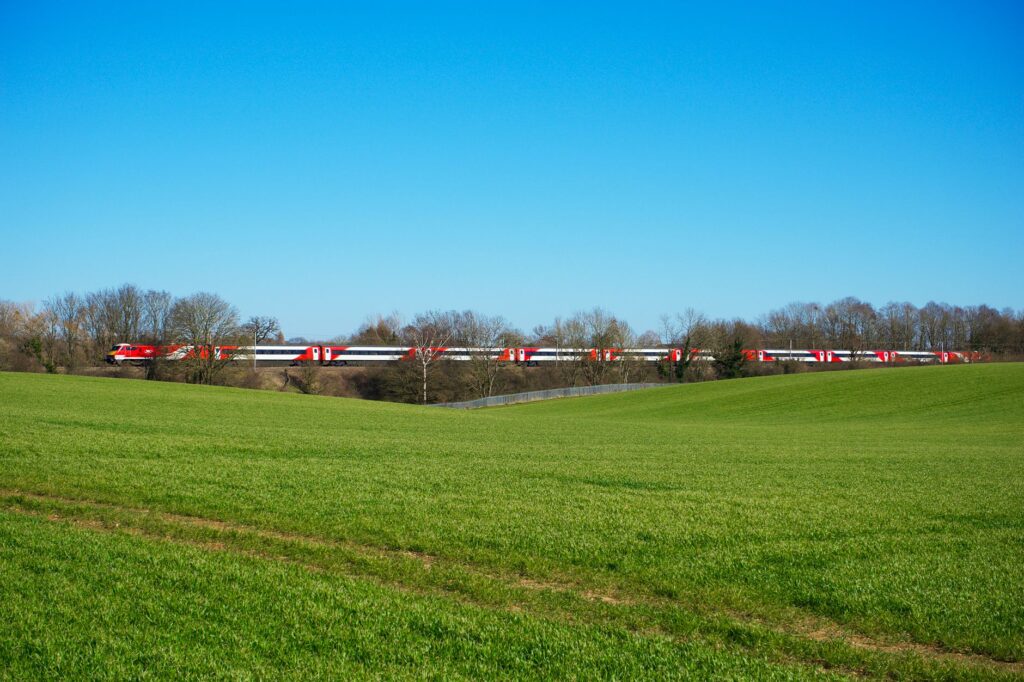
Managing carry-on baggage and eliminating unnecessary services from basic fares remain standard practice to avoid financial penalties at boarding gates and platform access controls.
New Corridors and Alternative Routes to Avoid Crowds
One of the smartest responses to the saturation of traditional tourist axes is diverting toward secondary corridors and regional rail networks connecting regions of high landscape and cultural value without the pressures of major capitals. Emerging operators in central and southern Europe are opening new routes connecting mid-sized cities via modernized fleets and more competitive fares, thereby decongesting primary rail hubs like Paris Gare de Lyon or Berlin Hauptbahnhof.
The Rise of Slow Rail Travel
The concept of slow travel has evolved from a niche trend into a practical and aesthetic necessity. Travelers increasingly opt for regional journeys that prioritize landscape experience over mere travel speed. This modality not only drastically reduces the carbon footprint associated with transport, but also shields passengers from the massive bottlenecks typically affecting major international airports and saturated high-speed lines.
Integrating bicycles on board and improving intermodal connections with local bus networks facilitate the exploration of rural areas and natural parks that previously required renting a private vehicle.
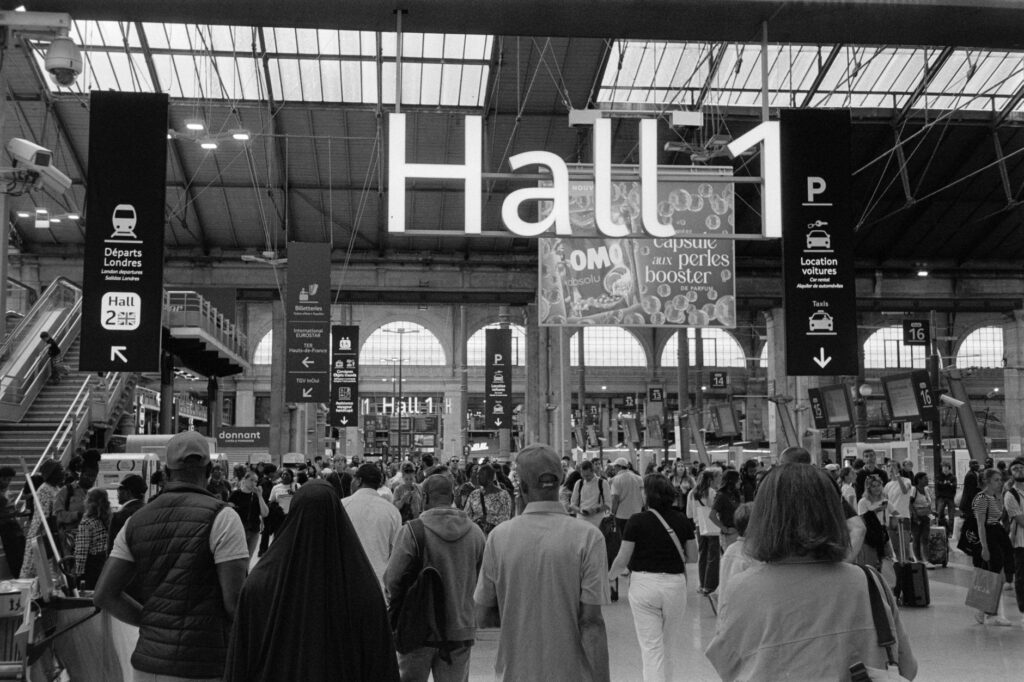
The Border Factor: The New Schengen Regulations and Digital Controls
The summer of 2026 marks a turning point in the management of the European Union’s external borders with the full consolidation of the Entry/Exit System (EES) and preparation for the ETIAS system for visa-exempt citizens. This total digitization of entry records involves the mandatory capture of biometric data—fingerprints and facial images—at the first border-crossing point. Although designed to streamline long-term security, this process is generating monumental bottlenecks at airports, ports, and international land crossings.
Preparing for Customs Queues
Transport operators recommend arriving at departure and arrival points with a buffer that can double the recommended times of previous years. Passengers with tight connecting flights risk missing their links if border control procedures prove slower than anticipated due to the massive volume of summer arrivals. Collaboration between border control agencies and airport managers is crucial, but the ultimate responsibility for anticipating these delays rests directly with the traveler.
Sustainability and Tourist Pressure on Transport Infrastructure
The pressure exerted by massive visitor volumes on transport infrastructure affects not only comfort and punctuality, but raises serious debates about the long-term sustainability of the most coveted destinations. Historic cities and Mediterranean archipelagos are implementing specific tourist taxes for public transport access or drastically restricting the entry of tour buses and cruise ships into urban centers to protect local social fabrics and the environment.
The Balance Between Accessibility and Preservation
Sustainable urban mobility policies demand a joint effort between local governments and transport operators to discourage private vehicle use in high-influx destinations. Encouraging unified transport cards and improving multilingual signage at stations are essential measures to channel traveler flows in an orderly and environmentally respectful manner.
The challenge of European mobility is not moving more people in less time, but ensuring that every journey respects the dignity of territories and the quality of life of their inhabitants.
Practical guide
How to anticipate strikes and delays: Install the official apps of national rail operators and civil aviation authorities in transit countries to receive real-time alerts regarding labor incidents and schedule changes. Maintain flexibility in your itinerary by booking accommodations with free cancellation policies and avoid connections under three hours at large international airports.
Baggage management and border controls: Travel exclusively with carry-on luggage whenever possible to avoid delays at baggage carousels and minimize the risk of airline loss. Prepare for new biometric controls at external borders by checking your passport’s validity and consulting estimated wait times published by airport managers before heading to the terminal.
Ticket alternatives and fares: Systematically compare prices among legacy airlines, low-cost carriers, and private rail operators using independent metasearch engines. Evaluate purchasing flexible regional passes if your route includes multiple short- and medium-distance trips within a concentrated period, paying special attention to mandatory seat reservations on certain high-speed trains.
Journeying across a summer Europe in 2026 requires a clear-eyed perspective, stripped of the false illusion of immediate, friction-free transit. Beneath the surface of arrivals and departures boards and instant booking apps lies a transport infrastructure operating at its capacity limits, sustained by the daily efforts of thousands of transport workers. By accepting the complexity of the journey, choosing pause over haste, and respecting the rhythms and regulations of welcoming territories, the traveler recovers the profound meaning of movement: not merely reaching a destination, but traversing it with awareness, respect, and the certainty that every mile traveled is a bridge built toward understanding the world.
Source in EN: Wego Travel Blog (https://news.google.com/rss/articles/CBMidEFVX3lxTE5JclFqcTBfVm5NY3U5bXkxdkd6WFZzdm8xS3VZWk5ISERpMklyYmxVZk84N2taRi16a3V1d240dlRrdHZkS2JodXBYaXZMNG5jNkVVM083UFFva3d6cHVieXNKM3lUZTFlbU5pRUdBZzlWSFJX?oc=5)


