
The Resurrection of Stone and Humus in the Huelva Mountains
Dawn in the Sierra de Aracena and Picos de Aroche does not announce itself with the clamor of modernity, but with the steady drip of dew onto the evergreen leaves of centenarian olive groves. In this corner of northern Huelva, where the Atlantic humidity softly collides with Andalusian warmth, the landscape is not a static geographical accident, but a rural engineering masterpiece sculpted over centuries. Today, this fragile balance faces a decisive turning point: the urgent need to halt erosion and redefine the connection between the rural territory and the contemporary traveler through rigorous ecological sustainability practices.
For decades, the gradual abandonment of traditional farming tasks threatened to crumble dry-stone terraces—authentic retaining walls preventing scarce, torrential rains from sweeping fertile soil away into the streams. Faced with this degradation, a network of local farmers, environmental scientists, and master stone-masons has launched an active conservation model prioritizing soil health over agricultural intensification. This is not merely about preserving the past as a museum piece, but about endowing the ecosystem with climate resilience capable of sustaining both endemic biodiversity and deeply respectful, low-intensity tourism.
Agrarian Architecture and Subterranean Biodiversity
The heart of this transformation lies hidden beneath the surface, within the complex web of roots and microorganisms that make up the mountain olive grove soil. The establishment of spontaneous living ground covers—a technique substituting aggressive plowing with the controlled seeding of native species—has proven to be an infallible antidote to desertification. This green blanket not only retains moisture during the most relentless summer months, but also creates a favorable habitat for pollinators, insectivorous birds, and a rich edaphic fauna that restores vitality to soils depleted by continuous synthetic fertilizer use.
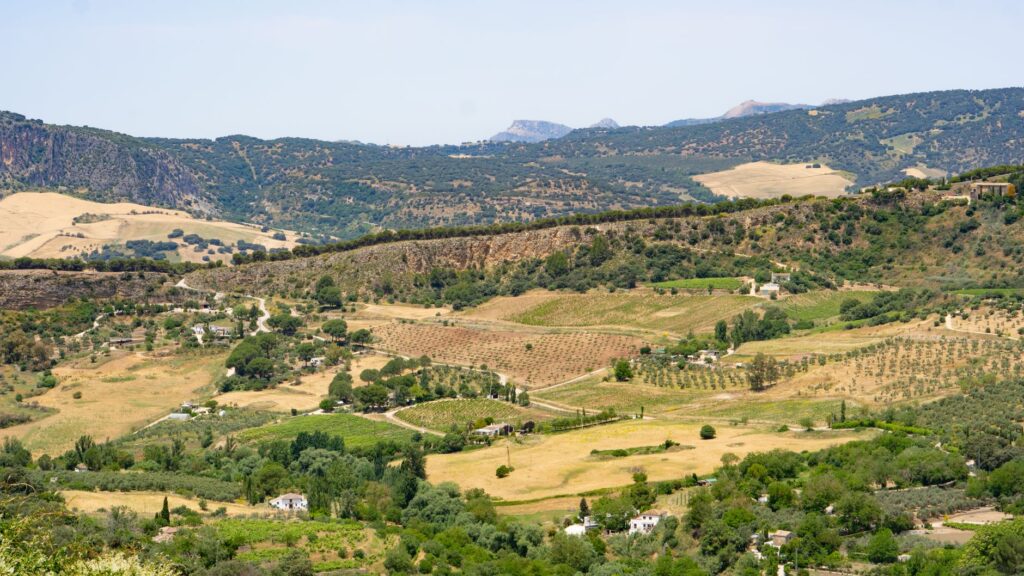
The terraces, built stone by stone without mortar using ancestral techniques passed down through generations, act as natural thermoregulators and hydraulic filters. When autumn storms lash the sierra, these permeable dikes slow down water runoff, allowing for gradual infiltration into the subterranean aquifers that feed village fountains. The recovery of these low walls is not merely an aesthetic endeavor, but a top-tier structural intervention endorsed by biologists and geologists studying the stability of Mediterranean slopes in the face of climate change.
Dry stone is not a simple wall; it is a living geological archive that regulates water, sustains soil, and allows biodiversity to flourish at the margins of human activity.
Simultaneously, local communities have revived the practice of rotational extensive grazing using native Merino sheep and mountain goats during olive grove rest periods. Animals fulfill an irreplaceable ecological function: they naturally control excess biomass, reduce wildfire risks through selective browsing, and enrich nutrient cycles with organic manure. This circular economy system proves that agricultural profitability and nature conservation are not antagonistic goals, but the two indispensable pillars of truly sustainable rural development.
Slow Mobility and the Bridle Path Network
The transformation of the Sierra de Aracena is not limited to agronomics; it also encompasses a profound reconfiguration of mobility and territorial access. Historically, the villages of this natural park communicated through a dense network of trails, bridle paths, and livestock routes that the rise of private motorized transport relegated to oblivion or aggressive overgrowth. Today, the joint effort of regional municipalities and hiking collectives has restored over three hundred kilometers of these historic routes, integrating them into a comprehensive zero-emission tourism strategy.
Visitors arriving in the region encounter a multimodal transport system designed to minimize carbon footprints. Regional bus stations have been synchronized with electric mountain bike rental hubs and hiker reception centers, discouraging private car use within protected interior valleys. This soft mobility network not only protects the acoustic and scenic tranquility of the environment, but also equitably redistributes visitor flows toward less crowded villages, invigorating the economies of small shops, artisanal olive oil mills, and family-run accommodations.
Sustainable mobility experts emphasize that the success of this model relies on the direct participation of resident populations in decision-making. Local rural development committees decide which sections of traditional paths receive priority in clearing and signposting, ensuring that tourism acts as an anchor for population retention and generational handover. Thus, walking through the sierra becomes a conscious act of support for a community defending its right to inhabit the land without sacrificing twenty-first-century quality of life standards.
Water Culture and Ancestral Knowledge
To speak of the Sierra de Aracena is to speak inextricably of water. The crystal-clear streams winding between chestnut groves and olive orchards are the lifeblood of a region that has managed this resource with millimetric precision inherited from the Andalusian era. Traditional irrigation ditches, locally known as *cazes*, have recently been rehabilitated using traditional techniques respecting natural stream beds and preventing seepage losses in modern concrete channels.
This gravity-fed water distribution system allows family gardens and agricultural terraces to be irrigated equitably, ensuring the survival of local vegetable varieties threatened with extinction and keeping valley microclimates cool. Anthropologists and agronomists collaborate in cataloging this hydraulic wisdom, demonstrating that popular knowledge holds highly efficient technical answers to current water scarcity scenarios plaguing the southern Iberian Peninsula. Participation in community ditch-cleaning workshops has become one of the most valued ecotourism activities for travelers seeking genuine cultural immersion experiences.
Furthermore, water management in traditional flour mills—many restored as ethnographical interpretation centers—illustrates how clean, renewable energy was part of daily life long before the term sustainable development was coined. Travelers traversing the Mill Route not only contemplate exceptional architectural heritage, but also grasp the philosophy of harmonic utilization where every natural resource returns a service to the ecosystem without generating toxic waste or irreversible alterations.
Practical guide
How to get there: The main gateway to the Sierra de Aracena is the A-66 highway (Ribera del Huelva or El Ronquillo exits), easily connecting with Seville (about 90 kilometers away) and Huelva. Daily intercity bus services operate from the Plaza de Armas station in Seville via the Damas bus company. Public transport or combining journeys with locally rented electric vehicles is strongly recommended.
When to go: Autumn months (October to December) and spring (March to May) offer the best climatic and scenic conditions. Autumn stands out for the chromatic explosion of chestnut forests and early olive harvesting, while spring surprises visitors with blooming ground covers and peak stream and fountain flows.
Where to stay: Prioritize rural accommodations certified with the European Charter for Sustainable Tourism (ECST), small boutique hotels in restored former olive oil mills, family-run village houses, and eco-refuges located in Aracena, Alájar, Linares de la Sierra, or Cortegana.
Rules of conduct and sustainability: Strictly respect private property and close meadow gates behind you to prevent livestock escape. Lighting fires anywhere in the natural park, harvesting olives or fruit without owner authorization, and littering are strictly prohibited. Always use the recycling bins provided in town centers.
Responsible gastronomy: Support the local economy by consuming extra virgin olive oil with a Protected Designation of Origin, single-flower mountain honeys, artisanal mountain goat cheeses, and meats from extensive livestock farming at restaurants adhering to local product networks.
The Human Horizon of the Ancient Olive Grove
When afternoon begins to wane over the quartzite ridges of the sierra, the sun’s oblique rays graze the surface of dry-stone walls, casting elongated shadows connecting the present with the earliest settlers who terraced these slopes. In this moment of stillness, the true value of the landscape reveals itself in its most intimate dimension: the realization that the beauty of a territory is not a free gift of nature, but the patient fruit of a millenary alliance between human hands and the earth’s generosity.
The future of our rural landscapes does not depend on massive technological investments, but on the ability to listen to those who have inhabited the margins with patience, wisdom, and unwavering respect.
Travelers leaving these cobbled trails take away not only visual memories of green valleys and centenarian olive groves, but the certainty that another way of traveling and inhabiting the world is possible. In every consolidated terrace, in every restored fountain, and in every silent step along bridle paths, the Sierra de Aracena proves that the most advanced sustainability ultimately consists in remembering how to care for that which sustains us.