
Introduction to Mobility in Protected Wetlands
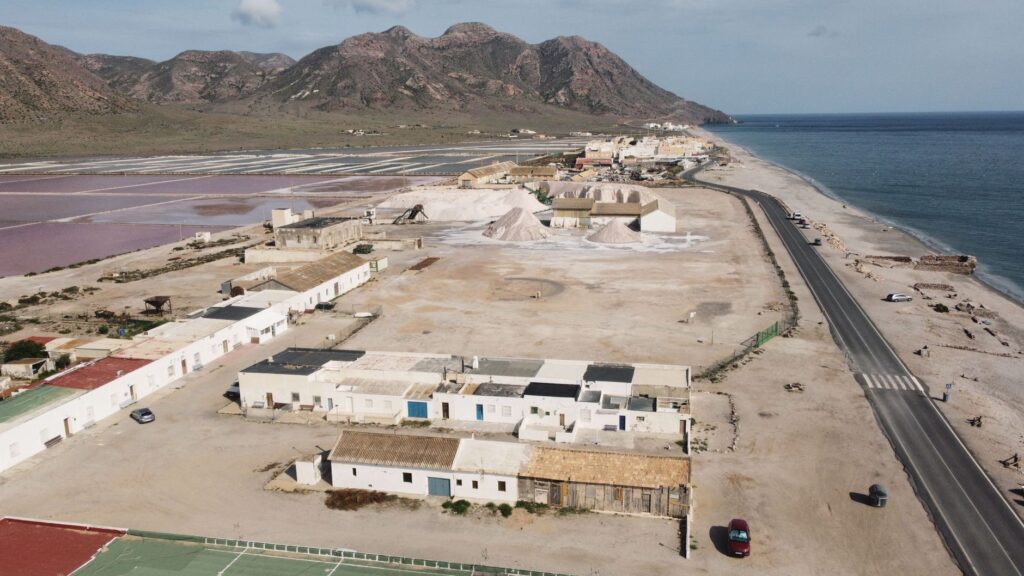
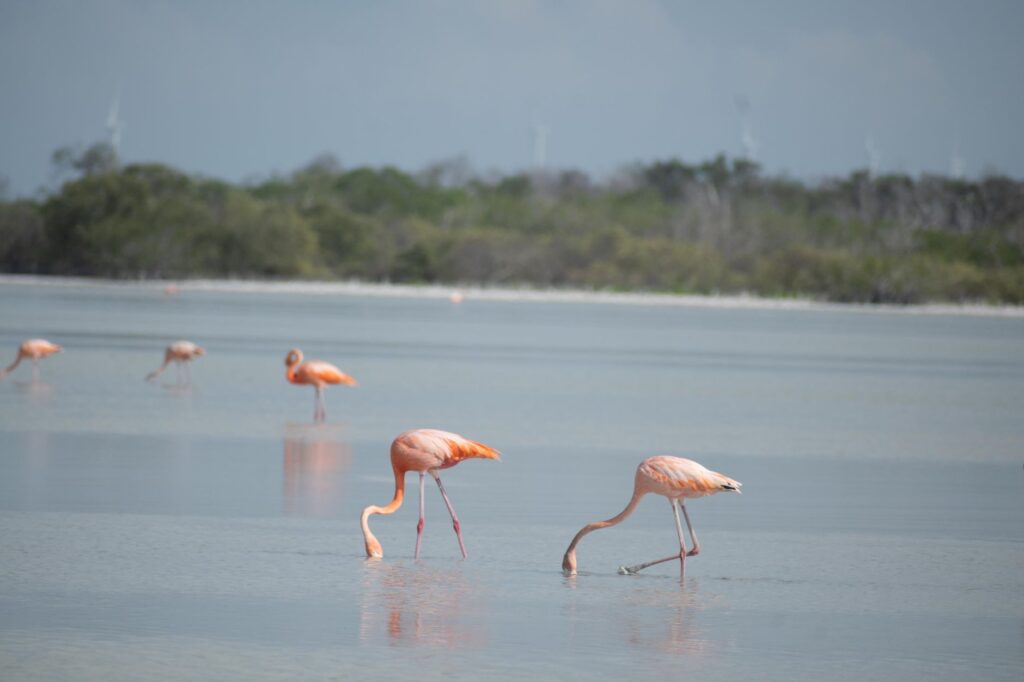
The southern coast of the Alicante province conceals a dynamic ecosystem where land and water merge in a delicate chromatic balance. The Salinas de Santa Pola Natural Park, designated as a wetland of international importance, represents far more than a sanctuary for migratory birds such as the greater flamingo. It is a territory crisscrossed by historical canals, evaporation pools, and salt dikes that for decades have posed a major logistical challenge: how to guarantee the mobility of residents, workers, and visitors without disturbing the biological fragility of a protected environment. Today, this enclave is spearheading a modest yet radical transformation in its regional transport model.
Far from developmental approaches that prioritize asphalt and internal combustion private vehicles, the municipality and environmental authorities have championed a soft-transport and fluvial connectivity strategy. The thesis underpinning this intervention argues that the preservation of salt wetland ecosystems does not require the isolation of their communities, but rather the adoption of transport technologies respectful of ecological cycles. Through a combined network of electric amphibious vehicles, elevated wooden boardwalks on piles, and perimeter bike lanes, Santa Pola redefines the concept of low-impact infrastructure, demonstrating that sustainable mobility can act as a guardian of the landscape rather than its primary threat.
The Transition Toward Zero-Emission Amphibious Fleets
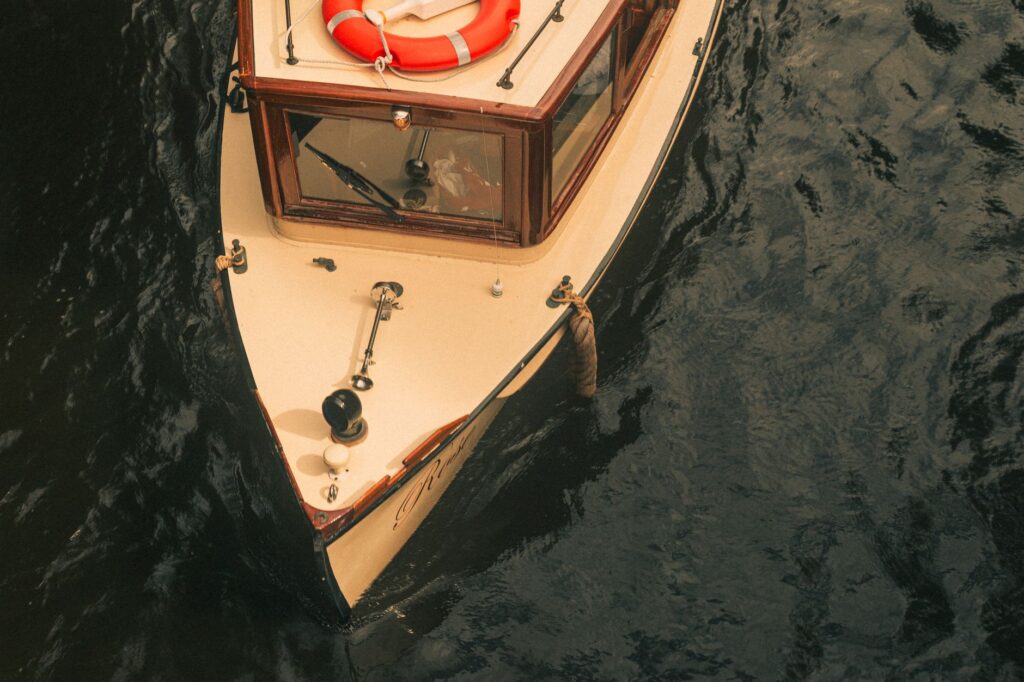
Historically, maintenance and communication among the various sectors of the salt flats depended on compacted dirt roads subject to constant water and salt erosion. The frequent passage of heavy maintenance vehicles and service vans generated acoustic and chemical disturbances incompatible with the nesting seasons of protected species. The technical response to this dilemma has been the design and deployment of a pioneering fleet of boats and amphibious vehicles powered by solar energy and high-density lithium-ion batteries.
These hybrid and electric transports operate with a nearly imperceptible acoustic signature, completely eliminating hydrocarbon pollution in the water sheets. Naval and environmental engineers have worked collaboratively to adapt hull designs to the shallow depth of the lagoons, allowing smooth transit that respects muddy bottoms and submerged vegetation. For salt industry workers and park technicians, this shift has meant a drastic reduction in operational travel times, substituting long detours along deteriorated land tracks with direct routes across the mirror-like water body.
Acoustic Impact and Local Fauna
One of the most reliable indicators of success in this transition toward electric fluvial mobility has been the response of the avifauna. Preliminary studies conducted by biologists from the University of Alicante show that following the replacement of diesel engines with electric propulsion on service boats and low-capacity public transport vessels, wading bird colonies have reduced their alert behaviors by forty percent. The absence of low-frequency vibrations and operational silence enable a harmonious cohabitation between human transit and the natural feeding and resting cycles of the species.
Floating Boardwalks and Intertidal Pedestrian Connectivity
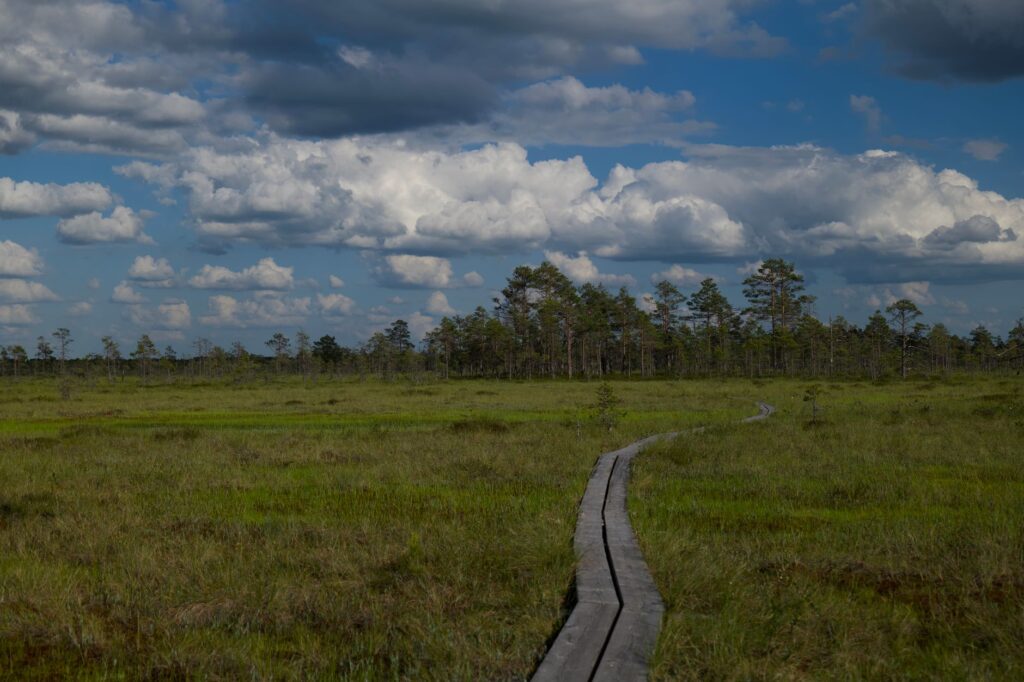
Alongside the electrification of inland navigation, the terrestrial trail network has undergone a profound architectural reorganization. The construction of traditional earth embankments fragmented the hydrological flow among the various salt ponds, altering salinity and the natural water circulation driven by tides and prevailing winds. The applied solution consisted of the selective removal of artificial barriers and their replacement by treated wooden boardwalks elevated on helical piles.
These structures allow visitors and local residents to cross marshland areas without interrupting the ecological connectivity of the park. Each section has been meticulously calculated to support moderate loads of cyclists and pedestrians, integrating visually into the flat landscape through the use of local materials and low-profile designs that avoid visual pollution. Exploring the salt flats on foot or by bicycle thus becomes an exercise in respectful immersion, where the traveler grasps the magnitude of traditional salt harvesting without leaving a perceptible ecological footprint.
Materials and Durability in Hypersaline Environments
Building soft-transport infrastructure in an environment with extreme salt concentrations represents a major engineering challenge. Galvanic corrosion and the degradation of structural elements forced architects to rule out conventional metals. Instead, certified high-density tropical woods and glass-fiber-reinforced polymer profiles have been employed. This combination guarantees a lifespan exceeding thirty years with minimal maintenance, avoiding the need for aggressive and frequent mechanical interventions in the heart of the protected area.
True innovation in rural and natural transport does not lie in travel speed, but in the infrastructure’s capacity to remain unnoticed while weaving together communities and landscapes.
Cycling Networks and Integration with the Urban Core
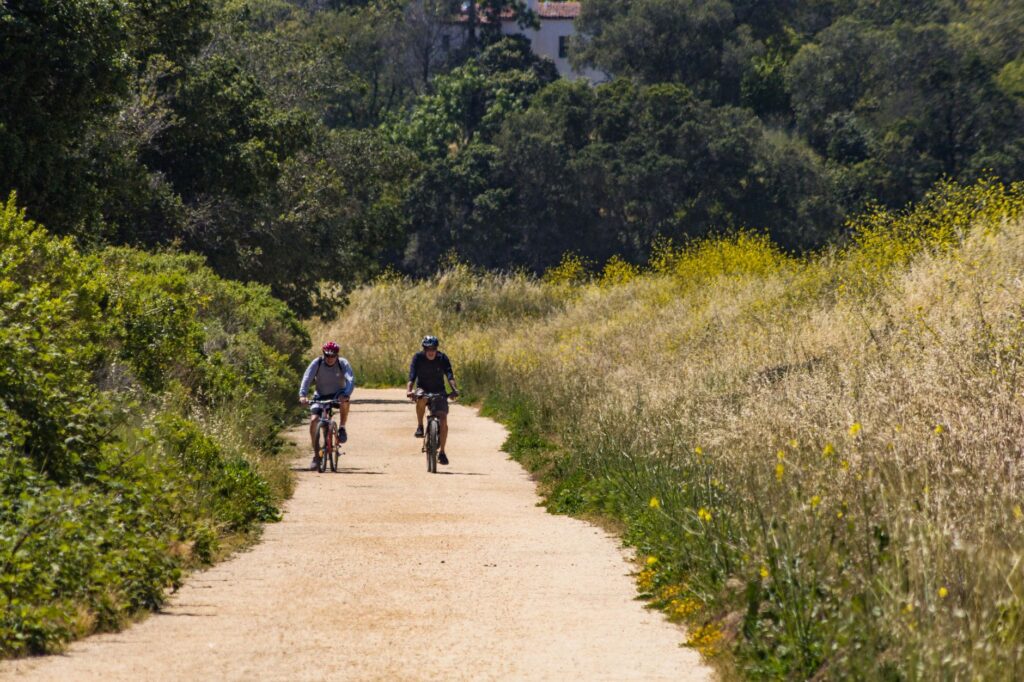
The connectivity of a protected natural area is meaningless if it remains disconnected from surrounding urban settlements. In Santa Pola’s case, the sustainable mobility design has integrated the park with the historic center of the fishing town and the coastal cycling corridor running toward Elche and Alicante. Three new low-intervention greenways have been established, marked with eco-friendly paint and equipped with rest stops powered by autonomous solar lighting.
This road network encourages residents and seasonal tourism alike to leave private vehicles in peripheral park-and-ride lots. Shared electric bicycles, managed through municipal low-energy platforms, allow travelers to cover the journey between the fishing port and the heart of the lagoons in under twenty minutes. The system does not seek to compete with conventional automobile speed, but rather to transform the journey into an extension of the territorial discovery experience.
Operational Challenges and Local Governance
The implementation of a zero-emission transport model in an area of mixed jurisdiction—involving the Coastal Demarcation, the Valencian Regional Government, private salt-flat owners, and the city council—has demanded unprecedented diplomatic and governance efforts. Initial tensions between the industrial interests of salt extraction and the demands of tourism opening and environmental conservation have been channeled through a binding sustainable mobility roundtable.
This joint body regulates daily access quotas to sensitive areas via a digital reservation system integrated into regional public transport apps. Furthermore, strict nighttime maintenance protocols have been established to prevent any overlap between authorized cargo vehicle traffic and peak hours for hikers and cyclists. Co-governance demonstrates that transport sustainability is not an isolated technological achievement, but the fruit of robust and transparent community pacts.
Practical guide
Planning a visit and understanding sustainable mobility in the Salinas de Santa Pola Natural Park requires familiarizing oneself with the operational guidelines of the area:
- How to get there: Access is recommended via the interurban bus line from Alicante or Elche, or by using the metropolitan bicycle lane network. Private vehicles must be parked in designated peripheral park-and-ride areas.
- Interior transport: Solar boats and electric amphibious vehicles operate upon prior reservation at authorized interpretation centers. Combustion vehicles are strictly prohibited within the park’s service lanes.
- Cycling network: Greenways are open year-round. Standard and electric-assist bicycles can be rented at designated stations in the port of Santa Pola and near the salt museum.
- Visitor regulations: Staying on marked boardwalks and trails is mandatory. The use of binoculars is recommended for birdwatching without disturbing their tranquility, alongside comfortable footwear suitable for wooden surfaces and compacted dirt.
- Best time to visit: Spring and autumn months concentrate peak migratory activity and offer optimal temperatures for active mobility, avoiding hours of intense summer sun.
The silence of an electric motor gliding over hypersaline waters is not merely a victory against noise; it is confirmation that humanity can inhabit the territory without silencing it.
At the end of the journey, as the sun begins to descend over the evaporation ponds, dyeing the horizon with intense ochres and purples, the infrastructure visually recedes to leave the entire stage to the landscape. The wooden boardwalks merge with the salt dikes, and the gentle murmur of the wind over the halophytic scrubland reminds us that true sustainable mobility is that which restores our capacity to walk in step with the slow rhythm of the earth.