
Wuhan has decisively stepped out of the sweltering heat of summer into an autumn that unfurls this year with unprecedented scale. The central Chinese megalopolis has officially inaugurated its cultural and tourism season with a clear objective: to transform its vast historical legacy and burgeoning modern dynamism into an irresistible magnet for both domestic and international travelers. Featuring a comprehensive lineup of 279 initiatives scheduled across the coming months, the city asserts itself not merely as an industrial and transport node, but as a premier cultural capital in the middle reaches of the Yangtze River valley.
This ambitious array of events stems from a deliberate strategy to diversify the local economy through experiential tourism and cultural consumption. Hubei authorities and tourism stakeholders have crafted a roadmap where light art festivals, world-class museum exhibitions, heritage trails tracing the 1911 Wuchang Uprising, and gastronomic experiences tied to the region’s great lake harvests seamlessly converge.
The Cultural Renaissance Along the Great River
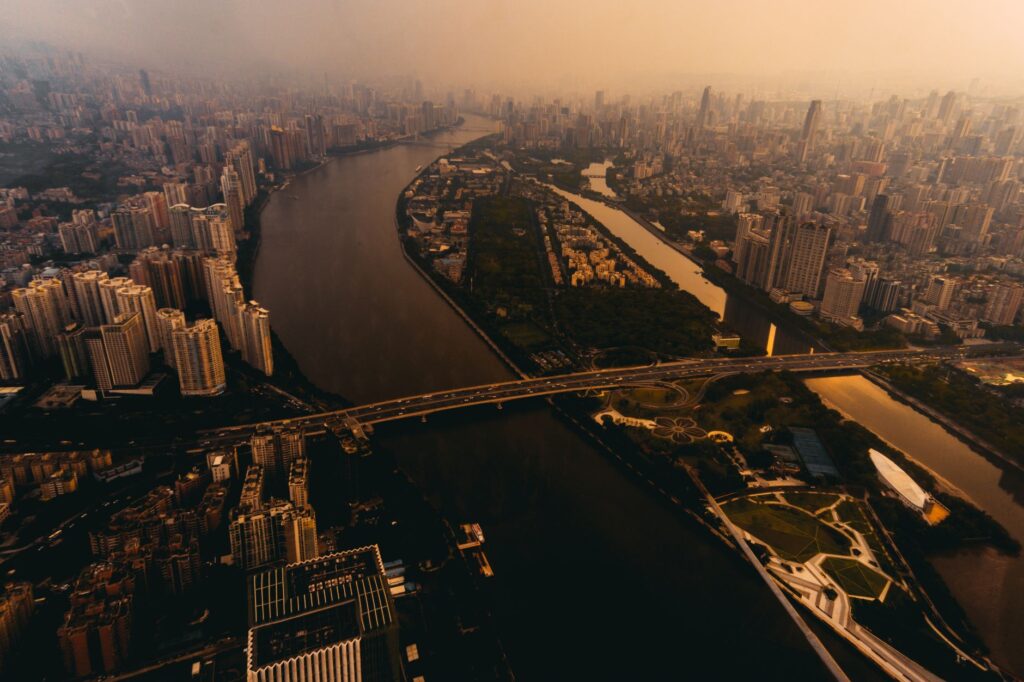
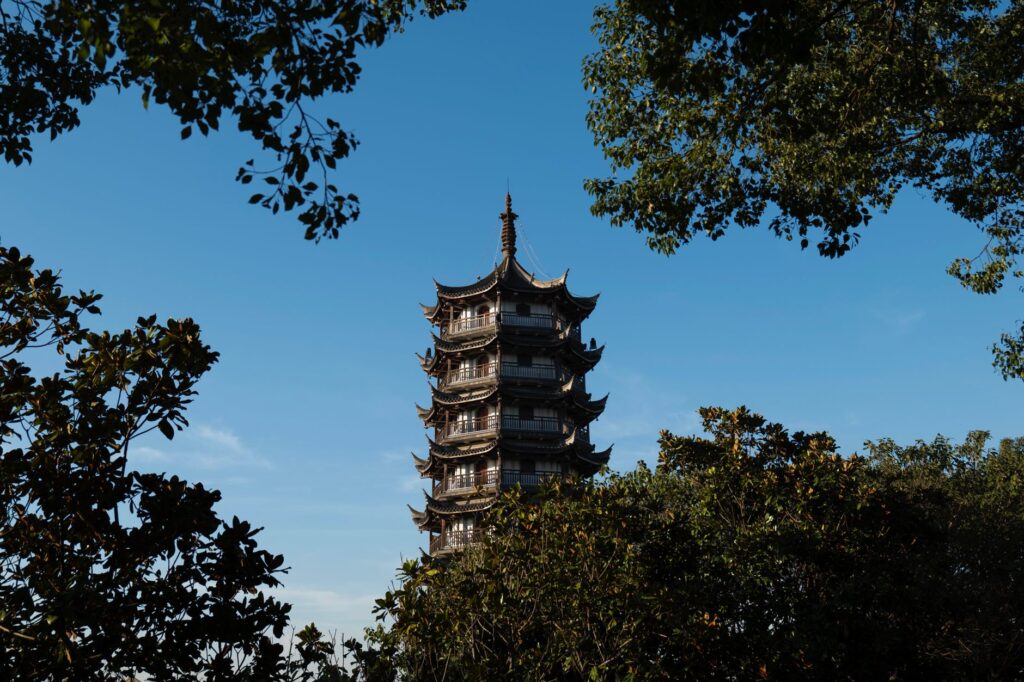
Wuhan’s geography has forever defined its character. Divided by the majestic waters of the Yangtze and its tributary, the Han River, the city has built its identity upon commerce, navigation, and literary legends. The autumn programming revives this millennial spirit by integrating iconic city landmarks into artistic circuits. Prominent sites such as the Yellow Crane Tower, dominating the urban skyline from Snake Hill, serve as living stages where classical poetry dialogues with contemporary multimedia installations.
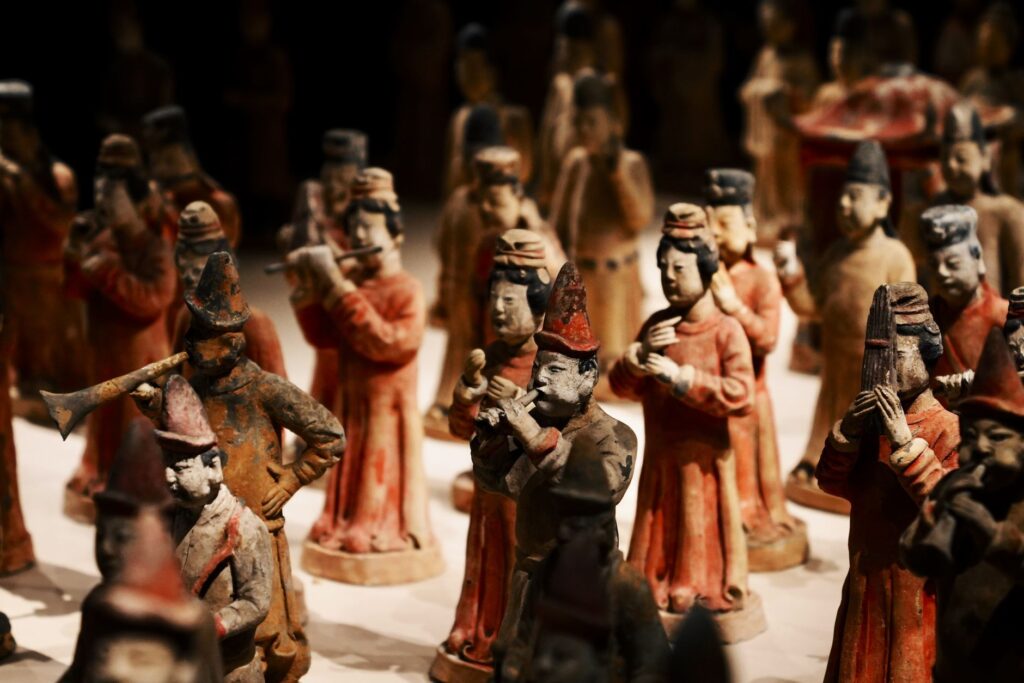
The city’s museum institutions—spearheaded by the Hubei Provincial Museum—have curated high-profile temporary exhibitions. Within these galleries, Bronze Age artifacts from the State of Zeng and the iconic sets of bianzhong bells resonate once more, reminding visitors that this soil nurtured some of the most sophisticated civilizations in East Asian antiquity. The striking contrast between the antiquity of these treasures and the modernity of surrounding financial districts defines the unique experience of navigating Wuhan.
Contemporary Art and Design in Industrial Heritage Enclaves
Far from limiting itself to archaeological contemplation, Wuhan’s cultural fabric is experiencing vibrant effervescence driven by the creative reuse of its industrial past. Former textile mills and shipyards along the river have been successfully transformed into design districts, independent galleries, and experimental art centers. Throughout this autumn season, these adaptive spaces host street art exhibitions, independent design fairs, and artist residencies welcoming creators from across China and abroad.
This urban regeneration phenomenon attracts a new tier of travelers: those seeking to comprehend China’s social transformation far beyond the traditional circuits of Beijing or Shanghai. Galleries in the Hanyang district, for instance, foster open debates on urban architecture, sustainability, and the relationship between humanity and river ecosystems, turning a city visit into an exercise in aesthetic and sociological reflection.
The Gastronomic Symphony of Hubei’s Autumn
No cultural exploration of Wuhan is complete without engaging its vibrant food culture, which reaches memorable heights with the arrival of seasonal harvests. Autumn marks the peak of the region’s legendary lakes, renowned for the abundance of their aquatic produce. Lotus roots, cultivated in the muddy beds of the shallow lakes surrounding the city, become the undisputed stars of soups simmered for hours in earthenware pots.
In the lanes of the historic Jiqing Street and along the riverbanks, the aroma of spiced crayfish blends with the bustling atmosphere of traditional breakfast stalls, where the ubiquitous hot dry noodles (reganmian) remain the morning heartbeat for millions of residents. Local gastronomy is much more than sustenance; it is a living historical document reflecting the historical convergence of northern and southern Chinese culinary traditions due to the city’s strategic crossroad position.
Architectural Heritage and the Pulse of Modern Transit
Wuhan’s urban layout serves as an open book on modern Chinese history. Former foreign concessions, particularly in the Hankou district, preserve red-brick buildings with wrought-iron balconies that recall Wuhan’s status as a treaty port opened to the world in the late 19th century. Today, these colonial-era architectures coexist harmoniously with avant-garde skyscrapers and one of the country’s most efficient metro and rail transit networks.
This robust connectivity enables travelers to move effortlessly between the various epicenters of the autumn festival. Transport infrastructure acts as an invisible artery that democratizes access to culture, allowing residents and foreign visitors alike to reach theaters, concert halls, and natural parks within minutes.
Wuhan demonstrates this autumn that its true wealth lies in its capacity to transform fluvial memory into a living stage for contemporary creation.
Nature and Light Festivals in Urban Wetlands
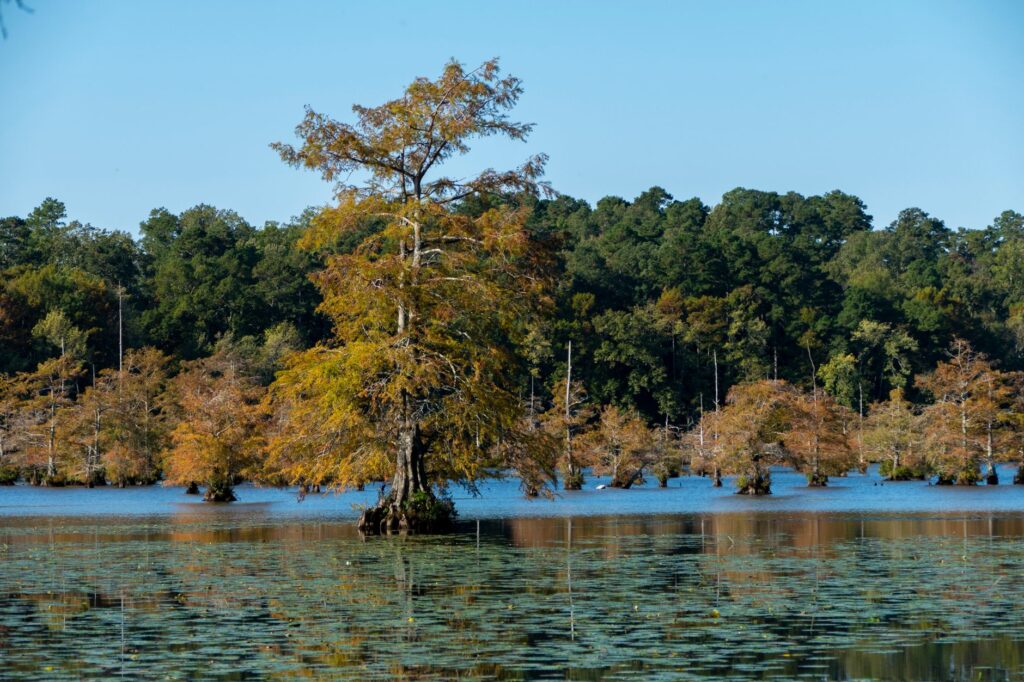
Wuhan boasts an unusual geographical trait for a metropolis exceeding ten million residents: the abundance of vast lakes and wetlands seamlessly integrated into the urban fabric. East Lake (Donghu), widely regarded as one of China’s largest urban lake parks, transforms during autumn into the epicenter for artistic lighting festivals and botanical trails celebrating the changing foliage of maple and bald cypress trees.
Trails winding around the water invite visitors to enjoy leisurely hikes and observe migratory birds arriving from northern Siberia. Authorities have installed low-impact environmental light art fixtures that illuminate at dusk, offering an ethereal perspective of the lake landscape and demonstrating a growing commitment to sustainable tourism and environmental education.
Human Memory and Community Fabric in Historic Alleys (Li)
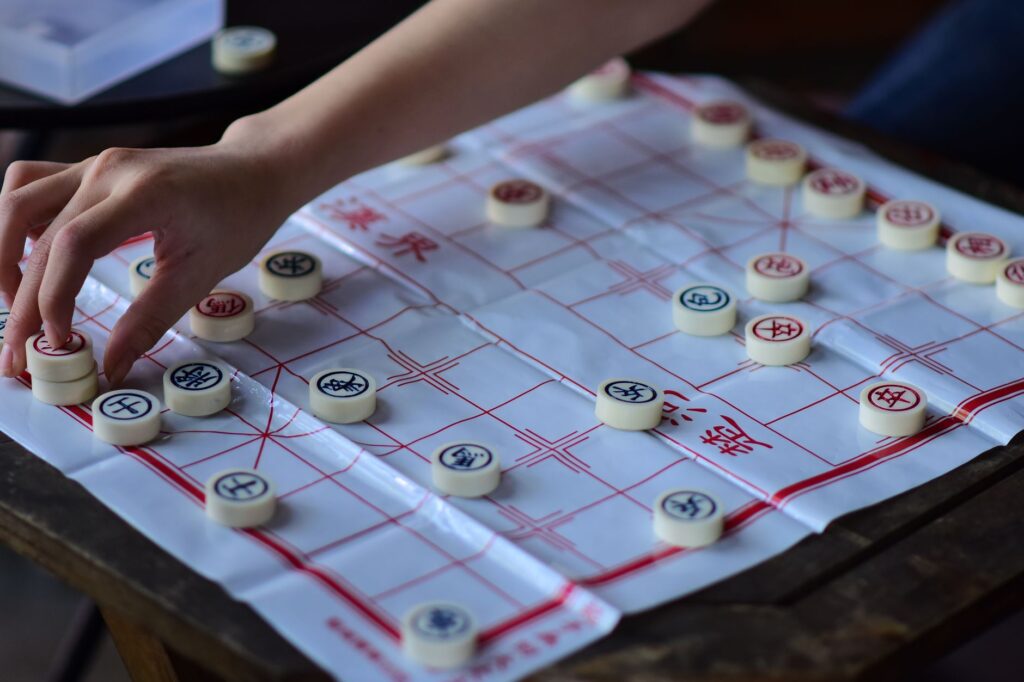
Beyond grand monuments and institutional festivals, Wuhan’s true pulse is experienced in its residential alleys, locally known as the historic *li* or community neighborhoods. It is here that elderly residents gather to play Chinese chess under the shade of oriental plane trees, while local artisans continue crafting traditional paper-cuttings and utilitarian ceramics.
This autumn’s cultural program features community walks guided by local historians, allowing travelers to immerse themselves in daily neighborhood life. This anthropological approach fosters respectful tourism that prioritizes direct human exchange over mere mass-tourism sightseeing.
Practical guide
Getting there: Wuhan is served by Wuhan Tianhe International Airport, connected to major European and Asian hubs. Additionally, Wuhan Railway Station serves as one of China’s primary high-speed rail intersections, linking directly to Beijing, Shanghai, and Guangzhou within hours.
When to visit: The months of October and November offer the most pleasant weather conditions, featuring mild temperatures and clear skies ideal for exploring both urban heritage sites and natural lake reserves.
Accommodation: For a historical immersion, the Hankou district offers boutique hotels housed within restored colonial buildings. For modern convenience with easy access to shopping centers and design galleries, the Wuchang district and Optics Valley are prime choices.
Getting around: Wuhan’s extensive metro network efficiently connects all cultural points of interest. For scenic journeys around East Lake, public bicycles or authorized electric transport services are strongly recommended.
Cultural tips: Advance ticket reservations are strongly advised for the Hubei Provincial Museum, and visitors should consult updated event agendas for the 279 activities through official tourism offices or digital platforms to catch ephemeral performances.
Final Reflections on Wuhan’s Cultural Horizon
The rollout of this autumn season confirms that Wuhan has consolidated a mature tourism model capable of balancing its deep historical weight with the demands of contemporary travelers. The city not only showcases its ancient past and industrial vigor, but offers an inviting meeting ground where art, nature, and human memory converge in seamless harmony.
As travelers wander its riverbanks and traditional neighborhoods, they realize that Wuhan is far more than a mere stopover on the map of China—it is a fascinating destination demanding discovery with all five senses, cementing its reputation as an unmissable cultural beacon in the heart of the Asian continent.
Traveling to Wuhan in autumn is discovering a metropolis that has mastered the art of turning water and memory into the brushes of its cultural renaissance.
Source in EN: Media OutReach Newswire – Wuhan Opens Autumn Consumption Season with 279 Cultural and Tourism Events.