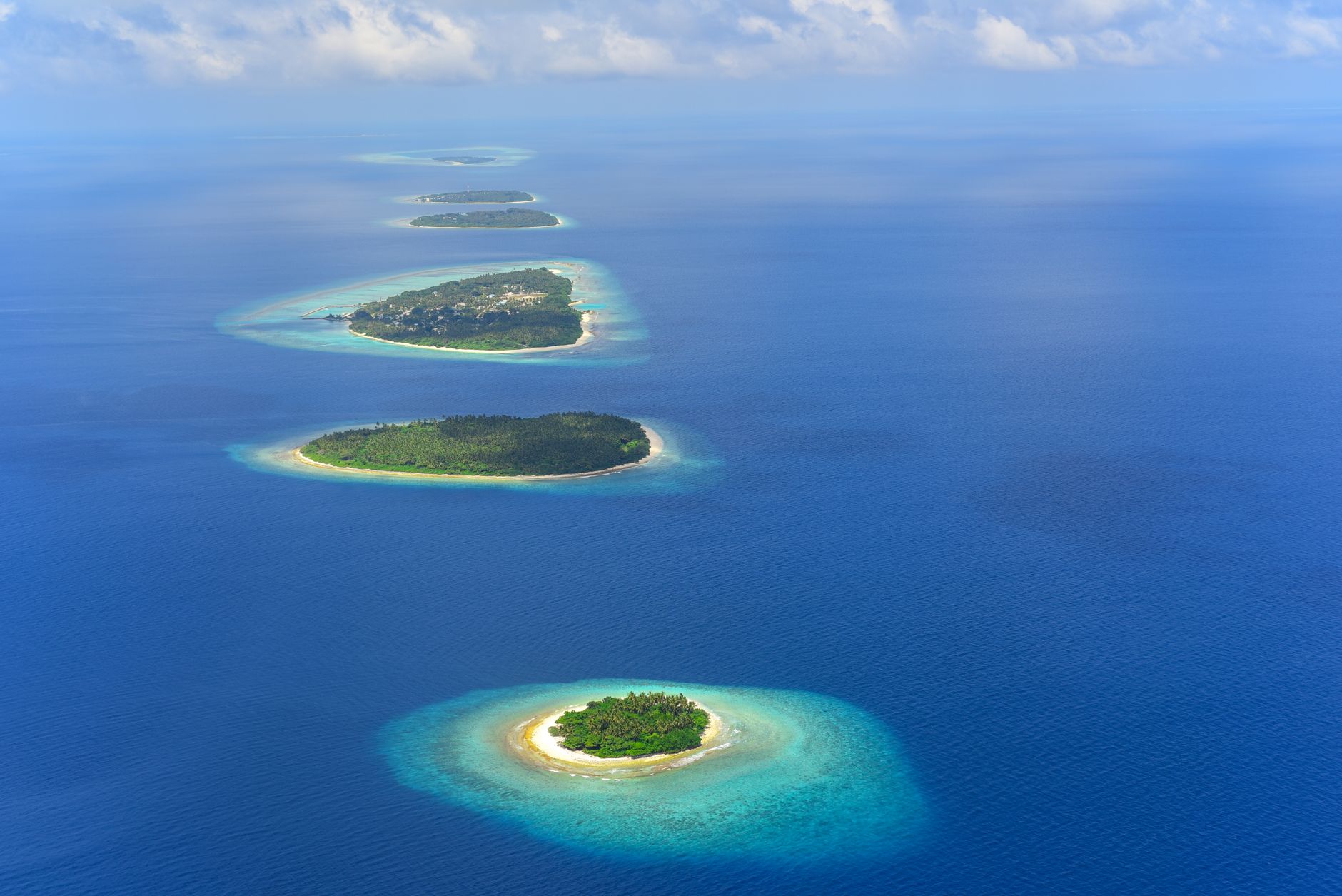

North Male Atoll wakes up wrapped in a saline mist that barely conceals the relentless movement of seaplanes and speedboats. For travelers landing in the Maldives archipelago, the promise is one of idyllic isolation—a sanctuary of coral sands where time stands still and the worries of the modern world dissolve in turquoise waters. Yet, beneath that postcard surface, the machinery that enables this global tourism gear is experiencing intense institutional friction. Far from the overwater walkways and exclusive luxury resorts, in the offices of European trade associations such as UNAV and Fetave, alarm bells have sounded following a fiscal decision adopted by the Maldivian executive.
The introduction of a new levy directed specifically at international travel agencies and tour operators has shaken the foundations of the destination’s tourism commercialization. This tax, initially conceived by local authorities as a way to increase direct revenue during a period of economic restructuring, has been met by Spanish and European intermediary sectors not only with suspicion, but with outright rejection. The measure threatens to alter a fragile cost balance that has sustained the influx of European visitors to the planet’s most coveted resorts for decades.
The fiscal backstage of a global paradise
To understand the scope of the controversy, it is necessary to examine the economic model supporting the Republic of Maldives. Tourism accounts for over a quarter of its Gross Domestic Product and constitutes the primary source of foreign exchange earnings. Following the shocks suffered during the global health crisis and subsequent inflationary fluctuations in source markets, the island government has sought to diversify and broaden its tax base. Nonetheless, placing the burden of this collection on the intermediation chain—the agencies and tour operators operating from Europe—poses a structural dilemma that is difficult to resolve.

From the perspective of administrations in Male, the argument rests on the necessity for actors commercializing the destination to contribute proportionally to the conservation of public infrastructure and environmental sustainability plans protecting fragile coral reefs. However, professional associations argue that this approach ignores the commercial reality of today’s market. Intermediation margins are narrow, and any additional tax burden not previously contemplated in global hotel block contracts destabilizes competitiveness against other destinations in the Indian Ocean or Southeast Asia.
The stance of UNAV and Fetave against the measure
The institutional reaction was swift within the Spanish tourism sector. Organizations such as the National Union of Travel Agencies (UNAV) and the Business Federation of Territorial Associations of Spanish Travel Agencies (Fetave) publicly expressed their disagreement with the tax measure. Both entities issued joint statements and formal positions warning about the negative impact this levy will inevitably have on the final consumer and the volume of bookings toward the archipelago.
Spokespersons for these associations emphasize that agencies and tour operators are not mere extractors of wealth, but the primary architects of customer loyalty and the channeling of high-value tourist flows to Maldivian resorts. Imposing additional fees on international tour operation penalizes precisely the channel that assumes the financial risk of pre-purchasing airline seats and hotel stays. The fiscal surcharge discourages the active promotion of the destination in European markets, forcing a rethink of commercialization strategies ahead of upcoming peak seasons.
High-end luxury tourism in the Indian Ocean rests upon a commercial trust chain that cannot withstand unilateral changes in fiscal rules without eroding the destination’s competitiveness.
The impact on the value chain of bespoke travel
The Spanish source market to the Maldives is characterized by a strong component of personalized advisory. Honeymoons, anniversaries, and exclusive getaways represent the bulk of bookings managed by specialized agencies. In this segment, cost transparency is a critical factor. When a tour operator designs a complex holiday package combining international flights, seaplane transfers, all-inclusive regimes, and diving experiences, any unforeseen rate alteration in local tariffs forces them to absorb the cost or pass it on to the client.
Absorbing the tax would compress the already tight margins of mid-sized agencies, many of still recovering from financial imbalances inherited from the past decade. Passing it on to the traveler, conversely, raises the final price at a time when the European consumer exhibits heightened sensitivity to the generalized escalation of prices in international tourism services. This financial squeeze places intermediaries in an extremely vulnerable operational position.
Cost restructuring and geographic alternatives
Facing this scenario of regulatory uncertainty, the contracting departments of major European tour operators have begun evaluating alternative scenarios. Diversification toward other Indian Ocean destinations, such as Seychelles, Mauritius, or Sri Lanka, is emerging as a strategic response if the Maldivian government persists in refusing to review the fee. These competitor territories are watching the dispute closely, aware that a loss of competitive appeal by the Maldives could divert significant traveler flows toward their own shores.

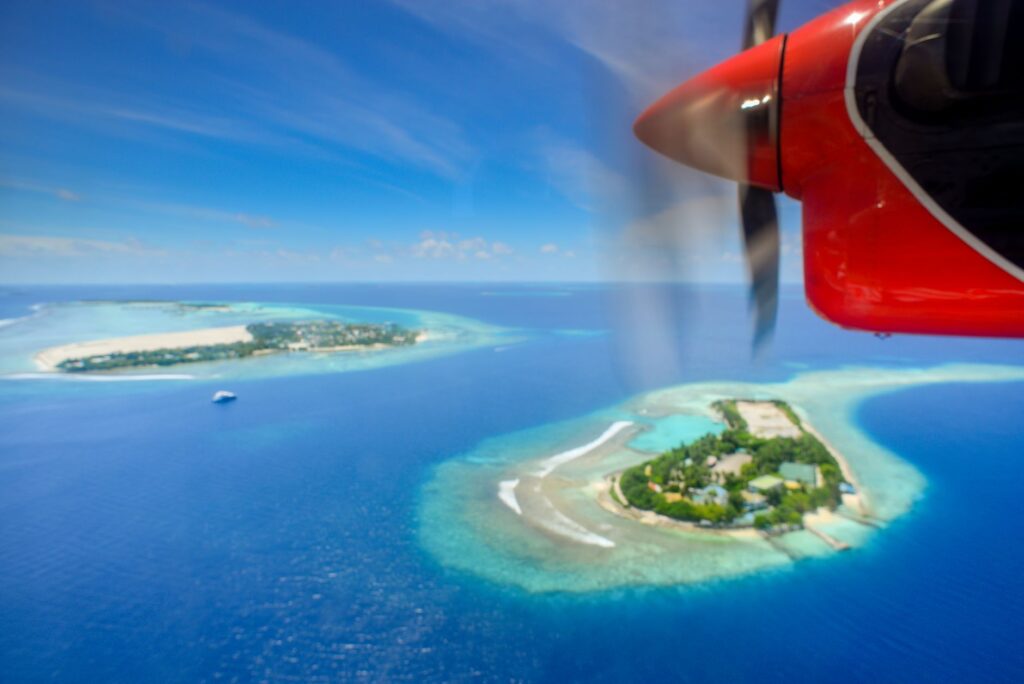
The technical complexity of operating in a fragmented island environment already makes tourism logistics expensive. Transfers between atolls via private seaplane fleets or speedboats are subject to high fuel and maintenance costs. Adding a specific tax on intermediation aggravates the perception that the Maldives is shifting toward a model of exclusivity so closed that it risks becoming commercially unsustainable for mainstream operators fueling the resorts’ base.
- Urgent review of tour operation contracts signed for upcoming seasonal periods.
- Assessment of the direct impact on the final price of high-end holiday packages.
- Pursuit of common fronts among European associations to dialogue with the Maldivian Ministry of Tourism.
- Viability analysis to redirect promotional investments toward alternative destinations in the Indian Ocean.
The perspective of local operators in the archipelago
While European associations raise their voices, the reaction within the Maldivian business fabric itself is not unanimous. The large international hotel groups managing ultra-luxury resorts in the archipelago tend to maintain a cautious stance, prioritizing their direct relationship with the central government. However, local operators and Destination Management Companies (DMCs) based in Male show growing concern that a drop in European visitor arrivals could affect occupancy during low-season months.
DMCs act as the indispensable operational bridge between international tour operators and tourism resorts. They manage the complex daily operations of reception, assistance, and transfer logistics. A cooling of commercial relations with Europe due to fiscal frictions directly impacts their business volume, generating underlying tensions between the state’s revenue interests and the commercial sustainability of the local private sector.
The fiscal sovereignty of an island state must be calibrated with the recognition that international tourism demand is highly elastic and sensitive to operating costs.
Practical guide
For travelers and industry professionals continuing to plan stays in the archipelago, understanding the current administrative context is essential:
- Tariff verification: Ensure that estimates issued by your agency explicitly include any new government taxes or recently approved local surcharges.
- Specialized advisory: Always manage bookings through agencies affiliated with recognized associations to ensure mediation guarantees in case of contractual incidents.
- Transfer flexibility: Keep in mind that costs associated with internal transport between atolls (seaplanes) may experience variations resulting from adjustments in fuel fiscal policies and airport taxes.
- Claims channels: In case of discrepancies over supplements applied upon arrival at the resort, request the official tax breakdown issued by the Maldivian tax administration.

The emotional horizon of a paradise in tension
Contemplating the sunset over the Ari Atoll, with the sun sinking into a perfect horizon line where the ocean blue merges with the sky’s gold, evokes a sense of timeless peace seemingly immune to bureaucratic disputes and fiscal arguments from distant offices. This landscape, shaped over millennia by the slow accumulation of coral and the patient force of marine currents, possesses a magnetic beauty that has captivated generations of travelers eager for disconnection and aesthetic purity.
However, the experience of this tropical refuge cannot be detached from the complex human, economic, and political framework that makes it possible. Behind every overwater villa and flawless service lies an intricate network of regulations, commercial agreements, and financial tensions determining the destination’s viability. The ongoing tug-of-war between European agency associations and Maldivian authorities reminds us that even the most remote paradises are deeply connected to the contemporary economy’s global dynamics.
Source in EN: Agenttravel.es