
There are cities whose pulse is measured by the knuckles tapping against an oak cask or by the metallic clatter of a rolling shutter rising at dawn. Jerez de la Frontera belongs to that lineage where time does not dissipate in seconds, but in soleras, criaderas, and the infinite patience with which the earth returns what it receives. At the heart of the urban fabric, the Central Market is not merely a provisioning point; it acts as the vault safeguarding the liquid and solid memory of a region defined by lime, the eastern wind, and albariza chalk.
Crossing the threshold of this porticoed market built over the former Convent of Los Remedios is stepping into a daily theater where the senses sharpen. Here, the sharp, pungent aroma of fino sherry drifting from neighboring taverns merges with the saline perfume of fish freshly unloaded from the port of Sanlúcar and nearby lonjas. Far from the sugar-coated circuits of mass tourism, this report proposes a descent into the roots of a gastronomy that understands the territory not as an exploitable resource, but as a secular pact between humanity, the estuary, and the vine.
The Architecture of Dawn and the Weight of Stone
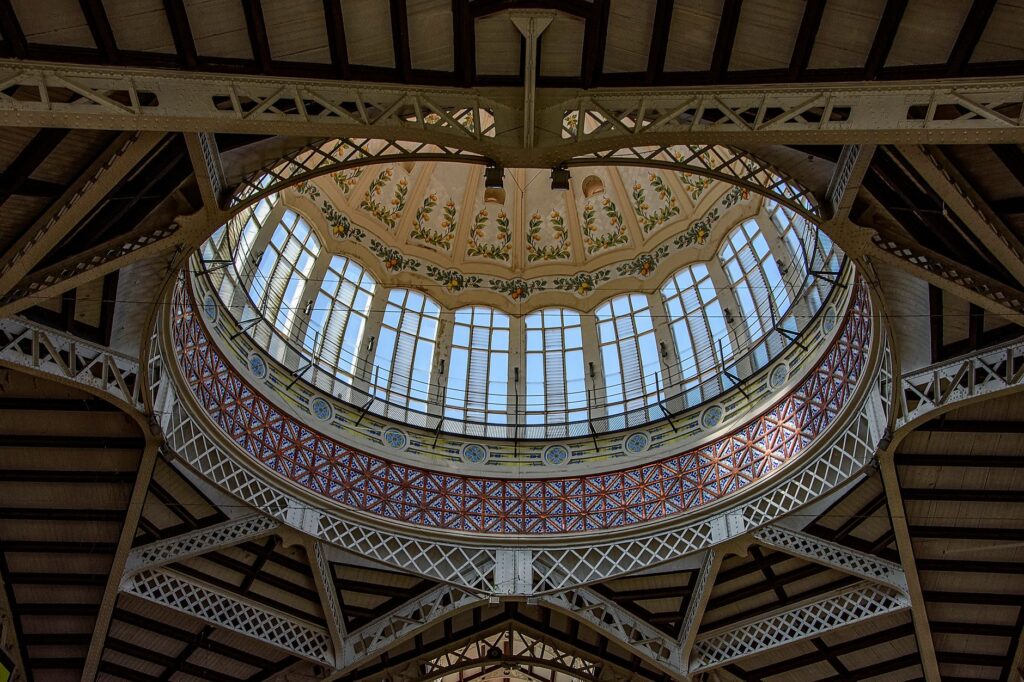
Inaugurated in the late nineteenth century and designed to organize the chaotic commerce that previously occupied Plaza Plateros, the market building reflects a noble industrial rationality. Its wrought-iron structures support a diaphanous roof that allows Andalusian light to filter zenithally over the stalls of the historic vendors. Every morning, merchants display the fruits of the Campiña with choreographed precision born of decades of inherited trade.
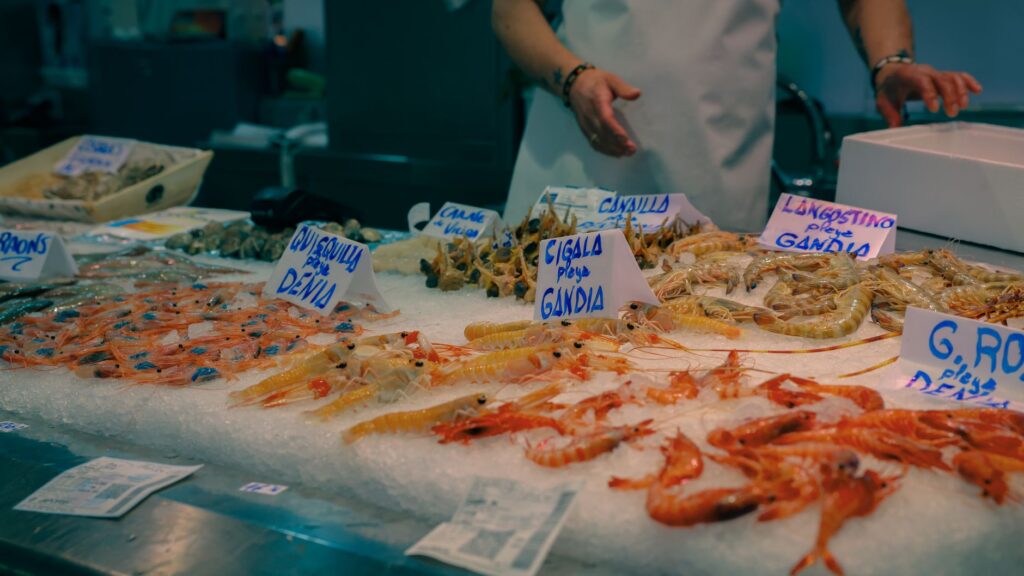
The fish stalls occupy the coolest wing, where the hydraulic tile floor seems perpetually damp from sea water. There, handwritten cardboard signs announce species that only make sense in this corner of the Atlantic Andalusia: acedías that resemble lace, trammel prawns retaining the flavor of clean mud, and rock-dwelling seabream that challenge the sharpest knife. Architecture is not merely a container; it is the tool regulating temperature, the flow of crowds, and the cadence with which locals shop.
The Vegetable Labyrinth of the Campiña
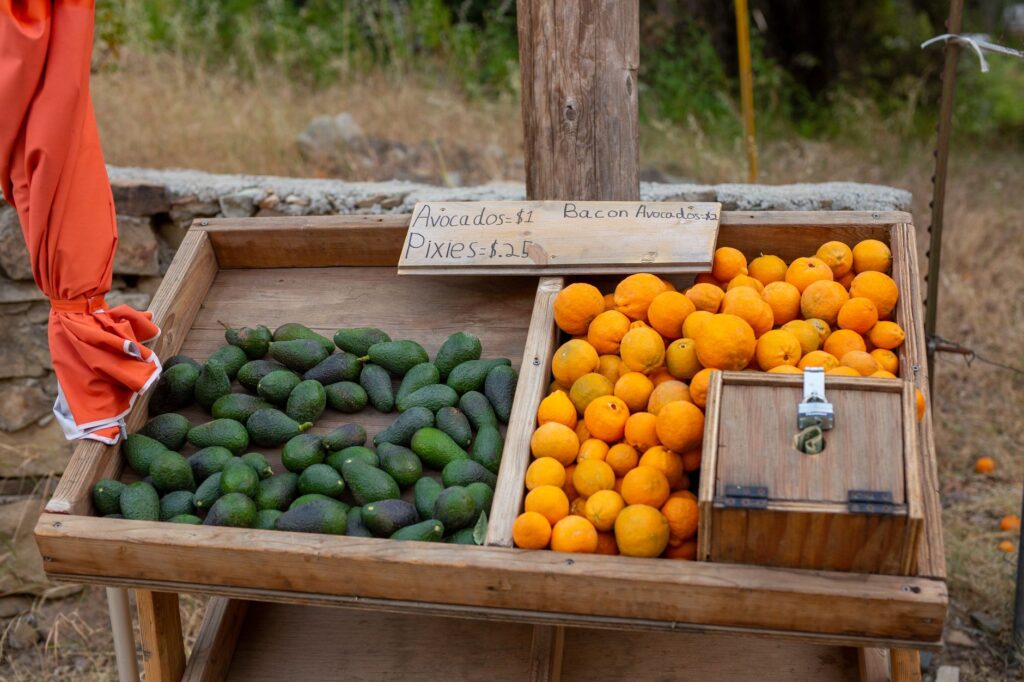
A few meters from the fish, the bustle shifts tone upon reaching the produce stalls. The Jerez Campiña, nourished by the sediments of the Guadalete River, supplies a horticultural variety that sustains traditional spoon-based cooking. Here, wild cardoons, tagarninas gathered along country paths, and seasonal tomatoes command authority over any modern whim. Local farmers maintain native varieties that have barely traveled beyond the province.
This tight bond between producer and consumer is what contemporary regional chefs call botanical resistance. While global markets tend toward the homogenization of shapes and calibers, the Jerez market celebrates imperfection. A purple carrot, dry-farmed garlic, or a bunch of wild chard remind us that seasonality is not a marketing option, but an inexcusable biological imposition.
The Liturgy of Mosto and Iberian Pork
The market experience does not end at purchase; it finds its natural extension in surrounding wine shops and taverns. During winter and spring, the city lives the season of mosto, the young wine of the year from albariza vineyards that has not yet begun biological aging under a veil of flor. This cloudy liquid, of moderate alcohol and vibrant acidity, is served alongside cured meats from the nearby mountains of Cadiz.
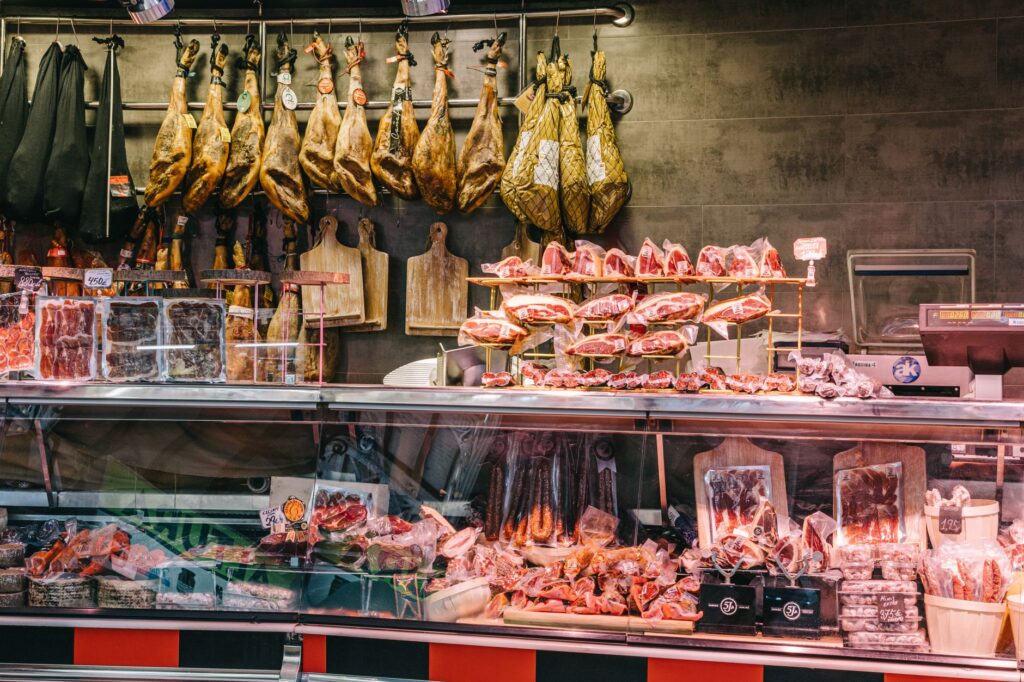
Lard-preserved loin, crispy cracklings sliced on the spot, and Payoya goat cheese compose an austere yet robust pantry. There are no technical artifices or complex emulsions; the noble fat of Iberian pork and the mineral salinity of wine establish a gustatory dialogue that has barely shifted since the nineteenth century. This simplicity is, paradoxically, the ultimate sophistication in times of culinary saturation.
Estuaries and Marshes: The Cultivated Sea
Beyond the urban core, the landscape opens toward the marshes of the Guadalquivir and the channels flowing into the Bay. In this amphibious territory operate the esteros—former salt pans converted into natural nurseries where fish grow in semi-liberty, feeding on plankton and small crustaceans. Sea bream, sea bass, and grey mullet develop in these nutrient-rich waters an incomparable texture and fat infiltration.
Estuary fishing is a masterclass in sustainability applied long before the term was emptied of commercial content. Traditional fishermen use tides and sluice gates to manage the resource without depleting it, replicating natural cycles that guarantee species survival. In the kitchen, this product is treated with elemental respect: baked in salt, grilled open-back, or lightly broiled over vine shoots.
The true haute cuisine of Jerez does not hide behind white tablecloths or endless tasting menus; it resides in the intact dignity of a piece of rustic bread, a bite of samphire, and a glass of wine smelling of damp earth after the levante wind.
The Long Shadow of Cask-Aged Wine
It is impossible to understand Jerez’s gastronomic behavior without invoking the framework of wine. The wine cathedrals—high-ceilinged cellars with albero floors—project their invisible influence onto every dish. Culinary jerezanía understands that a stew base gains depth if deglazed with a splash of aged amontillado, or that a simple fried fish reaches another dimension when paired with the saline dryness of a biological aging fino.
This interpenetration between vineyard and kitchen makes the diner an accomplice in a unique cultural ecological system. Winemakers and tavern keepers act as involuntary guardians of an intangible heritage transmitted from generation to generation, resisting the onslaughts of tourist standardization and holding fast to the pillars of their identity.
Practical guide
How to get there: Jerez de la Frontera features direct rail connections from Seville, Cádiz, and Madrid via high-speed and regional trains. Jerez Airport, located ten kilometers from the center, operates domestic flights and some seasonal European charter routes.
When to visit: The autumn months (October and November) and spring (March to May) offer the best climatic conditions and coincide with key milestones such as the mosto season and the harvest of wild products in the Campiña.
Where to shop: The Central Market opens Monday through Saturday during morning hours (8:00 AM to 2:00 PM). Visiting between 9:30 AM and 11:30 AM is recommended to witness peak commercial bustle and find the freshest supply of estuary fish and seasonal vegetables.
Recommended lodging: The historic center houses numerous boutique hotels installed in rehabilitated former palatial homes, preserving traditional Andalusian patios and thick load-bearing wall architecture.
Local etiquette rules: In traditional taverns and wine shops, tables are not reserved; consumption typically takes place standing at the counter or at shared high tables. Greeting upon entry and maintaining a warm yet respectful rapport with vendors is customary.
Estimated budget: Eating or tapas-hopping in local markets and taverns ranges from 15 to 30 euros per person, depending on the selection of fortified wines and fresh seafood.
Food safety tip: Given that products are fresh, seasonal, and locally sourced, consulting daily availability for spoon dishes and wild estuary species is advised.
The Last Toast Facing the Albariza
As evening falls, when the setting sun sets the city’s whitewashed walls ablaze and the levante wind finally dies down, Jerez recovers a solemn stillness. It is the moment when tavern doors swing wide to welcome the final drink of the day. Sitting in a corner of Plaza Plateros with a glass of aged oloroso in hand is not an act of nostalgia, but an affirmation of permanence.
The gastronomy of this Andalusian confine proves that inventing the future is unnecessary when the past possesses such radical depth. Between corks sealing centuried bottles and estuaries where Atlantic waters continue writing the history of salt, Jerez beats with the steady pulse of a civilization that has turned territorial resilience into a universal art.