
The Invisible Burden of Transformative Tourism
Over the past decade, the travel industry has undergone a subtle yet profound mutation. We have shifted from collecting postcards and passport stamps to accumulating spiritual revelations, gastronomic epiphanies, and life-altering transformations. Leisure—that space historically consecrated to rest and unproductive disconnection—has been colonized by the imperative need for personal self-improvement. It is no longer enough to fly to another latitude to contemplate a monument or rest under a different sun; we now demand that our airline ticket function as an intensive psychological therapy session. We depart burdened with resolutions, ready to return as an enhanced, wiser, and spiritually purified version of ourselves.
This trend, amplified by the digital ecosystem and the aesthetic of authenticity on social media, has turned relaxation into a new source of labor stress. We plan exhausting itineraries where every minute must yield an emotional dividend. We enroll in silent retreats hours after landing, climb mountains solely to photograph our triumph over personal limits, and demand that every meal serve as an anthropological revelation. The result is paradoxical: we travel to escape the demands of modern life, yet we subject our free time to an even more implacable performance regime.
The Tyranny of the Conscious and Productive Traveler
The contemporary imperative of authenticity has generated a tacit hierarchy among travelers. At the apex sits the conscious traveler, one who supposedly manages to integrate with the local community, rejects traditional tourist circuits, and extracts a vital lesson from every mishap. Below lies the ordinary tourist, stigmatized for merely seeking comfort, disconnection, and aesthetic pleasure without higher philosophical ambitions. This moral division of the traveling experience generates profound anxiety. We feel guilty if we spend an entire afternoon reading in a hotel bed instead of exploring a peripheral market, or if we prefer a comforting, familiar meal over a risky local specialty.

The pressure to find oneself abroad stems from a flawed premise: the notion that our daily environment is solely responsible for our inner dissatisfactions. We trust that a radical shift in geographical coordinates will dissolve our internal contradictions, as if our emotional baggage did not travel in the same cargo hold as our suitcases. When the miracle of transformation fails to materialize—because jet lag persists, because it rains throughout the stay, or simply because we remain exactly the same people who departed—the frustration is twofold. Not only have we spent financial resources; we have failed in our supposed spiritual evolution.
Geography as a Mirror of Our Own Expectations
Travel should be an exercise in subtraction, not accumulation. Upon arriving in an unfamiliar territory, our instinctive reaction is often to saturate our time with activities designed to justify the displacement. We want to squeeze every available hour as if the destination were an exam we must pass with honors. This attitude prevents us from tuning into the actual rhythm of the places we visit. The true wealth of leaving home does not lie in manufactured epiphanies, but in the availability to stop being the center of our own attention.
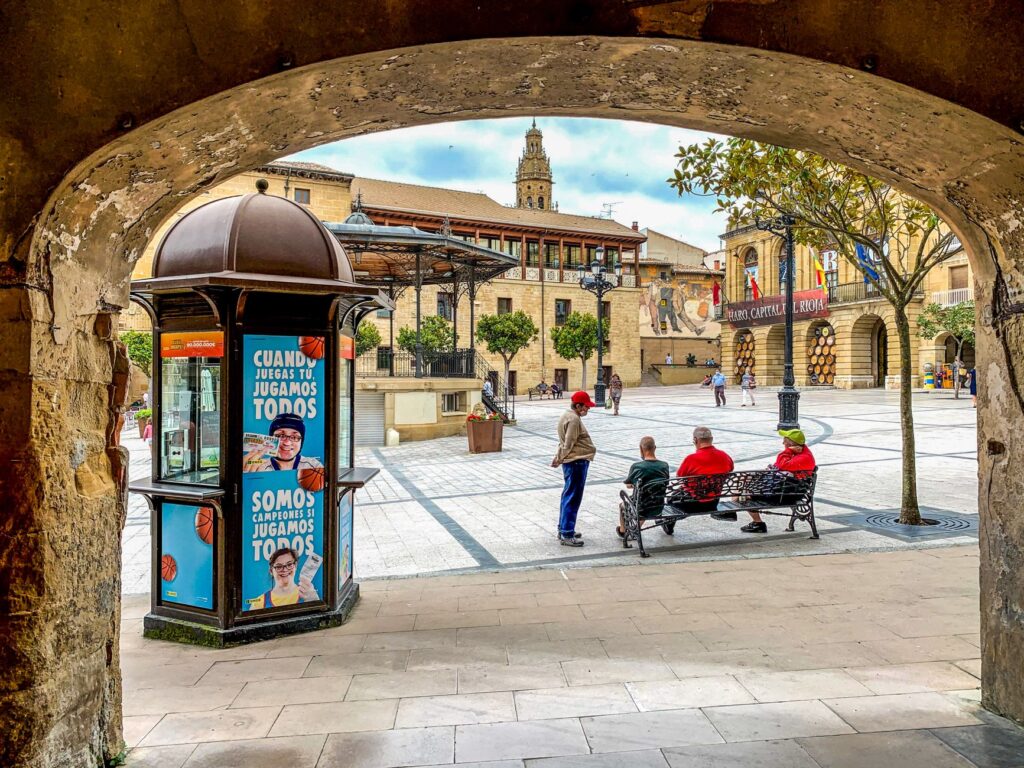
When we abandon the obsession with transforming ourselves, the outside world recovers its mystery. Cities and landscapes cease to be mere backdrops for our personal development and regain their own intrinsic entity. A coffee sipped in an anonymous square on a late afternoon recovers its inherent value when it is no longer interpreted as a stepping stone toward illumination. The simple act of getting lost in streets devoid of monumental interest becomes an act of freedom, free from the mandate to record every step as a milestone in our supposed biographical evolution.
Contemporary leisure has been colonized by the demand for performance; traveling with the sole intention of resting has become an act of cultural resistance.
The Subversive Value of Learning Nothing New
There is a paralyzing fear of wasting vacation time. We dread returning to the office routine and admitting that we did not visit the most relevant museum, that we did not taste the most emblematic dish, or that we did not strike up a profound conversation with a local resident. However, the right to superficiality—understood not as frivolity, but as the capacity to enjoy the surface of things without the obligation to search for hidden depths—is one of the most necessary conquests of contemporary rest.

Permitting oneself to learn nothing useful during a trip is profoundly liberating. We do not need to understand the complex geopolitics of the host country to enjoy the sea breeze; it is not mandatory to decipher the sociological keys of a local fair to savor a traditional pastry. By dropping the burden of permanent educational curiosity, travel recovers its original lightness. We become disinterested observers once more, capable of marveling at the mundane without the coercion of extracting conclusions applicable to our working lives.
The Trap of Connected Disconnection
One of the greatest obstacles to enjoying genuine rest is our inability to abandon the digital showcase. We seek to find ourselves while broadcasting every phase of the process to a virtual audience that evaluates the success of our introspection. The need to document transformation prevents it from happening organically. The mobile phone acts as a constant filter that distances us from direct experience, turning us into directors of our own tourist pseudo-experience.

Breaking this dynamic requires more than turning off mobile data; it demands a change in attitude toward our own gaze. It consists of accepting that much of what we experience abroad lacks public relevance and that this is precisely what makes it valuable. The best hours of a trip are usually those that appear in no guide, those that generate no shareable images, and those that no one will applaud on social media. Recovering the intimacy of travel means accepting anonymity and voluntary irrelevance.
Practical guide
- Reduce transits: Limit the itinerary to a maximum of two geographical bases to avoid the physical and mental exhaustion of constant packing.
- Eliminate the morning schedule: Allow at least three mornings per trip to pass without an alarm clock or pre-established plans.
- Accept discomfort without drama: Assume that logistical setbacks are part of the territory rather than a sign that the trip is going wrong.
- Forsake the bucket list: Voluntarily discard the three most crowded tourist attractions of the destination to seek low-intensity spaces.
- Disconnect the digital narrative: Put the phone away during urban commutes and ban real-time content publishing.
- Prioritize physical rest: Consider the afternoon nap or prolonged room rest as activities as legitimate as cultural sightseeing.
- Choose accommodation for its silence: Select spaces where acoustic isolation and sleep comfort take precedence over design or central location.
The Reunion with the Outside World
When we stop demanding that travel cure us, define us, or return an improved version of ourselves, something extraordinary happens: the destination reveals itself in its naked immensity. The people we cross on the path cease to be extras in our inner movie and recover their own human autonomy. The weary waiter, the elderly man repairing a net in the port, the newspaper vendor who barely looks up; all of them exist independently of our search for meaning.
This surrender to absolute protagonism grants us unusual peace. We are no longer the center of a personal transformation drama, but silent spectators of a world that keeps spinning with or without our epiphanies. And it is precisely in that moment of assumed insignificance that travel fulfills its most noble function: reminding us that reality is infinitely vaster, more complex, and more beautiful than our small ambitions for self-improvement.

Stopping the search for oneself in every corner of the planet is the first essential step toward starting to find the world as it is.
Source in English: Condé Nast Traveler