
The Forgotten Route Roaring Back to Life Above the Adriatic
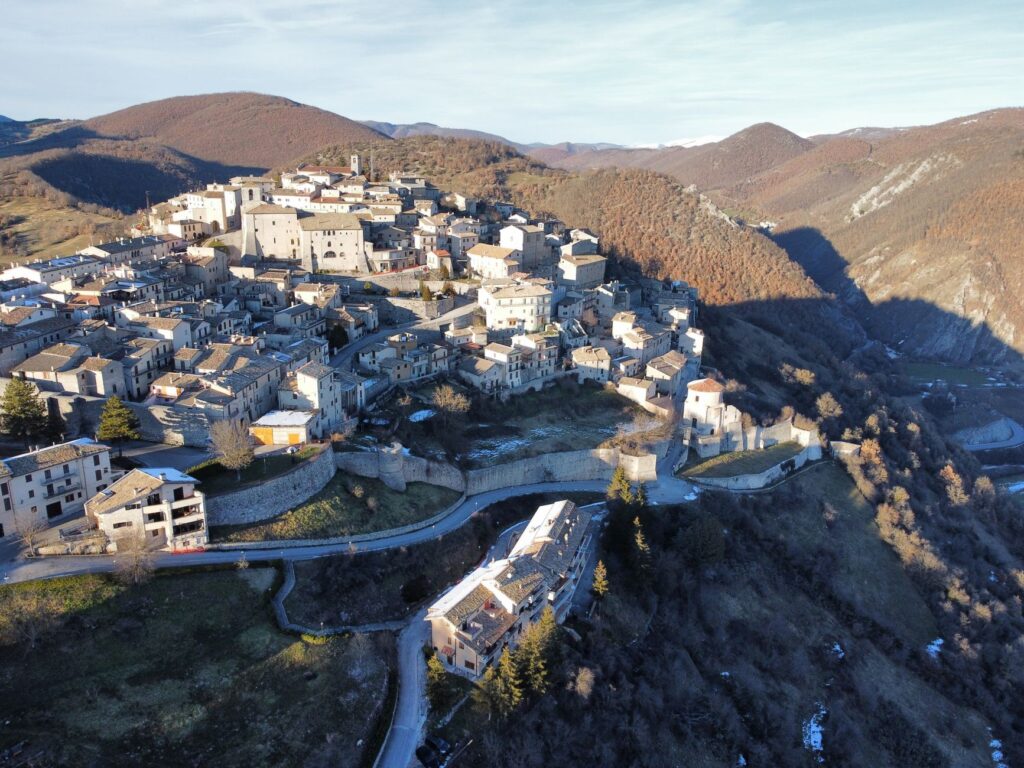
The Abruzzo region, historically overshadowed by the tourist saturation of Tuscany or the Amalfi Coast, is undergoing a quiet yet profound transformation. At the beating heart of this green revolution in sustainable mobility lies Atri, a medieval jewel perched on a clay promontory overlooking the Adriatic Sea. Far from traditional mainstream circuits, the region has captured the attention of the most discerning international markets, most notably drawing a steady stream of travelers from Austria and the United States. This connection is far from accidental: it reflects a deliberate strategy to revalue railway heritage and a global pursuit of authentic destinations where gastronomy and landscape converse without artifice.
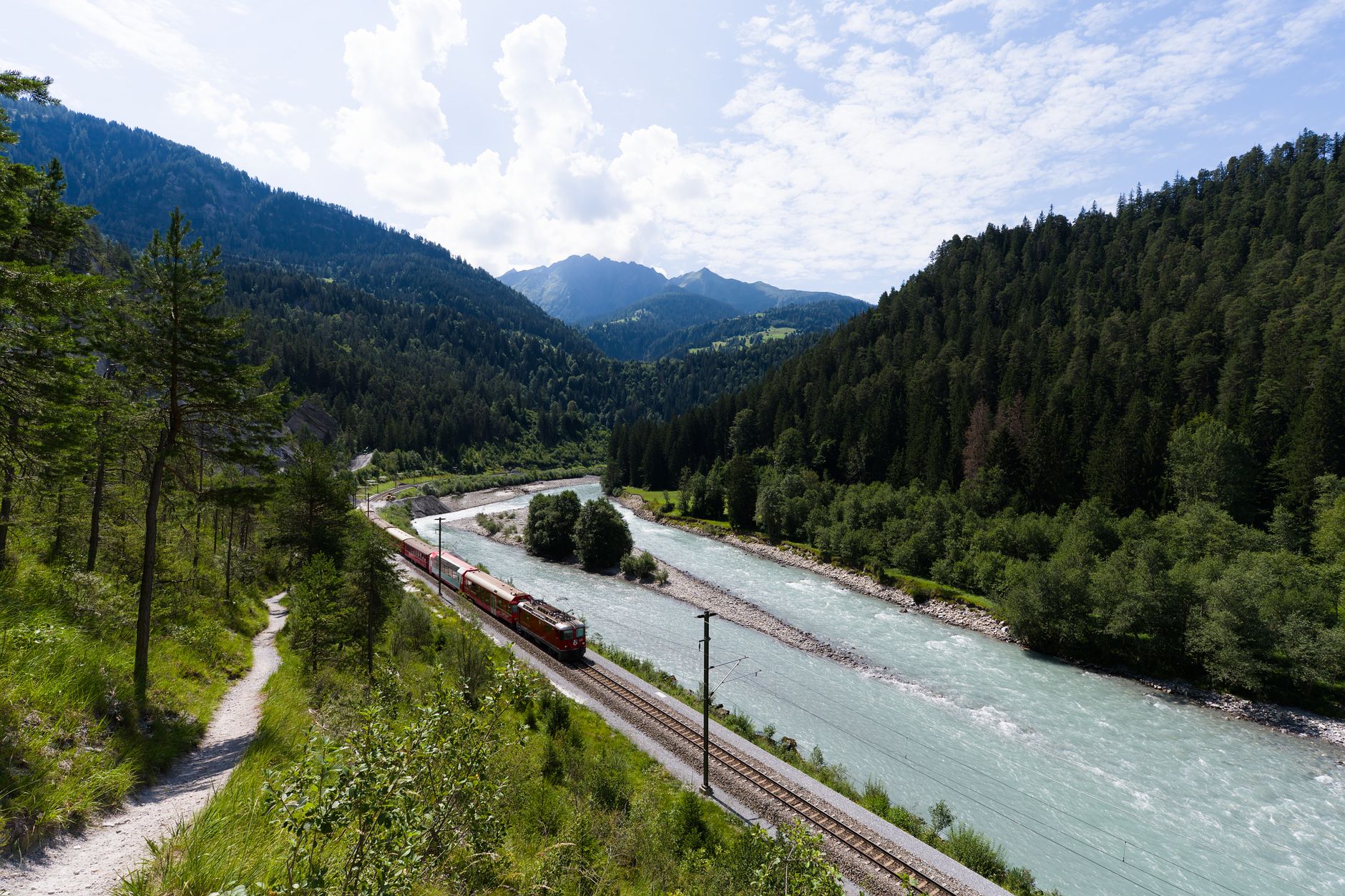
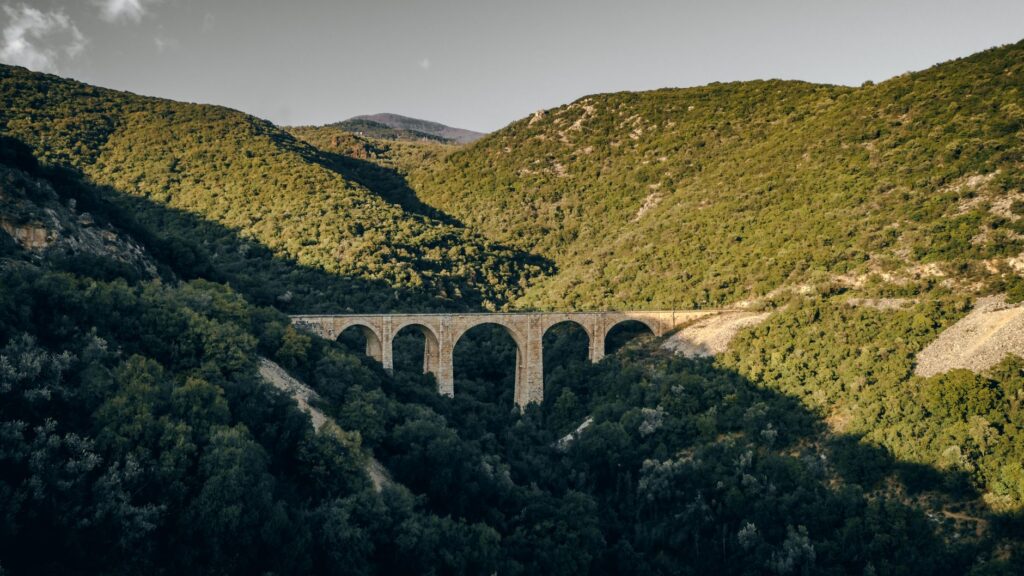
The arrival of North American and Austrian tourists via modernized European rail corridors has redrawn the map of slow travel in Italy. Trains have established themselves as the primary arteries for penetrating the Teramo province, allowing visitors to step off international convoys and seamlessly connect with local networks winding through hills dotted with centuries-old olive groves. This rail renaissance not only eases geographic access but acts as a natural filter for ecologically conscious travelers willing to pause, savor, and comprehend the complex identity of a territory shaped by ancient pastoral transhumance and dry farming.
Atri and Its Clay Topography: The Ravines Protecting the Larder
To understand Atri’s cuisine, looking up at its legendary calanchi—the imposing clay badlands sculpted by millennia of erosion acting as a natural fortress around the city—is essential. This lunar landscape, protected as a natural reserve, generates a unique microclimate infusing local crops with distinctive character. Thermal swings between day and night, combined with the sea breeze laden with salt ascending from the Adriatic coast, gift land products with unparalleled aromatic complexity.
Within this geological contrast, yesterday’s subsistence agriculture has evolved into the standard-bearer of a zero-kilometer gastronomy deeply respectful of the environment. Visitors arriving by train from Vienna or crossing the Atlantic find an unaltered larder in local markets and traditional restaurant dining rooms. Here, respect for the produce is not a modern marketing strategy, but a cultural heritage passed down through generations prioritizing absolute seasonality.
Atri’s true culinary revolution lies not in avant-garde reinvention, but in the fierce defense of an ancient larder sculpted by wind and clay.
Wine and Olive Oil as Conduits for the Traveling Experience
The tourism renaissance catalyzed by new rail corridors has brought two fundamental pillars of Atri’s economy into sharp focus: Montepulciano d’Abruzzo wine and extra virgin olive oil from the Dritta variety. The area’s historic wineries, many family-run with centuries of tradition, have adapted their facilities to welcome an international clientele hungry for knowledge. Travelers from Austria and the United States particularly value technical tastings and guided walks through head-trained vineyards defying gravity on the clay slopes.
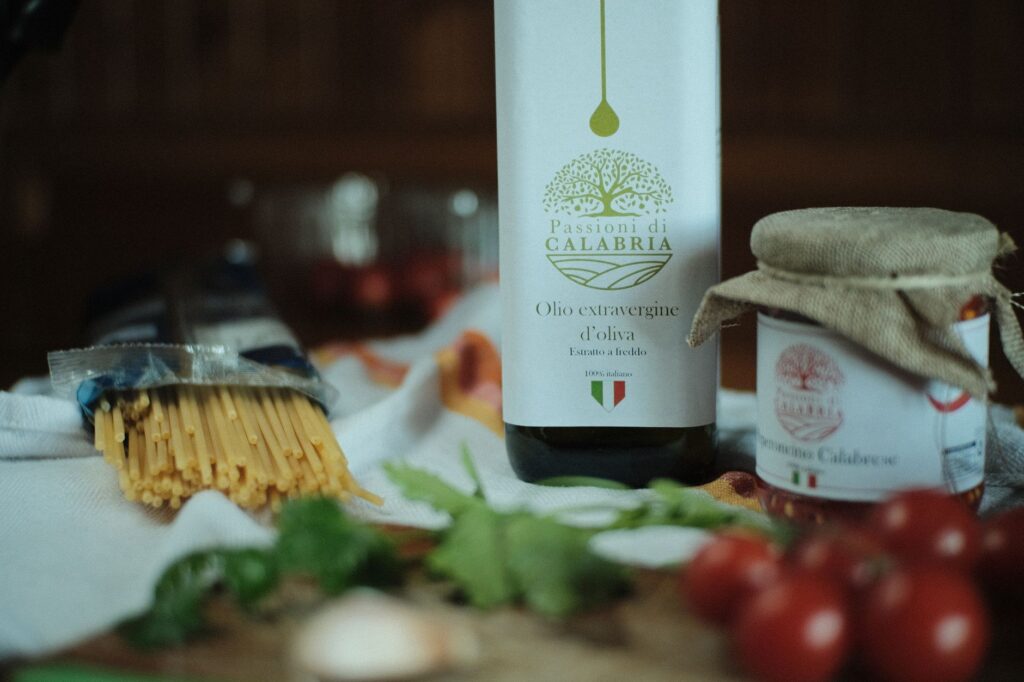
Meanwhile, the extra virgin olive oil obtained from the Dritta olive—indigenous to this corner of Teramo—stands out for its balanced pungent and bitter profile, a direct reflection of mineral-rich soils. Local producers have successfully integrated olive culture with high-end agritourism experiences, where visitors are not passive spectators but active participants in harvesting and understanding cold-extraction processes ensuring product excellence.

The Rediscovery of Pecorino and the Forgotten Flavors of Transhumance
Atri’s cuisine possesses deep roots linked to the ancient route of transhumance, the seasonal movement of livestock between Apennine mountain pastures and Adriatic plains. This pastoral nomadism left an indelible mark on local cheeses, especially Abruzzo pecorino, crafted from milk of sheep grazing freely on wild and aromatic herbs. Area markets and restaurants offer this cheese in multiple maturations, frequently paired with mountain honeys and Montepulciano grape jams.
Complementing this dairy treasure are the region’s artisanal cured meats, such as ventricina or salsicce di fegato, produced following ancestral recipes avoiding chemical additives and relying on traditional smoke and hill-air curing techniques. For Anglo-Saxon and Central European travelers accustomed to industrial food standardization, discovering these dense, direct flavors represents an authentic sensory revelation that fully justifies the cross-continental train journey.
Tradition on the Plate: The Mastery of Maccherone alla Chitarra
No culinary journey through Atri is complete without stepping into the universe of handmade fresh pasta. The undisputed symbol of this tradition is maccherone alla chitarra, named after the traditional cutting tool: a wooden frame with parallel steel wires resembling guitar strings. Rolling dough made from durum wheat semolina and eggs across the strings yields pasta strands with a textured surface perfect for holding dense meat sauces, particularly lamb or wild boar ragù.
Traditional Atri restaurants keep this artisanal technique alive against the temptation of industrialization. Local chefs insist that the steel friction against the dough creates invisible micro-grooves transforming the final dish, allowing sauce to penetrate deep into the carbohydrate core. This culinary meticulousness attracts food critics and gastronomes from New York and Salzburg, seeking the authenticity scarce in major global culinary capitals within the historic center’s small dining rooms.
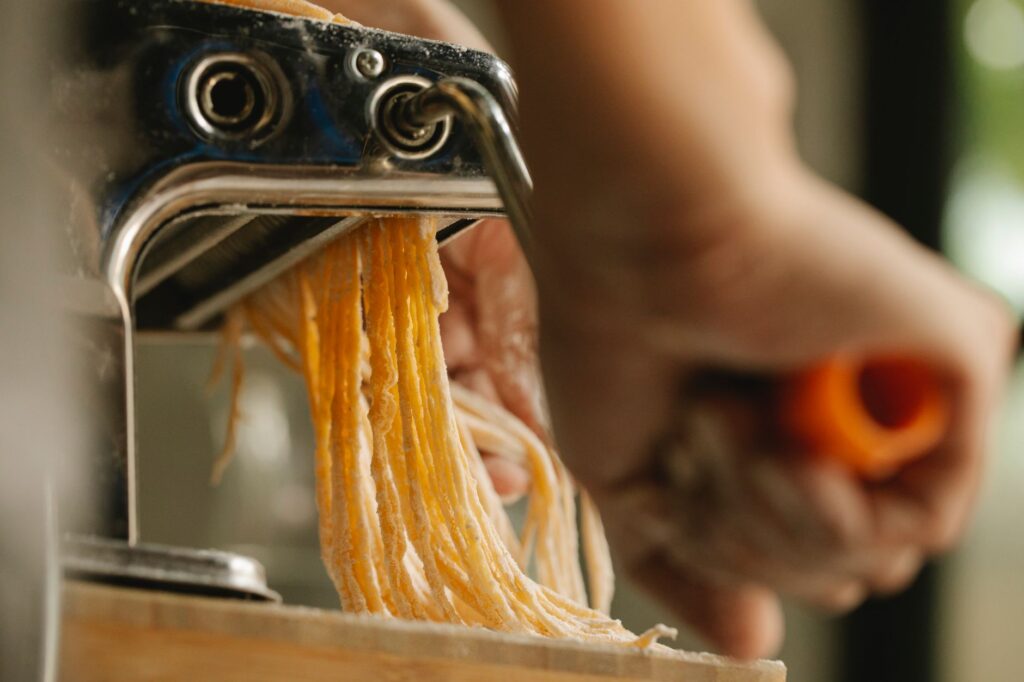
The metallic sound of the chitarra cutting pasta is the daily soundtrack of a territory refusing to forget how the soul is nourished.
Sustainability and Future: The Impact of the Conscious Traveler
The rise in visitors arriving thanks to upgraded railway infrastructure has forced local authorities and tourism operators to manage flows sustainably. Atri has avoided mass tourism by making a firm commitment to quality over quantity. Accommodations in the historic center are largely alberghi diffusi—scattered hotels in restored noble mansions—allowing travelers to integrate into neighborhood daily life without disrupting its natural rhythm.
This development model naturally attracts a profile of North European and North American tourists with high environmental sensitivity. Visitors seek not ostentatious luxuries, but the authenticity of a place where circular economics function spontaneously. Area restaurants source daily from urban gardens and local producers, closing a virtuous circle minimizing carbon footprints and guaranteeing absolute freshness for every dish served.
Practical guide
How to get there: The best option to reach Atri sustainably is utilizing the European rail network to Pescara or Giulianova stations, subsequently connecting with local bus services or regional commuter trains ascending into the Teramo province interior.
When to travel: Spring months (May to June) and autumn (September to October) offer ideal temperatures for hiking ravine trails and enjoying grape harvests and olive picking without crowds.
Where to eat: Prioritize traditional trattorias in Atri’s historic center crafting daily fresh pasta and offering wine lists strictly focused on local Abruzzo denominations.
Essential gastronomy: Do not miss cave-matured local pecorino, maccherone alla chitarra with lamb ragù, and extra virgin olive oil from the Dritta variety.
Recommended accommodation: Opt for alberghi diffusi located in restored historic palazzos within medieval walls for a complete cultural immersion experience.
The Eternal Heartbeat of Atri Among Vineyards and Hills
At dusk, when golden Adriatic light bathes Atri’s brick walls and terracotta rooftops, the city recovers a solemn stillness seemingly suspended in time. Santa María Assunta cathedral bells echo across clay valleys, marking the rhythm of a community that has successfully opened doors to the modern world—through efficient rail routes connecting Europe and crossing oceans—without ever abandoning its most intimate essence. Sitting down at a table in this corner of Abruzos, with a glass of Montepulciano in hand and a steaming plate of fresh pasta before one, is not simply dining; it is participating in a millennial pact between human beings, earth, and time that, fortunately, can still be experienced with all five senses.
Source in EN: Nomad Lawyer (https://news.google.com/rss/articles/CBMikAFBVV95cUxQbmVNYjdWa2g4dWo4VDNLSXRVRW9rVjg3cWFqby1sa3laWDIyOVVoSjktdGhwYTlmZ3Jodm40TXNLbVVJV191ellQUmlmcTBGZGY1N2tsNkg1Vl9aQ081ZTRQRkhMSktGZXl4aE50a21ZLS1zVHk5dFNSZkxrWHk2dlJMckJFQkhvRHdyOVFVOTQ?oc=5)