
The Island as a Territory Sculpted by Fire and Salt
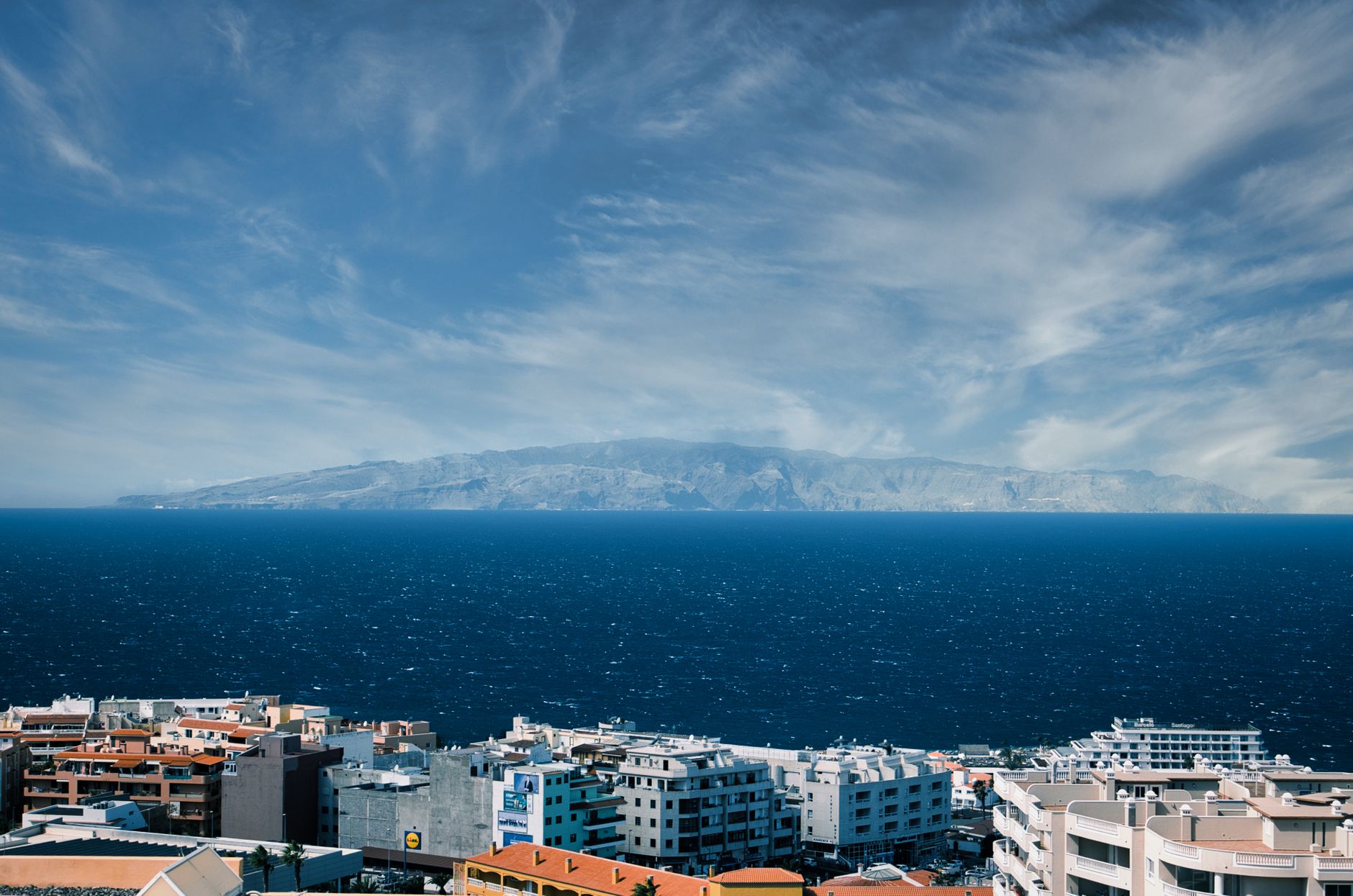
On the northeastern tip of the island of Tenerife, the pulse of the morning is not measured by the ticking of mechanical clocks, but by the rhythmic cadence with which delivery trucks unload fresh fish boxes at the docks and hillside vegetables arrive at the market stalls. Santa Cruz de Tenerife, an amphitheater-like capital gazing out at the Atlantic with the seafaring vocation of a free port, encloses within its historic center a sanctuary where insular geography ceases to be a mere topographic accident and becomes a living cookbook. Here, cooking is not a simple act of subsistence, but the result of a millennial dialogue between volcanic substrate, trade winds, and the successive migratory currents that have woven Canarian identity.
The traveler who crosses the threshold of the Nuestra Señora de África Market does not enter a simple commercial venue, but a secular cathedral where mid-20th-century monumental architecture merges with the lively banter of merchants. Inaugurated in 1944 and designed by architect José Enrique Marrero Regalado, this neo-colonial building with its imposing bell tower and central colonneled courtyard houses the most complex pantry in the archipelago. Within its masonry walls and semicircular arches breathes a dense air, permeated by the unmistakable aroma of toasted gofio, spices brought from the Americas, and sea breezes drifting in from the nearby Dársena de Los Llanos.
The Architecture of Provision and the Geometry of Stone
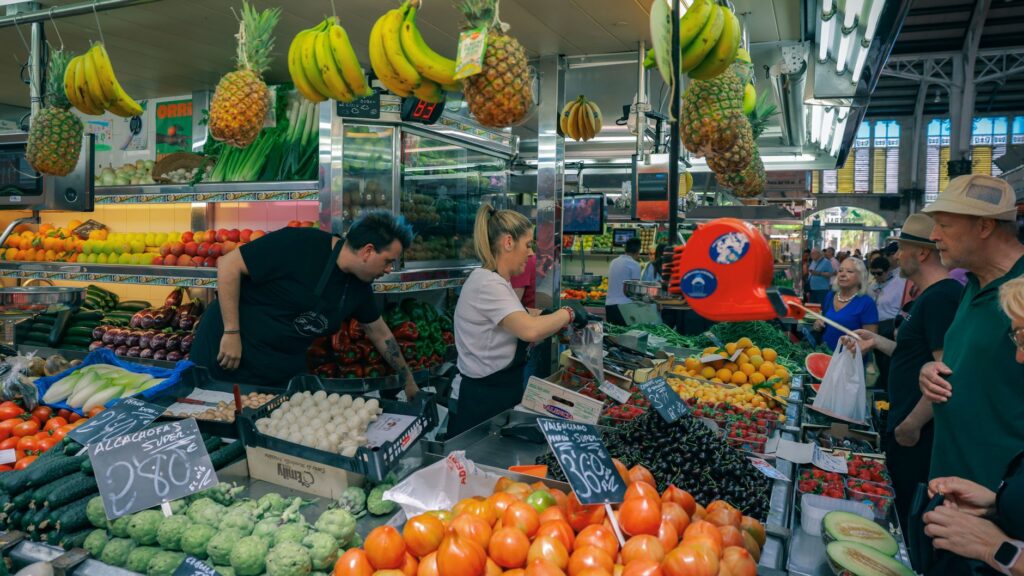
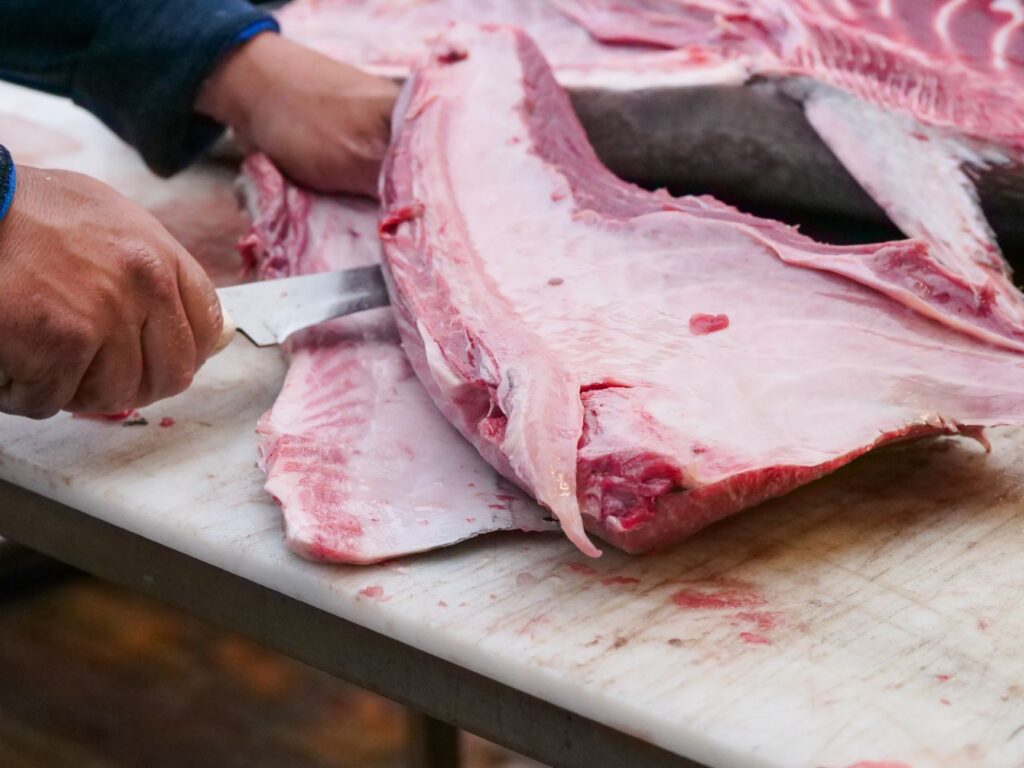
The market’s layout responds to a symmetrical, functional design, organized around a great porticte courtyard that evokes Castilian main plazas tempered by the implacable southern light. On the ground floor, partially excavated into the terrain’s slope to harness the natural descent toward the sea, unfolds the kingdom of scales and shells. The fresh fish stalls offer an extraordinary sampling of Atlantic marine biodiversity: iridescent parrotfish, wreckfish, groupers, and octopuses caught in the pounding surf of the northern coast. Each piece is displayed with an almost museographic rigor, laid upon beds of crushed ice that accentuate the silver flashes of the daily catch.
Just meters away from the fishmonger stalls, the aisles narrow to make way for the meat and heritage potato sectors. Here, insular geology dictates the varieties: black potatoes, bonitas, and azucenas grow in volcanic soils of ash and lapilli, absorbing a mineral content that grants them a waxy, unmistakable texture on the palate. Local farmers, many of them heirs to generations of sharecroppers, explain with doctoral patience the differences between a north-facing plot, damp and shadowed, and a parcel suspended over southern cliffs where the sun scorches the leaves and concentrates starches.
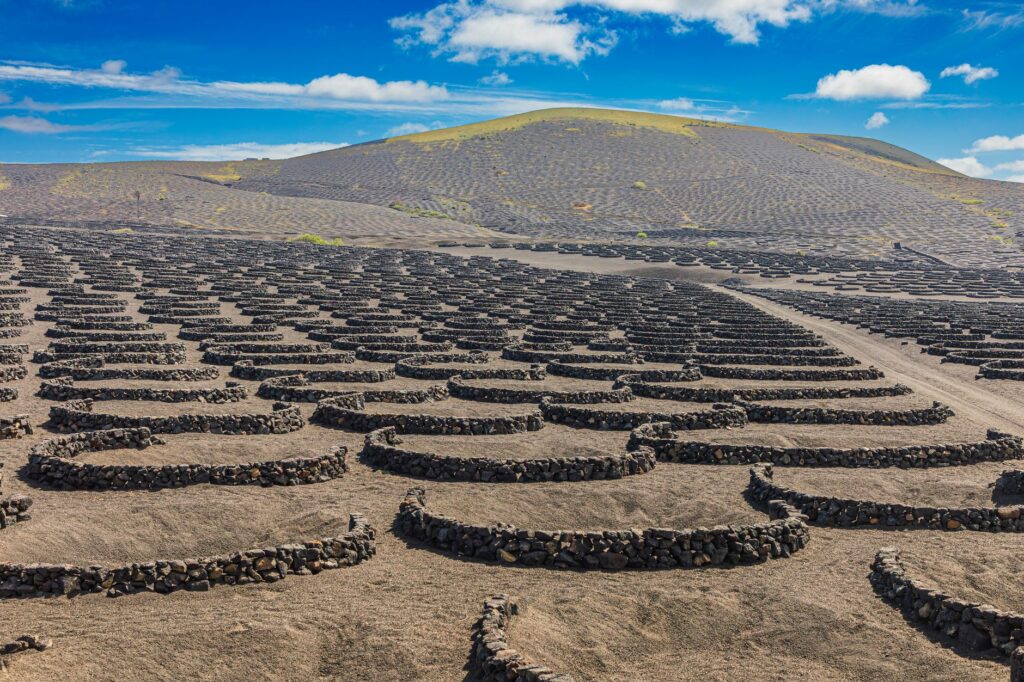
Eating in Santa Cruz de Tenerife is not an act of passive consumption, but a way of assimilating the violence and beauty of an island born from the ocean floor.
The Ritual of the Market and Insular Know-How
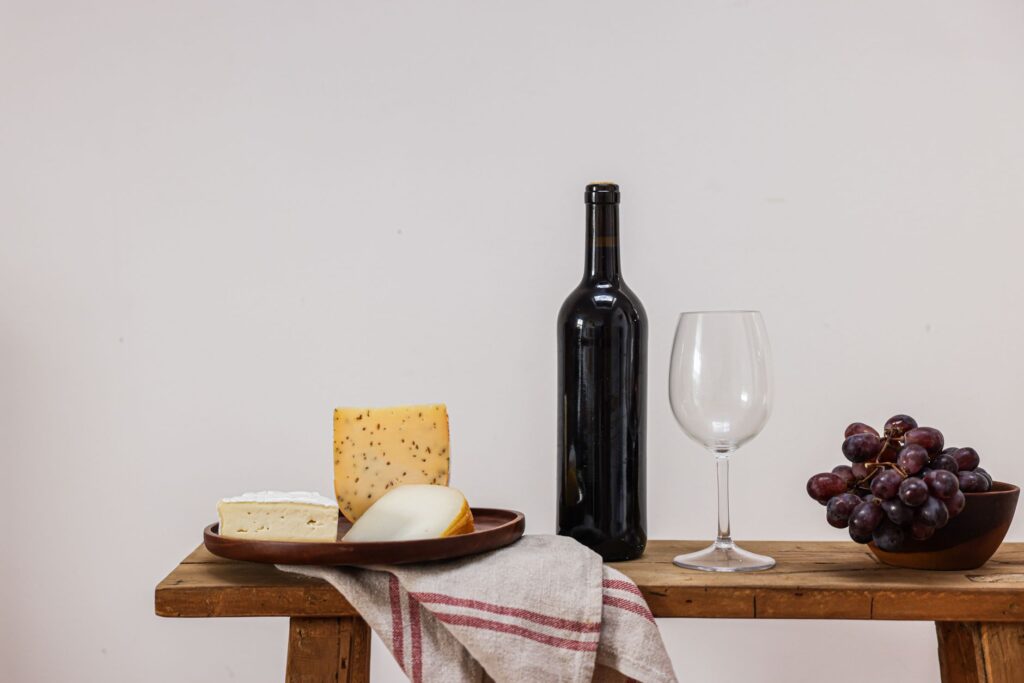
Climbing the stairs leading to the upper level of the market is stepping into the domain of crafts, flowers, and small cheese producers. On this floor, the atmosphere grows more unhurried. The stalls display goat cheeses crafted in the highlands of Anaga or the arid pastures of Arico, pieces with rugged rinds smeared with paprika, gofio, or oil that reflect the harshness of herding in rugged terrain. Tenerife goat milk, nourished by endemic brushwood such as the tajinaste or retama, possesses a fat and aromatic load that transforms radically after weeks of aging in natural caves.
The bustling energy of Sundays, when the market hosts its traditional flea market and outdoor stalls overflow with tropical flowers and artisanal textiles, contrasts with the silent discipline of restaurateurs arriving early in the morning in search of raw ingredients. Island chefs and cooks from traditional inns share counters with homemakers who have been buying from the same produce vendor for decades. This generational continuity is the true social glue of Santa Cruz, a space where commercial modernity has not managed to erode the value of direct dealing and mutual trust between grower and cook.
The Güímar Valley: Terraces of Volcanic Ash, Vines, and Tradition
Less than thirty kilometers south of the capital, crossing the tunnels piercing the dorsal mountain range, the landscape changes drastically. The Güímar Valley opens to the ocean like a natural amphitheater protected by dizzying cliffs that trap clouds and generate a microclimate of extraordinary fertility. In this valley, where ancient Guanches buried their kings in inaccessible burial caves, agriculture is practiced today on stepped terraces supported by dry-stone walls that defy gravity. Here, wild fennel, tender leafy vegetables, and above all, heroic viticulture based on Listán Blanco and Malvasía varieties are cultivated.
Güímar’s vineyards grow in volcanic soils so porous that roots must descend meters deep searching for moisture trapped within the entrails of the scoria. Local winemakers work with traditional methods, employing in many cases cordon-trained vine training—a pruning system unique in the world that can reach several meters in length along the ground. This agrarian landscape, shaped by human effort over five centuries, supplies the region’s restaurants and guachinches, establishing a direct link between volcanic wine and the salted fish stews or pork dishes defining the area’s popular cuisine.
The Marine Pantry of the Eastern Coast and Its Recipes
The coastal strip stretching from Candelaria to Puertito de Güímar is a territory marked by the constant presence of the sea and the memory of ancient salt pans. In these nutrient-rich waters driven by deep currents of the insular channel, artisanal fishermen continue utilizing traditional fishing gear such as purse seines and small longlines. The species captured here—such as rock seabream, blackspot seabream, and white seabream—possess a muscular firmness derived from continuous exertion against the channel tides.
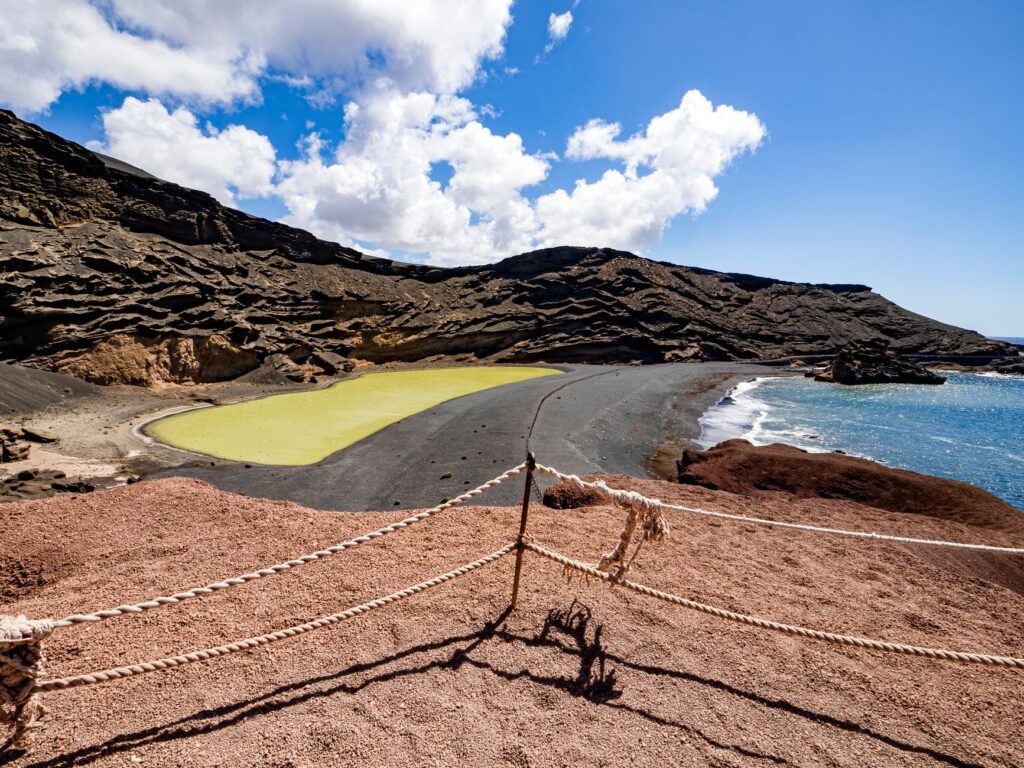
In the kitchens of seafaring homes and coastal taverns, these fish find their ultimate expression in unpretentious preparations: a light sancocho made with salted wreckfish, boiled potatoes, and a lump of gofio scalded with fish broth, or grilled wreckfish accompanied by a green cilantro and cumin mojo. The simplicity of these dishes is deceptive, demanding absolute mastery of cooking times and meticulous ingredient selection, where local wine vinegar and virgin olive oil act as connecting threads binding earth and sea.
Canarian cuisine is a silent archive where every grain of gofio and every drop of mojo preserve the memory of the peoples who populated these Atlantic frontiers.
The Invisible Recipe Book: Between Cauldron and Grill
The everyday cooking of Santa Cruz de Tenerife and its surrounding island territory cannot be understood without mastering slow heat and cast-iron cauldrons. Dishes like the Tenerife *ropa vieja*, made with leftover meat and chickpeas from the traditional *puchero*, or watercress stew with salted pork ribs, demonstrate a vocation for extreme thrift rooted in eras of historical scarcity. These seemingly humble dishes concentrate deep flavors thanks to prolonged cooking and generous sofritos of onion, garlic, red bell pepper, and paprika.
Regarding accompaniments, red and green mojos act as catalytic elements balancing the hearty nature of meats and the starchy neutrality of wrinkled potatoes. Making mojo is an almost private ritual in every home: an emulsion of oil, vinegar, salt, garlic crushed in a stone mortar, and cumin, supplemented with paprika or fresh cilantro depending on the variant. Far from being heavy sauces, authentic mojos provide piercing acidity and aromatic freshness that cleanse the palate and prepare the ground for the next bite.
Practical guide
- Getting There: Tenerife North Airport (TFN) lies only 12 kilometers from Santa Cruz de Tenerife, connected via regular bus lines (guaguas) and taxis. Tenerife South Airport (TFS) handles international flights and sits about 60 kilometers away via highway.
- When to Visit: Any time of year is favorable thanks to the subtropical climate, though spring months (April to June) and autumn (September to November) offer milder temperatures and fewer tourists.
- The Nuestra Señora de África Market: Located on Avenida de San Sebastián, open Monday through Saturday mornings (6:00 AM to 2:00 PM, extending until 3:00 PM on Sundays for the flea market and gastronomic zone).
- Excursion to the Güímar Valley: Accessed from Santa Cruz via the TF-1 southern highway, taking the exit for Güímar along the TF-28 insular road. Renting a vehicle is recommended to explore terraces and local wineries with complete freedom.
- Recommended Accommodations: In Santa Cruz, boutique hotels set in restored colonial mansions stand out, such as Hotel Emblemático San Telmo or Silken Atlántida Santa Cruz, ideal for immersing oneself in urban life.
- Restaurants and Guachinches: To sample authentic seaside cuisine, seek out the taverns in the Los Hoteles neighborhood and the port surroundings. In the Güímar Valley, traditional guachinches offer estate wine and grilled meats during authorized opening months.
- Shopping Tip: If purchasing cheeses or heritage potatoes at the market, ask the vendor for proper air-transport packaging and check current phytosanitary regulations for agro-food products outside the European Union.
The Echo of the Atlantic in the Traveler’s Memory
As afternoon begins to wane over the bay of Santa Cruz and fishing boats set sail once more toward the high seas to begin the night shift, the traveler understands that the true essence of this territory does not lie in its most celebrated postcards, but in the backrooms of its markets and the patient stone of its terraces. Sitting on a terrace facing the dock, with a glass of white wine from the Güímar Valley and a piece of semi-cured goat cheese, is an exercise in contemplation transcending gastronomy. It is the realization that across these volcanic islands, beaten by wind and sustained by human effort, every flavor tells a story of survival, beauty, and resistance against oblivion.