
Introduction to the Karstic and Forest Landscape
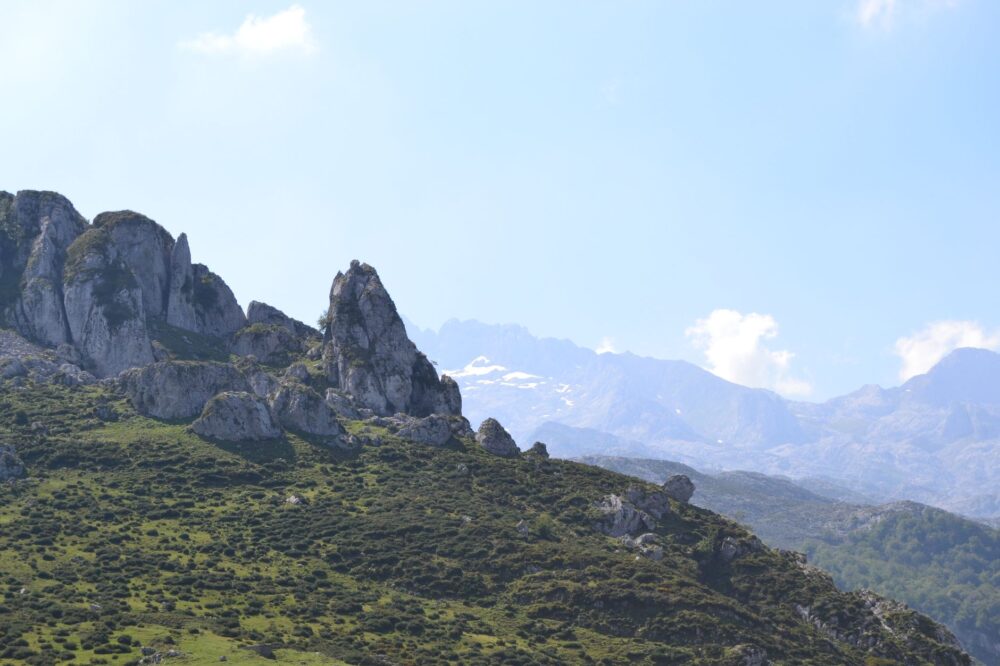
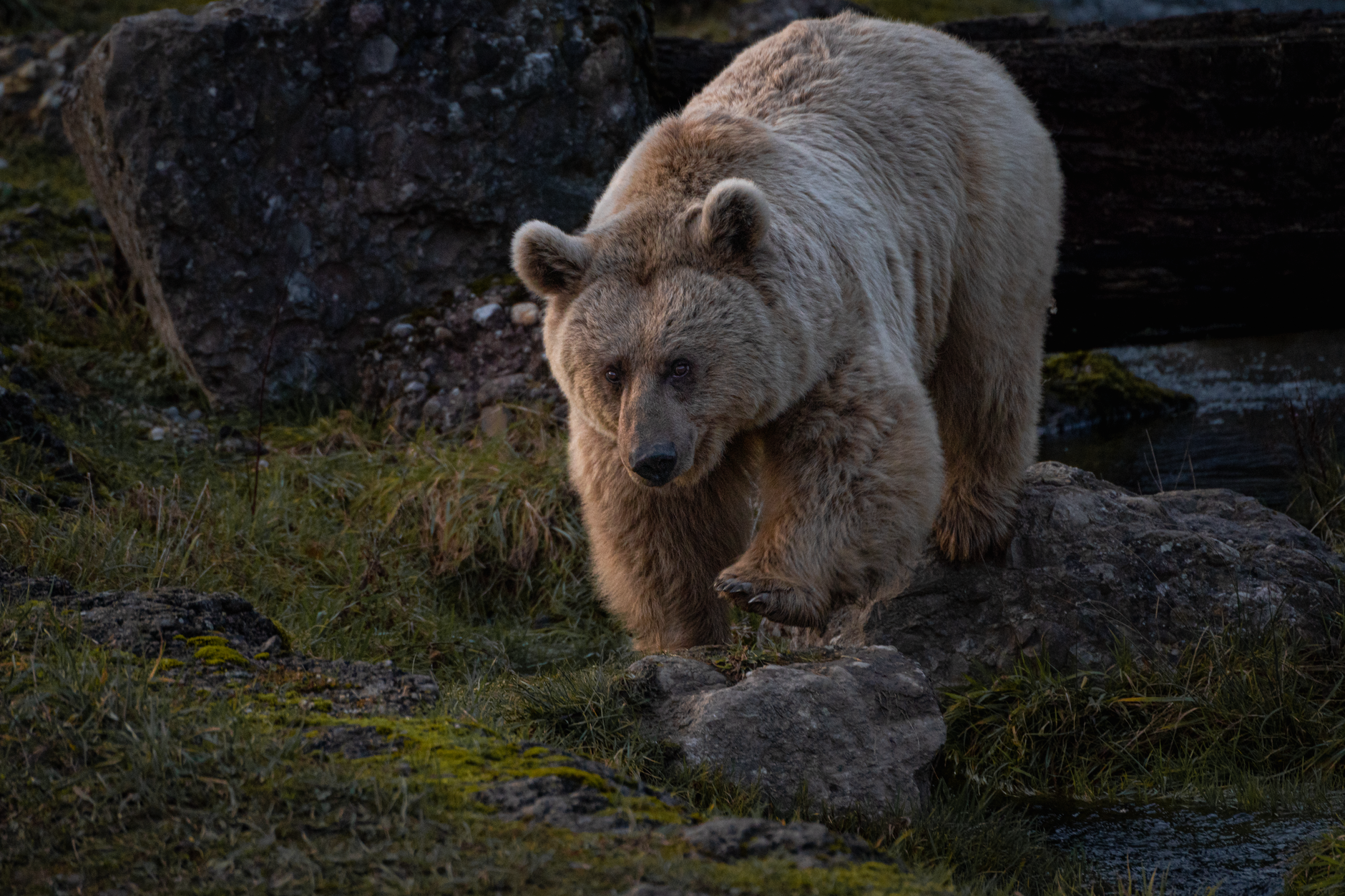
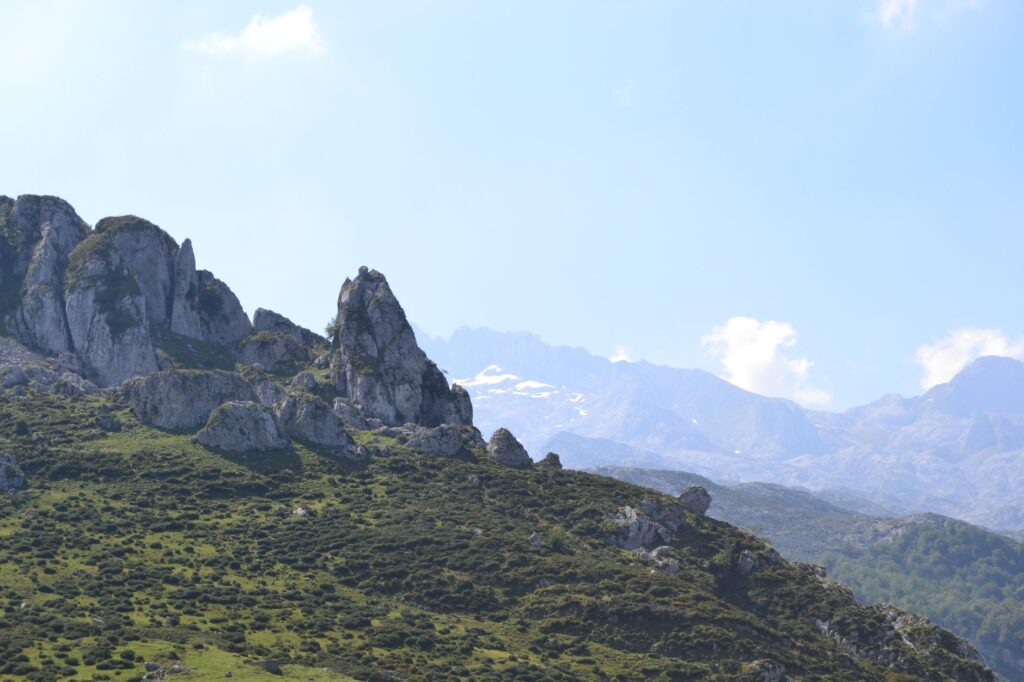
The Somiedo Natural Park, nestled in the heart of the Cantabrian Mountains, represents one of southern Europe’s most treasured ecological strongholds. Here, an orography sculpted by tectonics and Quaternary glacial action has generated a mosaic of deep valleys, limestone ridges, and extensive forest masses dominated by beeches (Fagus sylvatica) and oaks (Quercus petraea). This rugged relief not only defines a landscape aesthetic of breathtaking beauty, but also constitutes the ideal habitat for one of the continent’s most emblematic terrestrial mammals: the Cantabrian brown bear (Ursus arctos pyrenaicus).
For decades, this subspecies teetered on the brink of extinction due to historical hunting pressure, habitat fragmentation, and the use of poisons. However, thanks to rigorous protection programs initiated in the late 20th century, the population has experienced a remarkable demographic recovery. Somiedo is not merely a passive refuge; it functions as a natural laboratory where field science, forestry management, and coexistence with traditional activities like extensive livestock farming intertwine in complex and fascinating ways.
Biology and Ecology of the Cantabrian Brown Bear
The scientific study of Ursus arctos pyrenaicus reveals extraordinary biological adaptations to a temperate environment conditioned by harsh winters. Unlike their counterparts in more northern latitudes, Cantabrian bears do not undergo a strict and prolonged winter lethargy due to the mountain range’s thermal variability, although they drastically reduce their metabolic activity in the coldest months through a period known as winter torpor. This behavior depends heavily on the availability of high-calorie food during the preceding autumn.
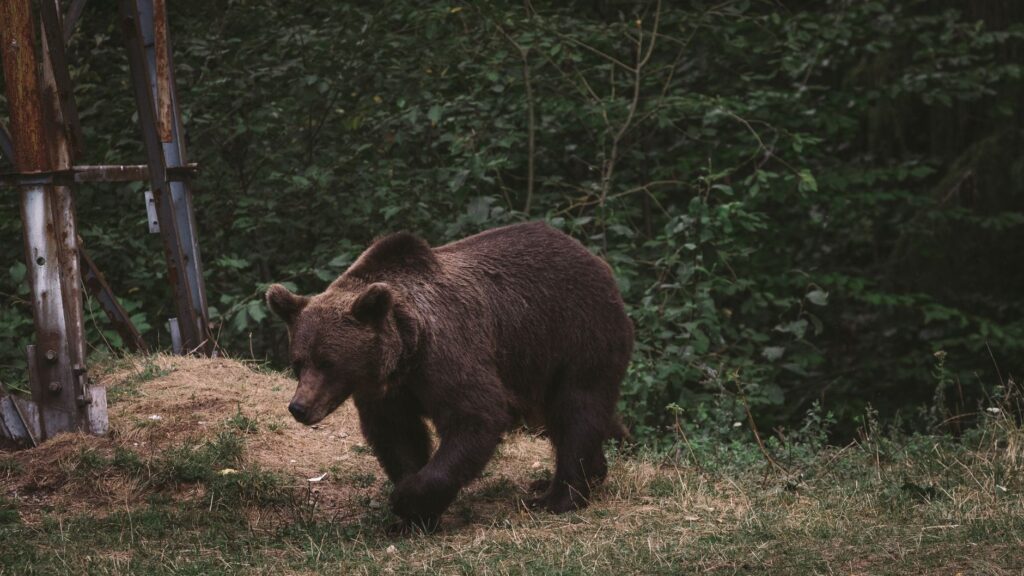
The diet of these plantigrades is overwhelmingly opportunistic and omnivorous, consisting of over ninety percent plant matter. During spring, after leaving the security areas where they spent the winter, they consume tender shoots, herbaceous plants, and available carrion following the snowmelt. With the arrival of summer, their diet diversifies toward early wild fruits, such as blueberries (Vaccinium myrtillus). Nevertheless, autumn is the critical moment: forest phenology aligns with the hyperphagia phase, where bears feed intensely on beechnuts and chestnuts to accumulate the fat reserves essential for survival and reproduction.
Ecological Corridors and Habitat Connectivity
The long-term viability of any isolated wild population depends on its genetic diversity. In the case of the Cantabrian bear, the mountain range has historically been divided into two main nuclei —the western and the eastern— separated by road infrastructure and inhabited valleys. Somiedo lies within the western core, which harbors the highest demographic density and the greatest number of breeding females. Keeping open the ecological corridors that connect this stronghold with the eastern sector is the absolute priority of conservation biologists.
Radiotracking and camera-trapping studies demonstrate that bears preferentially use areas of dense scrub and mature forests for their nocturnal movements, avoiding human disturbances as much as possible. The passive restoration of these corridors through reforestation with native species and the restriction of new forest track openings ensures that young individuals in the dispersal phase can find new territories and avoid inbreeding. Connectivity, therefore, is not an abstract concept, but a physical network of understory and continuous woodland.
Management of Trophic Resources and the Role of Mature Woodlands
Species conservation is inextricably linked to the phytosanitary health of the forests. Somiedo’s mature beech woods not only provide shelter from bad weather and daytime resting areas —known as beds or serdas—, but act as the ecosystem’s fundamental larder. Interannual fluctuations in beechnut production, a phenomenon known as mast seeding, directly condition the reproductive success of female bears and the survival of cubs born during winter.
Researchers continuously monitor the canopy of centennial trees to predict fruiting rates. When production fails due to dry springs or late frost episodes, animals tend to seek alternative food sources, occasionally increasing spatial overlap with humans. For this reason, modern forestry management in the park prioritizes the conservation of ancient specimens over intensive timber harvesting, ensuring a constant trophic supply and reducing the population’s nutritional stress.
The recovery of large mammals depends not solely on legal protection on paper, but on the active preservation of the complex ecological processes sustaining their life cycle.
Coexistence with Extensive Livestock Farming and Local Traditions
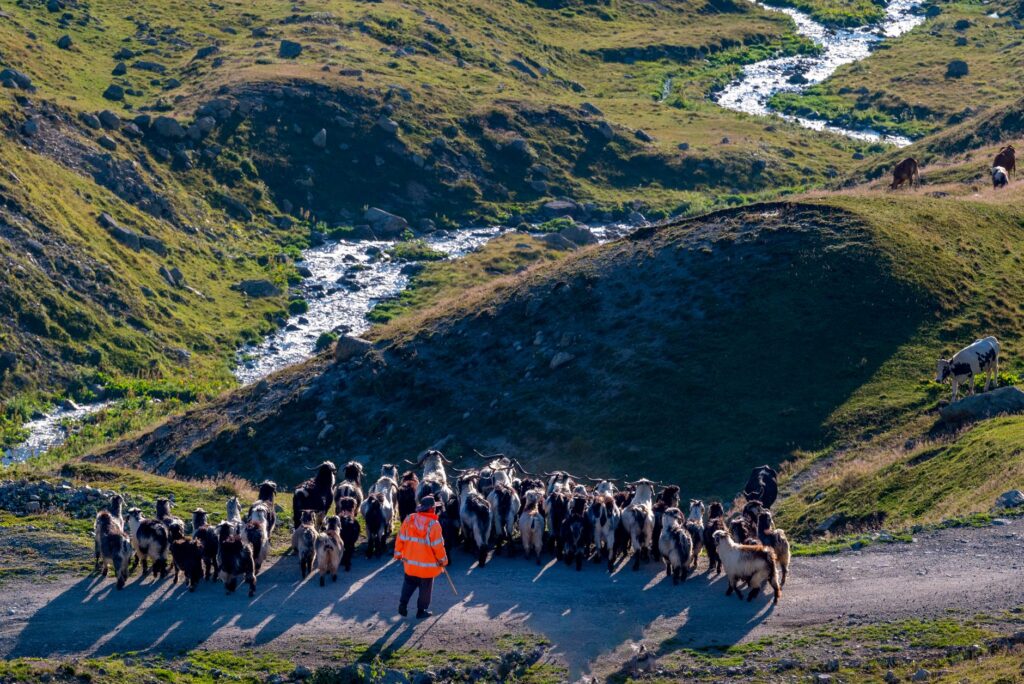
The success of the conservation model in Somiedo lies in the integration of the natural environment with traditional human practices that have shaped the landscape for centuries. Extensive cattle ranching in the Bear Valleys shares space with wildlife. While this coexistence has historically generated tensions due to occasional damage to livestock or beehives, the regional administration has implemented a rigorous system of prevention and economic compensation.
The use of traditional mastiff dogs to guard livestock, the installation of electrified fencing in high-mountain pastures, and the swift payment of compensation by the Principality of Asturias have substantially mitigated the conflict. Local farmers, once deeply distrustful of the bear’s presence, now recognize that biodiversity is also a vector for sustainable socioeconomic development through regulated nature tourism and the revaluation of local products certified under environmental quality labels.
Scientific Research and Demographic Monitoring
Understanding the exact size and structure of such an elusive wildlife population requires refined, non-invasive scientific methodologies. In Somiedo, park rangers and conservation organization researchers use a combined approach involving genetic analysis of hair and scat samples collected in the field, strategic camera trapping, and direct observation from authorized vantage points.
DNA analysis extracted from hairs adhered to scratching trees allows laboratories to identify specific individuals, estimate the sex ratio, calculate birth rates, and detect kinship cases. These quantitative demographic data offer a precise X-ray of population health and enable managers to adapt public use regulations in highly sensitive zones during mating seasons —the spring— and breeding periods.
Wildlife Observation Tourism: Limits and Ethics
The appeal of the brown bear has driven the rise of nature tourism in the Somiedo councils. However, wildlife viewing requires a strict ethical code to prevent animals from becoming habituated to human presence or having their home ranges altered. Legislation strictly prohibits intentional approach to specimens, the use of baits to attract them, and the emission of noises that could disturb their tranquility.
Local nature guide companies play a fundamental mediating role, educating visitors and operating exclusively from distant viewpoints with the aid of high-powered spotting scopes. This form of respectful ecotourism demonstrates that it is possible to generate economic wealth for local hospitality and services without compromising wildlife welfare or transforming the natural behavior of carnivores.
Practical guide
How to get there: The Somiedo Natural Park is located in southwestern Asturias. The main access by private vehicle is from Oviedo via the A-63 highway to Cornellana, continuing along the AS-227 road winding up to Pola de Somiedo, the council capital.
Best time to visit: Spring (from April to June) offers dazzling green landscapes and the chance to observe bears after the snowmelt on clear slopes. Autumn (from October to November) stands out for the chromatic explosion of beech forests shedding leaves and the intense trophic activity of the animals.
Accommodation and services: Pola de Somiedo and surrounding villages offer a balanced selection of rural lodgings, small guesthouses, and restaurants specializing in traditional mountain gastronomy, featuring local products and organic meat.

Park regulations: Maintaining a prudent distance from wildlife is mandatory, as is staying on marked trails in strict reserve areas, respecting forest ranger instructions, and depositing personal waste in designated bins outside the protected area.
Recommended gear: Sturdy and waterproof mountain footwear, technical layered clothing due to high weather variability in the mountain range, quality binoculars, and a spotting scope for passive observation from authorized panoramic viewpoints.
Visual Epilogue: The Silent Pulse of the Mature Forest
At dusk, when the golden evening light cuts horizontally through the centennial beech canopies and absolute silence envelops the karstic slopes, the true dimension of Somiedo reveals itself in all its magnitude. It is not merely the contemplation of a picturesque landscape, but the realization that wild nature, when granted necessary time and space, possesses formidable resilience. The stealthy passage of the brown bear through these valleys reminds the attentive traveler that rigorous conservation is the only viable bridge between our natural past and a future where biodiversity continues to pulse strongly in the heart of the Iberian high mountains.