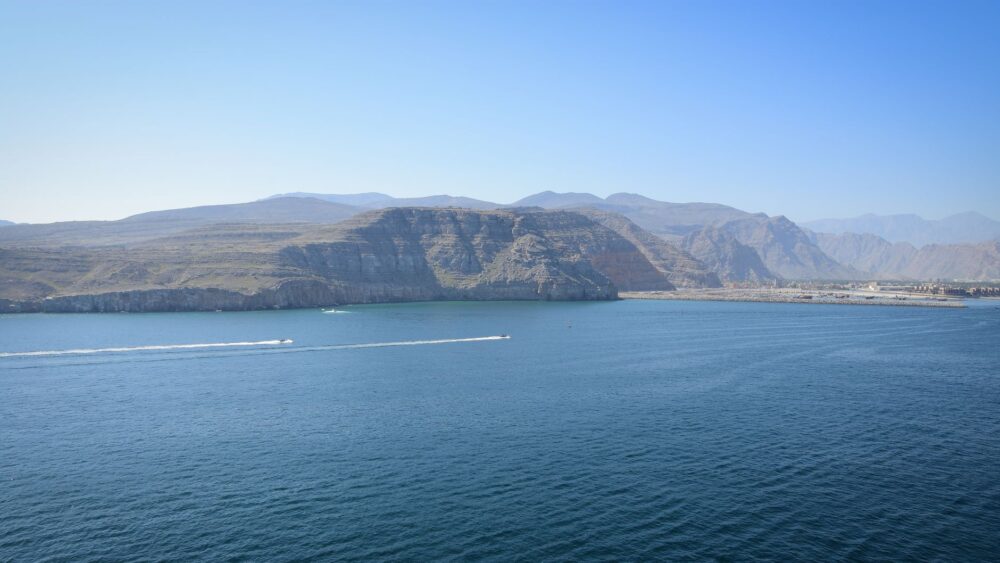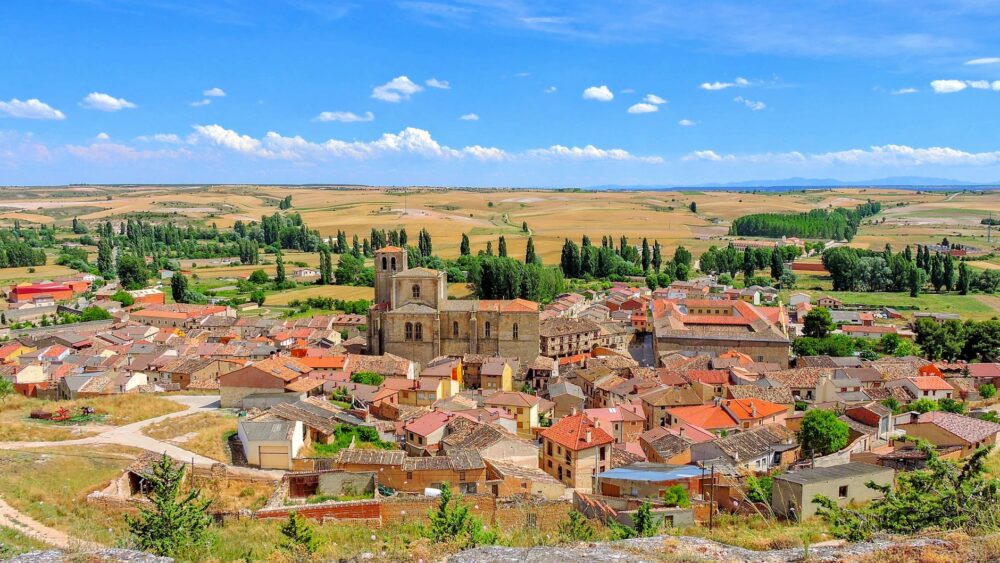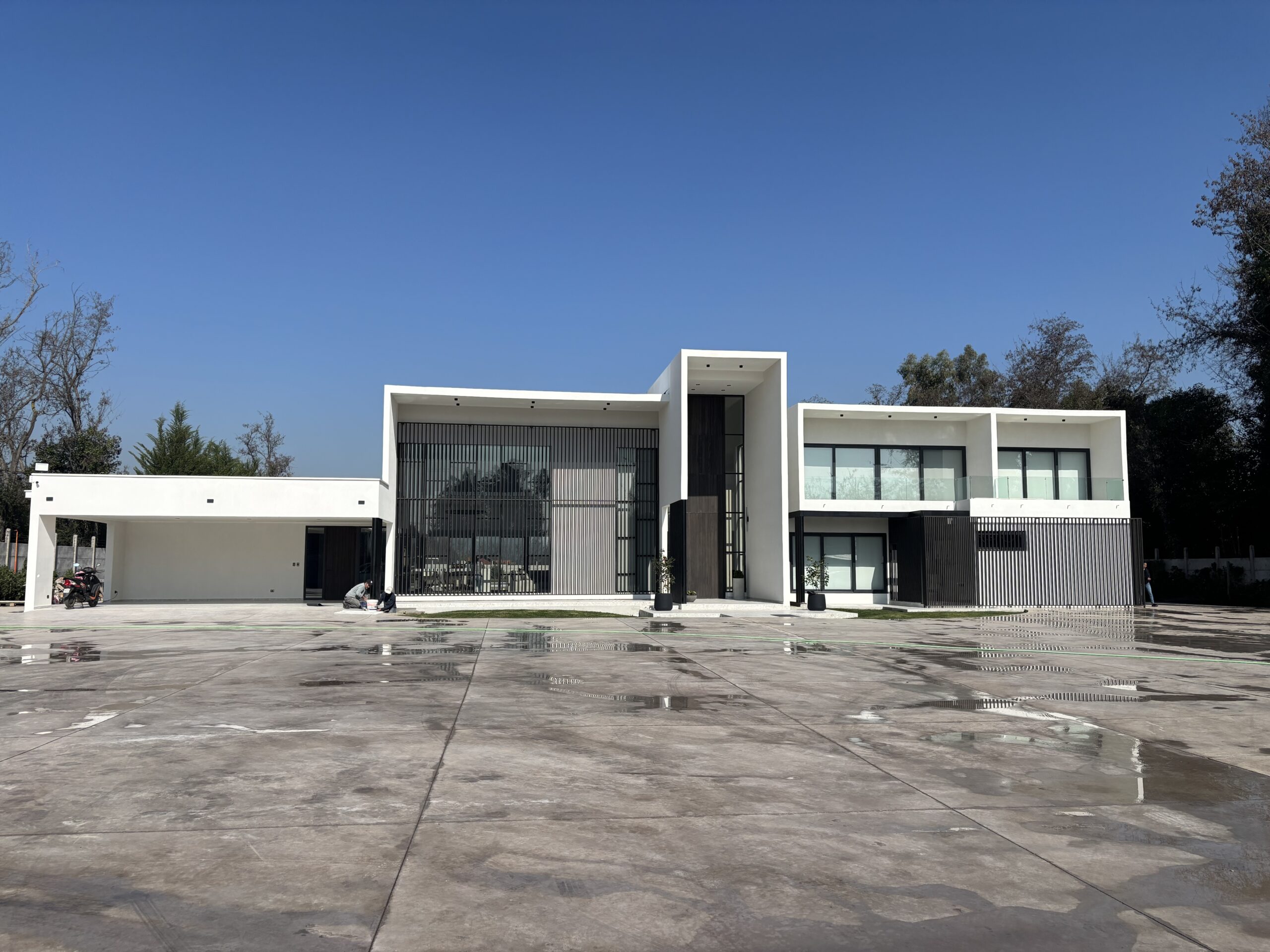

Chile cannot be understood through its cities alone, nor solely through its geography. Between the desert, the Andes, the valleys, the Pacific and Patagonia, an architecture has emerged that has learned to respond to a territory that is never neutral. To build here is to negotiate with climate, topography, resources, memory and different ways of inhabiting space.
For Chile Month and the 2026 Fiestas Patrias, Estudio Arquitectos developed the editorial special Chile, Territory of Architecture, bringing together Mariela Pimentel Valdivia, Smiljan Radić Clarke, Alejandro Aravena, Cecilia Puga, Mathias Klotz, Sebastián Irarrázaval and Cazú Zegers. Atlas Lume continues that conversation through seven works that offer different ways of approaching Chilean architecture across remarkably diverse scales, programs and territories.
Mariela Pimentel Valdivia: Architecture Through the Experience of Living
Director and Founder of Estudio Arquitectos, Mariela Pimentel Valdivia brings together professional practice, interior design, editorial direction and community building around architecture. Her inclusion in this journey allows the story to begin at an intimate scale: the home as the place where architectural decisions ultimately meet everyday life.
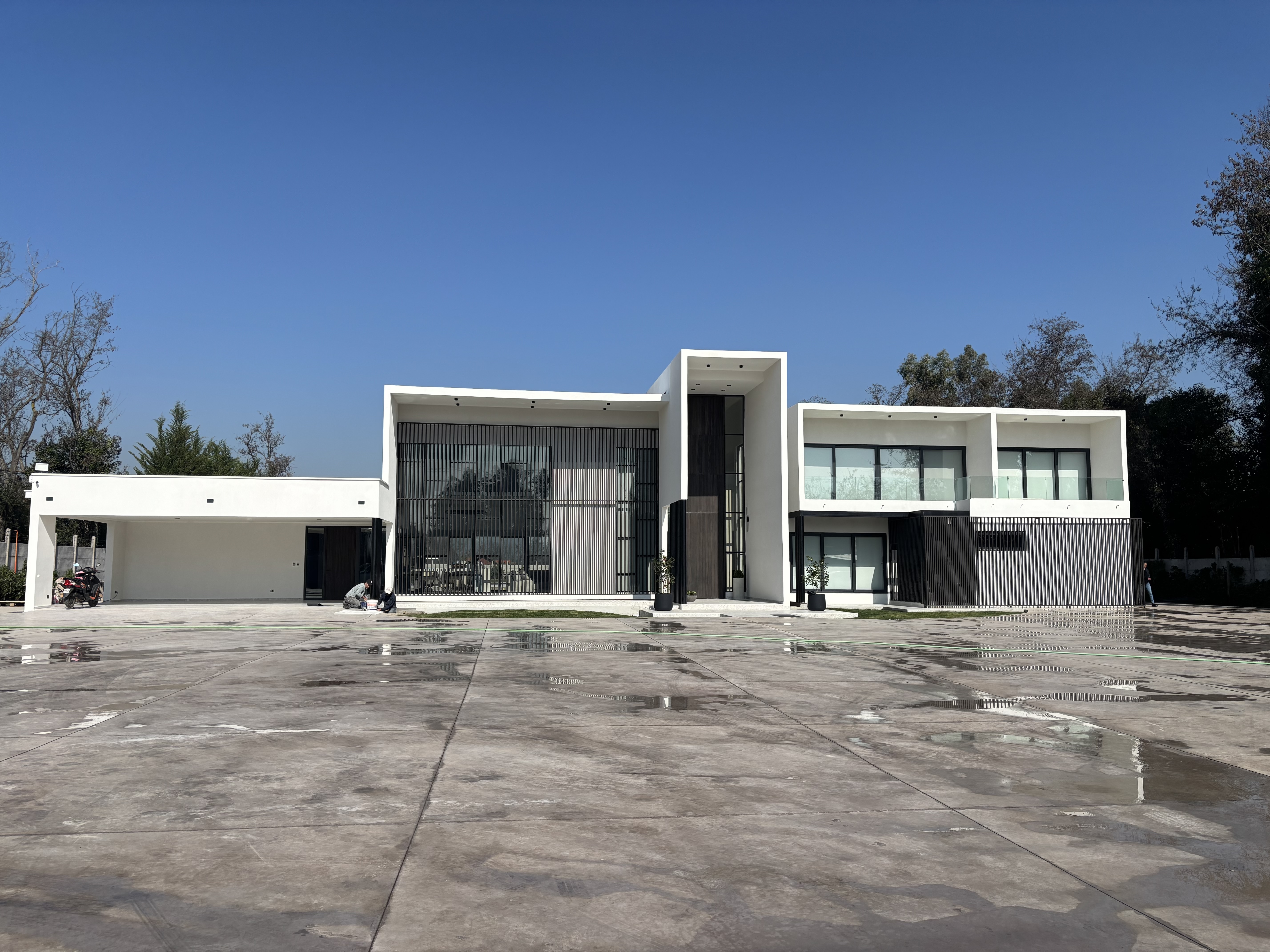
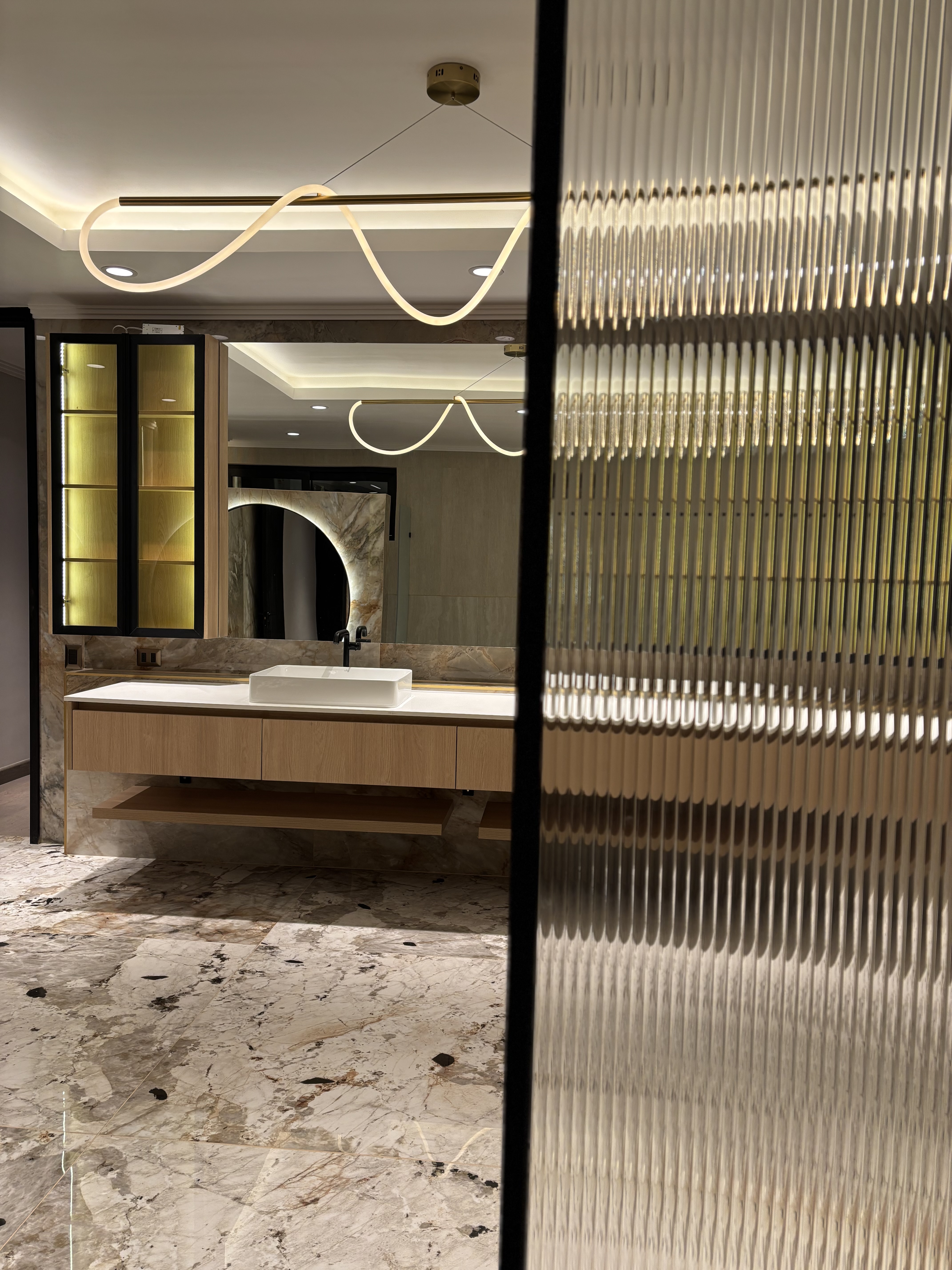
Casa Acuña expresses this dimension through a contemporary composition of volumes, expansive transparent surfaces, white planes and dark vertical elements. The façade creates depth through solids and voids, while the interior brings together lighting, textures, stone, wood, glass and reflections as part of a unified spatial experience.
Smiljan Radić: Weight, Matter and Estrangement
At Restaurante Mestizo, in Santiago’s Parque Bicentenario, Smiljan Radić creates a deliberately ambiguous relationship between building, pavilion, garden and sculpture. The dark roof appears to rest upon massive pieces of granite, while glass maintains a visual continuity with the surrounding park.
The collaboration with sculptor Marcela Correa is essential. The stones do not appear as added decoration; they participate in the structural and spatial perception of the work. The project creates a tension between weight and openness, between the seemingly precarious and the carefully constructed.

In Chile, territory does not function merely as a backdrop: it often becomes one of the fundamental materials of the project.
Alejandro Aravena and ELEMENTAL: Housing as a Process
Quinta Monroy, in Iquique, shifted the architectural discussion toward a concrete urban and social problem: how to keep families on a centrally located site when land values made conventional housing extremely difficult to provide within the available resources.
ELEMENTAL concentrated the initial investment on those components that would later be most difficult for residents to build individually, while leaving room for the homes to expand. Architecture is therefore understood as a framework open to transformation rather than exclusively as a finished object on the day it is delivered.

Cecilia Puga: Preserving Without Freezing
The recovery of Palacio Pereira introduces a different question: how can contemporary life be introduced into a heritage building without erasing what makes it significant? The proposal developed by Cecilia Puga, Paula Velasco and Alberto Moletto works precisely at the intersection of conservation and renewal.
The intervention acknowledges the building’s historical layers while introducing architecture capable of supporting new programs. Heritage is no longer understood as something static, but as a structure that can continue to participate in the life of the city.

Mathias Klotz: Living Among the Trees
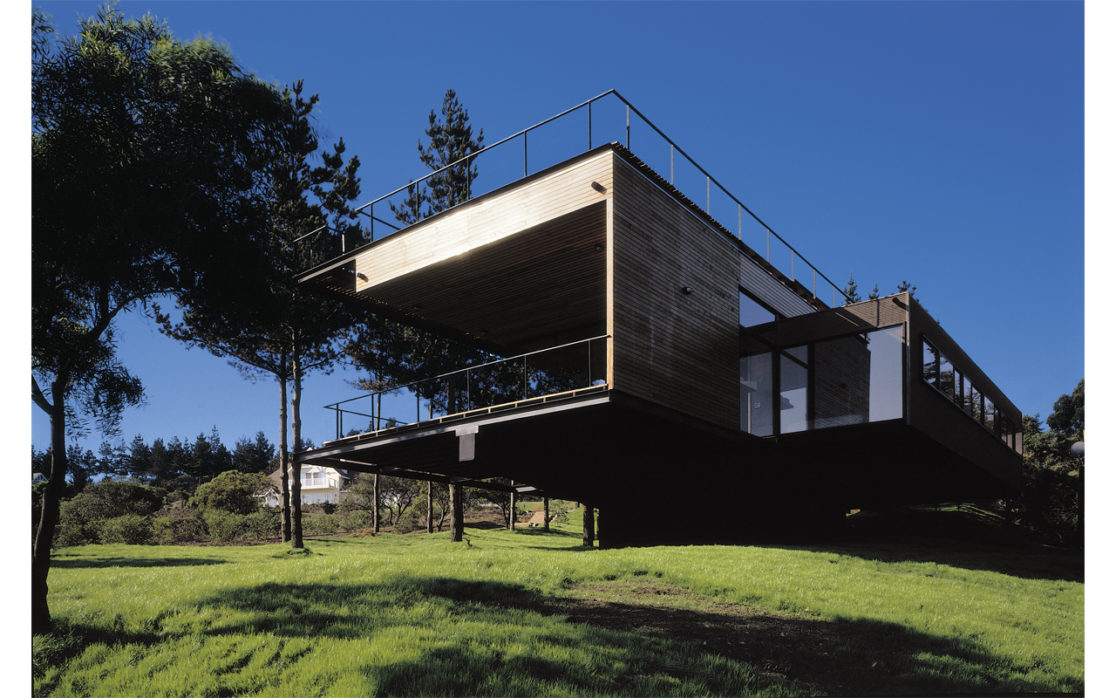
At Casa Reutter, the slope and the forest cease to be obstacles and instead organize the project. The house rises among the pine trees, freeing part of the ground and seeking views toward the coast. Its placement simultaneously determines structure, circulation and the visual relationship with its surroundings.
Two rectangular volumes organize the public and private areas, while the elevation of the inhabited body changes the perception of the ground. The landscape is not an image placed behind the architecture; it participates in the architectural decision from the very beginning.
Sebastián Irarrázaval: Wood as Civic Space
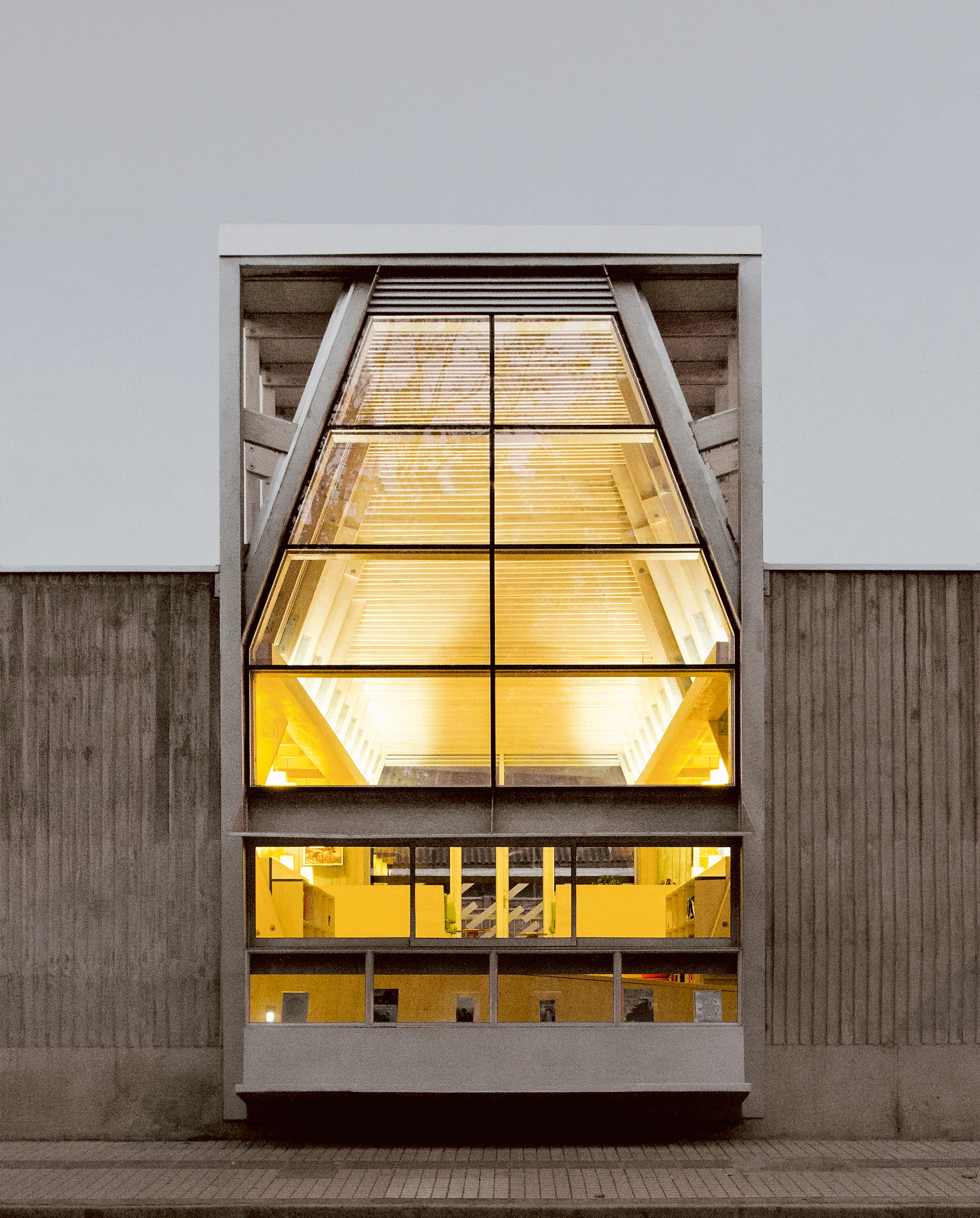
The Constitución Public Library transforms its construction logic into architectural expression. Timber remains visible, while beams and columns create rhythm, scale and a recognizable atmosphere for a building conceived for the community.
Rather than concealing the structural system, the project turns it into a language. Repetition organizes light and interior space, while the building acquires a public presence closely tied to materiality and the context of Constitución.
Cazú Zegers: Architecture That Seeks to Belong to the Landscape
Tierra Patagonia sits beside Lake Sarmiento, facing a territory whose scale leaves little room for competition. The building stretches horizontally, seeking to follow the lines of the landscape rather than impose itself upon them.
The relationship with wind, topography and vegetation guides the intervention. Architecture appears as a deliberately restrained presence: a building that attempts to become part of the territory and allows Patagonia to remain the protagonist.

There is no single way to build Chile. There are different responses to equally different geographies, memories, resources and ways of life.
Architecture as Part of Culture
Viewed together, these seven works do not form a uniform national style. They reveal something more interesting: an architectural culture compelled to respond — to housing, budgets, heritage, timber, climate, topography, the need for collective spaces and the everyday experience of inhabiting.
Quinta Monroy responds to an urban and social challenge. Palacio Pereira engages with built memory. Casa Reutter transforms a slope into part of the dwelling. The Constitución Library turns structure into public identity. Tierra Patagonia reduces its presence before a monumental geography. Mestizo creates tension between matter, structure and landscape. Casa Acuña brings the conversation back to the intimacy of domestic space.
To speak about architecture, therefore, is to speak about culture: about how we live, what we choose to preserve and the relationship we establish with the places we occupy. In a country where geography shapes so much of its identity, looking at architecture can also become a way of reading Chile.
Because building a territory also means interpreting it.
Original special: Chile, Territory of Architecture, Estudio Arquitectos.