
The Strait of Gibraltar is far more than a mere geographical accident separating two continental landmasses; it is one of the most complex, fascinating, and heavily trafficked maritime arteries in the world. Spanning a minimum width of just fourteen kilometers, the waters of the Mediterranean Sea converge with the Atlantic Ocean, creating a corridor where submarine currents, unpredictable winds like the levante and poniente, and colossal commercial and industrial traffic intersect. For the contemporary traveler, crossing this liquid border by ferry represents an almost instantaneous cultural and geographical transition, where the port architecture of the Iberian Peninsula dissolves within minutes to merge with the North African pulse of Tangier or the geopolitical singularity of Ceuta.
Understanding the operational mechanics of this crossing requires stripping away the notion of a simple tourist trip and approaching it through the lens of port logistics and high-density navigation. The fleets operating between the Spanish ports of Algeciras and Tarifa and the Moroccan or Spanish sovereignty enclaves must daily navigate a traffic separation scheme permanently monitored by the maritime authorities of both nations. This report provides a technical and practical overview of the routes, operators, boarding infrastructures, and customs protocols essential for mastering the Strait by sea without setbacks.
The Geopolitics of the Waters and the Port Dynamics of the Strait
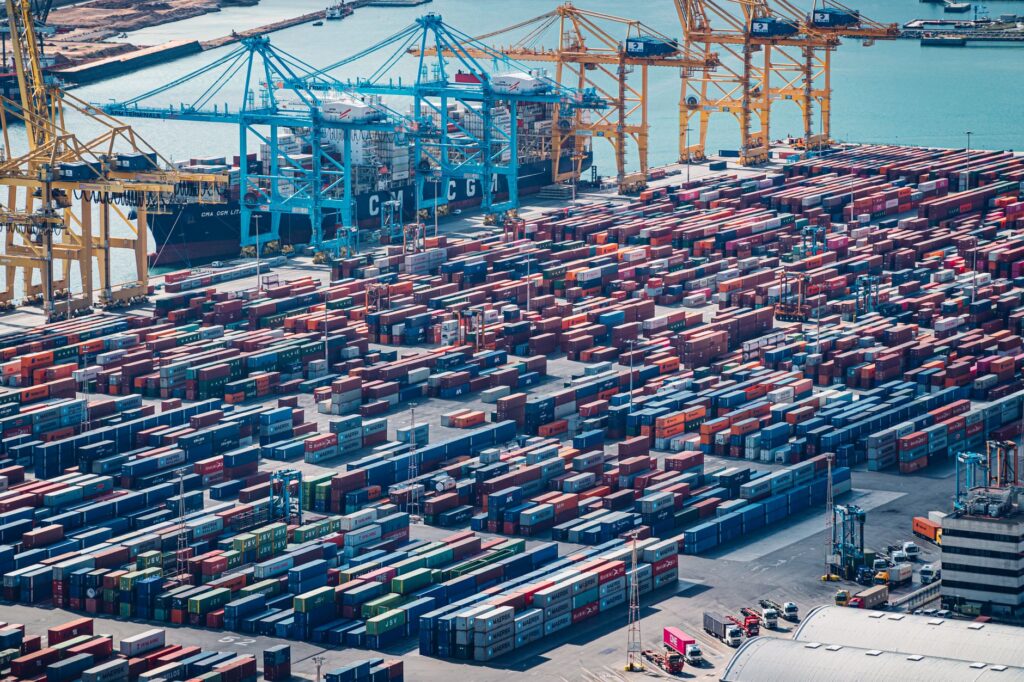
The Strait of Gibraltar operates with Swiss-watch precision, subject to strict international maritime safety regulations. Vessels crossing this corridor must coordinate their headings with thousands of merchant ships connecting the Suez Canal to Atlantic routes. From the passenger’s perspective, this intense activity translates into ironclad punctuality and highly technologized docking infrastructure in the terminals of southern Andalusia. The Port of Algeciras, Spain’s largest port complex by cargo volume, also manages a massive flow of passengers and vehicles seeking rapid connection with Tanger Med, strategically situated a few kilometers east of the Moroccan city.
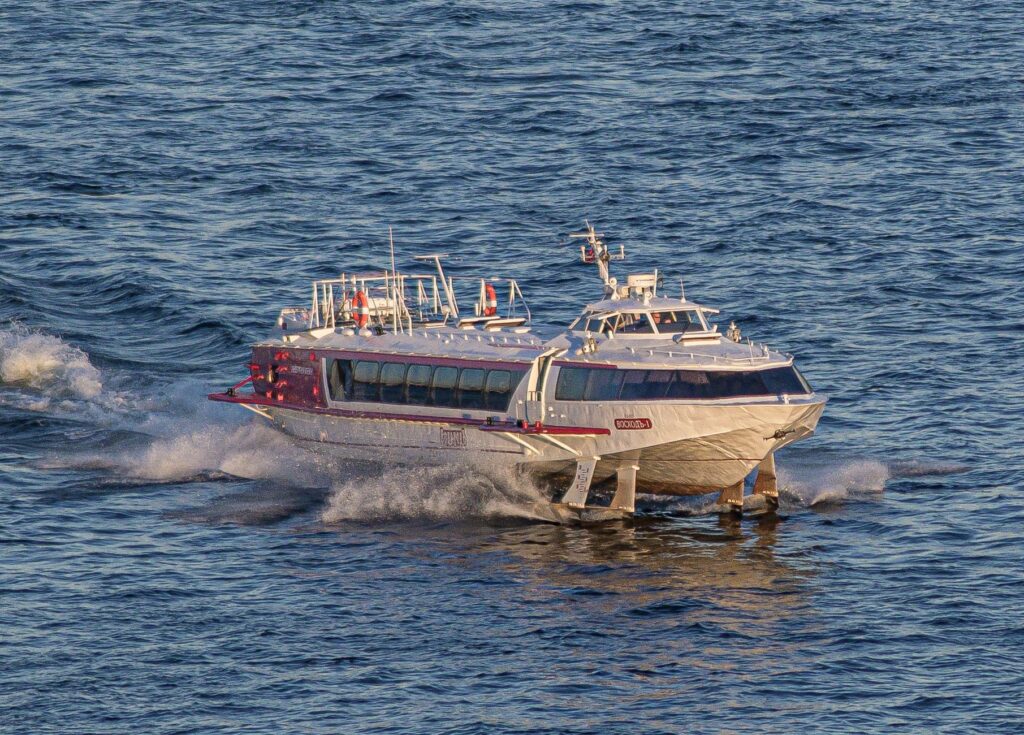
A few kilometers westward, at the southernmost tip of the peninsula, the port of Tarifa offers a radically different profile. With a more human scale and focused almost exclusively on foot passengers and high-speed ferries, Tarifa connects directly with the historic port of Tangier Ville. This route, lasting barely thirty-five minutes, immerses the traveler directly into the heart of the Moroccan medina, eliminating the need for subsequent lengthy land journeys. Nevertheless, operations in Tarifa are deeply conditioned by local meteorology, with the levante wind acting as the primary factor for schedule disruptions due to safety restrictions at the port entrance.
Technical Analysis of Routes and Maritime Transport Operators
Maritime connectivity between Europe and Africa across the Strait is sustained by a robust fleet of high-speed vessels (fast ferries) and conventional ferries operated by renowned international companies such as Balearia, Trasmediterránea, FRS, and Africa Morocco Link (AML). Each operator implements different fleet configurations adapted to both passenger transport and the high demand for private vehicles and rolled freight. The choice of route depends directly on the purpose of the journey, whether it is a cultural walking getaway or a long-haul driving expedition across the Maghreb.
The Algeciras – Tanger Med line stands out for its titanic capacity and uninterrupted twenty-four-hour service throughout the year. The vessels covering this route are large-scale ferries capable of housing hundreds of automobiles and heavy trucks, guaranteeing commercial fluidity. Meanwhile, the Tarifa – Tangier Ville connection prioritizes operational agility through high-speed catamarans. These ships, powered by potent water-jet propulsion engines, cut navigation time to a minimum, although their sensitivity to sea conditions requires careful monitoring of weather bulletins before finalizing ticket bookings.
Border Infrastructure and Customs Protocols at the Terminals
Crossing the Strait by ferry necessarily entails submitting to strict border and customs controls at both the departure and arrival points. One of the most notable aspects of the modernization of these routes is the implementation of onboard passport controls on many high-speed lines, which significantly streamlines disembarkation times. However, travelers opting to board with private vehicles must be familiar with international temporary vehicle importation regulations in Morocco, known as temporary admission (AT), whose procedures have been partially digitized in recent years but still require the presentation of precise physical documentation.
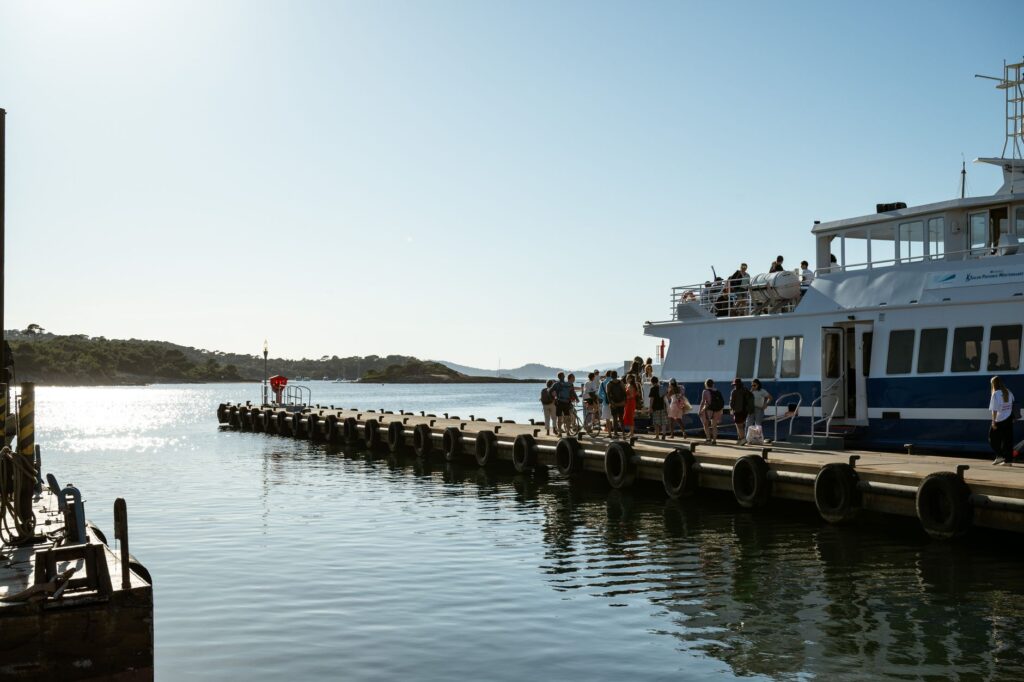
Port authorities recommend arriving at the terminals with a minimum margin of ninety minutes for foot passengers and up to three hours during periods of high influx, such as Operation Crossing the Strait (OPE) in summer or Easter holidays. The facilities in Algeciras and Tarifa feature spacious pre-boarding zones equipped with currency exchange services, consular offices, and traveler assistance desks. It is essential to verify that the passport is valid for more than six months and, for non-European Union citizens, to check the specific visa requirements demanded by the Kingdom of Morocco prior to entering the security zone.
The Meteorology of the Strait: The Dominion of Levante and Poniente
Navigation in the Strait of Gibraltar is inexorably subject to local weather, dominated by two primary winds that shape the landscape and condition nautical activity: the levante and the poniente. The levante, an easterly wind blowing strongly from the Mediterranean, channeling and accelerating across the slopes of the Rock and the Rif mountains, can generate short, choppy waves that hinder docking and force the temporary cancellation of high-speed services in Tarifa. Gale-force levante gusts are the public enemy number one for shipping companies operating lightweight vessels.
On the other side, the poniente, originating from the Atlantic, brings cleaner skies, humidity, and groundswells which, while more predictable than the levante, still demand expertise from ferry captains. Crews operating in this area possess exceptional qualifications, accumulating thousands of hours of navigation in an environment where tidal currents reach considerable speeds. For the passenger, understanding the nature of these winds helps manage travel expectations and underscores the importance of acquiring flexible tickets that allow modifying the date or time of the journey in the event of potential weather warnings issued by Maritime Rescue.
Naval Architecture and Onboard Comfort on Short Crossings
Although the average crossing time ranges from thirty-five minutes to ninety minutes, the shipping companies operating in the Strait have evolved significantly in the design and comfort of their vessels. Passenger lounges are equipped with high-end reclining seats, cafeteria areas offering local and international products, duty-free shops on lines operating outside the EU fiscal territory, and specific family zones. The interior architecture of these ships prioritizes universal accessibility, allowing the smooth movement of passengers with reduced mobility from lower parking decks to upper sun decks.
The bridge of a ferry in the Strait is a privileged observatory where merchant sailors converse daily with one of the most complex and beautiful navigation nodes on the planet.
Likewise, environmental sustainability has become a strategic priority for fleets in the Strait. In recent years, operators have incorporated state-of-the-art engines powered by liquefied natural gas (LNG) and advanced energy efficiency systems to drastically reduce carbon dioxide emissions in this fragile marine ecosystem. This technological modernization not only diminishes the ecological footprint of passenger transport but also noticeably reduces underwater acoustic noise, protecting the migration routes of cetaceans such as pilot whales and orcas that permanently inhabit these waters.
Practical guide
Required Documentation: Valid passport with a minimum validity of six months from the date of entry. National ID card is valid solely for travel to Ceuta and Melilla, but insufficient for entry into Morocco. International driving permit and vehicle insurance green card if crossing into Moroccan territory with a private car.

Main Operators and Routes: Balearia (Algeciras – Tanger Med, Algeciras – Ceuta), FRS (Tarifa – Tangier Ville, Algeciras – Tanger Med), Africa Morocco Link (Algeciras – Tanger Med), and Trasmediterránea (Algeciras – Ceuta).
Recommended Advance Arrival: 90 minutes for foot passengers and between 2 to 3 hours for vehicles in low season; up to 4 hours or mandatory advance booking during Operation Crossing the Strait (summer).
Weather Restrictions: The levante wind is the primary cause of high-speed line suspensions in Tarifa. It is advised to consult shipping company advisories and port status before initiating road travel.
Land Connections from Arrival Ports: Tanger Med features direct dual-carriageway connections and high-speed rail (Al Boraq) toward Rabat and Casablanca. Tangier Ville is directly integrated into the urban fabric, allowing immediate walking access to the medina and local bus and taxi stations.
The Horizon of the Strait: A Frontier of Encounter and Memory
Contemplating the wake of foam left by the ferry as it pulls away from the Andalusian coast and spots the imposing silhouette of Jebel Musa on the African shore is an experience that transcends mere physical displacement. The Strait of Gibraltar encloses within its deep waters histories of millennia-long migrations, uninterrupted commercial exchanges, and a unique cultural blending that permeates both shores. In every crossing, the urgencies of the contemporary traveler converge with the seafaring vocation of peoples who, since Phoenician antiquity, have understood the sea not as an insurmountable barrier, but as the most natural bridge between civilizations.
Navigating between continents in the brief span of a morning coffee reminds us that geographical boundaries are often invitations to discovery.
With increasingly refined logistical management, a modern fleet committed to energy transition, and port infrastructures matching the most stringent international standards, transit through this maritime corridor remains one of the most stimulating travel experiences in southern Europe. Planning the journey with technical rigor, respecting boarding times, and heeding meteorological variables ensures not only a safe and punctual crossing but also privileged access to a territory where adventure and history sail hand in hand.