
Introduction to the Cantabrian Stronghold
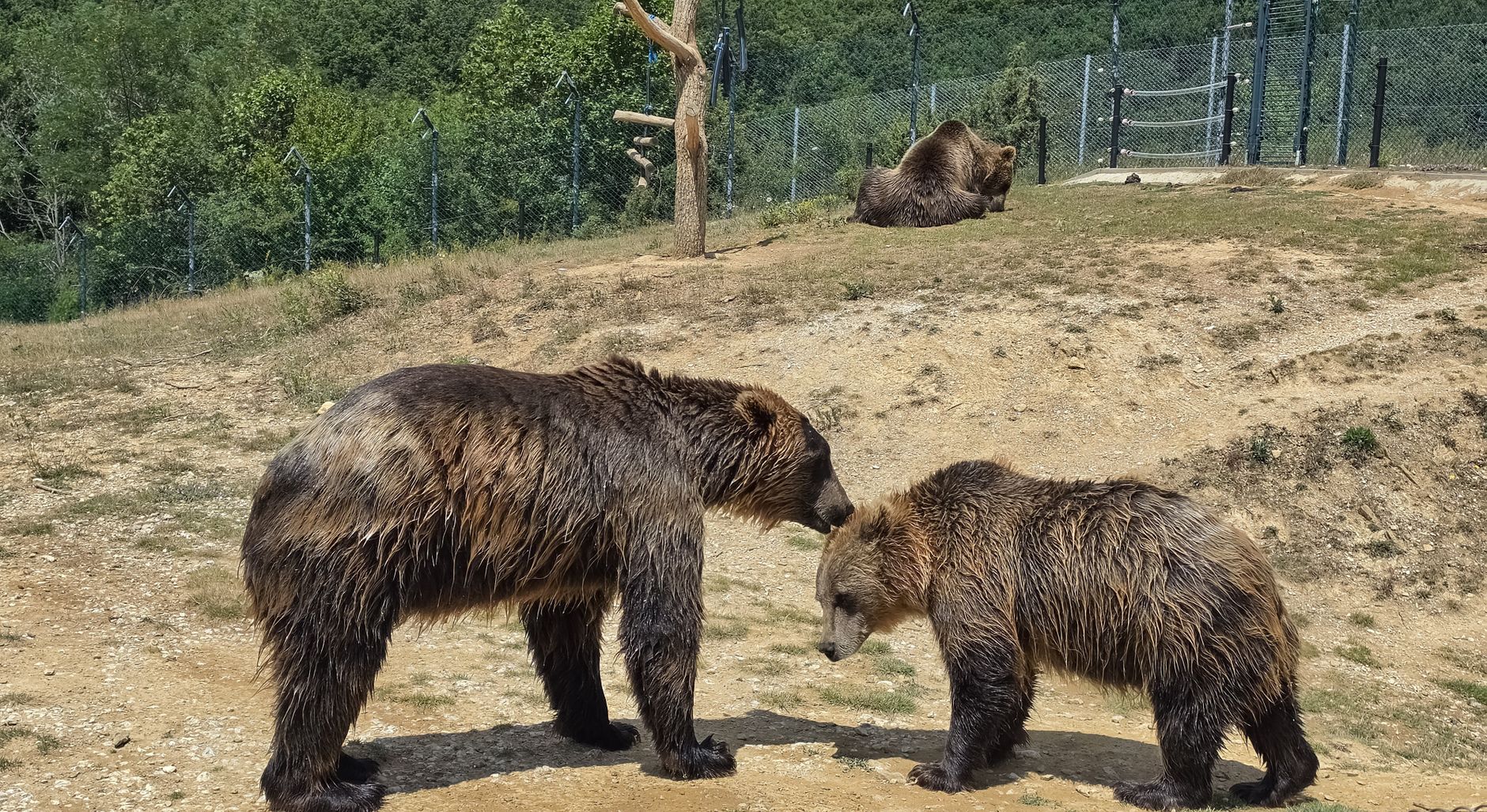
The Cantabrian Mountains represent one of the most complex and fascinating biogeographical settings in southern Europe. Across this mountainous stronghold, stretching from the Ancares to the Basque foothills, one of the most unique brown bear (Ursus arctos) populations on the continent survives. Unlike the vast Russian taigas or the dense boreal forests of North America, Cantabrian plantigrades have managed to coexist for centuries with an intense human presence, shaping a territory where low demographic density in remote enclaves has enabled the miracle of biological persistence.
Understanding the current reality of this subspecies requires looking beyond bucolic visions and delving into the scientific data supporting its demographic recovery. During the second half of the twentieth century, direct persecution, habitat fragmentation, and the use of poisoned baits drove two isolated population cores—the western and the eastern—to the brink of functional extinction. Today, thanks to decades of rigorous scientific monitoring, strict hunting bans, and greater social awareness, the range is witnessing a slow yet steady genetic reunion between both subpopulations.
Geological Genesis and the Forest Refuge
The relief of the Cantabrian Mountains is the result of complex Alpine orogenic processes that have sculpted a landscape of deep river valleys, limestone gorges, and peaks exceeding two thousand five hundred meters in altitude. This rugged topography is not merely a scenic backdrop, but the decisive factor that has historically protected wildlife from anthropogenic pressure. North-facing slopes, characterized by high ambient humidity and constant precipitation, harbor mature vegetation formations that serve as the bear’s preferred home.
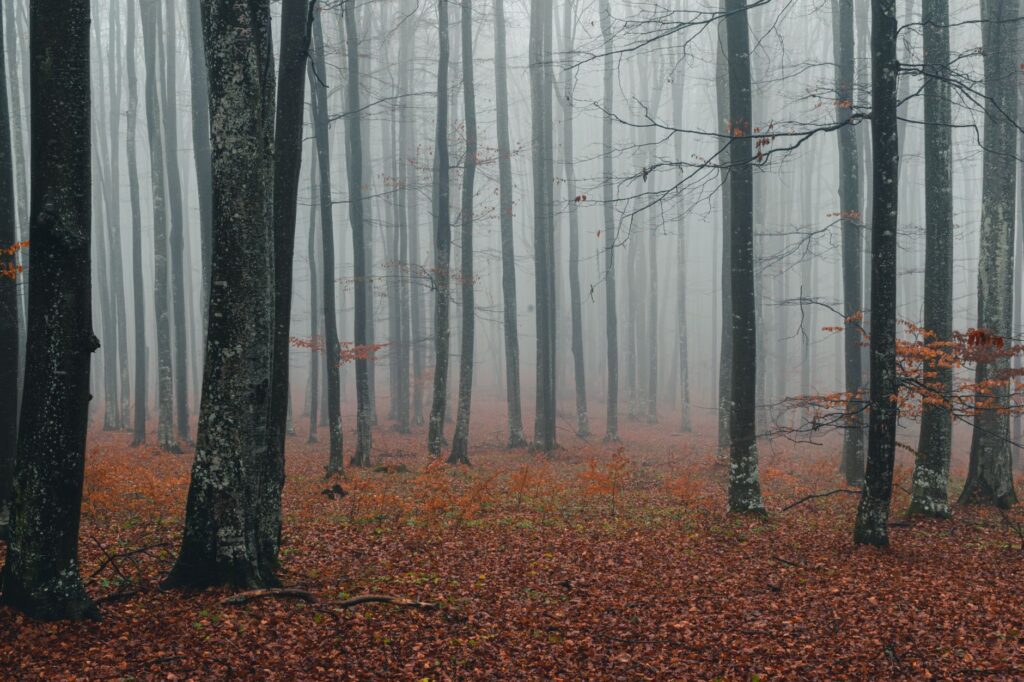
Extensive beech forests (Fagus sylvatica) and oak woods (Quercus robur and Quercus petraea) dominate the montane bioclimatic zones, providing not only cover from external disturbances but also the fundamental energy pantry for the animals’ winter survival. The architecture of these mixed forests creates a dynamic mosaic where natural gaps, generated by fallen old trees or Atlantic winds, stimulate the growth of understories rich in wild fruit-bearing shrubs.
Trophic Ecology and Seasonality of the Brown Bear
Despite taxonomically belonging to the order Carnivora, the Cantabrian brown bear exhibits an eminently omnivorous and opportunistic diet, with plant matter accounting for well over ninety percent of its annual intake. Its life cycle is inextricably linked to the seasonal availability of trophic resources. During spring, upon leaving winter bedding areas, bears consume tender shoots, herbaceous plants, and carrion left by the harsh winter, gradually recovering the body mass lost during the months of lethargy.
With the arrival of summer and early autumn, the feeding strategy shifts radically toward frugivory and hyperphagia. It is during this period that bilberries (Vaccinium myrtillus), blackberries, wild apples, and above all, acorns from holm and sessile oaks, along with chestnuts, become the species’ metabolic engine. The bear needs to accumulate thick layers of subcutaneous fat to face the hibernation period, a physiological state in which it drastically reduces its heart rate and body temperature without entering continuous uninterrupted sleep.
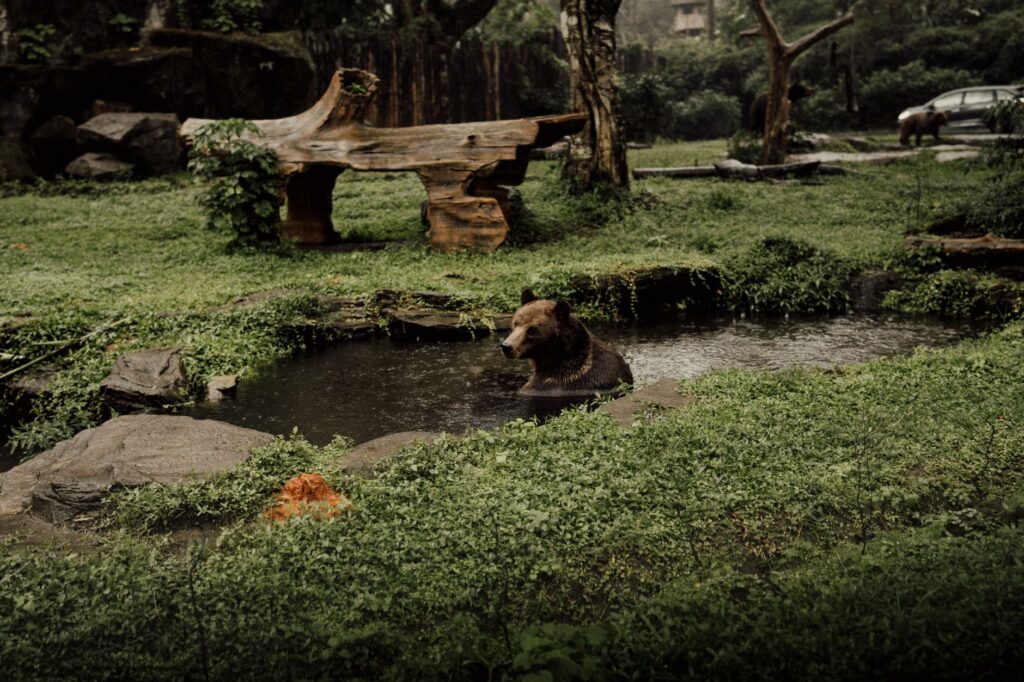
The recovery of the brown bear in the Cantabrian Mountains demonstrates that coexistence between megafauna and traditional human activities is viable when territorial connectivity and scientific rigor in environmental management are prioritized.
Demography and Genetics of Subpopulations
The demographic monitoring of the Cantabrian population relies on rigorous methodologies combining camera trapping, non-invasive genetic analysis from scat and hair samples, and direct observation by forest rangers and research teams. Historically, the geographic isolation between the western core—centered in the Somiedo and Fuentes Carrionas Natural Parks—and the eastern core—traditionally restricted to the mountains of Palencia, Cantabria, and northern Burgos—posed a critical threat due to inbreeding and the consequent loss of genetic variability.
Recent genetic studies confirm that the ecological corridors designed over the past two decades are fulfilling their biological function. Successful movements of young male individuals between both cores have been documented, alongside the sporadic presence of breeding females in confluence areas that had been uninhabited by the species for over half a century. Nevertheless, genetic drift and the naturally low reproductive rate of females—which give birth to small litters every two or three years—necessitate maintaining constant vigilance over the species’ demography.
Human Interactions and Habitat Fragmentation
The expansion of the brown bear is not without friction within the rural socioeconomic fabric. Traditional activities such as extensive livestock farming and apiculture occasionally suffer damage resulting from predation or bears seeking honey and larvae. Although regional administrations manage financial compensation schemes for these damages, the true key lies in active prevention through electric fencing, well-socialized mastiffs, and proper apiary management in public woodlands.
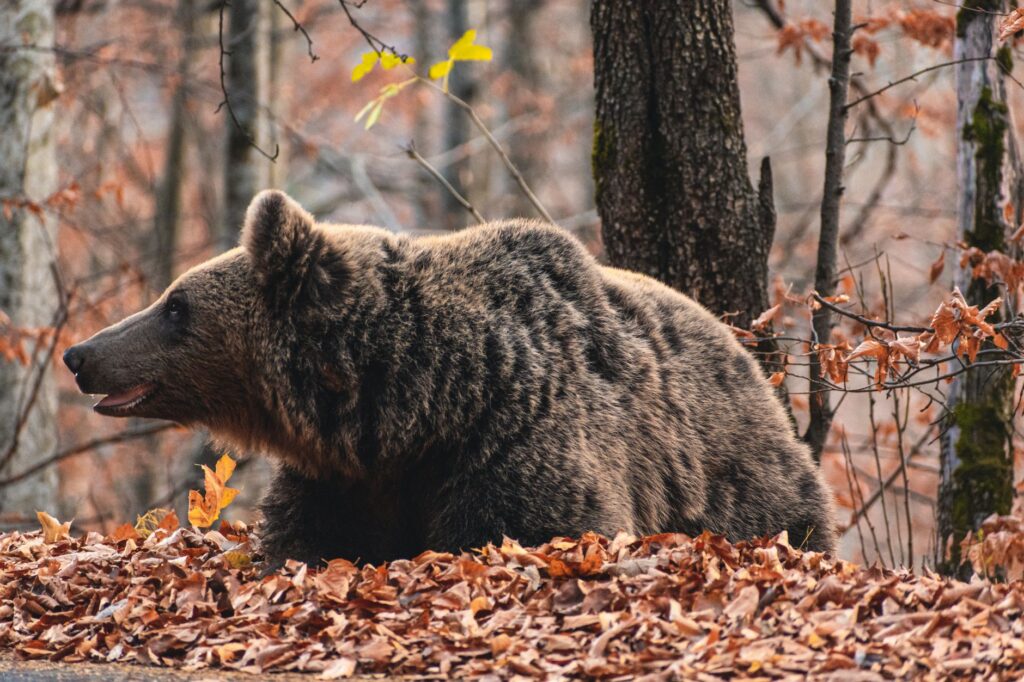
Another critical conservation challenge stems from habitat fragmentation caused by major transport infrastructure, energy projects, and the expansion of urban settlements or ski resorts. Highways and national roads crossing the range act as impassable physical barriers for wildlife unless equipped with properly dimensioned wildlife overpasses and underpasses covered with native vegetation that guarantees the transverse ecological permeability of the mountains.
The Crucial Role of Ecological Corridors
To ensure the long-term viability of the Cantabrian brown bear population, conservation can no longer be limited to the strict protection of natural areas designated as national or natural parks. It is imperative to safeguard so-called ecological corridors: strips of land characterized by continuous vegetative cover that allow safe wildlife transit between major mountain massifs, preventing population isolation and fostering the indispensable gene flow.
Riverbank restoration, reforestation with native species in areas degraded by historical wildfires, and the restriction of disruptive human activities during sensitive breeding and hibernation periods are foundational pillars of this territorial strategy. Experts agree that the future of the brown bear depends directly on the active involvement of local communities, who must perceive the plantigrade’s presence not as an external imposition, but as an indicator of environmental excellence and an asset for sustainable socioeconomic development.

Practical Guide
Planning a respectful and rigorous approach to the brown bear territory in the Cantabrian Mountains requires understanding that we are dealing with a highly sensitive species whose direct observation should not be the traveler’s primary objective.
When to Go
The spring months (May and June) offer excellent opportunities to observe emerging vegetation and initial movements following hibernation, while autumn (September to November) is ideal for witnessing active foraging on forested slopes, always maintaining prudent distances and utilizing specialized optics.
How to Get There
The main access routes to bear enclaves are from Oviedo, León, or Santander via the secondary road network penetrating the natural parks of Somiedo, Redes, Fuentes Carrionas, or Montaña Palentina, often requiring private vehicles or four-wheel-drive vehicles adapted for forest tracks.
Rules of Conduct and Safety
Approaching closer than five hundred meters to detected specimens, using call-emission devices or drone tracking, and leaving litter in the mountains are strictly prohibited. In the event of a chance encounter, remain calm, speak in a subdued tone to reveal human presence, and retreat slowly without making sudden movements.
Accommodations and Interpretation Centers
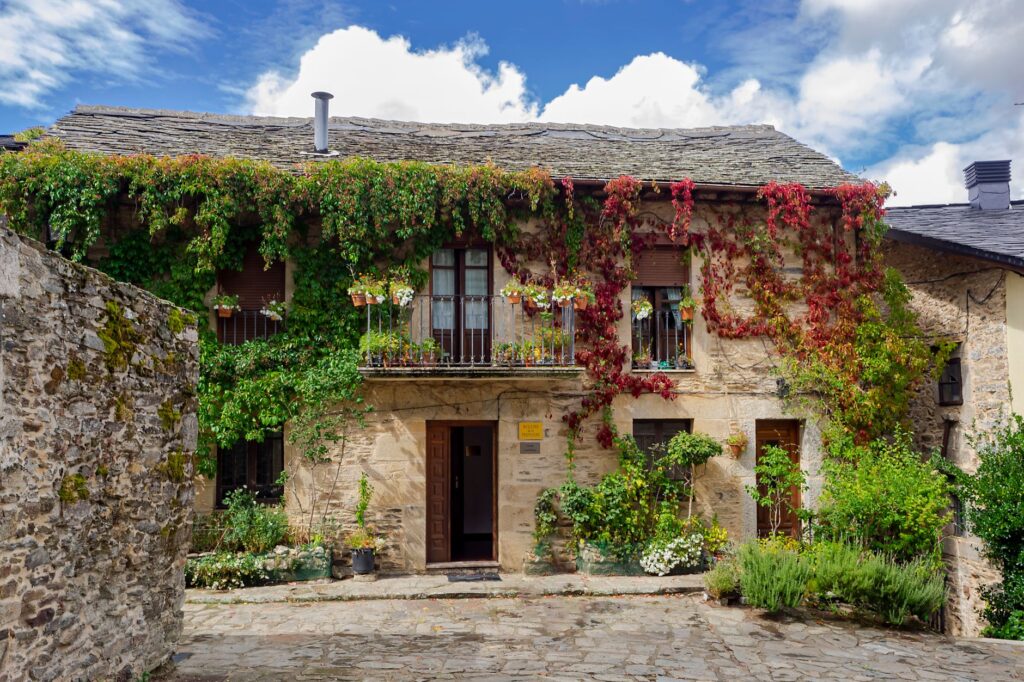
Numerous rural guesthouses are managed by locals committed to sustainable development, alongside specialized visitor centers such as the Brown Bear Center in Babia or information facilities in Somiedo and Cervera de Pisuerga, offering rigorous information on the species’ conservation status.
Final Reflection on the Horizon of the Cantabrian Giant
Contemplating the misty slopes of the Cantabrian Mountains at dusk is a glimpse into one of the most remarkable exercises in ecological resilience on the European continent. The brown bear, a silent inhabitant of these ancient forests, embodies the perfect synthesis between biological fragility and nature’s capacity for recovery when humans decide to assume their responsibility as custodians of the territory. Its future belongs not exclusively to biology textbooks or administrative offices, but to the collective will of a society capable of valuing the wild and complex beauty of the Cantabrian mountains.