
A green renaissance in the heart of the ancient court
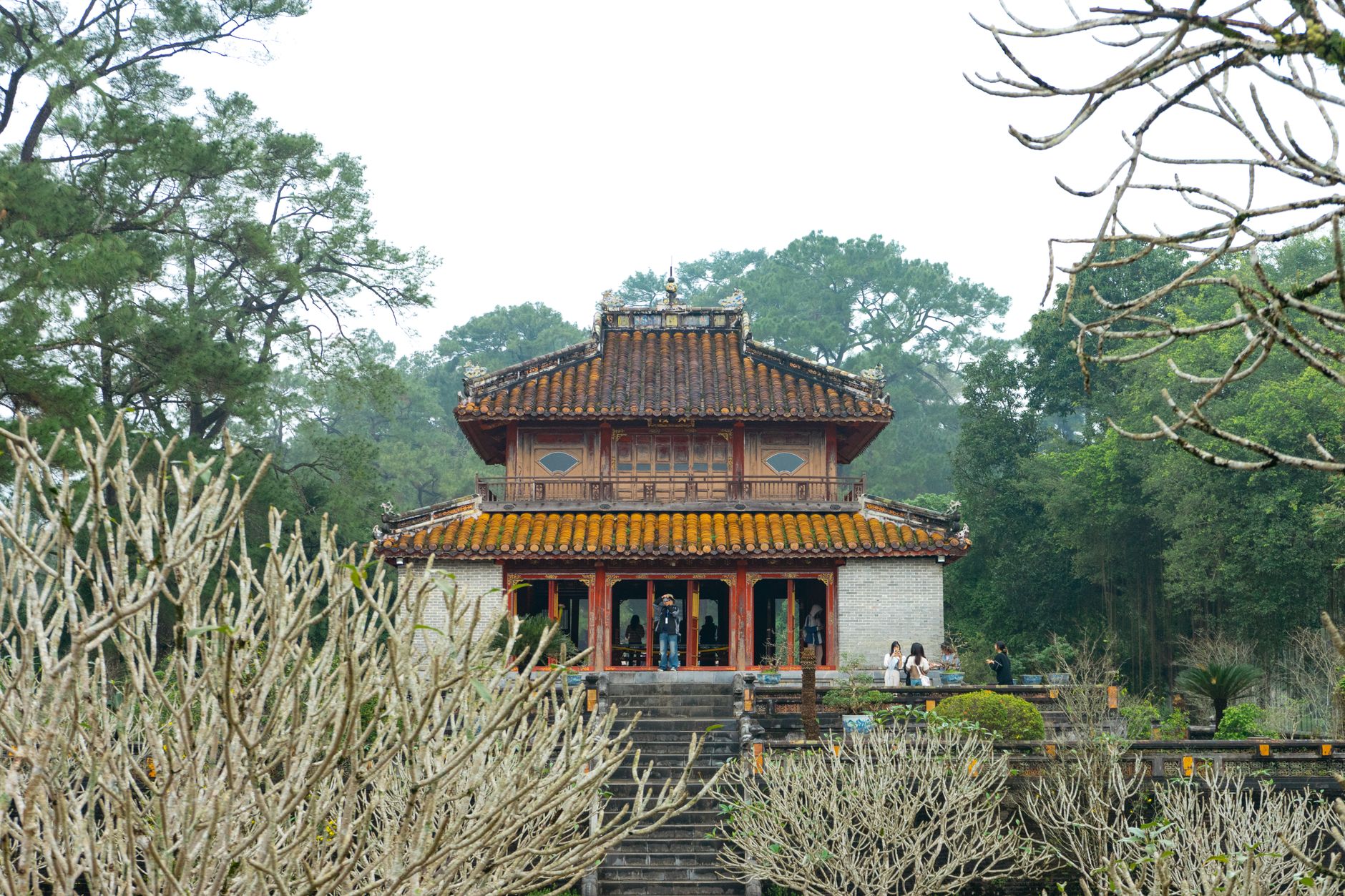
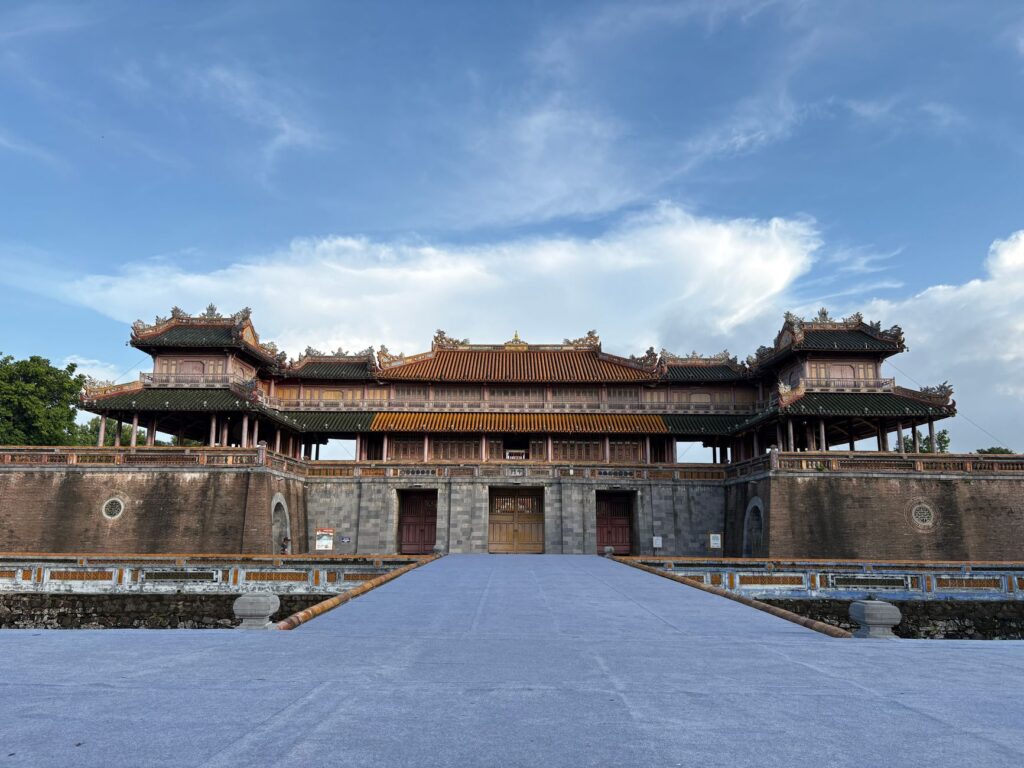
The ancient imperial capital of Hue, world-renowned for its fortified citadels and the opulent tombs of the Nguyen dynasty, is undergoing a quiet yet profound metamorphosis. As global tourism desperately seeks formulas to mitigate its own footprint, this territory in central Vietnam has chosen to look inward, rescuing its most fragile ecological resources and connecting them with a long-term development strategy. It is no longer solely about contemplating static history etched in stone, but about understanding how the nature that once embraced ancient emperors can guarantee the economic and cultural survival of future generations.
The turning point in this green transition is not a recent whim, but an urgent necessity stemming from climate change and pressure on local ecosystems. Provincial authorities and various community organizations have driven a paradigm shift: tourism is no longer an extractive industry that consumes the landscape, but an engine for conservation. This vision translates into concrete initiatives that divert visitor flow from saturated urban monuments to coastal lagoons, misty forests, and agricultural villages where time moves at a gentler pace.
The geography of water: between Tam Giang lagoon and the Perfume River
To understand Hue’s new direction, exploring its liquid geography is essential. The Tam Giang-Cau Hai lagoon system, one of the largest brackish water bodies in Southeast Asia, forms the epicenter of this ecological revolution. Here, the livelihood of thousands of families has historically depended on artisanal fishing. Today, instead of impoverishing the environment through intensive practices, local communities actively participate in marine and river ecotourism programs that allow travelers to delve into the lives of fishermen without altering the biological balance of the area.
Excursions in traditional unmotorized wooden boats allow visitors to navigate labyrinthine channels flanked by recovering mangroves. These submerged forests act as natural barriers against storms and harbor a rich biodiversity of migratory birds and aquatic species. Visitors are not mere spectators; they collaborate in measuring water quality, learn ancestral low-impact shellfish farming techniques, and understand the vulnerability of an ecosystem that depends as much on the monsoon as on responsible human management.
Vernacular architecture and sustainable mobility in the rural setting
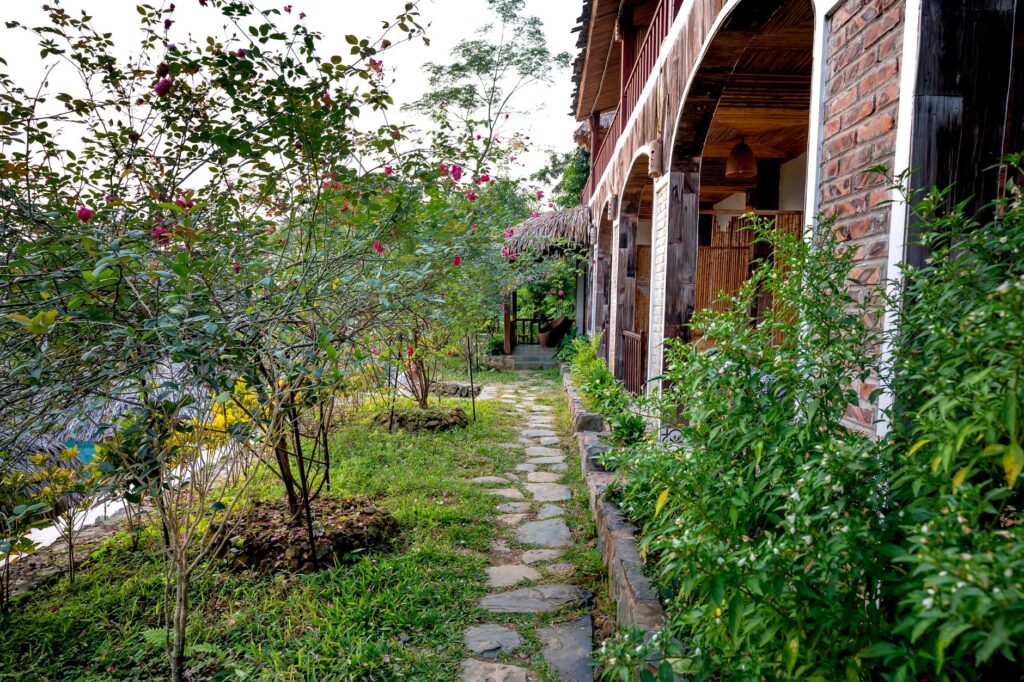
Hue’s commitment to sustainability transcends the borders of protected natural spaces to imbue rural architecture and transportation systems. In villages like Thuy Bieu, famous for its centuries-old Thanh Tra pomelo orchards, traditional garden houses (known as nha ruong) have become the core of a low-scale accommodation and cultural mediation offering. These noble timber dwellings, surrounded by lush plant walls, operate under strict criteria for energy efficiency and organic waste management.

Travel through these rural landscapes is conducted primarily on foot or by bicycle, minimizing travelers’ carbon footprint. Secondary roads, free of large tour buses, become corridors of coexistence where visitors interact directly with local artisans, organic farmers, and families preserving imperial gastronomy based on hyper-local ingredients. This integration of soft mobility and architectural respect proves that it is possible to decongest the historic center without sacrificing the quality of the travel experience.
Flavors of the land: gastronomy as a conservation tool
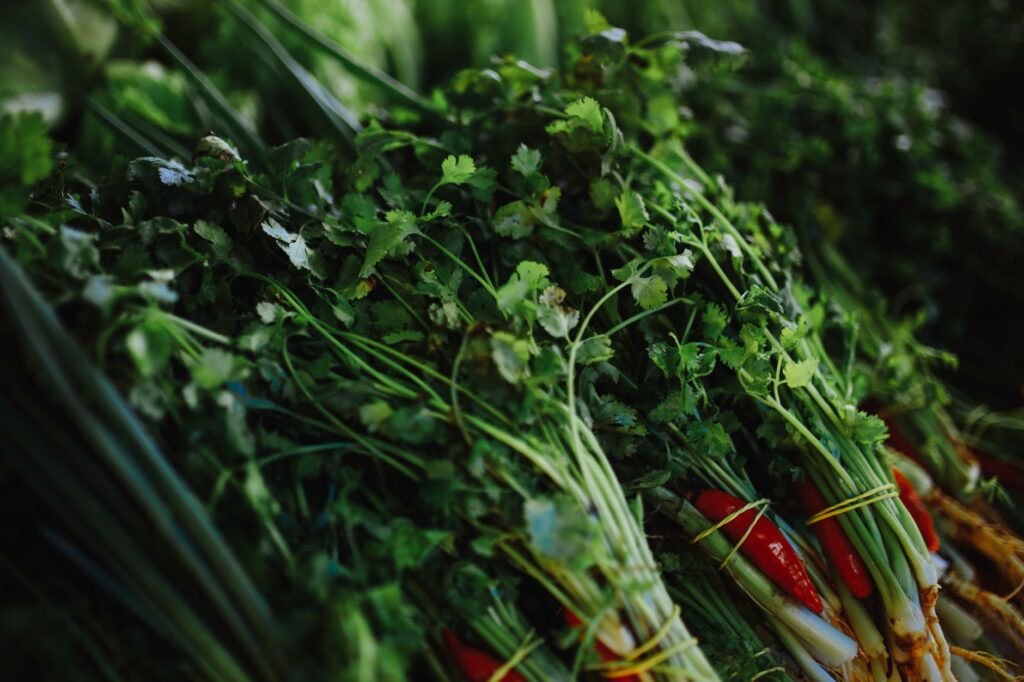
Hue’s cuisine, considered one of the most refined and complex in Vietnam, plays a fundamental role in the green tourism strategy. Far from the culinary standardization affecting other Asian destinations, the preservation of traditional court and peasant dishes depends directly on the health of local ecosystems. The use of wild herbs gathered from surrounding forests, fresh fish from the Tam Giang lagoon, and pesticide-free vegetables grown on the banks of the Perfume River sustains a value chain that directly benefits local producers.
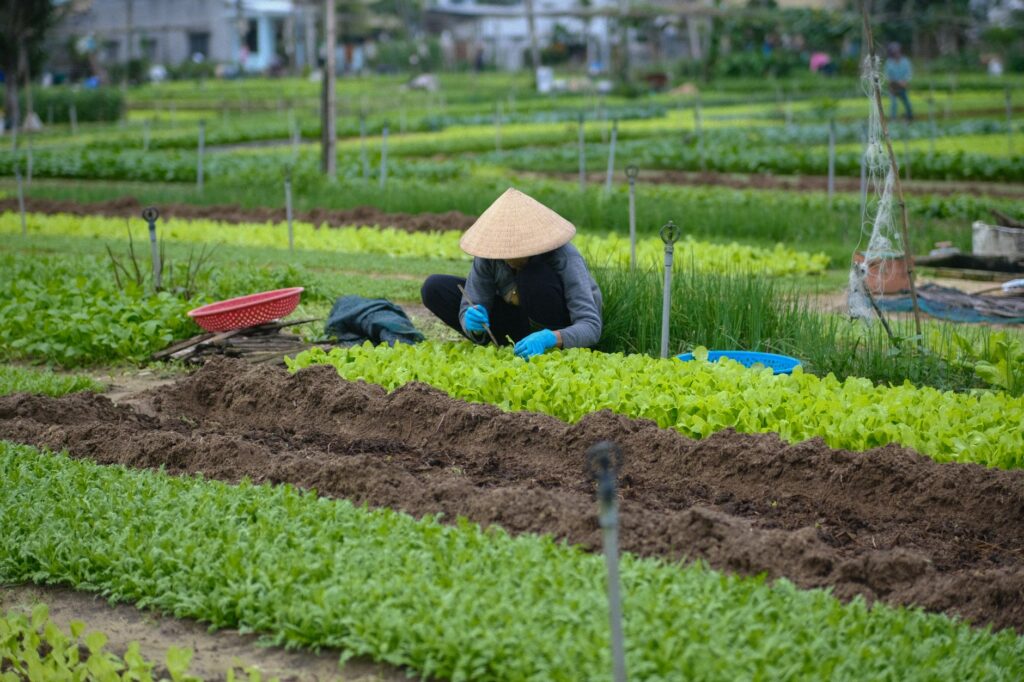
Ecological cooking workshops organized in agricultural cooperatives allow travelers to connect with Vietnamese culinary philosophy, where every ingredient possesses medicinal and seasonal value. By consuming these products in local markets and family-run restaurants, visitors indirectly fund the protection of native agricultural varieties and foster the continuity of regenerative farming practices that respect natural soil cycles.
The true luxury in contemporary tourism is not artificial isolation, but the ability to be part of an environment that regenerates because of our presence, not in spite of it.
The human fabric: community empowerment and generational handover
No sustainable development policy can consolidate without the active participation and leadership of local communities. In Hue, the ecotourism model has prioritized the training of women- and youth-led cooperatives, who traditionally remained on the margins of mass tourism’s economic benefits. Through capacity-building programs in sustainable hotel management, nature guiding, and languages, rural inhabitants have taken direct control of the tourism services they offer international visitors.
This empowerment not only curbs the rural-urban migration affecting so many regions in Vietnam, but also guarantees the intergenerational transmission of traditional knowledge regarding forest management, sustainable fishing, and bamboo and ceramic craftsmanship. Local youth find in ecotourism a dignified and profitable career path that values their cultural identity, turning them into the best guardians of their own natural heritage.
Pending challenges on the path to total sustainability
Despite notable progress in diversifying the green offering, Hue faces considerable challenges on its road to maturity as an ecological destination. Seasonal increases in precipitation and vulnerability to extreme weather events demand a highly resilient tourism infrastructure. Likewise, rigorous control of carrying capacity in the most sensitive natural areas remains a concern for conservation experts, who warn against the risk of over-commercializing rural authenticity.
Local authorities and independent tour operators are working to implement stricter plastic waste management regulations and environmental certification for all rural accommodations. The key to future success will lie in the ability to maintain a balance between the economic growth necessary for communities and the uncompromising protection of ecosystems that constitute the true soul of the region.
Practical guide
- When to go: The best time to visit Hue and its natural spaces is during the dry season, from March to August. Visiting between September and November is discouraged due to monsoonal rains and flood risks in lagoon areas.
- How to get there: Phu Bai International Airport connects Hue with major Vietnamese cities. Access is also possible via the historic North-South railway line, one of Southeast Asia’s most scenic train routes.
- Getting around: To explore rural areas and wetlands, bicycles and electric scooter rentals are the preferred options. On the Tam Giang lagoon, travel must be conducted exclusively via authorized community-run boats.
- Accommodation: Opt for traditional garden houses (nha ruong) in villages like Thuy Bieu and community-managed lodges that reinvest profits into local conservation projects.
- Code of conduct: Strictly follow local guides’ instructions in protected areas, avoid single-use plastics, and purchase handicrafts directly from family workshops to support the local economy.
Refuge for the soul in the misty forests of Bach Ma
Halfway between Hue and neighboring Da Nang, Bach Ma National Park stands as the region’s last great biodiversity sanctuary. Among its moss-covered trails and hidden waterfalls, time stops beneath a dense mist that seems to embrace the Annamite mountain range. This natural refuge, once a colonial hill station and today a stronghold of forest conservation, offers travelers an experience of deep introspection. Walking in silence beneath a centennial arboreal canopy, listening to the distant call of the silver pheasant and feeling the pure humidity of the cloud forest, reminds human beings of their fragile condition as guests on Earth. It is here, in this green sanctuary where science, memory, and absolute respect for wildlife converge, that travel ceases to be a mere geographical shift and becomes an irreversible inner transformation.
Source: «Hue city taps green resources to promote sustainable tourism en.qdnd.vn» (https://news.google.com/rss/articles/CBMirgFBVV95cUxQWmRGd3dzT3hSdDNoSGczTEx5SUtrQ3FNalI4U2ZyS0VHb3ducTdabGRXM2NvT3dYd2dXa3RaYTVIcXJFekpTd0ZOQkkxT2diejFmOEVDaU9lWTRTVTBGdzJjRFg0OGQtNHJuMk5qenpPRUtCdW95OGhBSFJVZHhuZ0UxVHJzNDBiWmZvVkYxbzNLRk00WFdBSUFpMTkyc3QtNWdBeWVzb2c1SlBfRUE?oc=5)