
Introduction to the Carpathian Heights
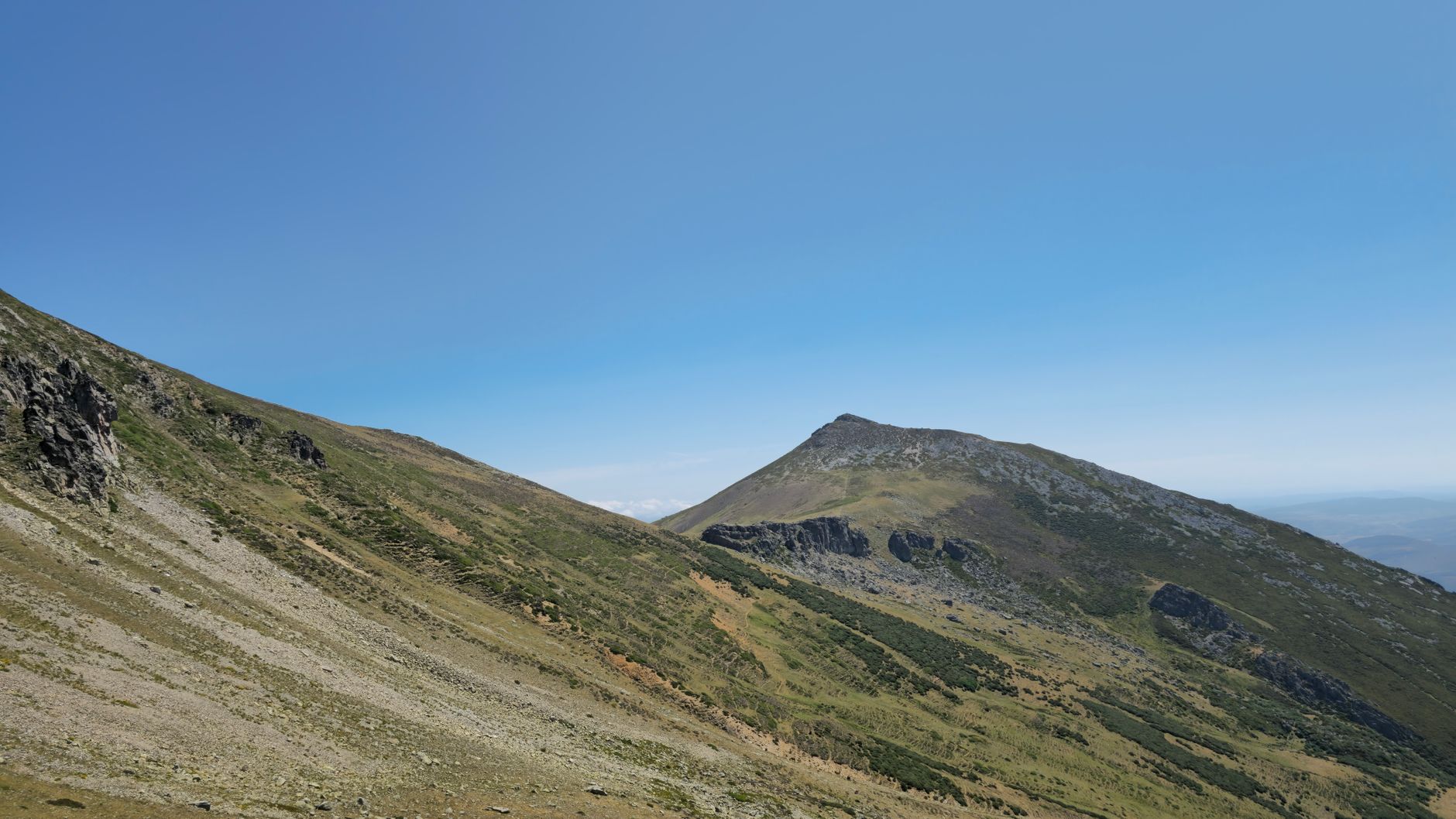
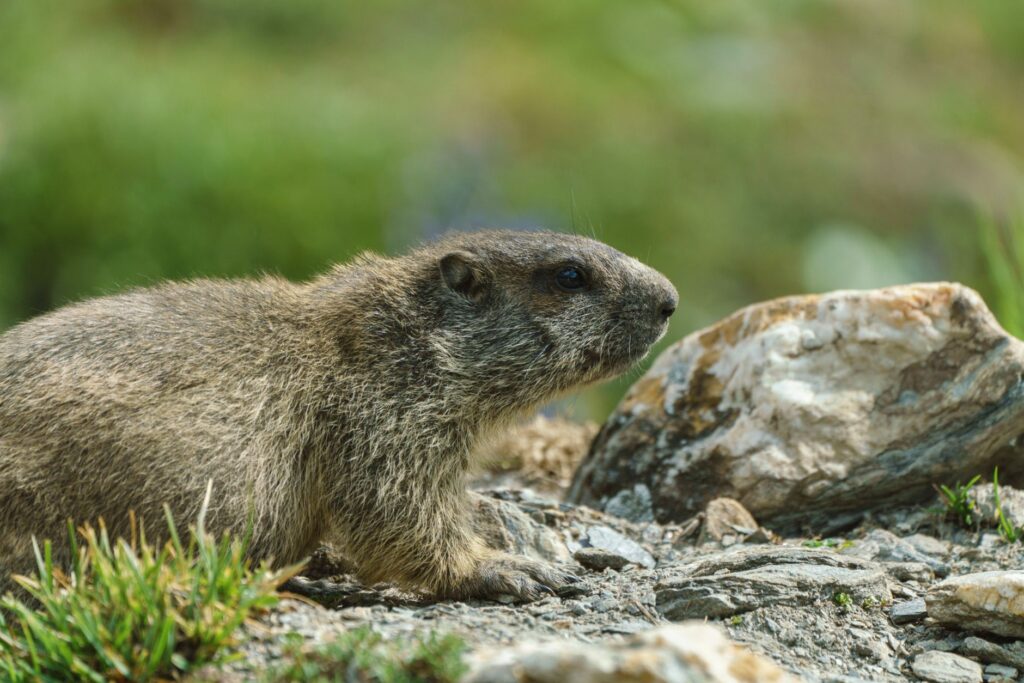
In the heart of Central Europe, the mountain range of the High Tatras stands as a natural rampart of granite and sharp ridges that defies the continent’s climate dynamics. This alpine territory, characterized by hanging glacial valleys and morainic lakes locally known as plesa, harbors one of the most unique populations of mammals adapted to extreme cold: the Tatra alpine marmot (Marmota marmota latirostris). Unlike their counterparts in the western Alps, this endemic subspecies has developed unique physiological strategies to survive prolonged geographic isolation, facing increasingly erratic winters and a constant rise in summer tourism pressure.
The demographic study of these populations reveals a complex network of ecological interdependencies. Marmots are not mere passive inhabitants of the rocky outcrops, but true ecosystem engineers of the high mountains. Their underground burrows, excavated deeply beneath layers of rock and perennial soil, modify the chemical composition of the terrain and facilitate the colonization of pioneer plants at altitudes where vascular vegetation barely manages to sustain itself. Understanding their life cycle requires a rigorous immersion in the seasonal rhythms of the Carpathians, where the boundary between life and freezing is decided by mere fractions of a degree Celsius.
Genetics and Evolution in Carpathian Isolation
The evolutionary history of the marmot in the High Tatras is marked by the Pleistocene glaciations. During periods of massive ice advance, the ancestors of this species found refuge on nunataks, rocky ridges that protruded above the glacial masses. As the ice retreated, natural global warming fragmented their habitat, confining populations to the highest elevations, above 1,700 meters above sea level. This prolonged isolation led to subspecific differentiation, characterized by minor morphological adaptations that are nevertheless critical for thermoregulation.

Recent genetic analyses coordinated by the Tatra National Park (TANAP) demonstrate that genetic variability within the marmot population is remarkably low compared to alpine populations. This natural inbreeding, however, has been offset by relentless natural selection that eliminates less resilient phenotypes. The genetic correlations studied in the field show that individuals with higher brown fat density and more efficient metabolic cycles are those that manage to survive the long months of winter torpor without depleting essential energy reserves.
Social Architecture and Acoustic Communication
The social organization of alpine marmots is one of the most fascinating topics in mammalian ethology. They live in complex family colonies composed of a dominant breeding pair, subordinate individuals of various ages, and offspring from the current season. This hierarchical structure does not merely serve territorial defense; it constitutes an indispensable cooperative strategy for survival during hibernation. The greater the number of individuals sharing the hibernation chamber, the lower the per capita body heat loss.
The species’ vocal communication system is highly sophisticated. Through a series of sharp, modulated whistles, sentinels posted on rocky outcrops alert the colony to the presence of aerial predators, such as the golden eagle (Aquila chrysaetos), or terrestrial ones, such the red fox. These warnings are not uniform; they vary in frequency and duration depending on the degree of urgency and the nature of the threat. Field observations confirm that juveniles learn the acoustic repertoire through imitation and direct correction by adults, a fundamental process of cultural transmission for group cohesion.

Survival in the alpine stratum does not depend on individual strength, but on collective capacity to retain heat and anticipate danger in an environment where the margin for error is nonexistent.
Hibernation: The Sub-Zero Metabolic Miracle
Winter in the High Tatras imposes an absolute biological paroxysm. For approximately six to seven months a year, from October until late April, marmots remain confined to the hibernation chamber, hermetically sealed with a mixture of soil, excrement, and stones. During this period, the animals’ metabolism undergoes a drastic drop: body temperature falls from the usual 37 degrees Celsius down to slightly above the burrow’s ambient temperature, hovering between 3 and 5 degrees.
Heart rate plummets from 130 beats per minute to just a few beats, and breathing can drop to a single inspiration every ten minutes. This state of torpor is not continuous; marmots experience periodic arousals every two to three weeks lasting a few hours. During these intervals, the animal raises its body temperature to normal levels without emerging outside, a process that consumes a significant amount of stored glycogen. The management of these reserves is the limiting factor determining winter mortality rates, which can reach up to thirty percent in years with late snows and cold springs.
Alpine Climatology and the Impact of Climate Change
The High Tatras ecosystem is experiencing climate alterations unprecedented in the historical record. Data collected by local meteorological stations indicate an increase in mean annual temperature exceeding the global average, with winters growing shorter yet characterized by precipitation instability. The scarcity of a stable, continuous snow cover during winter months exposes burrows to extreme thermal fluctuations, eliminating the natural insulating effect of snow.
Furthermore, the premature melting of spring snowpacks alters the phenological cycle of alpine vegetation. Marmots emerge from hibernation weeks earlier than usual, finding a landscape devoid of tender, nutrient-rich shoots that are indispensable for recovering lost body mass and ensuring female reproductive success. This temporal mismatch between animal emergence and the availability of green forage represents the greatest contemporary threat to the demographic stability of the species in the massif.
Anthropogenic Pressure and Tourism in Fragile Grasslands
Despite being strictly protected under Slovak and Polish legislation within the Tatra National Park, marmots face growing anthropogenic pressure. Mass tourism during the summer months, concentrated around marked trails crossing mountain passes, generates notable behavioral alterations. Constant noise, the incessant presence of hikers, and occasionally the illegal practice of feeding animals processed foods disrupt their natural feeding and resting habits.
Ethological studies show that populations habituated to human presence reduce the time dedicated to predator vigilance, increasing their vulnerability to unexpected attacks. Likewise, the recreational use of adjacent zones by nature photography enthusiasts without proper safety distances causes episodes of chronic physiological stress, measurable through corticosterone levels in fecal samples. Managing visitor flows through strict trail marking and environmental education stands out as the only effective tool to mitigate this impact.
Protecting high-altitude grasslands from overcrowding is not merely an imperative of faunal conservation, but a necessity to preserve the integrity of the entire hydrological and edaphic system of the Carpathians.
Conservation Strategies and Scientific Monitoring
The conservation of the alpine marmot in the High Tatras requires a cross-border and multidisciplinary approach. Slovak and Polish authorities collaborate on biennial coordinated censuses to estimate population sizes and colony territorial occupancy. These censuses rely on direct observation from fixed points during peak daytime activity hours, complemented by satellite cartography of optimal habitats using geographic information systems.
Current research programs also include telemetry monitoring on selected specimens, allowing precise recording of seasonal movements and microhabitat selection. Simultaneously, campaigns are being developed to restore grasslands degraded by water erosion and historical overgrazing by domestic livestock. These actions aim to ensure that ecological corridors between different valleys remain free of artificial barriers, maintaining the genetic flow necessary for the long-term viability of this unique alpine population.
Practical Guide
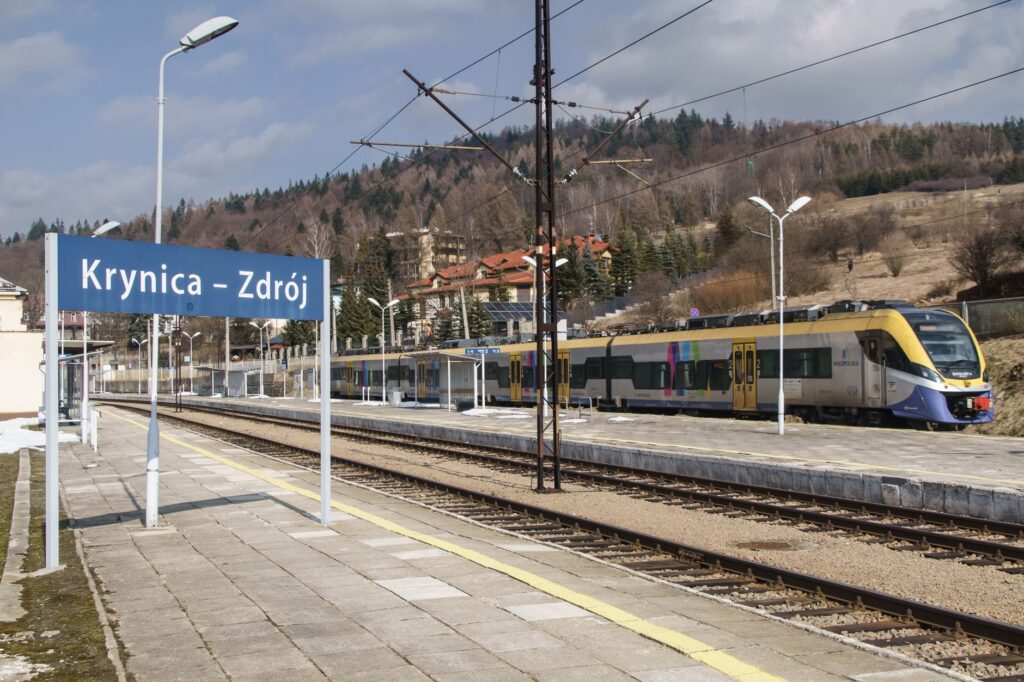
Getting There: The main access to the High Tatras is through Poprad-Tatry Airport, located at the foot of the mountains, or via regular rail connections from Bratislava and Košice to Poprad station. From there, the regional electric train (TEZ) connects major tourist towns such as Tatranská Lomnica and Štrbské Pleso.
When to Go: The optimal period for wildlife observation and high-mountain hiking comprises July and August, when most snow has melted and marmots display peak daytime activity. Avoid transition months (May and June) due to persistent avalanche risks and icy trails.

Code of Conduct: Venturing off marked trails, camping outside authorized zones, and feeding wildlife are strictly prohibited. Maintain a minimum distance of 30 meters from any marmot colony and use telephoto lenses for nature photography.
Recommended Equipment: High-top trekking boots with high-friction soles, layered thermal clothing, broad-spectrum sunscreen, category 4 high-mountain sunglasses, and quality binoculars (8×42 or higher) for spotting specimens on rocky slopes.
Final Reflection on the Future in the Rock
The alpine marmot of the High Tatras embodies the silent resilience of life on the margins of habitability. In their deep burrows and sharp whistles echoing against granite walls, the climatic memory of a rapidly changing Europe is encoded. Observing these animals in their domain is not merely an exercise in aesthetic contemplation, but an act of awareness regarding the fragility of ecosystems that sustain the continent’s hydrological and biological balance. As long as the summits continue to harbor the measured rhythm of their hibernation, the Carpathians will preserve the purest heartbeat of their primordial nature.