
Introduction to the Inland Sea
The Salish Sea is not an open ocean, but rather a complex of interconnected waterways and straits stretching from the southern tip of Puget Sound in Washington state to the Strait of Georgia and the protected waters of British Columbia in Canada. This vast estuarine system, carved by the retreat of the Cordilleran ice sheet over ten thousand years ago, constitutes one of the richest and most complex temperate marine habitats on the planet. Unlike the open ocean coasts that bear the direct brunt of the Pacific, the Salish Sea acts as an interior refuge protected by a natural barrier of islands and peninsulas, creating an environment conducive to exceptional marine biodiversity.
However, the apparent calm of its surface waters conceals a complex oceanographic machinery where tidal currents collide with abrupt underwater topography. Understanding this territory involves delving into a fragile ecological equilibrium where freshwater discharges from continental rivers mix with cold, saline waters originating from the open ocean through narrow channels such as Juan de Fuca and Haro. This constant flux of nutrients fuels a dense trophic web that has historically sustained both indigenous coastal communities and iconic wildlife including salmon, seals, sea lions, and the famous southern and northern resident killer whales.
Geography and Oceanographic Dynamics of the System
The physical architecture of the Salish Sea is defined by deep basins separated by shallow underwater sills that act as hydrological bottlenecks. Pacific Ocean water penetrates the system driven by tides, forced to rise over these sills in a process known as tidal mixing. This phenomenon stirs the water column, transporting nutrients from the seabed to the photic zone and stimulating massive phytoplankton blooms that form the energetic base of the entire ecosystem.
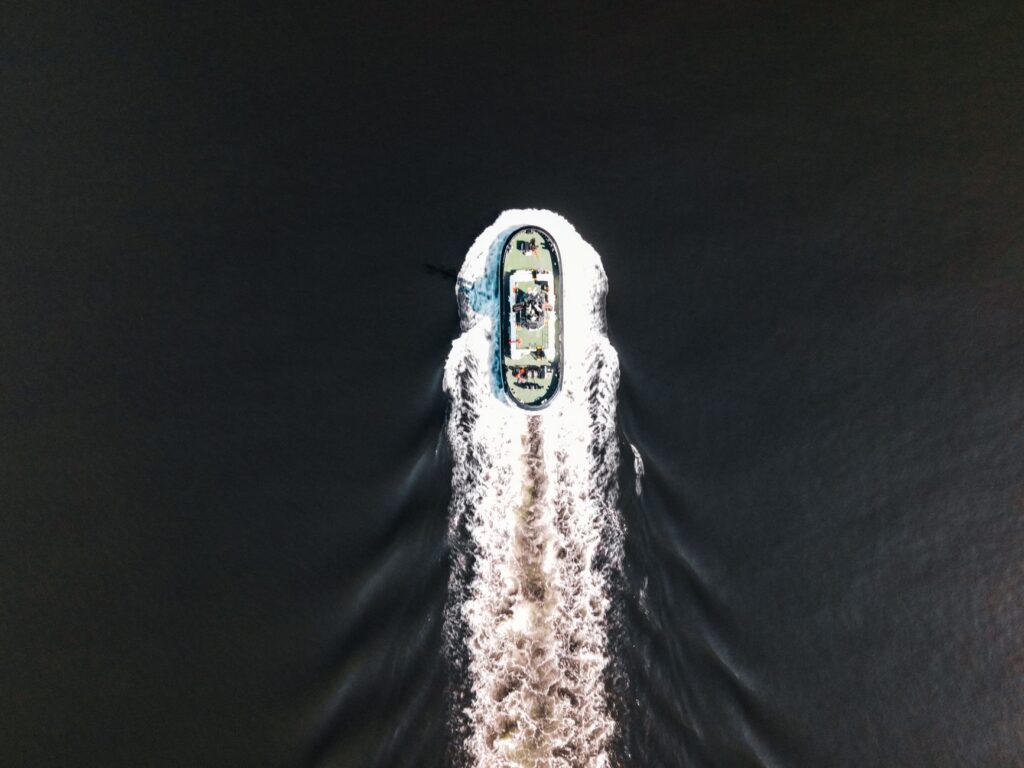
Currents in passages such as Deception Pass or the rocky channels of the San Juan Islands can reach formidable speeds, turning navigation into a constant challenge and generating large-scale eddies. These hydrodynamic characteristics dictate the distribution of marine organisms. Benthic species rely on the stability of deep basins, while pelagic organisms and migratory fish must synchronize their life cycles with tidal rhythms to optimize their movement and feeding patterns.
The Trophic Web and the Pulse of the Salmon
At the heart of the Salish Sea’s trophic web is the Pacific salmon, particularly the Chinook salmon, known locally as king salmon. These anadromous fish are born in rivers flowing into the inner sea, migrate to the open ocean to mature for years, and return to their natal streams to spawn and die, completing a life cycle that transports essential marine nutrients to surrounding terrestrial forests.
The health of salmon populations serves as a direct bioindicator of the overall health of the Salish Sea. In recent decades, the drastic reduction in salmon returns has triggered a cascading ecological crisis. Historical overfishing, the alteration of spawning habitats due to urban development, river barriers, and rising water temperatures have depleted these populations, depriving apex predators of their primary source of sustenance.
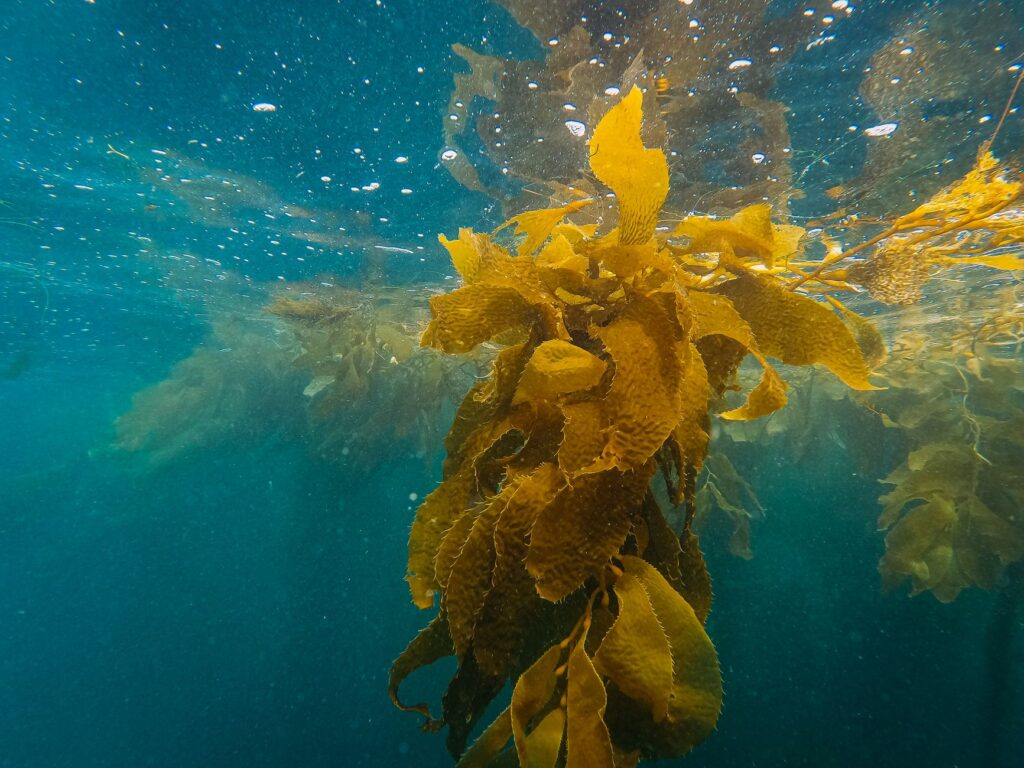
The decline of Chinook salmon is not merely a fisheries statistic; it represents the progressive unravelling of the complex dietary architecture that sustains the region’s most emblematic marine mammals.
Resident Killer Whales and Their Dietary Dependence
The Salish Sea is globally renowned for hosting the southern and northern resident killer whale populations, two socially and genetically distinct communities that share the same territory but rarely interact. The southern resident killer whales, in particular, are in a state of extreme vulnerability, with a population that has declined dangerously in recent years due to three interconnected factors: a critical scarcity of Chinook salmon, high concentrations of chemical contaminants in their fatty tissues, and acoustic disturbance generated by commercial and recreational maritime traffic.
Unlike transient killer whales, which feed on marine mammals such as seals and porpoises, resident killer whales are fish specialists, depending almost exclusively on Chinook salmon for nourishment. Their complex social structure, based on matrilineality and the cultural transmission of hunting techniques across generations, exacerbates their vulnerability to rapid changes in resource availability. The loss of a single reproductive female can compromise the long-term viability of an entire clan.
Acoustic and Chemical Contamination in the Water
The waters of the Salish Sea endure intense anthropogenic pressure stemming from the rapid urbanization of its coasts, home to major metropolitan areas such as Seattle, Tacoma, and Vancouver. This development has introduced significant volumes of persistent pollutants into the marine environment, including flame retardants, heavy metals, and polychlorinated biphenyls (PCBs). Due to their position at the apex of the food chain, killer whales and other top predators accumulate these toxins at alarming concentrations, weakening their immune and reproductive systems.

Simultaneously, underwater acoustic pollution has become an invisible yet devastating threat. Sound travels underwater at speeds four times faster than in the air. The constant noise generated by container ship engines, passenger ferries, and whale-watching vessels interferes with the sophisticated echolocation systems that killer whales use to communicate and hunt. When ambient noise masks their vocalizations, the whales must expend more energy to stay in contact with their pod and encounter greater difficulties locating their prey.
Transboundary Restoration and Management Efforts
Given that the Salish Sea encompasses sovereign waters of both the United States and Canada, effective conservation of its ecosystem requires close binational cooperation and the active participation of local First Nations and tribes, whose traditional knowledge provides a millennial perspective on sustainable territory management. Various governmental agencies and non-governmental organizations work collaboratively on the restoration of critical estuaries, the removal of obsolete dikes blocking fish passage, and the strict regulation of approach distances for commercial and recreational vessels.
Additionally, temporary fishing restrictions have been implemented in key foraging areas to ensure that killer whales have sufficient salmon during critical feeding periods. However, scientists warn that these palliative measures must be accompanied by climate change mitigation policies and a drastic reduction in land-based pollutant emissions if the structural decline of the ecosystem is to be reversed before a tipping point is reached.
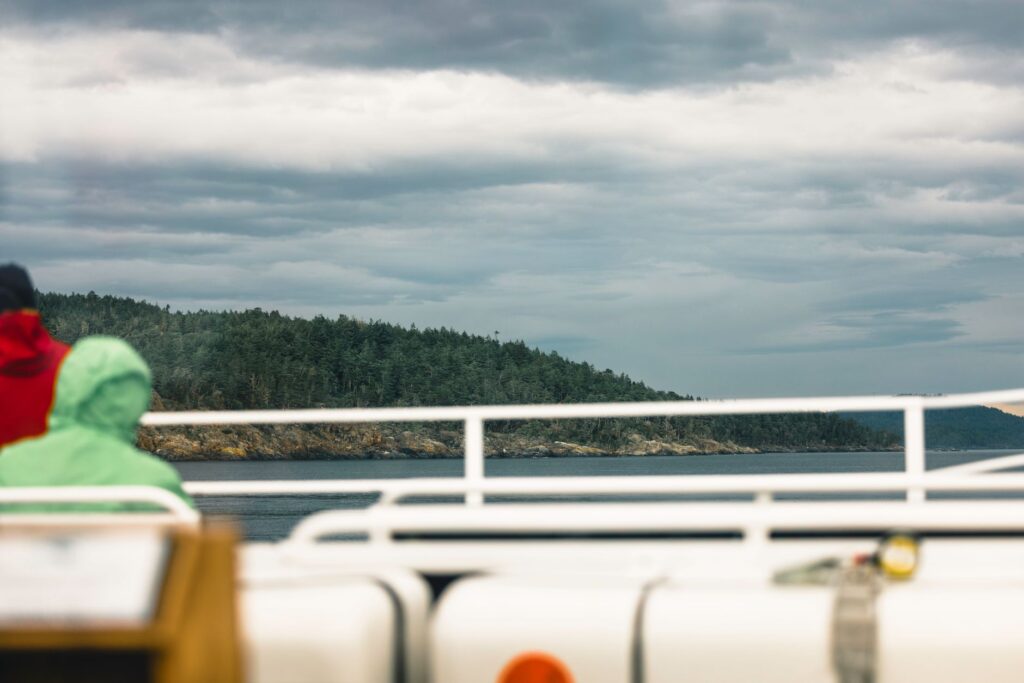
Restoring the Salish Sea requires transcending political and administrative borders to treat the gulf as a single living organism that responds in an integrated manner to our decisions.
Practical guide
How to get there: The main international airports providing access to the Salish Sea are Seattle-Tacoma International Airport (SEA) in Washington and Vancouver International Airport (YVR) in British Columbia. Both offer global connections and excellent public transit links to ports and ferry terminals.
Best time to visit: The months between May and September offer the most stable weather conditions and the highest probability of marine wildlife sightings, coinciding with the summer salmon migration and the consistent presence of resident killer whales.
Interior transportation: Washington State Ferries in the US and BC Ferries in Canada operate dense networks connecting the San Juan Islands, Vancouver Island, and mainland communities. Traveling without a personal vehicle on high-traffic routes is recommended to avoid long waits during peak season.
Wildlife viewing regulations: It is strictly prohibited to navigate closer than the legal distance established by maritime authorities in both countries (generally 400 meters in Canadian waters and 300 yards in US waters) regarding resident killer whales. Always use certified tour operators that follow sustainable codes of conduct.
Accommodation and responsible tourism: Opt for small local lodgings certified with environmental sustainability seals and support local marine research centers through direct donations or participation in citizen science programs.
Silence Beneath the Surface and the Future of the Strait
As evening falls, the waters of the Salish Sea take on a leaden, reflective hue, mirroring the dense fir forests lining the cliffs of the San Juan Islands. At the surface, the apparent stillness of the marine landscape contrasts with the invisible urgency of the ecological processes defining this sanctuary. Each tide flowing through the straits renews the promise of an ancestral balance, reminding us that the survival of the marine giants inhabiting these waters depends entirely on our ability to listen to the delicate pulse of nature. Protecting this inland sea is not merely an exercise in biological conservation, but an act of shared responsibility toward the fragility of the planet’s oceans.