
The Geography of a Vibrant Island
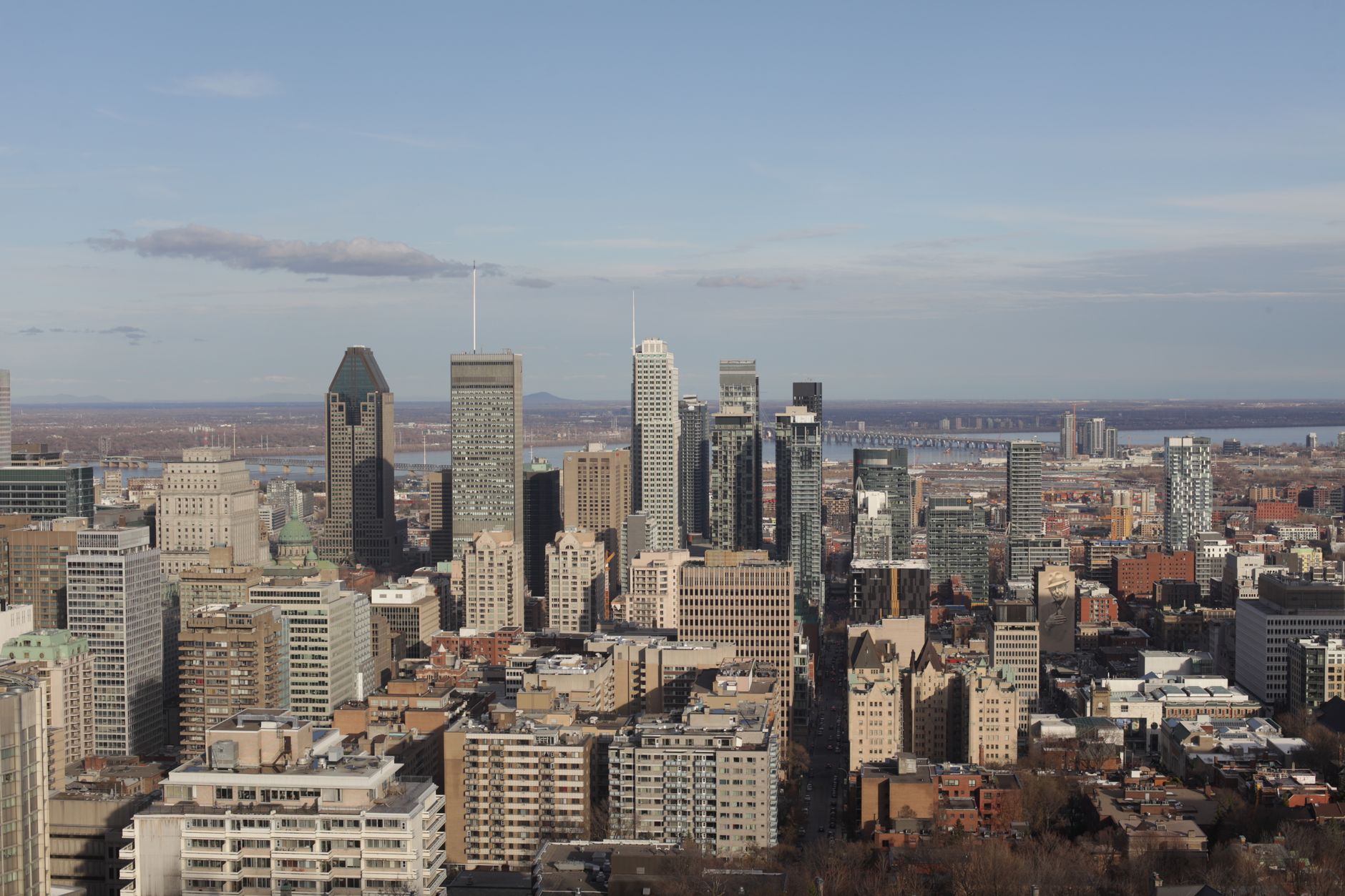
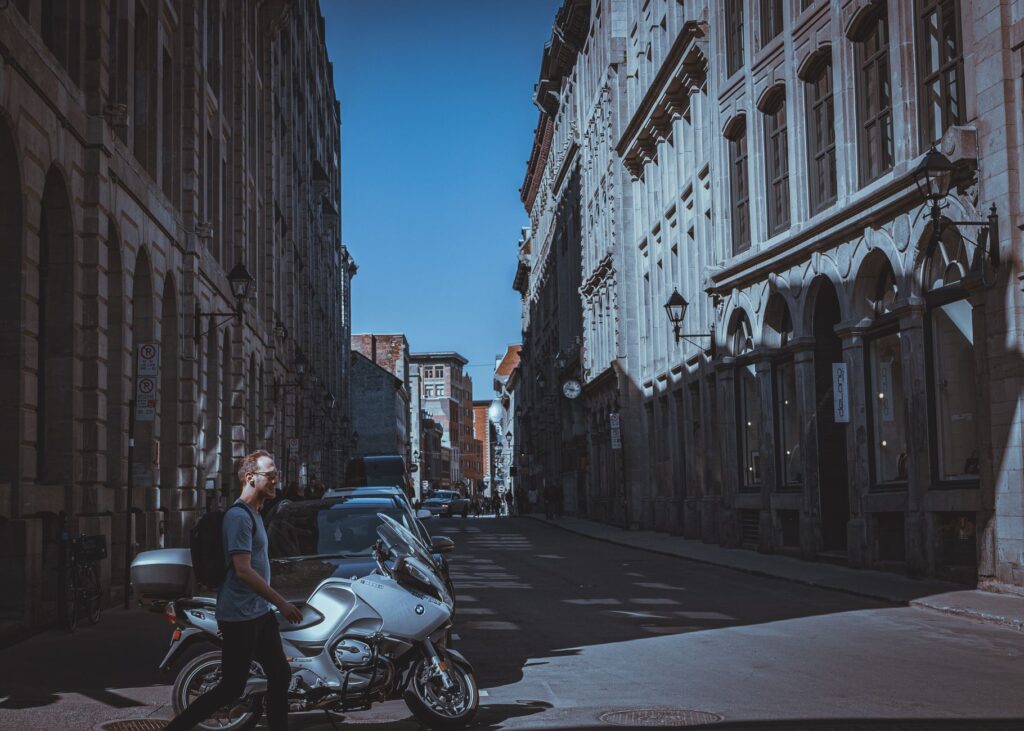
On the banks of the Saint Lawrence River, the Canadian city of Montreal displays an urban map where insular geography has historically shaped the character of its inhabitants. Founded as a French trading post and transformed over centuries into a multicultural benchmark, this metropolis balances the monumentalism of its nineteenth-century architectural heritage with intense contemporary vitality. The streets of Old Montreal preserve the cobblestone layout of the earliest European settlements, flanked by grey limestone buildings that reflect the changing light of northern seasons.
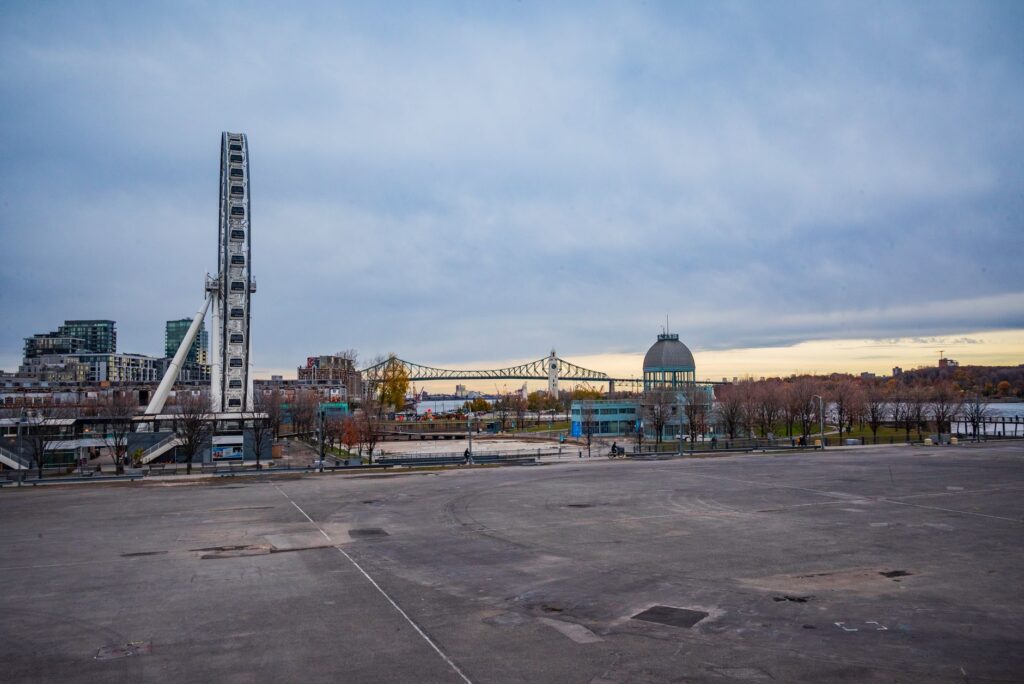
Far from being a mere open-air museum, this historic core functions as a living organism inhabited by residents, artisans, and small business owners. The relationship with the river has guided the city’s growth, from the original docks to the modern public spaces lining the waterfront. The bridges connecting the island to the mainland are not merely transit routes, but tangible symbols of a community that has learned to articulate its geographical isolation through a robust network of local solidarity and permanent cultural exchanges.
The Commercial Pulse of Traditional Markets
Daily provisioning in Montreal finds the true heartbeat of its social diversity in its public markets. Spaces such as Jean-Talon Market, nestled in the heart of Little Italy, or Atwater Market, located beside the Lachine Canal, have acted for generations as intergenerational meeting points. There, stalls of local farmers mingle with specialty shops that reflect the successive waves of immigration that have enriched the demographic fabric of the province of Quebec.
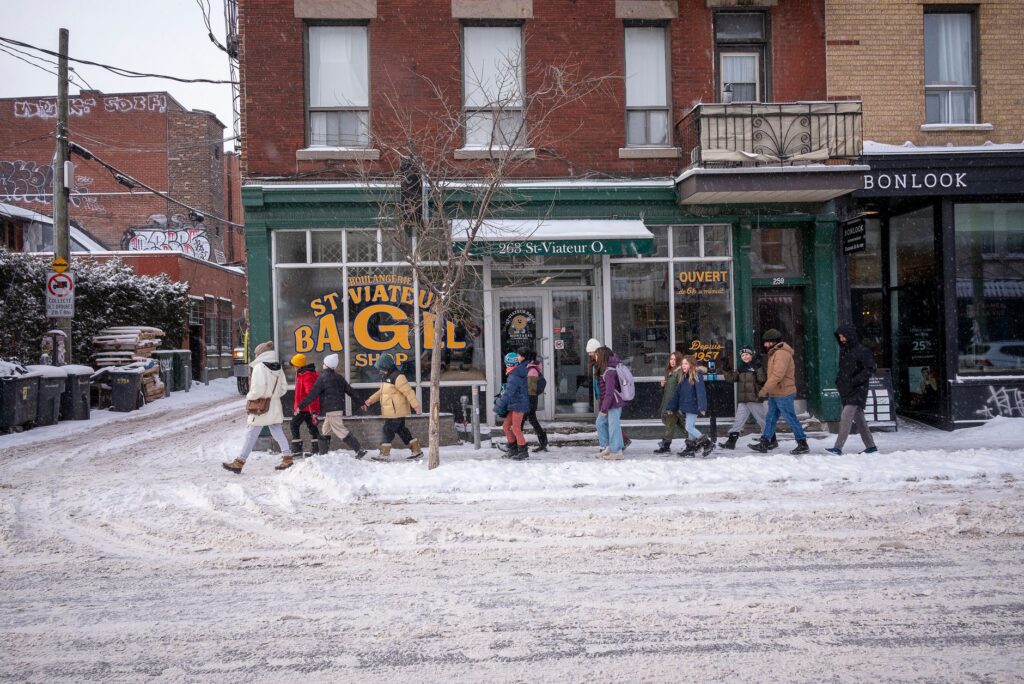
Food in the city is a daily exercise in memory and climatic adaptation. During the coldest months of the year, when temperatures drop drastically below zero, these covered and semi-covered enclosures maintain a warm atmosphere where the aromas of artisanal cheeses, cured meats, and fresh bread contrast with the snowy landscape outside. Market vendors and merchants preserve commercial practices based on mutual trust and direct dealing, a necessary counterpoint to the standardization of large retail centers in the suburbs.
Cultural Life and Community Resilience
Montreal’s identity rests upon a linguistic and cultural duality that permeates every artistic expression in its neighborhoods. From the murals blanketing the firewalls of Boulevard Saint-Laurent to the small independent theaters of the Quartier des Spectacles, artistic creation functions as a tool for social cohesion. Residents actively participate in neighborhood boards and community associations dedicated to defending architectural heritage preservation against real estate speculation.
In residential districts such as the Plateau-Mont-Royal or Mile End, the traditional exterior spiral staircases—originally designed to gain interior space and mitigate snow accumulation—have become the visual symbol of proximity sociability. On mild autumn afternoons or during the rigors of January, these accesses serve as improvised viewpoints from which residents greet passersby, weaving an invisible yet indestructible web of neighborliness and mutual support.
Architectural Heritage and Secular Stone
The stone used in the construction of Montreal’s churches, convents, and bourgeois residences comes predominantly from local quarries in the region. This materiality grants the city a sober and elegant chromatic palette, dominated by grey, ochre, and tan tones. Landmark buildings such as Notre-Dame Basilica coexist in visual harmony with red-brick housing blocks and sloped roofs designed to withstand heavy winter snowfalls.
The conservation of this legacy has not been without urban planning tensions, but citizen pressure has successfully protected entire neighborhoods from indiscriminate demolition. Current municipal regulations demand strict respect for historic facades, compelling contemporary architects to exercise creative subtlety. The result is an urban landscape where the ancient and the modern converse without discord, allowing the industrial and commercial past to remain visible on every corner.
Sustainable Mobility and the Underground Network
To survive winter without paralyzing its economic and social activity, Montreal developed a pedestrian connectivity and transportation infrastructure unique in the world. The underground city, known locally as RESO, interconnects metro stations, shopping centers, universities, and residential buildings along more than thirty kilometers of climate-controlled galleries. This network allows thousands of citizens to move about daily without having to brave surface blizzards.
Above ground, municipal authorities have strongly committed to expanding bicycle lanes and prioritizing public transport—even during snowy months—through specialized fleets dedicated to the constant removal of white accumulations. Winter cycling, practiced by a loyal base of citizens, demonstrates the community’s commitment to active mobility and the reduction of carbon footprints in the urban environment.
The Social Fabric of Libraries and Community Centers
Beyond traditional tourist circuits, the daily life of Montrealers unfolds across an extensive network of public libraries and civic centers equitably distributed among the various districts. These facilities act as authentic democratic agoras where students, seniors, families, and new residents converge in search of integration. The provision of free workshops, reading clubs, and children’s activities ensures that culture remains accessible without distinction of income.
blockquote>The true wealth of a metropolis does not lie in the height of its skyscrapers, but in the solidity of the public spaces where its inhabitants recognize one another as equals.
These centers also promote language support programs for newcomers, facilitating the learning of French and English in an environment respectful of diversity. In this way, local administration and neighborhood initiatives collaborate so that integration does not entail the loss of original cultural roots, but rather a further contribution to the city’s mosaic of identities.

Responsible practices for the conscious visitor demand respect for the daily rhythm of residents and the minimization of environmental impact.
Responsible Practices for the Conscious Visitor
Those who visit Montreal have the responsibility to adopt behavioral patterns that respect the daily rhythm of residents and minimize the environmental impact of their stay. It is recommended to prioritize the use of public transport and the metro network, rent bicycles during warmer months, or use underground pedestrian access during extreme cold spells. Likewise, supporting small independent shops and local producers in neighborhood markets fosters a fairer and more sustainable proximity economy.
It is also fundamental to respect rules of coexistence in residential areas, avoiding unnecessary noise in high-density housing zones and collaborating with waste separation according to municipal recycling and composting regulations. The conscious traveler understands that their presence is temporary, but that the traces of their passage can positively contribute to the preservation of heritage and the quality of life of the host community.

Practical guide
How to get there: Montréal-Trudeau International Airport (YMQ) connects the city with major global hubs. From there, the 747 express bus operates twenty-four hours a day to the urban center.
When to visit: The months from June to September offer mild temperatures and a busy agenda of street festivals; winter (from December to March) transforms the city into a white stage ideal for lovers of winter traditions.
Transport: The OPUS card allows combined and unlimited use of the metro and bus network managed by the Société de transport de Montréal (STM).
Accommodation: Reserving in small boutique hotels in Old Montreal or in regulated apartments located in residential districts such as Le Plateau is strongly advised.
Essential gastronomy: Taste traditional handcrafted bagels boiled in honey water, local smoked meat, and poutine dishes made with artisanal Quebec cheeses.
Urban Epilogue Under the First Snowfall
When the first flakes of the winter season begin to descend over Mount Royal, the city’s silhouette blurs into a white mantle that momentarily silences the bustle of traffic. On neighborhood street corners, the warm lights of cafes and bakeries invite people to seek shelter while residents continue their routine with the naturalness of those who have turned resistance to cold into a daily art form. Montreal then folds inward, protective and welcoming, reminding the traveler that the true beauty of great urban destinations lies in the discreet and steadfast dignity of its people.