
The southern threshold where the Sahara meets the Atlantic horizon
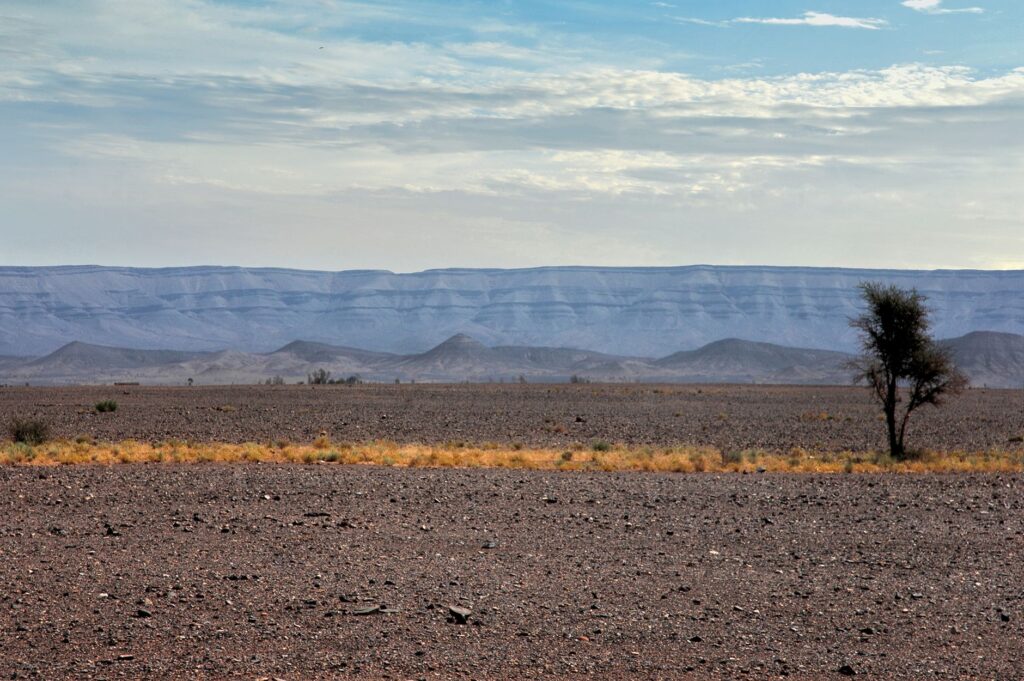
Located in southwestern Morocco, the province of Guelmim acts as the geographical threshold where the arid plains of the Sahara begin to merge withებელი the gentle marine breezes blowing from the Atlantic Ocean. This natural frontier position has shaped centuries of impressive landscapes, where stony plateaus and dry riverbeds known as wadis alternate with green oases and vast coastal strips. Far from being a barren territory, the region harbors a complex network of life adapted to water scarcity and the intensity of trade winds blowing incessantly from the sea.
An analysis of the local topography reveals an average elevation of around three hundred meters above sea level, a factor that slightly moderates the extreme temperatures characteristic of Saharan latitudes. However, local geography is defined by climatic transition: mornings are often enveloped in marine mists that push inland before dissipating under the relentless midday sun. This atmospheric alternation requires travelers and residents to maintain a rigorous understanding of weather cycles, especially for those venturing onto terrestrial routes connecting traditional settlements.
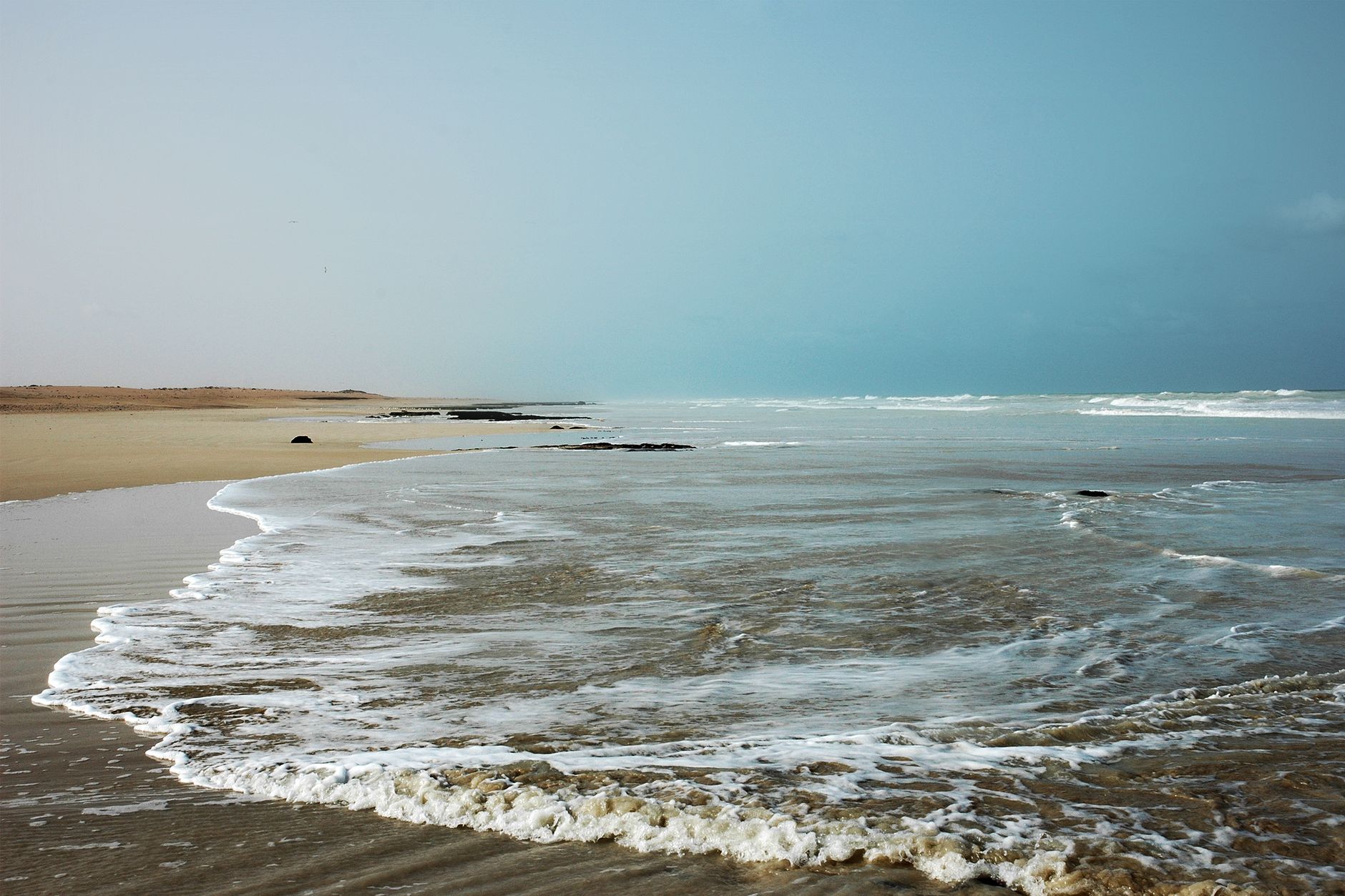
The coastal approaches of Guelmim, Morocco, present unique maritime dynamics where Atlantic swells interact dynamically with exposed shorelines. Navigation in these waters requires profound respect for local currents and rapidly shifting weather patterns. Traditional fishing communities have long navigated these marine frontiers, utilizing deep-seated knowledge of the tides and coastal winds to safely traverse the nearshore waters. The maritime culture here is deeply intertwined with the terrestrial landscape, creating a seamless transition from the high plateaus down to the crashing waves of the western coast.
Commercial legacy and the memory of great caravan routes
Historically, Guelmim has held the unofficial title of gateway to the desert due to its central role in trans-Saharan trade. For centuries, caravans laden with gold, ivory, spices, and textiles converged on this focal point after weeks of traversing vast desert expanses. The city’s famous camel market, though transformed by modernity, remains a living testimony to that golden era when economic exchange was inextricably linked to the transmission of knowledge among diverse cultures and nomadic tribes.
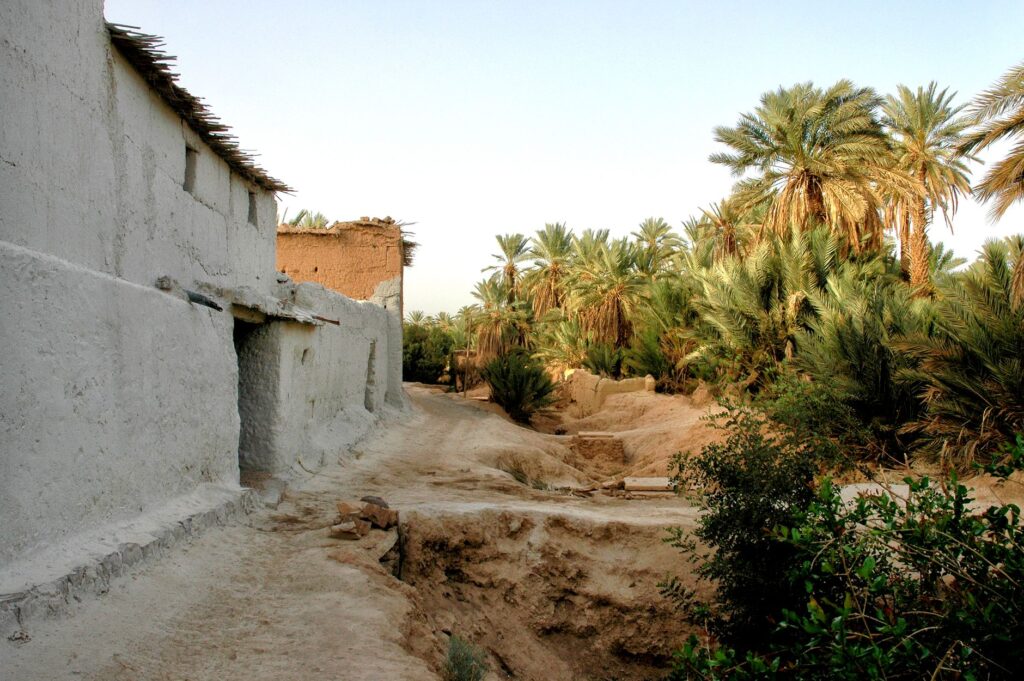
The region’s traditional architecture reflects this need for shelter against an exacting climatic environment. Buildings made of local adobe and stone harness thermal mass to keep interiors cool during intense heat and protected from nighttime chill. The preservation of these ancestral construction methods constitutes a fundamental pillar in maintaining the region’s architectural identity, resisting the push of contemporary urbanism and protecting material heritage accumulated over generations.
Beyond terrestrial trade, the broader cultural context of southwestern Morocco includes ancient maritime pathways and coastal exchanges that connected regional ports with wider Atlantic networks. Merchants and coastal inhabitants developed sophisticated methods of reading the ocean, understanding how offshore winds and cold marine currents influenced both fishing success and coastal navigation. This maritime heritage complements the well-documented caravan history, painting a complete picture of a crossroads civilization.
Climatic dynamics and the constant influence of Atlantic winds
Guelmim’s climatology cannot be understood without observing its proximity to the Atlantic Ocean. Although annual rainfall is scarce and markedly seasonal, moisture carried by marine winds generates unique microclimates in river valleys and coastal transition zones. These meteorological phenomena cushion daily thermal fluctuations, allowing the development of highly specialized xerophytic vegetation and traditional agricultural practices based on the meticulous use of subterranean water resources.
For outdoor expedition enthusiasts, understanding local wind direction and strength is indispensable. Occasional dust storms, driven by warm inland currents, can drastically reduce visibility within minutes, turning a seemingly simple route into an orienteering challenge. Therefore, planning any journey around Guelmim requires consulting weather forecasts well in advance and carrying proper equipment for protection against solar radiation and airborne particles.
Marine safety along the Atlantic fringe of Guelmim demands constant vigilance. The interaction between cold offshore currents and continental thermal lows frequently produces sudden sea fogs and choppy waters that can disorient unprepared travelers. Understanding sea states and respecting the power of oceanic swells are vital components of coastal exploration in this part of Morocco, ensuring that recreational and exploratory activities remain safe and controlled.
The desert is not a static void, but a living archive where every gust of wind and every dry riverbed narrates the millennial history of those who learned to coexist with its infinite vastness.
Ecosystem protection and sustainability in the oases and coastal zones of Guelmim
In recent decades, the ecological balance of the region has faced new challenges stemming from climate change and pressure on water resources. Palm groves dotting underground watercourses play an irreplaceable ecological role, halting desertification and harboring biodiversity adapted to extreme conditions. Local and institutional initiatives work in a coordinated manner to ensure efficient use of irrigation water, promoting traditional systems like khettaras and combining them with modern environmental monitoring technologies.
Respect for the natural environment is an essential prerequisite for preserving Guelmim’s scenic richness. Local authorities promote low-impact tourism that prioritizes responsible nature observation and respectful interaction with local communities. Visitors are urged to leave no waste, minimize bottled water consumption, and value the fragility of the delicate desert and coastal ecosystems that make up the province.
Marine and coastal conservation efforts are equally critical in protecting the natural integrity of Guelmim, Morocco. Safeguarding the coastal strip from unchecked degradation ensures the health of intertidal zones and marine habitats. Environmental programs emphasize the protection of local flora and fauna, fostering a sustainable relationship between human activity, terrestrial conservation, and the preservation of the nearby Atlantic marine environment.
Cultural heritage and artistic expressions of local tribes
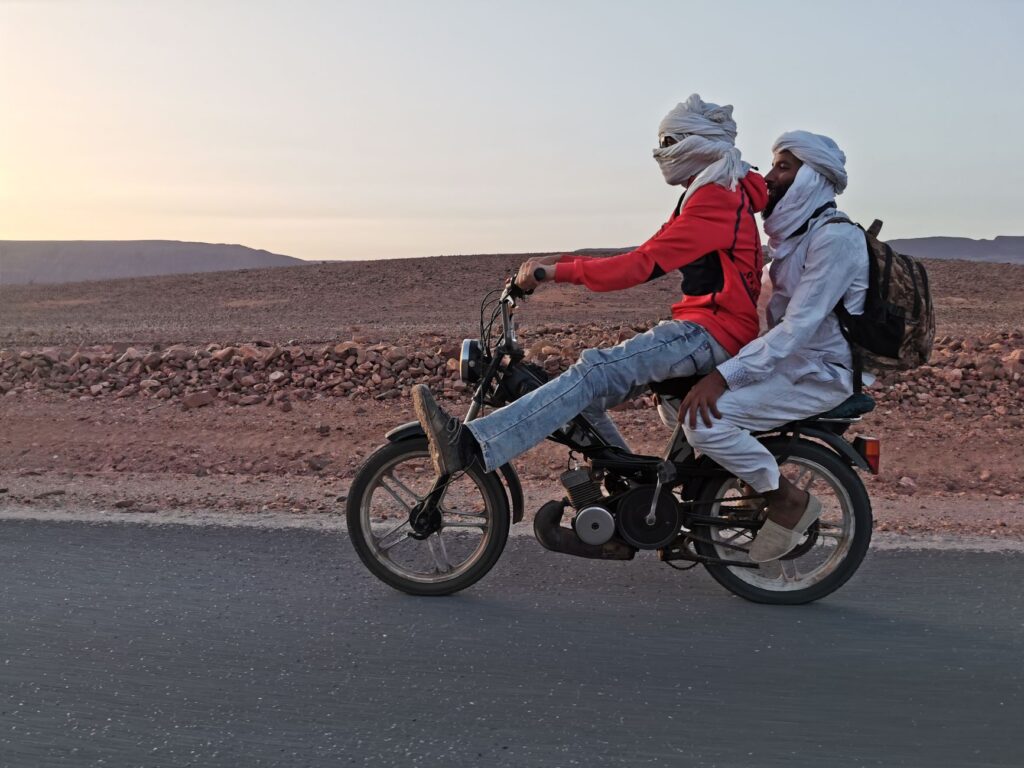
Guelmim’s richness extends far beyond its physical geography; it also resides in its intangible heritage. Musical traditions, tea ceremonies, and mastery in crafting artisanal textiles reflect the confluence of Arab and Amazigh influences. Local festivals and community gatherings serve as spaces for intergenerational transmission, ensuring that songs, dances, and oral narratives remain alive in the collective memory of its inhabitants.
The region’s craftsmanship stands out for utilizing local raw materials, ranging from camel wool to acacia wood and carved stone. Each piece crafted by local artisans encapsulates an aesthetic narrative that dialogues directly with the austerity and beauty of the Saharan landscape. This sector represents not only a vital source of economic income for numerous families but also a bastion of cultural resistance against global homogenization.
Maritime motifs occasionally find their way into regional artistic expressions, symbolizing the duality of a land touched equally by desert sands and ocean spray. Cultural preservation initiatives actively support local artisans, ensuring that traditional techniques in weaving, pottery, and metalwork are passed down to younger generations, maintaining a vibrant cultural tapestry that honors both desert roots and coastal horizons.
Safety, physical preparation, and logistics for the rigorous traveler
Tackling a journey through Guelmim and its surroundings requires adequate physical preparation and flawless logistics. Long distances between population centers, combined with thermal amplitude and direct solar radiation, mandate carrying sufficient water supplies, reliable navigation systems, and proper technical clothing protecting against both daytime heat and nighttime cold. Autonomous travel is key to ensuring a safe and enriching experience in this corner of southern Morocco.
Likewise, it is advisable to rely on local guides who know in detail the terrain’s peculiarities and sudden changes in meteorological conditions. Cultural empathy and compliance with local regulations regarding access to protected or ecologically valuable areas guarantee harmonious coexistence and prevent negative impacts on the fragile balance ofalic zone.
For those exploring the coastal limits of Guelmim, safety protocols must include monitoring maritime weather advisories and avoiding hazardous rocky headlands during high tides or heavy surf. Preparation for outdoor adventures in Morocco must always account for environmental shifts, whether navigating inland wadis or studying coastal marine currents.
Practical guide
How to get there: Main access to Guelmim province is achieved by road via the Moroccan national network, connecting with cities like Agadir or Tiznit through regular bus services and private transport.
Best time to visit: The months between November and March offer the most favorable weather conditions, with mild daytime temperatures avoiding extreme summer heat.
Accommodation: Options include small traditional hotels, guesthouses in the oases, and organized camps allowing respectful immersion in the natural environment.
Health and safety: Carrying high-spectrum sunscreen, approved sunglasses, sturdy footwear for stony terrain, and sufficient drinking water for outdoor excursions is indispensable.
A visual epilogue between desert light and marine breeze
When the afternoon wanes over Guelmim, golden light bathes the clay plains and distant mountain profiles, creating an atmosphere of profound serenity. In that fleeting moment where desert heat meets Atlantic freshness, the traveler understands that the true essence of this territory lies not in conquering its spaces, but in the capacity to listen to the millennial silence dwelling among its dunes and valleys.