
Origins and Evolution of a Port City in New South Wales
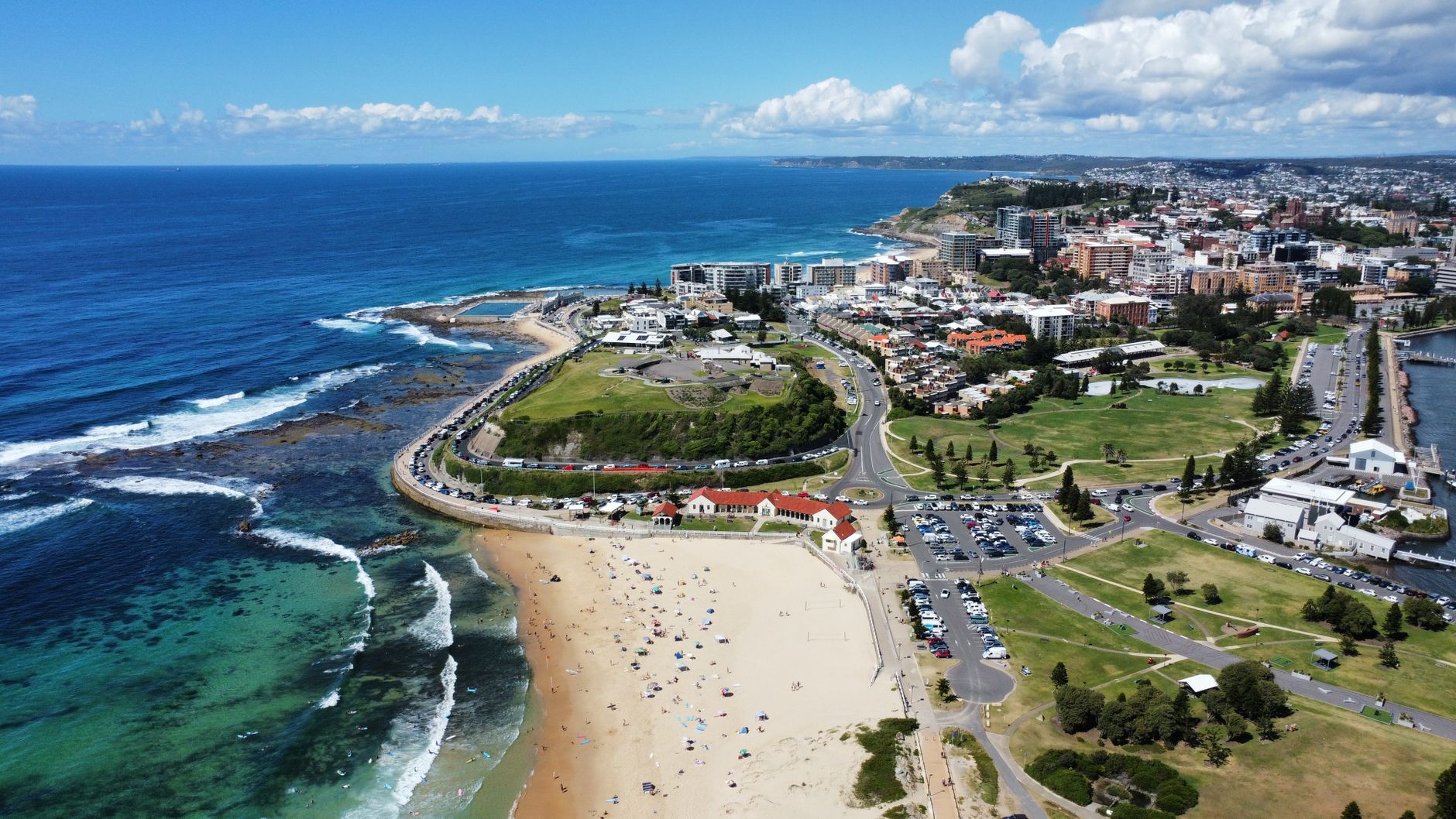
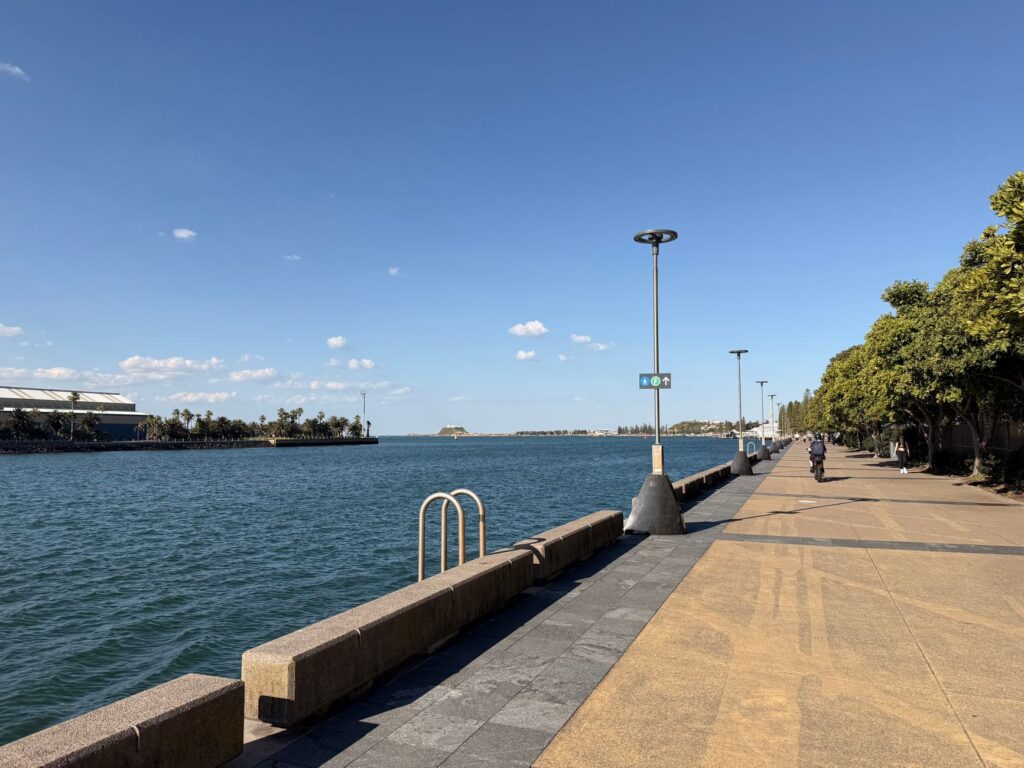
On the eastern coast of Australia, the Newcastle region unfolds as a territory where industrial history and the vitality of the Pacific Ocean coexist permanently. Situated in the state of New South Wales, this settlement has transitioned from its early days tied to coal extraction and maritime activity into an urban hub seeking to redefine its relationship with the natural environment. Waterfront promenades and downtown streets display a mosaic where past centuries’ brick buildings alternate with modern urban interventions oriented toward sustainability.
The city’s geographic configuration, marked by the Hunter River estuary and its extensive golden sand beaches, has traditionally conditioned the mobility of its inhabitants. Routes connecting residential neighborhoods with the commercial district reflect a constant effort to integrate bicycle lanes and reduce reliance on private automobiles. Citizen participation plays a decisive role in the preservation of public spaces, driving local initiatives that prioritize collective well-being over demographic growth pressures.
Over recent decades, the municipality has implemented diverse strategies to revitalize disused industrial areas, turning them into spaces for social interaction. This process of urban transformation not only values the mining and port past, but transforms it into the foundation upon which a new civic culture, more conscious of its surroundings, is built.
Urban planners and local authorities collaborate constantly to ensure that new infrastructure projects respect the natural topography and coastal limits. This commitment involves comprehensive studies on water management, urban shade canopy creation, and biodiversity corridors linking inland green spaces directly with oceanic reserves, reinforcing ecological resilience across the entire municipal district.
Industrial Heritage as the Axis of Local Identity
Newcastle’s working-class memory permeates every corner of its historic neighborhoods. Former port facilities and coal storage warehouses have been converted using architectural criteria respectful of the surroundings, housing cultural centers, craft workshops, and community spaces. This conversion does not erase the past, but rather integrates it into the daily lives of residents, who value the conservation of original structures as a symbol of resilience and adaptation.
Local markets and historic squares act as intergenerational meeting points. In these spaces, citizens acquire proximity products and participate in debates regarding the region’s urban future. Municipal ordinances actively support the creation of urban gardens and the protection of green corridors descending from the interior hills to the coastal strip, guaranteeing local biodiversity and fostering civic commitment in landscape protection.
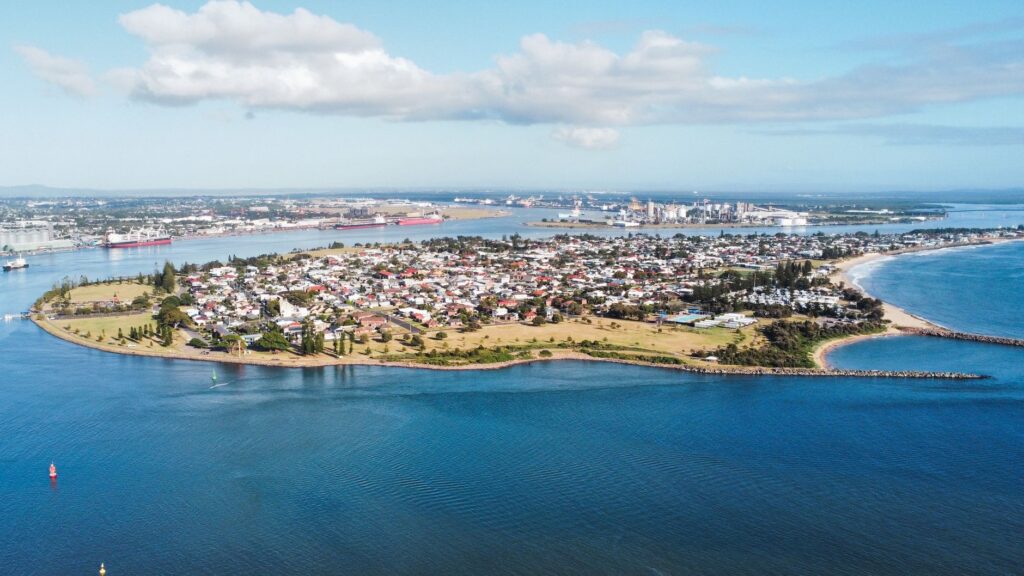
The design of these public areas promotes the integration of native flora, facilitating the presence of local species and reducing the need for water resources for their maintenance. In this way, green heritage management becomes a pedagogical tool for visitors who wish to understand the relationship between the community and its territory.
Educational programs implemented in collaboration with local schools offer walking tours focused on industrial archaeology, allowing younger generations to appreciate the ingenuity required to build early maritime facilities while instilling modern conservation ethics.
Active Mobility and Public Transport in the Urban Fabric
Moving around Newcastle without resorting to private vehicles has become a priority for both local authorities and neighborhood collectives. The public transport network combines efficient rail services with bus lines adapted to the needs of different neighborhoods. Likewise, the expansion of pedestrian pathways promotes an active lifestyle and significantly reduces pollutant emissions along main arteries.
Sustainable mobility policies also contemplate traffic calming in residential areas close to the coast. Clear signage and priority granted to pedestrians and cyclists transform the daily experience of walking through the city. Residents participate in monitoring committees to evaluate the impact of these measures, ensuring that improvements respond to the community’s real demands.
The use of bicycles is supported by the installation of secure bike parking at strategic points, as well as informative campaigns that raise awareness among residents and tourists alike about the advantages of choosing lower-impact transport options.
Integrated ticketing systems across bus and rail networks further encourage multi-modal journeys, minimizing the friction associated with transitioning between different transport modes during daily commutes or leisurely weekend explorations.
Residential Architecture and Neighborhood Coexistence
Newcastle’s architectural landscape stands out for the harmony between Victorian-style dwellings and contemporary low-impact environmental constructions. Local property owners and developers apply energy efficiency criteria in old building renovations, utilizing local materials that minimize the carbon footprint. This attention to architectural detail preserves the visual identity of neighborhoods without sacrificing modern comfort.
Street life maintains a measured yet steady pace. Tree-lined squares and urban parks host open-air cultural activities where families, students, and seniors mingle. This cohesive social fabric is the result of decades of community work and a firm commitment to preserving the region’s natural and cultural heritage.
Local urban regulations incentivize rehabilitation over new construction, prioritizing the reuse of existing structures and the use of traditional construction techniques adapted to current standards of energy efficiency and thermal comfort.
Community workshops often guide residents on implementing passive solar design principles in older homes, ensuring that historic character is maintained while drastically cutting energy consumption year-round.
Marine Sustainability and Coastal Protection
Newcastle’s coastal strip represents both an economic resource and a valuable ecosystem requiring constant protection. Local environmental associations collaborate closely with scientific institutions to monitor water quality and the health of seabird populations and native fauna. These actions include regular beach cleanup days and educational programs directed at schools.
The balance between the recreational use of beaches and the conservation of dune habitats is managed through elevated boardwalks and informative signage reminding visitors of the environment’s fragility. In this way, the community demonstrates that responsible tourism and respect for nature can go hand in hand in such a dynamic coastal setting.
Coastal protection also encompasses erosion mitigation through natural methods that respect tidal dynamics and cliff stability, ensuring that future generations can enjoy these unaltered landscapes.
Marine conservation initiatives extend to underwater monitoring programs where local diving volunteers assist researchers in catalogoring benthic life and removing marine debris from sensitive reef structures just offshore.
Commercial Pulse and the Circular Economy
Proximity commerce constitutes the economic engine of Newcastle’s neighborhoods. Small establishments, independent bookstores, and family-run cafes actively promote circular economy principles, reducing single-use plastics and relying on suppliers from the New South Wales region. This commercial model fosters a conscious consumption model that values durability and the ethical origin of products.
The transformation of Newcastle demonstrates that industrial identity can evolve toward a model where sustainability and respect for local heritage guide every community decision.
Weekly farmers markets held at various points throughout the city allow consumers to establish a direct link with local producers. This exchange not only guarantees food freshness but also reinforces a sense of belonging and social cohesion among inhabitants of different districts.
Furthermore, the reuse of abandoned commercial spaces to house second-hand shops and exchange cooperatives reinforces the municipality’s economic resilience, offering accessible and sustainable alternatives for all sectors of the population.
Collaborative business networks frequently organize seminars on waste reduction and sustainable supply chain management, ensuring that local enterprises remain at the forefront of ecological responsibility.
Practical guide
How to get there: Newcastle is connected to Sydney via regular train services and highways, facilitating access without the need for a private vehicle.

When to visit: Spring and autumn months offer mild temperatures ideal for exploring the city on foot or by bike.
Local transport: The local bus and tram network efficiently covers main points of interest and residential areas.
Accommodation: Sustainable options range from small boutique hotels to certified energy-efficient apartments.
Gastronomy: Local markets and waterfront restaurants offer fresh regional produce along with vegetarian and vegan options.
A Shared Marine Horizon
As the sun sets over the horizon of the Pacific Ocean, Newcastle’s silhouette blends with the constant murmur of waves against the cliffs. Historic lighthouses continue guiding vessels while, on solid ground, residents enjoy a sunset that synthesizes the essence of a community dedicated to protecting its legacy. This balance between historical memory and environmental responsibility defines the future of an Australian city looking out to sea with confidence and respect.