
The Vertical Geography of the Northern Hill
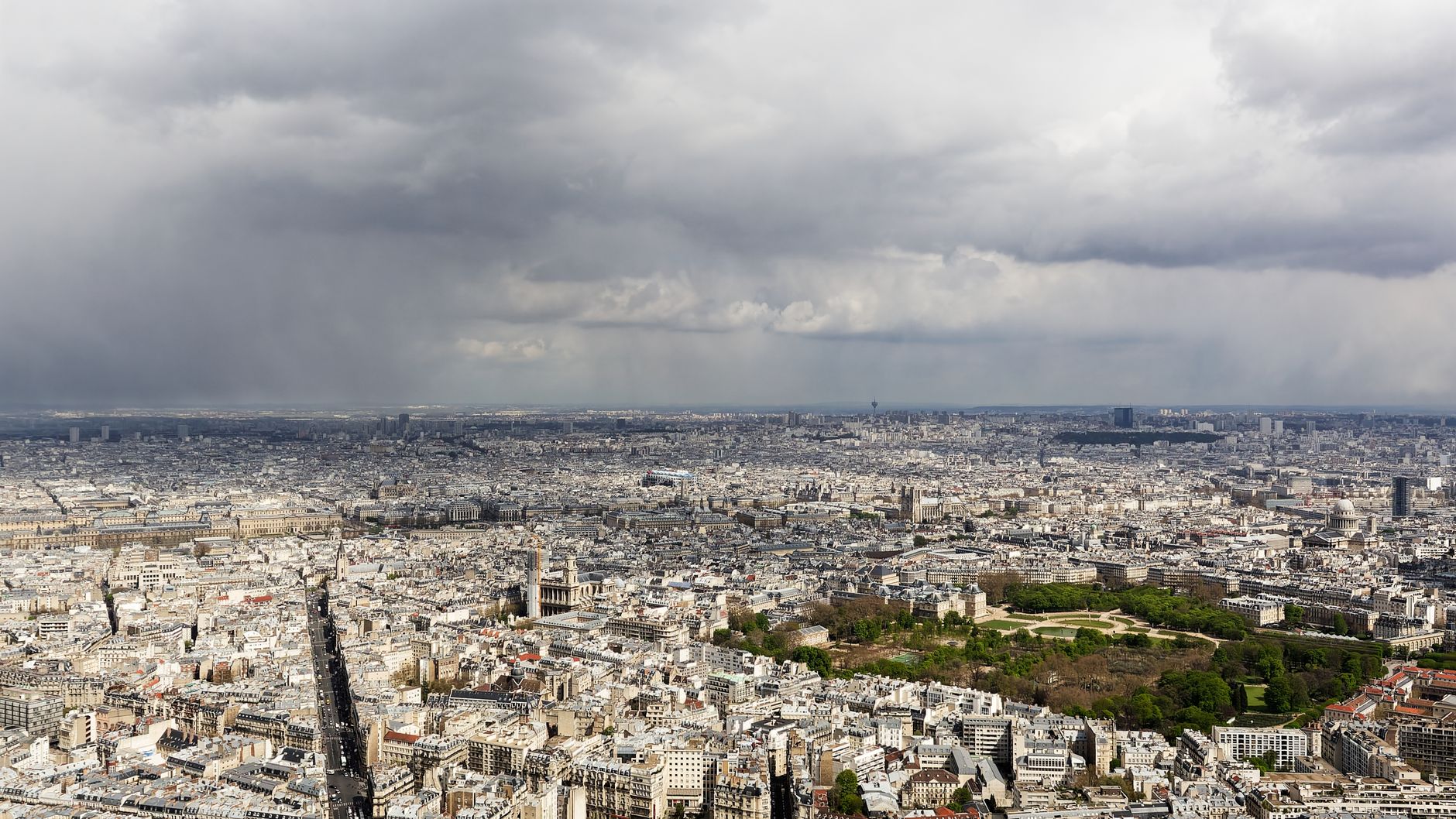
The eighteenth arrondissement of Paris, geographically dominated by the imposing elevation of Montmartre, unfolds as a complex mosaic where the slope of the terrain defines both urban planning and the rhythm of daily life. With a population exceeding one hundred and eighty thousand residents spread across slightly more than six square kilometers, this sector of the French capital combines residential density with a steady influx of visitors drawn by its artistic history. The topography, characterized by steep streets and winding stone staircases, acts as a natural barrier that has historically conditioned transportation, commercial distribution, and neighborly relations. In the higher zones, the terrain descends toward slopes that retain vestiges of their agricultural and winemaking past, reminding us that this area functioned for centuries as an independent rural territory before its final annexation to the Parisian metropolis in the final third of the nineteenth century.
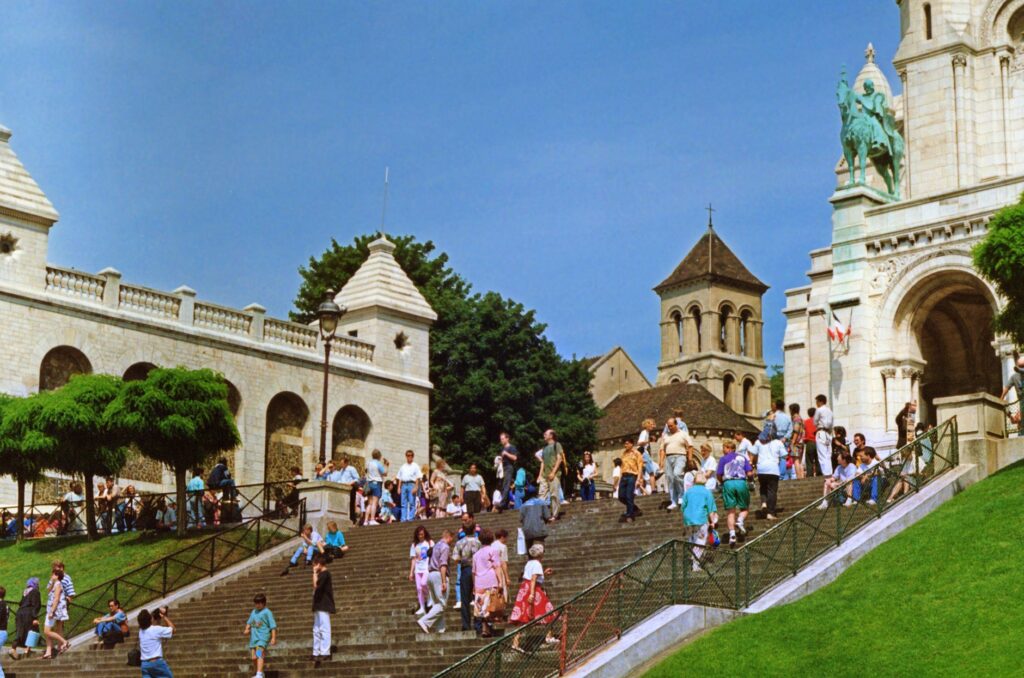
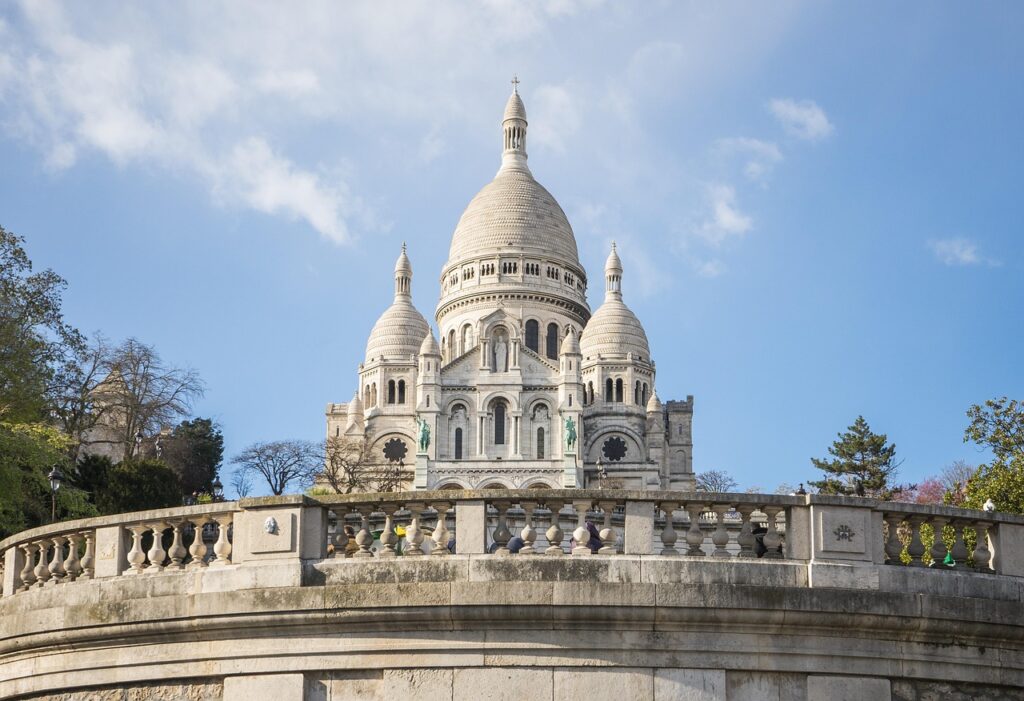
The coexistence between historical heritage and contemporary demographic pressure generates a continuous debate regarding the limits of urban transformation. While the southern boulevards of the district present a bustling and multicultural commercial profile, the alleyways climbing toward the Basilica of the Sacred Heart experience intense seasonal and daily pressure. In this context, local residents have articulated various forms of everyday resistance to preserve neighborhood commerce, the tranquility of tree-lined squares, and accessibility to increasingly contested public spaces. Neighborhood associations play a fundamental role in monitoring architectural heritage and demanding regulations that temper the impact of tourism on residential life.
Proximity Commerce as an Identity Bastion
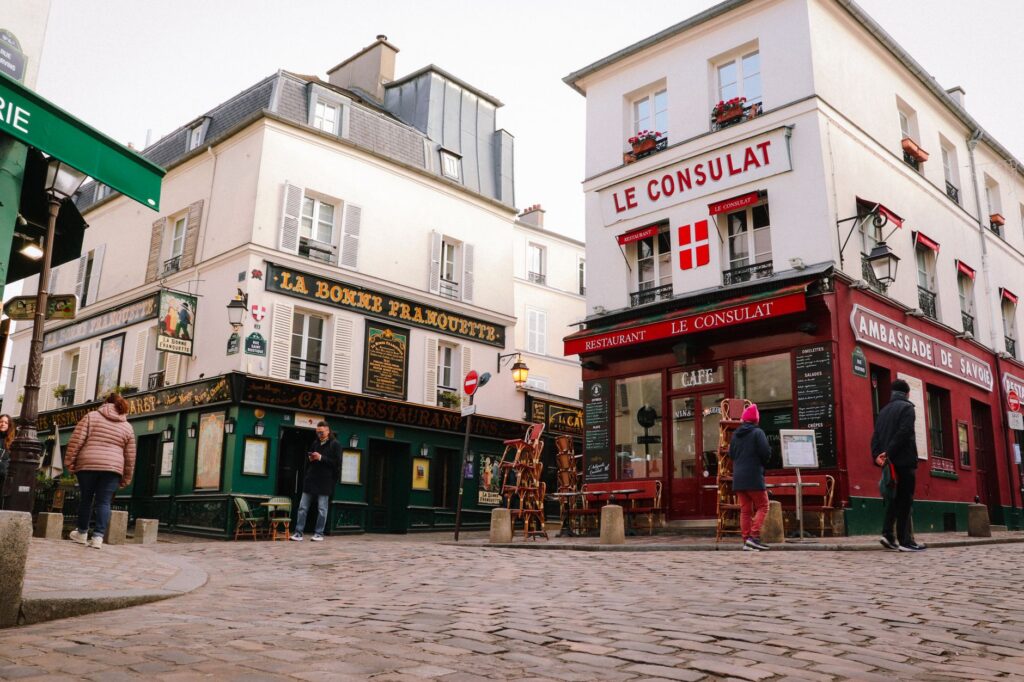
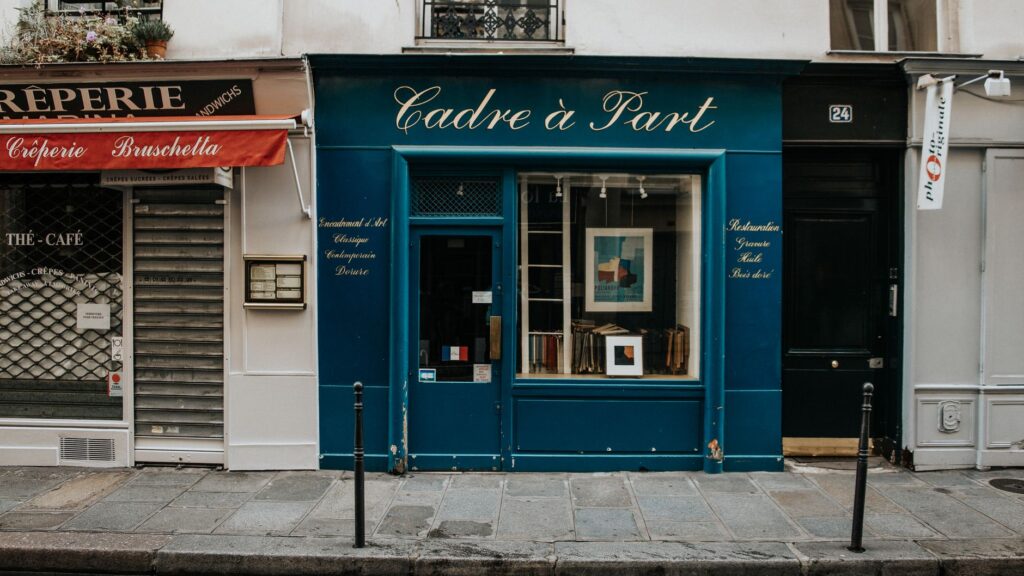
Strolling through the quieter streets of the eighteenth arrondissement reveals the endurance of a commercial fabric rooted in the French tradition of the corner shop. Artisanal bakeries, greengrocers offering carefully selected produce, and independent bookstores do not constitute mere commercial establishments, but rather nodal points of socialization where community cohesion is woven. These businesses sustain a human-scale economy against the homogenization imposed by large international chains. Local residents visit these spaces daily, establishing bonds of trust with shopkeepers that guarantee the survival of a consumption model based on proximity and the reduction of the transportation footprint for goods.
The vitality of a neighborhood is not measured by the number of visitors it attracts on a weekend, but by the ability of its inhabitants to greet one another by name when walking down to buy bread.
Nevertheless, soaring land prices and commercial rents threaten to displace this traditional fabric. In response, various community collectives promote initiatives for mutual support and conscious consumption, prioritizing local produce and organizing exchange markets that reinforce the district’s circular economy. Responsible management of public space thus becomes a tool for cultural survival, where every daily purchase decision acquires a political dimension aimed at keeping the residential spirit of the place alive.
Residential Architecture and Historical Heritage
The built landscape of the eighteenth arrondissement is distinguished by an architectural heterogeneity ranging from nineteenth-century masonry buildings to working-class housing blocks from the early twentieth century. Limestone facades, zinc roofs, and green interior courtyards configure an urban environment protected by municipal regulations that seek to safeguard the aesthetic coherence of the Parisian landscape. However, the conservation of these properties requires constant investment and a delicate balance between energy modernization and respect for original heritage elements. Property owners and resident associations frequently face the challenge of adapting old buildings to contemporary sustainability standards without altering the streetscape.
Unlike the more monumental central districts, the architecture of Montmartre retains a more intimate scale, marked by hidden passageways, staircases flanked by vegetation, and small workshops that once housed world-famous painters and poets. This artistic legacy is valued both for its historical weight and for its potential to inspire alternative models of urban management. Local authorities collaborate with citizen entities to catalog and protect those corners that escape conventional tourist circuits, ensuring that the built heritage continues to serve the community that inhabits it rather than merely casual visitors.
Urban Sustainability and Mobility Practices
Mobility in a territory with steep slopes such as Buttes-Montmartre presents unique logistical and environmental challenges. Public transportation, structured around underground metro stations and bus lines adapted to the local topography, remains indispensable for connecting the lower areas to the hill’s crests. In recent years, the municipality has promoted the pedestrianization of strategic segments and the expansion of bicycle lanes, although the terrain hinders the widespread use of bicycles on certain inclines. Faced with this limitation, walking remains the primary mode of displacement for residents, fostering a direct and unhurried relationship with the urban environment.
Concurrently, waste management and the energy efficiency of public buildings have become priorities for the district administration and environmental groups. Community composting programs have been implemented in squares and shared gardens, alongside initiatives to reduce water consumption in public green spaces. These measures aim to raise citizen awareness regarding the need to adopt more environmentally friendly lifestyles in a densely populated setting. Resident participation in supervising these policies ensures that implemented solutions respond to real community needs rather than purely bureaucratic criteria.
Green Spaces and Biodiversity on the Slope
Despite the high urban density characterizing much of Paris, the eighteenth arrondissement harbors valuable green lungs that act as refuges for biodiversity. Public gardens, tree-lined squares, and self-managed urban allotments offer residents spaces for recreation and direct contact with nature. Of particular note is the historic vineyard of Montmartre, a living reminder of the hill’s agricultural past cultivated through organic practices, with its yields destined for charitable and cultural purposes managed by the municipality.
These spaces not only beautify the urban landscape but also perform a crucial ecological function by mitigating the urban heat island effect and facilitating rainwater infiltration in heavily paved soil. Local environmental collectives organize educational workshops and citizen science activities to monitor bird fauna and native flora, involving neighborhood schools in environmental protection. The preservation of these natural enclaves demonstrates that maintaining functional ecosystems in the heart of a major European metropolis is possible when supported by a firm commitment from its inhabitants.
Daily Cultural Life and Neighborhood Associativism
The cultural wealth of Montmartre far transcends the postal clichés flooding international travel guides. Behind the crowded squares where street painters concentrate lies an intense associative life driven by neighborhood cultural centers, public libraries, and independent art studios. These institutions organize exhibitions, debates, and film screenings focused on social and environmental issues, fostering critical thinking and civic participation. Associativism acts as the social glue binding different generations and backgrounds in a district characterized by demographic diversity.
The living culture of a neighborhood resides in its community centers and proximity libraries, where knowledge is shared without intermediaries or profit motives.
Neighborhood workshops and self-managed spaces allow residents to actively participate in shaping the local cultural agenda, steering away from massive events geared exclusively toward tourist consumption. This cultural self-management reinforces the sense of belonging and helps mitigate the effects of gentrification, offering accessible leisure alternatives for all sectors of the population. The collective memory of the district, nourished by past social struggles and daily creativity, continues to guide the decisions of a community determined not to become a mere urban backdrop.
Practical guide
How to get there: The eighteenth arrondissement of Paris boasts excellent public transportation connections. Metro lines 2, 4, and 12 effectively link various points of the sector, with notable stations including Abbesses, Anvers, and Pigalle. Additionally, several bus lines traverse the slopes of the hill.
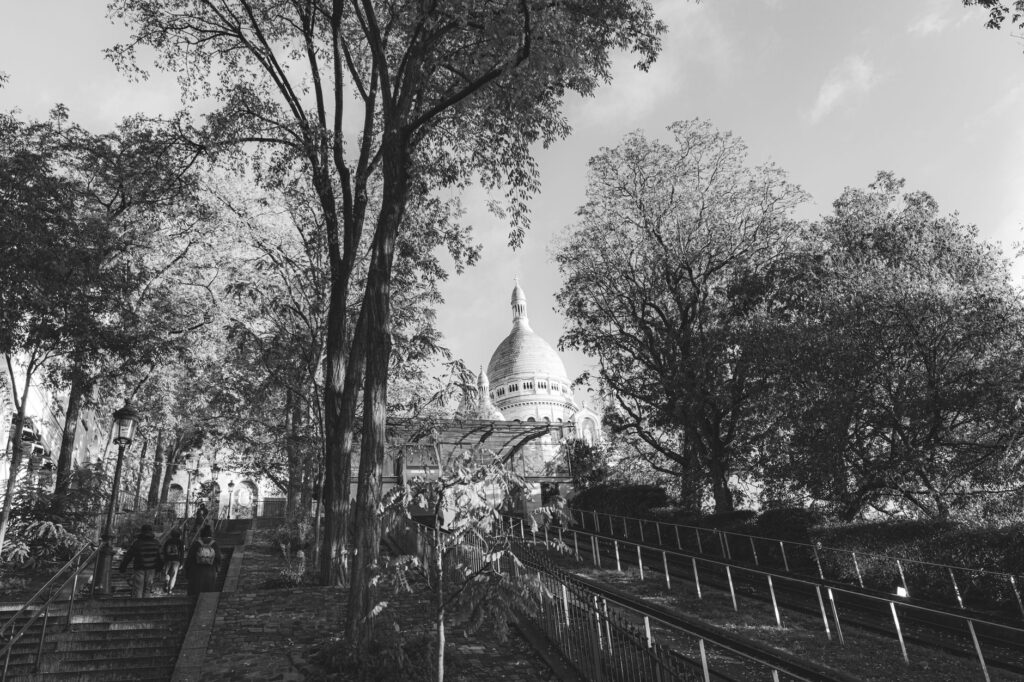
When to visit: Any time of year is suitable for experiencing the daily life of the district, though spring and autumn offer more pleasant temperatures for walking its steep streets and enjoying its green spaces without excessive crowds.
Accommodation: It is recommended to prioritize small independent hotels or regulated tourist apartments that comply with municipal regulations, contributing to a more balanced distribution of traveler expenditure in the neighborhood.
Gastronomy and shopping: Support proximity commerce by shopping at traditional bakeries and local markets in the area. Avoid establishments overly focused on mass tourism to enjoy an authentic and sustainable gastronomic experience.
Etiquette and rules: Respect the rest of local residents, especially in quiet residential zones and less crowded staircases. Use designated recycling bins and avoid unnecessary single-use plastics during your stay.
Final Reflection on the Future of the Urban Landscape
The future of such unique historical spaces depends largely on the capacity for dialogue between public administrations, permanent residents, and responsible visitors. The preservation of local identity does not imply isolation from the outside world, but rather the creation of frameworks for coexistence where tourist activity does not suffocate the basic needs of the host community. The decisions made today regarding commercial regulation, environmental protection, and housing access will set the standard for the kind of city we wish to bequeath to future generations. Ultimately, the true value of this Parisian corner resides in its people, their shared memory, and the daily effort to keep an authentic and resilient neighborhood pulse alive.