
Lower Hutt, New Zealand: The River Valley and Community Identity Shaping Daily Life
Origins and Geography of the Te Awakairangi Valley
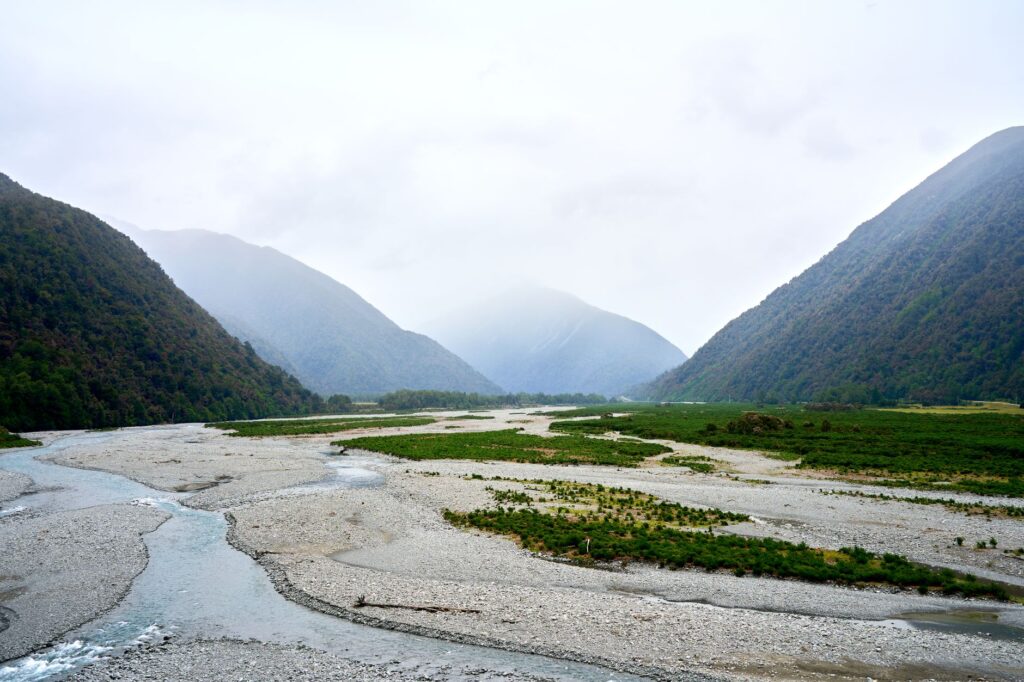
The territory that now forms Lower Hutt, known ancestrally as Te Awakairangi in the Māori language, stretches along the fertile banks of the Hutt River in the Wellington region of New Zealand. This river basin has determined human settlement and the agricultural development of its communities for centuries, offering a natural refuge sheltered by rolling hills and open toward the currents of Wellington Harbour. The topography of the valley has conditioned a measured urban growth, where the relationship with water and fertile soil continues to define the idiosyncrasy of its inhabitants.
Unlike the accelerated pace of large northern hemisphere metropolises, Lower Hutt maintains a tempo marked by estuarine tides and seasonal shifts in native vegetation. Local residents interact daily with an environment where open spaces and riverside parks act as intergenerational meeting points. This bond with the surrounding geography fosters a profound awareness of natural environment conservation and respect for the ecological cycles that sustain local biodiversity.
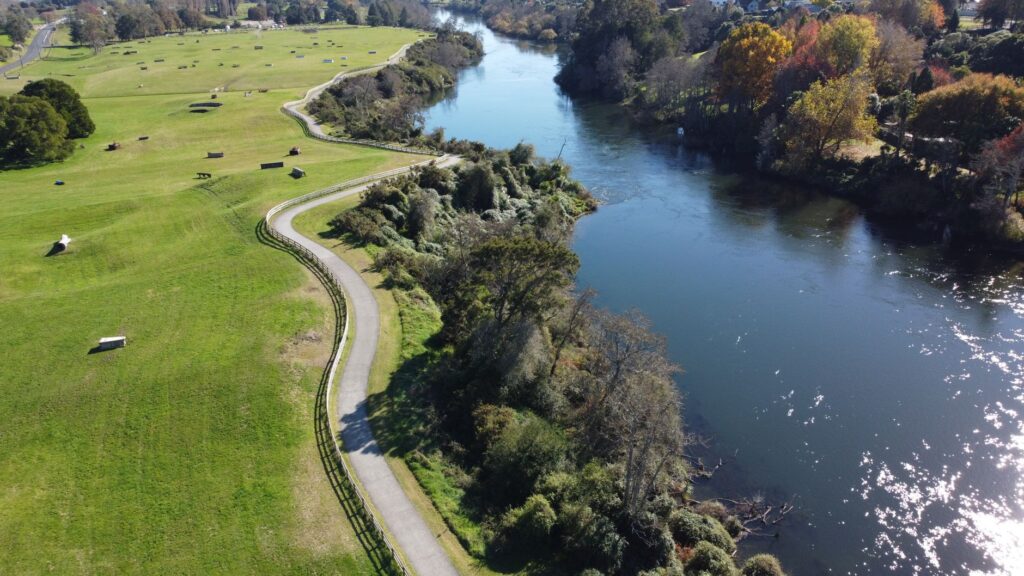
The geographical layout of the municipality favors connectivity between the various residential neighborhoods and the protected natural areas bordering the valley. Hiking trails and riverside paths allow citizens and visitors to immerse themselves in landscapes where human intervention integrates harmoniously with native vegetation. This balance between urban development and the preservation of the river landscape results from spatial planning policies prioritizing long-term environmental sustainability and the protection of natural resources against the pressures of modern urbanization.
Cultural Heritage and Māori Memory in Daily Life
The presence of Māori culture in Lower Hutt permeates every corner of the social fabric, from traditional toponyms to contemporary community practices. Te Awakairangi is not merely a historical designation, but a living reminder of stewardship or kaitiakitanga, the traditional principle of environmental guardianship guiding the city’s urban planning and sustainable development decisions. Cultural centers and community gathering spaces foster the exchange of ancestral knowledge, allowing new generations to maintain a fluid dialogue with their roots.
This heritage also manifests in urban architecture and the layout of public spaces, designed to favor harmonious coexistence and collective well-being. Neighborhood initiatives promote urban gardens and the recovery of native plant species, consolidating a collaboration network that transcends administrative boundaries. Historical memory is thus preserved not only in official archives, but in the hands of those who work the land and tend the river channels.
Local artistic expressions, including public murals and sculptures inspired by Māori mythology, narrate the valley’s history and recall the importance of maintaining a respectful relationship with the environment. These cultural manifestations enrich the urban space and offer visitors a deeper perspective on New Zealand’s collective identity, where tradition and modernity converge in the daily routines of its communities.
Neighborhood Life and Proximity Commerce
Walking through the residential neighborhoods of Lower Hutt reveals an urban fabric where local commerce and farmers’ markets play a fundamental role in everyday economics. Small establishments, artisanal bakeries, and independent bookstores act as neuralgic centers of social life, where the exchange of local news forms an inescapable part of the morning routine. The preference for proximity consumption reinforces economic resilience in the face of global fluctuations.
Neighborhood associations regularly organize workshops and exchange fairs, consolidating a mutual support network that strengthens the community’s social fabric. This attention to human scale in neighborhood design allows residents to enjoy a secure, accessible environment conducive to walking or cycling. The result is a model of coexistence where the anonymity of large cities gives way to daily recognition among neighbors.

The commercial dynamism of neighborhood centers is complemented by areas dedicated to artistic creation and independent design, fostering local talent and offering products manufactured with sustainability criteria. This network of small businesses helps keep the main streets of each district alive, preventing commercial homogenization and ensuring that the singular identity of each neighborhood endures over time.
Green Spaces and River Ecosystem Conservation
The Hutt River and its surroundings constitute an ecological corridor of vital importance for the fauna and flora of the Wellington region. Local authorities and diverse citizen groups collaborate in ongoing programs of riparian reforestation and channel cleanup, ensuring the protection of native bird species such as the tui and kereru. These natural spaces not only offer opportunities for recreation and outdoor sports, but act as open classrooms for the environmental education of younger generations.
The trails winding along the riverbanks invite leisurely contemplation, allowing visitors and residents to connect with the biological rhythms of the basin. The integration of these green corridors within the urban grid demonstrates a firm commitment to sustainability and the preservation of water resources for future generations.
In addition to their ecological value, the riverbanks function as a natural dyke for containment and hydrological regulation, requiring rigorous management of land use in surrounding areas. Maintenance and ecological restoration efforts involve volunteers of all ages, reinforcing a sense of belonging and shared responsibility in caring for the natural habitat.
Local Gastronomy and South Pacific Flavors
The culinary proposal of Lower Hutt reflects the cultural diversity of its inhabitants and the natural wealth of New Zealand. In local restaurants and cafes, seasonal ingredients sourced from regional gardens combine with traditional techniques and modern international influences. Respect for fresh, locally sourced produce is a constant in the area’s cuisine, where coastal fish and valley-grown vegetables occupy a central place on menus.
Weekend markets offer a tangible display of this gastronomic identity, allowing consumers to acquire artisanal honey, farm cheeses, and orchard fruits grown in the protected microclimates of the valley directly from local producers. This direct relationship between producer and consumer enriches the culinary experience and fosters a model of conscious and responsible eating.
The gastronomic offer also includes proposals inspired by traditional Māori cuisine, such as the use of earth oven cooking methods or hāngī during specific community celebrations, allowing diners to delve into the region’s ancestral flavors within a context of cultural respect and food sustainability.

Architecture, Urban Design, and Livability
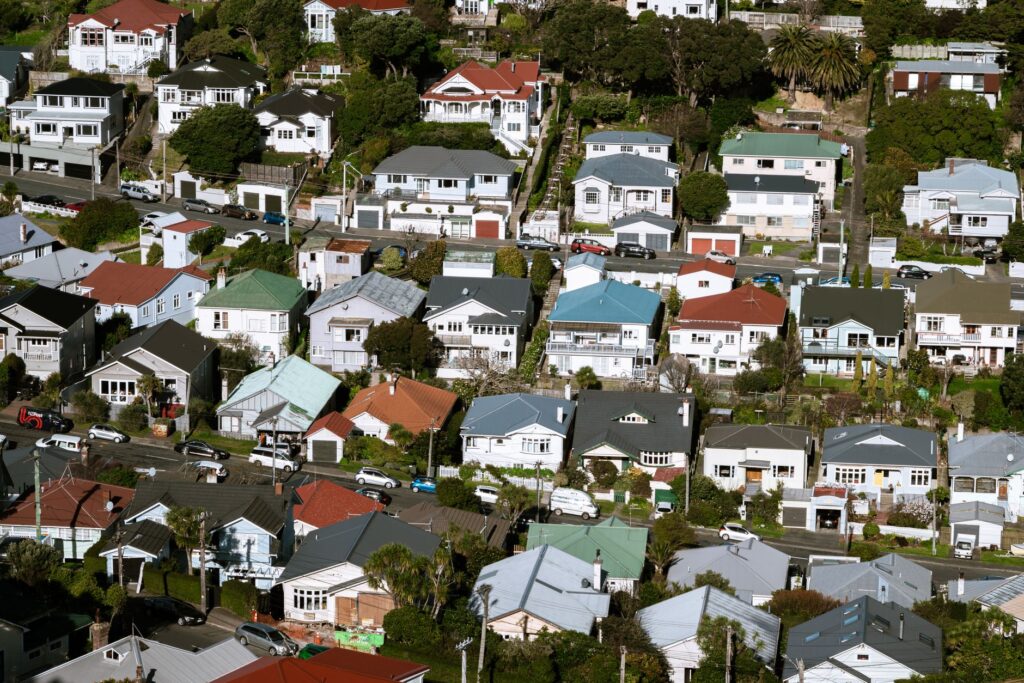
The architectural landscape of Lower Hutt combines mid-20th-century buildings with contemporary urban developments oriented toward energy efficiency and landscape integration. Municipal planning prioritizes the creation of pedestrian zones and the optimization of public transport, reducing dependence on private vehicles and improving air quality in commercial hubs.
This focus on urban livability translates into neighborhoods where building scale respects the horizontality of the valley, allowing natural light and views toward the surrounding hills to remain accessible from public space. Street furniture and community signage are designed with universal accessibility criteria, guaranteeing that all citizens can move about with autonomy and safety.
Recent urban interventions incorporate locally sourced construction materials and technologies aimed at reducing the carbon footprint, consolidating a city model that values both housing comfort and the protection of the built and natural environment.
Practical Guide
Getting there: Lower Hutt is located minutes away by train or vehicle from Wellington, with frequent connections via the metropolitan railway network. Wellington International Airport serves as the primary air gateway for international travelers.
When to visit: Spring months (September to November) and summer (December to February) offer mild temperatures and optimal conditions for exploring natural trails and enjoying outdoor markets.
Travel recommendations: Comfortable footwear is advised for exploring riverside parks and hill trails on foot. It is essential to respect local environmental conservation regulations and follow instructions on informative signage in protected ecological areas.
Conclusion and Final Reflection on Conscious Travel
Exploring Lower Hutt invites a reconsideration of the purpose of contemporary travel, moving away from mass-marketed routes to seek a deeper understanding of local life and its surroundings. The harmony between Māori heritage, respect for river ecosystems, and solid community cohesion makes this corner of New Zealand an inspiring example of balanced development. A tangible reminder that a destination’s true wealth lies in the quality of its daily life and the conscious care of its natural and human heritage.