
The Breeze of the Sea of Oman and Early Morning Markets
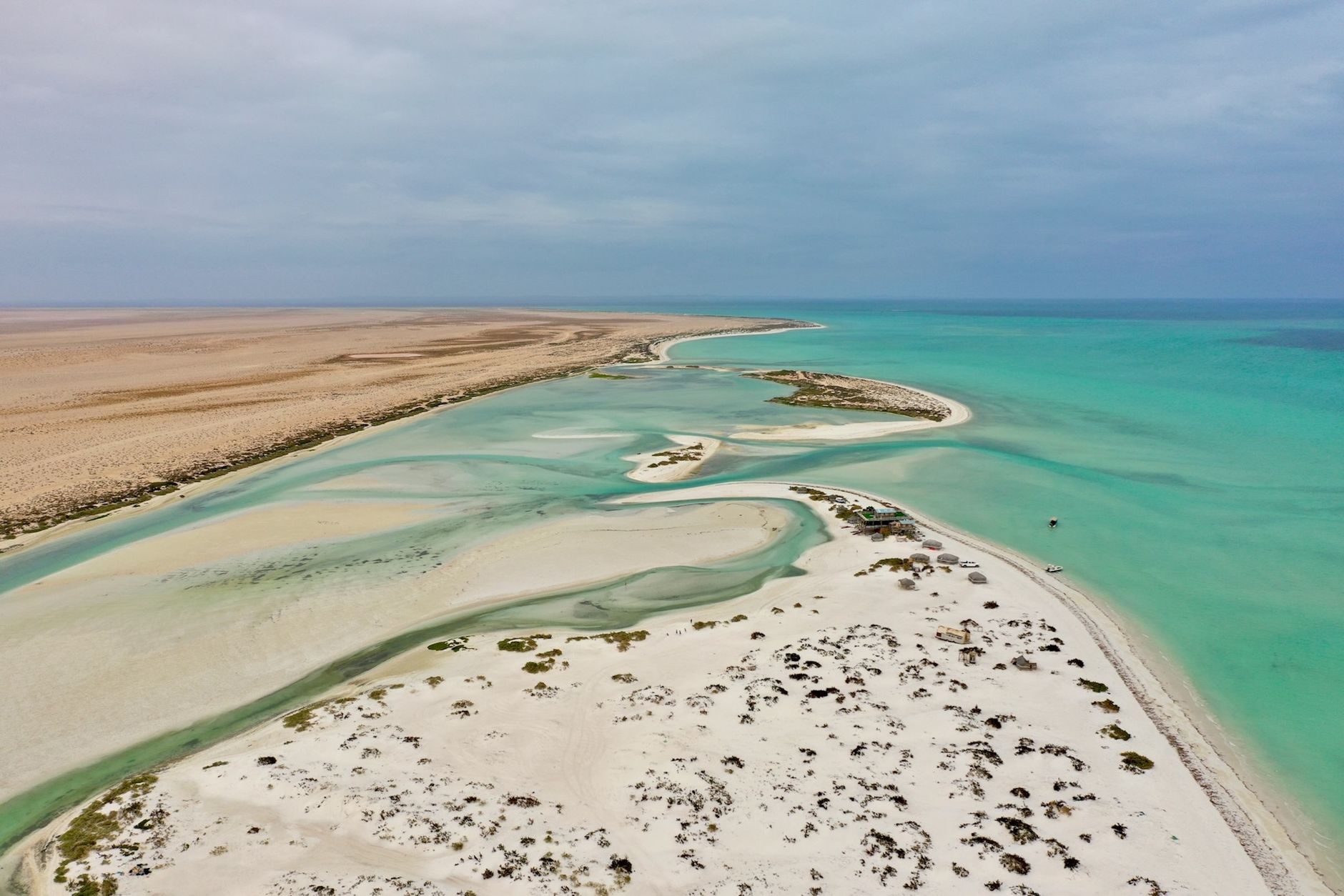
In the early hours of dawn, before the sun heats the coastal plains of the Sultanate of Oman, the town of Qurayyat begins to stir to the rhythm of the tides and the comings and goings of fishing boats. Located within the Muscat Governorate, this community of over sixty thousand residents maintains a close bond with both the sea and the inland agricultural plots. Here, daily cooking relies neither on elaborate artifice nor complex menus; instead, it rests upon the freshness of local produce, household rituals, and a pantry handed down through generations that bridges marine resources with the fruits of date palm groves.
The central market and small stalls scattered near the coast form the true social heart of the community. Commercial transactions unfold at a leisurely pace, punctuated by traditional greetings and the careful inspection of freshly caught fish. Purchasing seafood in Qurayyat requires an understanding of the species inhabiting these waters, ranging from tuna to smaller varieties used for spiced broths and local preparations. Neighborhood routines revolve around these morning purchases, where residents exchange news, assess sea conditions, and select ingredients for the family midday meal.
The Influence of the Sea on the Everyday Cooking Pot
The diet in this coastal area of Oman inevitably revolves around the bounty of the sea. Local fishermen set out using techniques passed down for centuries, respecting natural cycles and the unspoken conservation limits imposed by community common sense. Upon returning to the shore, the catch is received by family members and merchants who quickly transport it to market stalls or directly to home kitchens. Unlike large urban centers where consumption is mediated by complex distribution chains, in Qurayyat the journey from water to table is measured in hours.
Culinary preparations prioritize the preservation of original flavors. Fish is commonly grilled over coals, lightly seasoned with local spice blends including turmeric, cumin, and coriander, or incorporated into rice stews flavored with cardamom and cloves. These recipes do not seek to mask the flavor of the sea, but rather to enhance it through the prudent use of spices that reached the Omani coast via ancient maritime trade routes. Rice, traditionally imported through commerce with the Indian subcontinent and other regions of the Indian Ocean, serves as the essential base accompanying every main dish.
Oases and Inland Agriculture: The Agricultural Counterpoint
A few kilometers inland, the landscape of Qurayyat shifts in tone thanks to traditional irrigation systems and small oases where date palms, lemons, and seasonal vegetables thrive. This irrigated agriculture, sustained by springs and underground channels, provides the plant-based elements that balance a diet otherwise centered on seafood. Dates, in their numerous varieties, act not only as an immediate energy source but are also incorporated into various dishes and served alongside Omani coffee as a gesture of hospitality.
The agricultural market reflects the seasonality of the region’s arid and semi-arid climate. During cooler months, local plots yield onions, tomatoes, and aromatic herbs consumed fresh or added to soups and stews. Labor in these gardens requires profound knowledge of water management, a precious commodity throughout Omani territory. Local farmers organize irrigation communally, ensuring each plot receives the precise proportion needed to sustain crops against high summer temperatures.
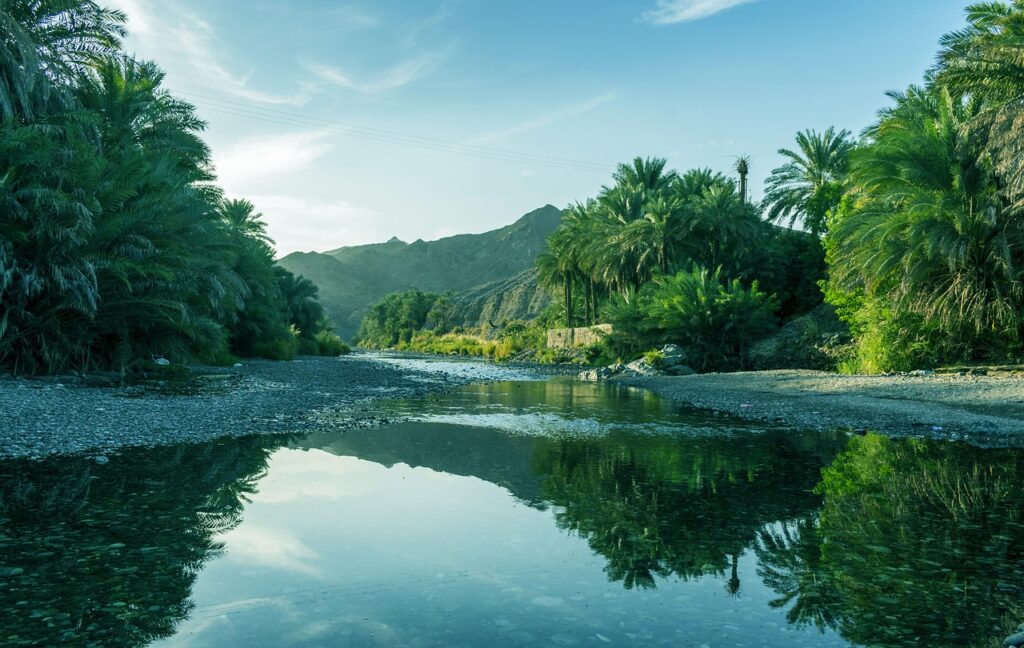
The cuisine of Qurayyat is a faithful reflection of its geography: a coastal strip where the open sea is in permanent dialogue with the protective shade of the palm groves.
The Coffee Ritual and Public Gathering Spaces
No description of daily life in Qurayyat would be complete without noting the central role occupied by Omani coffee, known as qahwa, always accompanied by fresh or dried dates. This infusion, brewed from lightly roasted beans flavored with cardamom, is served in small handleless cups during neighborhood visits, family gatherings, and market negotiations. It stands as an undisputed symbol of welcome and mutual respect that structures social relations within the town.
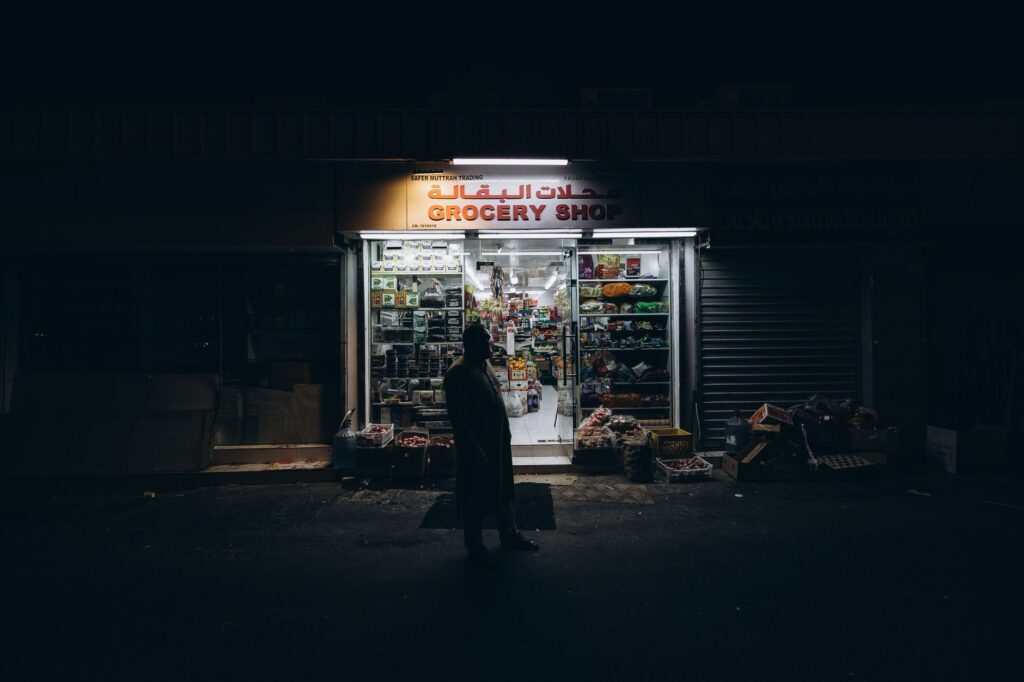
Public gathering spaces, from small grocery shops to common areas near the markets, function as points of information and cultural exchange. In these spots, veteran residents share stories regarding municipal transformations, the most bountiful fishing seasons of the past, and agricultural techniques that have allowed survival in a demanding environment. For the respectful visitor, observing and participating in these conversations offers a privileged window into the true identity of the community, far removed from mass tourism circuits.
Architectural Memory and Heritage Routes
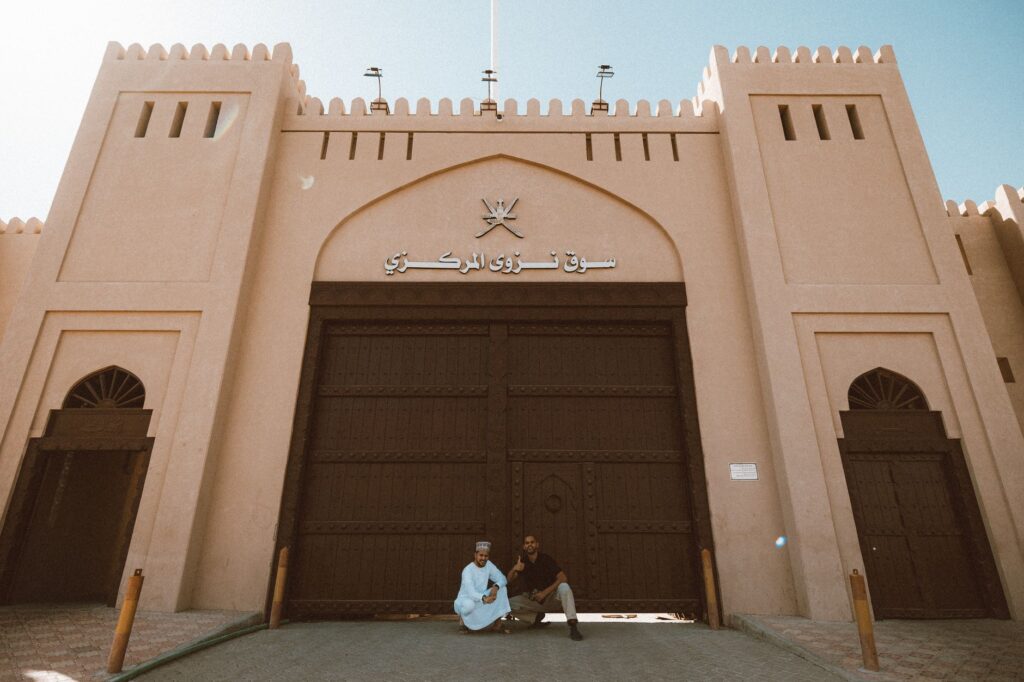
The architectural heritage of Qurayyat tells the story of a settlement that has learned to protect itself and adapt to its natural surroundings over centuries. Watchtowers, ancient defensive walls, and traditional dwellings built from adobe and palm trunks create an urban landscape of high historical value. These structures are not static monuments, but elements integrated into the daily life of older neighborhoods, where residents continue to inhabit homes restored with respect for original materials.
Walking through the inner streets of the town reveals the defensive and climatic layout of traditional architecture. Narrow alleyways generate cool breezes and provide shade during peak hours of sunlight, while inner courtyards act as thermal regulators for homes. The preservation of this architectural heritage depends largely on the commitment of local owners and cultural authorities, who promote its maintenance as a living testimony of human adaptation to Oman’s coastal and desert climate.
Contemporary Challenges in Territory Management
Like many growing coastal towns, Qurayyat faces the challenge of balancing urban development with the preservation of its traditional identity and fragile ecosystems. The arrival of new road infrastructure has improved connectivity with the capital, facilitating trade while raising questions about real estate pressure and sustainable water resource management. The local community, conscious of these shifts, constantly debates the necessity of protecting historical gardens and artisanal fishing zones against uncontrolled expansion.
Responsible decisions by visitors play a significant role in this equilibrium. Low-impact tourism, respectful of local customs and focused on the leisurely observation of natural and cultural heritage, generates complementary income for families without altering the daily rhythm of the municipality. Supporting local markets, purchasing artisanal goods directly from creators, and observing etiquette regarding dress and conduct are recommended practices for any traveler seeking to approach this reality with sensitivity.
Sustainable Consumption Practices in the Local Environment
Respect for the natural and social environment in Qurayyat translates into concrete daily habits that travelers can observe and adopt during their stay. Comprehensive food utilization, the reduction of single-use plastics, and respect for seabird nesting grounds along the coast exemplify how the community cares for its territory. Local authorities promote environmental awareness campaigns directed at residents and temporary visitors alike.
In the culinary realm, the emphasis on local sourcing reduces the carbon footprint associated with transport and ensures economic value remains within the community. Restaurants and food stalls operating in the area typically source from the daily market, ensuring every served dish tells a story directly tied to the labor of regional fishermen and farmers.
Practical guide
How to get there: Qurayyat is located a short distance southeast of Muscat, the capital of Oman. It is easily accessible by private vehicle or intercity road transport services via the coastal highway.
Best time to visit: The months between November and March offer milder, more pleasant temperatures, ideal for exploring markets and taking walks along the coast and oases.
Accommodation: Hotel options include small local establishments and traditional guesthouses in the surrounding area, fostering an authentic stay integrated into the community environment.
Recommended gastronomy: Fresh grilled fish, spiced rice dishes with traditional influences, and local dates paired with cardamom-infused Omani coffee.
Code of conduct: Dress modestly by covering shoulders and knees, ask permission before photographing individuals in markets, and respect private spaces of worship and residence.
Responsible shopping: Purchase spices, dates, and handicrafts directly from local stalls to support the economy of small regional producers.
Final Reflection on Coastal Identity
The experience of exploring Qurayyat leaves a lasting impression of authenticity and deep-rootedness. Far from standardized tourism circuits, this Omani town demonstrates that it is possible to sustain a way of life where respect for the sea, the land, and the community continues to guide daily choices. Sitting down to share a plate of fresh fish and a cup of cardamom-scented coffee, the traveler realizes that the true wealth of a place lies in the generosity of its people and the persistence of their everyday traditions.