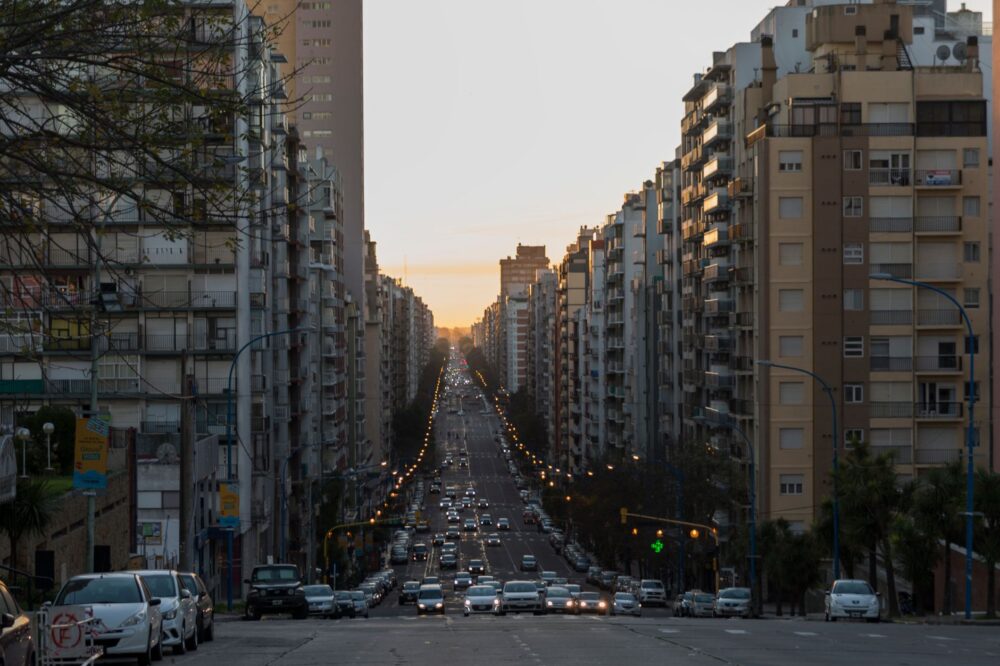

In the Canadian city of Markham, located within the York region of the province of Ontario, daily cooking is explained not through elaborate celebratory banquets, but via a persistent network of farmers’ markets, family farms, and local larders that supply diverse communities. With a population exceeding three hundred and thirty thousand residents, this municipality combines a solid agricultural foundation with a multicultural melting pot where food traditions from around the world coexist. Here, daily shopping is organized among stalls of seasonal vegetables, bakeries, and small shops that transform fresh ingredients into comforting routines. Residents navigate streets and avenues where the origin of produce matters as much as its preparation. From vegetables grown in southern Ontario soils to imported specialties adapted by generations of neighbors from distant latitudes, the local table reflects a geography in constant dialogue. Cooking here implies understanding the seasons, respecting planting cycles, and recognizing the value of agricultural work that sustains the community’s urban life across neighborhoods.
Markham’s food pulse draws sustenance from both its rural memory and its metropolitan present. Walking through commercial districts and residential sectors, one discovers how deeply the connection with the land runs. The transition from agricultural roots to modern suburban growth has not erased the presence of local producers. Instead, it has fostered a dynamic where traditional Canadian harvest practices meet global culinary influences. The municipality acts as a bridge between the vast agricultural expanses of the province and the bustling rhythm of metropolitan living, ensuring that every meal tells a story of place, climate, and community effort.
The Ontario Orchard as a Starting Point
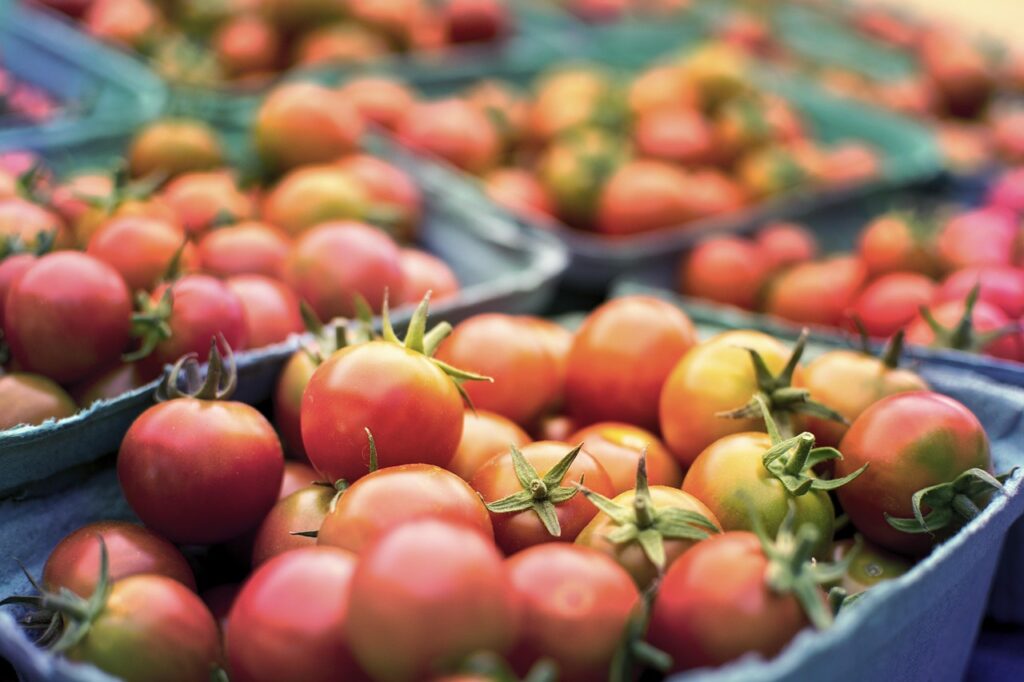
The foundation of any everyday dish in Markham begins in the surrounding fields of southern Ontario. Just minutes away from residential and commercial zones, family-run farms cultivate a variety of produce that varies radically according to the climatic calendar. During the warm months, street stalls and farmers’ markets fill with sweet corn, pumpkins, low-bush tomatoes, and leafy greens arriving straight from the earth to the counter. This close bond with local agriculture fosters a seasonal cuisine where ingredients require little complex manipulation to stand out. Home cooks and small local restaurateurs plan their daily menus based on what the land offers at any given moment. This reliance on regional harvest not only guarantees freshness but also reinforces a sense of territorial belonging that distinguishes the city from other large urban centers in the province.
Agricultural production in this part of Canada depends heavily on the careful stewardship of fertile soils and favorable climatic conditions during spring and summer. Growers maintain traditional crop rotation techniques while adapting to modern demands for sustainable practices. When shoppers select produce at local stands, they participate in an unbroken chain of seasonal eating that connects urban households directly with rural labor. The availability of fresh root vegetables in autumn and crisp greens in summer dictates the rhythm of domestic kitchens, anchoring residents in the natural cycle of the local ecosystem.
Bread and Flour: Heritage of Early Settlers
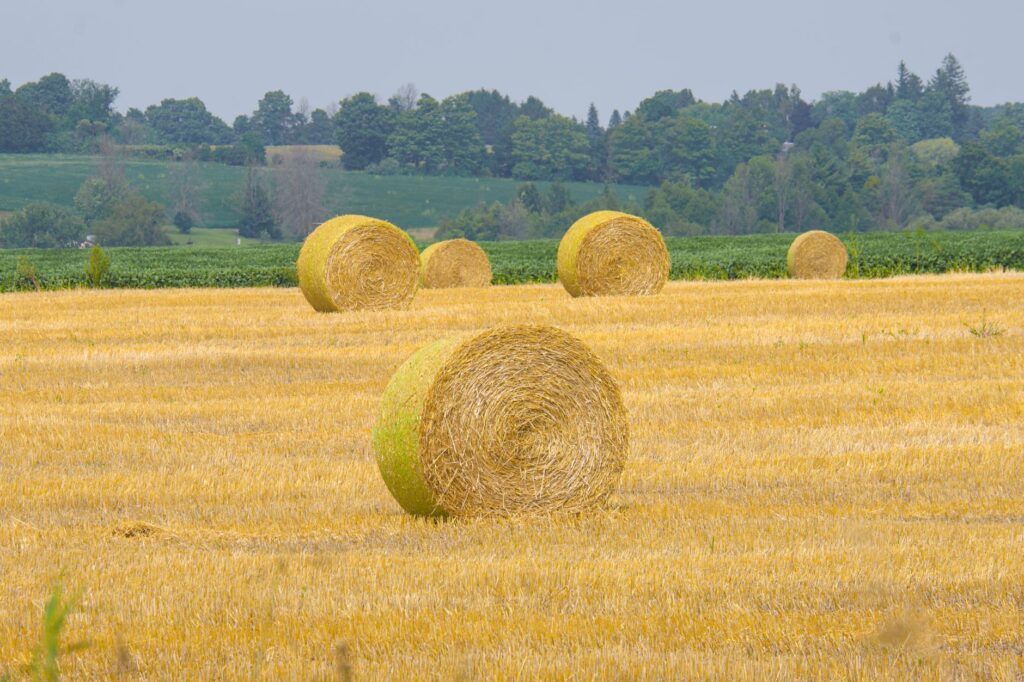
Among the most deeply rooted elements in Markham’s historical memory is the tradition of artisanal baking. Although today the gastronomic offering has diversified with Asian, European, and Latin American bakeries, bread made with local flours continues to occupy a central place in many larders. Neighborhood ovens operate under traditional methods, using grains grown in the region to produce loaves with crunchy crusts and dense crumbs. This respect for grain translates into a variety of baked goods that accompany main meals or serve as a base for simple preparations. Local butter, made with milk from farms in the York area, complements these pieces of bread in an everyday pairing that has remained almost unchanged for decades, surviving the fast pace of urban modernization.
The craft of milling and baking reflects a heritage passed down through generations of settlers who cleared the land and planted wheat across the fertile plains of Ontario. Contemporary bakers honor this lineage by sourcing grains from nearby agricultural cooperatives, ensuring that the staff of life retains its authentic regional character. Families often gather on weekend mornings to acquire freshly baked loaves, maintaining a domestic ritual that bridges past history with present-day neighborhood life.
Everyday cooking in Markham is the result of combining the patience of Ontario’s agricultural land with the daily effort of its neighborhood markets.
Food Markets and Cultural Diversity
Markham’s commercial landscape stands out for the coexistence of traditional Canadian markets and vast commercial complexes specialized in Asian goods. This duality turns the routine of grocery shopping into an exercise in cultural exploration. In the same neighborhood, it is possible to acquire pure maple syrup from Canadian forests and, a few meters away, select fresh spices, imported teas, or oriental vegetables difficult to find elsewhere. Local grocers play a fundamental role in this machinery. They are the ones who advise on the exact ripeness of a fruit, suggest suitable meat cuts for winter stews, or explain the origin of a new variety of vegetable arriving from another province. This relationship of trust between buyer and seller keeps the social fabric of the neighborhoods alive, turning the market into much more than a simple economic transaction point.

Navigating these bustling market halls reveals a remarkable synthesis of global flavors adapted to the Canadian context. Shoppers move effortlessly between aisles stocked with familiar North American staples and shelves featuring specialized ingredients from East Asia and beyond. This vibrant exchange of culinary knowledge happens organically across checkout counters and produce displays. Visitors observing this daily routine witness a community defined not by cultural division, but by a shared appreciation for fresh, high-quality ingredients sourced through local merchant networks.
The Sweetness of Maple in the Family Larder
No analysis of Markham’s pantry would be complete without mentioning the impact of maple syrup on home cooking. Although sap collection occurs primarily in forests situated further north or in specific rural areas of Ontario, its presence on local tables remains constant throughout the year. It is used not only to sweeten traditional desserts but also as an ingredient in meat marinades and vinaigrettes for leafy salads. This product represents a direct connection with Canadian forests and an extraction technique inherited from indigenous communities and perfected by early settlers. Its dense, amber flavor brings a characteristic note that defines regional culinary identity, reminding inhabitants of the natural environment surrounding the city limits.
The ritual of incorporating maple syrup into everyday meals speaks to a broader respect for Canada’s natural resources. Home cooks value the versatility of this liquid sweetener, employing it to balance savory dishes or elevate simple weeknight dinners. By choosing locally produced syrups over refined industrial alternatives, residents support sustainable forestry practices that protect maple groves across the province for future generations.
Sauces, Broths, and the Asian Pantry
The significant presence of Asian-origin communities in Markham has profoundly transformed how home cooking is understood in the municipality. Broths simmered slowly with bones, ginger, and scallions form part of regular preparations in thousands of households during the cold months. Similarly, fermented soybean sauces, toasted sesame oil, and chili pastes have integrated naturally into local cupboards. This silent fusion does not respond to passing gastronomic trends, but to the daily coexistence of families sharing urban spaces, schools, and parks. Everyday cooking draws nourishment from this exchange, giving rise to a plural table where western and oriental flavors coexist smoothly, enriching the community’s daily diet.
The availability of specialized Asian ingredients in local supermarkets and specialty shops has expanded the repertoire of home cooks across all backgrounds. Preparing a weekly meal often involves combining traditional Canadian root vegetables with aromatic herbs and sauces imported or locally manufactured according to heritage recipes. This culinary integration fosters mutual understanding among neighbors, as shared recipes and cooking tips are exchanged across backyard fences and community center kitchens.
Commitment to Local Sustainability
In recent years, both municipal authorities and residents themselves have promoted initiatives aimed at reducing the carbon footprint associated with food transport. Encouraging the consumption of produce grown within the boundaries of the York region has become a conscious decision prioritizing the viability of small family farms over exclusive reliance on mass distribution chains. Farmers’ markets operating during weekends in public spaces in Markham have established themselves as essential platforms for this model. In them, consumers can talk directly with producers, learn about the agricultural practices used, and purchase food harvested just hours before, thus guaranteeing a more transparent and sustainable food system.
This grassroots approach to sustainability empowers citizens to make informed choices about what they put on their tables. By supporting agricultural operations close to home, residents help preserve green spaces and agricultural zoning against the pressures of urban sprawl. The collective preference for short supply chains reinforces the economic resilience of regional farmers while ensuring that future generations will continue to enjoy fresh, locally grown food.

Connecting what is grown in the Ontario countryside with what is cooked in each home is the true engine of local food identity.
Practical guide
For visitors interested in understanding the culinary and everyday reality of Markham, planning should focus on its traditional markets and commercial areas rather than conventional tourist circuits. The city is located northeast of Toronto and is accessible via the GO Transit regional transportation system or by car via major highways connecting southern Ontario. Climate plays a decisive role when planning the visit. Summer and autumn months offer peak activity in outdoor farmers’ markets, where fresh seasonal produce can be purchased. During winter, gastronomic life moves to indoor markets and specialized establishments, where comforting broths, traditional soups, and baked goods predominate.
It is recommended to explore the commercial districts of Unionville and areas of high retail concentration along major roadways like Highway 7 to observe the diversity of grocery stores and family-run restaurants. Respecting local hours, supporting small producers at farmers’ markets, and maintaining an open attitude toward the city’s multicultural variety are the best tools for enjoying this experience. Visitors should prioritize walking through neighborhood commercial hubs and engaging respectfully with local vendors to gain a genuine appreciation of the community’s daily rhythms.
The best way to conclude the journey through Markham is to watch how the twilight light illuminates residential streets and the last stalls of local markets, as families return home carrying paper bags holding crusty bread, fresh vegetables, and the promise of a simple dinner prepared with the fruits of the Canadian land.