
The Historical Silhouette of a City in the Netherlands
Located in the province of Overijssel, the Dutch city of Zwolle unfolds across a territory characterized by star-shaped canals and a robust tradition of river and land trade. Unlike other European metropolises focused exclusively on mass tourism, this enclave of more than one hundred and twenty-nine thousand inhabitants has successfully preserved its human scale. The exposed brick facades, Gothic bell towers, and ancient bridges do not function merely as museum pieces, but as the everyday stage where the lives of its residents unfold.
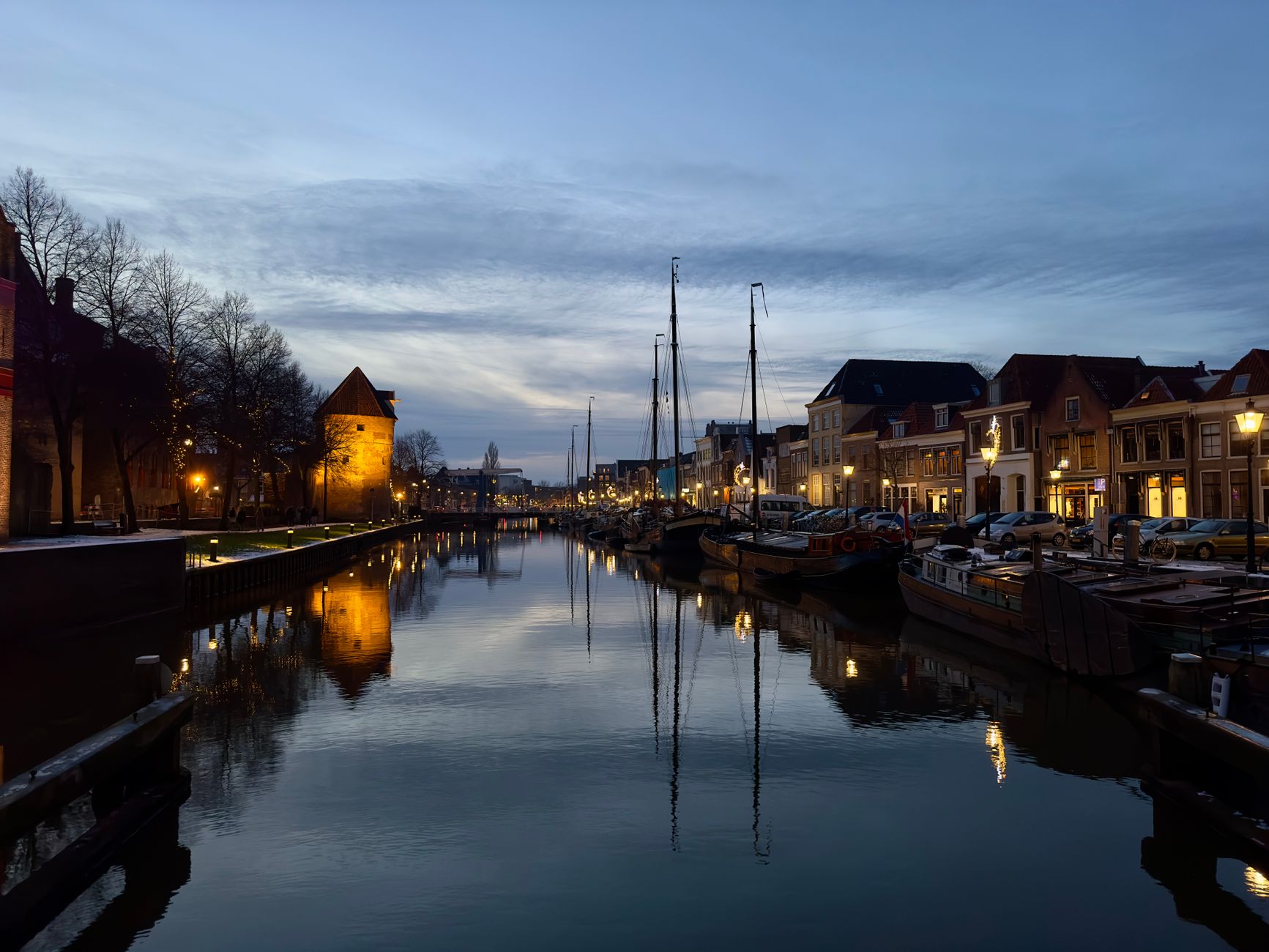
The urban layout responds to centuries of transformations where water has played a decisive role. The perimeter canals delineate the historic core and act as ecological corridors connecting public spaces with peripheral residential neighborhoods. Walking through its streets provides an understanding of how contemporary urbanism in the Netherlands integrates heritage conservation with sustainable mobility priorities, favoring pedestrian transit and the widespread use of bicycles.
The Commercial Pulse and the Architecture of Markets
The traditional economic activity of Zwolle finds its ultimate expression in local markets and the squares dotting the old town. From the Grote Markt to small interior courtyards, neighborhood commerce defines the daily pulse of the community. Local shopkeepers and artisans maintain close ties with producers from the surrounding region, ensuring a short supply chain that minimizes environmental impact and fosters a circular economy.
This commercial fabric relies on unique commercial architecture, where former converted warehouses house bookstores, cultural cafes, and independent design workshops. The adaptation of these public spaces demonstrates that urban sustainability also involves recycling built heritage rather than consuming new land. Citizens actively participate in municipal decision-making regarding the use of public space, consolidating a model of coexistence based on mutual respect and the preservation of collective memory.
Daily Life Among Canals and Green Spaces
Routine in Zwolle moves at a leisurely yet steady pace. Mornings begin with the flow of cyclists crossing bridges toward schools and offices, while central cafes open their doors with artisan pastries made from local ingredients. Urban parks, such as Potgieterssingel, offer natural refuge and connect historic neighborhoods with more modern residential zones built over recent decades.
Neighborly coexistence is nourished by community initiatives aimed at environmental care. Urban gardens and goods-exchange markets reflect a collective mindset where responsible consumption is not a passing trend, but a value rooted in local culture. Visitors arriving in the city quickly discover that Dutch hospitality here is expressed through visual order, clean streets, and an open willingness to share public space.
The true identity of a city does not lie in its most photographed monuments, but in the way its inhabitants care for every corner of their shared home.
Religious and Cultural Heritage as a Civic Axis
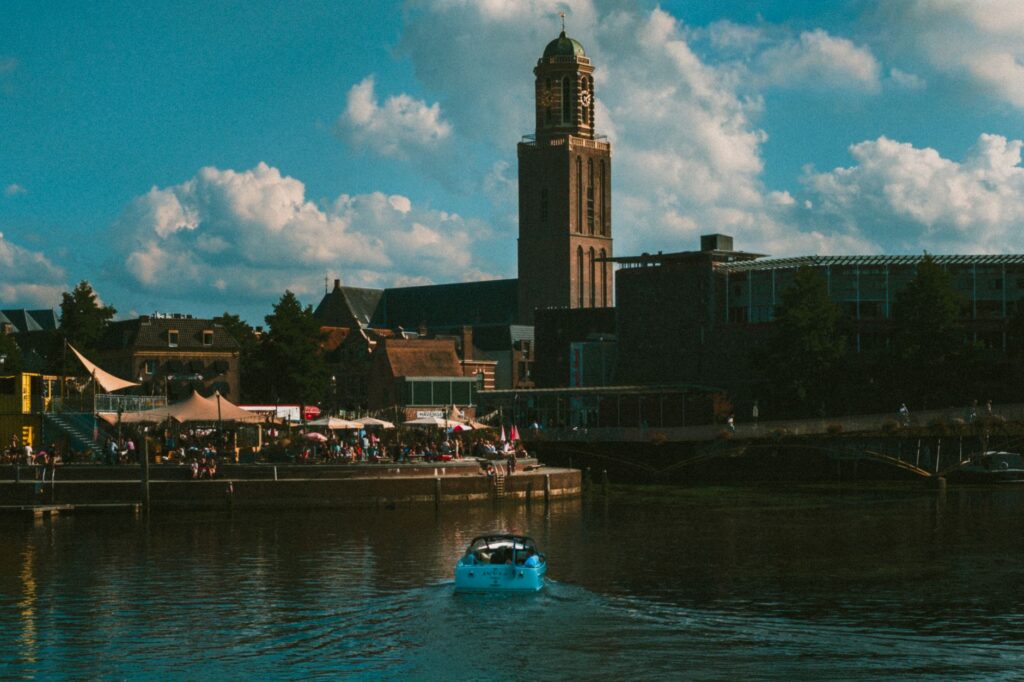
The architectural heritage of Zwolle stands out for emblematic buildings such as the impressive Saint Michael’s Church and the famous Sassenpoort tower, one of the few surviving medieval town gates in the Netherlands. These monuments not only bear witness to the commercial power of the ancient Hanseatic League, but today function as cultural dissemination centers hosting exhibitions, chamber music concerts, and civic debates.
The management of these cultural assets is handled by both public institutions and civil associations safeguarding their integrity. Restoration workshops and local trade schools ensure generational turnover in disciplines such as boat carpentry, stonemasonry, and the conservation of historical textiles. This transmission of practical knowledge strengthens civic pride and equips new generations with tools to understand their own past without romanticizing it.
Sustainable Mobility and Responsible Urban Design
One of the greatest achievements in Zwolle’s urban management lies in its mobility policy. The integration of the bicycle lane network with regional rail transport makes the municipality a benchmark for sustainable connectivity in the northern Netherlands. Underground bicycle parking facilities located near the central station demonstrate meticulous planning aimed at reducing dependence on private automobiles for daily urban commutes.
The design of street furniture, efficient lighting, and accessible signage respond to universal design criteria benefiting both veteran residents and temporary visitors. Municipal guidelines encourage the installation of green roofs on public and private buildings, reducing the urban heat island effect and improving air quality during warmer months. Every urban intervention undergoes rigorous public consultation to ensure development does not alter the municipality’s human scale.
Proximity Gastronomy and the Culture of Local Produce
The culinary offerings of Zwolle reflect its geographic environment: a fertile plain bathed by rivers and canals that fosters varied agriculture and sustainable livestock farming. Restaurants and markets in the historic center prioritize seasonal menus, incorporating root vegetables, artisan cheeses made on Overijssel farms, and sourdough breads baked with locally grown grains.
This commitment to zero-kilometer gastronomy reduces the carbon footprint associated with food transport and directly supports small local producers. Culinary workshops organized in civic centers teach citizens how to make the most of seasonal produce and minimize food waste, recovering traditional recipes adapted to contemporary nutritional standards. Eating in Zwolle thus becomes a conscious act of connection with the territory.
Contemporary Art in Dialogue with Tradition
Far from anchoring itself in its medieval past, Zwolle embraces a vibrant contemporary art scene that constantly dialogues with historical architecture. Independent galleries located in cobblestone alleys display graphic work, recycled metal sculptures, and industrial design projects signed by local and national creators. This enriching contrast demonstrates that local culture is living matter in constant reinvention.
Cultural festivals held throughout the year transform squares and parks into open stages where experimental music, contemporary dance, and ephemeral art installations converge. These artistic expressions enjoy high neighborhood participation, consolidating a cultural fabric where creation is not an elitist privilege, but an accessible activity stimulating critical thought and social cohesion among all inhabitants of the municipality.
Practical guide
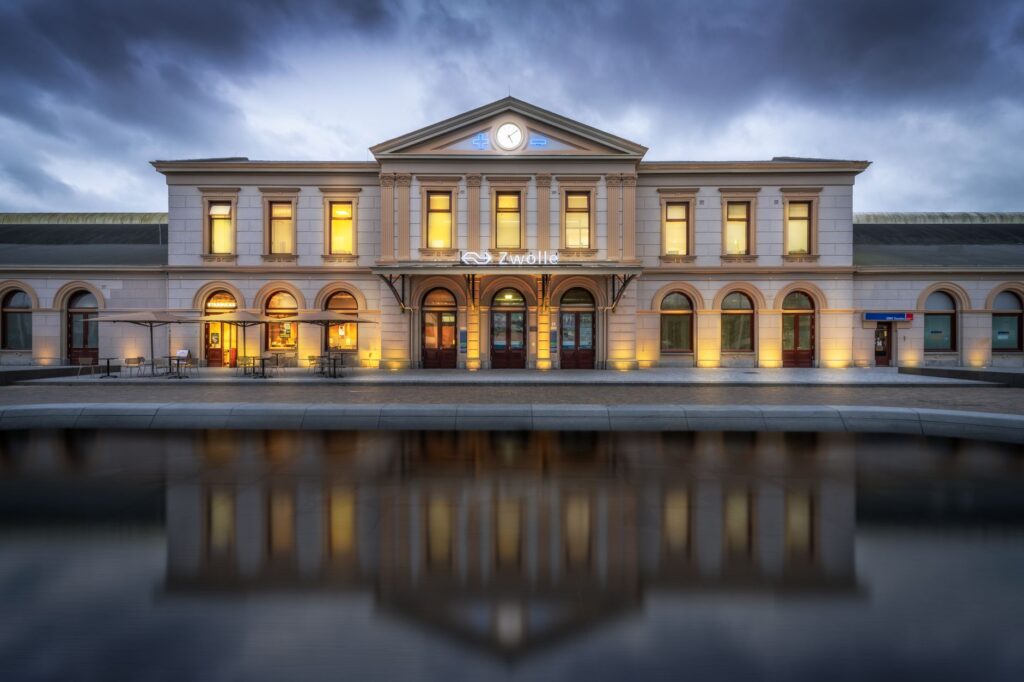
How to get there: Zwolle features an excellent direct rail connection from Amsterdam and Utrecht, with frequent trains operating throughout the day. The central station is a short walk from the historic center.
When to visit: Spring and summer offer mild temperatures ideal for touring the canals on an electric boat or renting a bicycle to explore the surroundings.
Where to stay: The municipality offers a wide hotel selection ranging from small boutique establishments in historic buildings to sustainable family accommodations in residential neighborhoods.
Recommended gastronomy: Visiting the Grote Markt market on Saturdays is recommended to taste local cheeses, river fish, and Dutch pastry specialties.
Getting around: The best way to get around the city is on foot or by bicycle, utilizing the extensive network of marked lanes and respecting pedestrian priority in the old town.
Responsible tip: Support local commerce by shopping directly at artisan workshops in the center and respect neighborhood coexistence rules in residential areas.
The Emotional Reflection of a Connected Community
As evening falls, the golden twilight light reflects on the calm waters of the canals embracing Zwolle’s historic center, casting long shadows over brick bridges and centuries-old facades. Residents return home by bicycle, greeting each other familiarly as they turn corners, while the warm lights of windows begin to illuminate the cobblestone streets. In this corner of the Netherlands, life unfolds with a shared serenity that demonstrates how respect for heritage and commitment to the future can walk hand in hand in perfect harmony.