
The Arrival of Rails to the Gulf of Finland
In southeastern Finland, where the Kymijoki River empties into the Gulf of Finland, the city of Kotka has built its economic and social identity around water and port commerce. Yet, the history of its modern development cannot be understood without the arrival of the railway. At the end of the nineteenth century, the need to transport the growing volume of timber, cellulose, and industrial goods manufactured in the Kymenlaakso region required a terrestrial transport infrastructure capable of connecting the maritime docks with the country’s interior. The railway network that structures the area today was designed as a logistical bridge between boreal forests and international shipping routes.
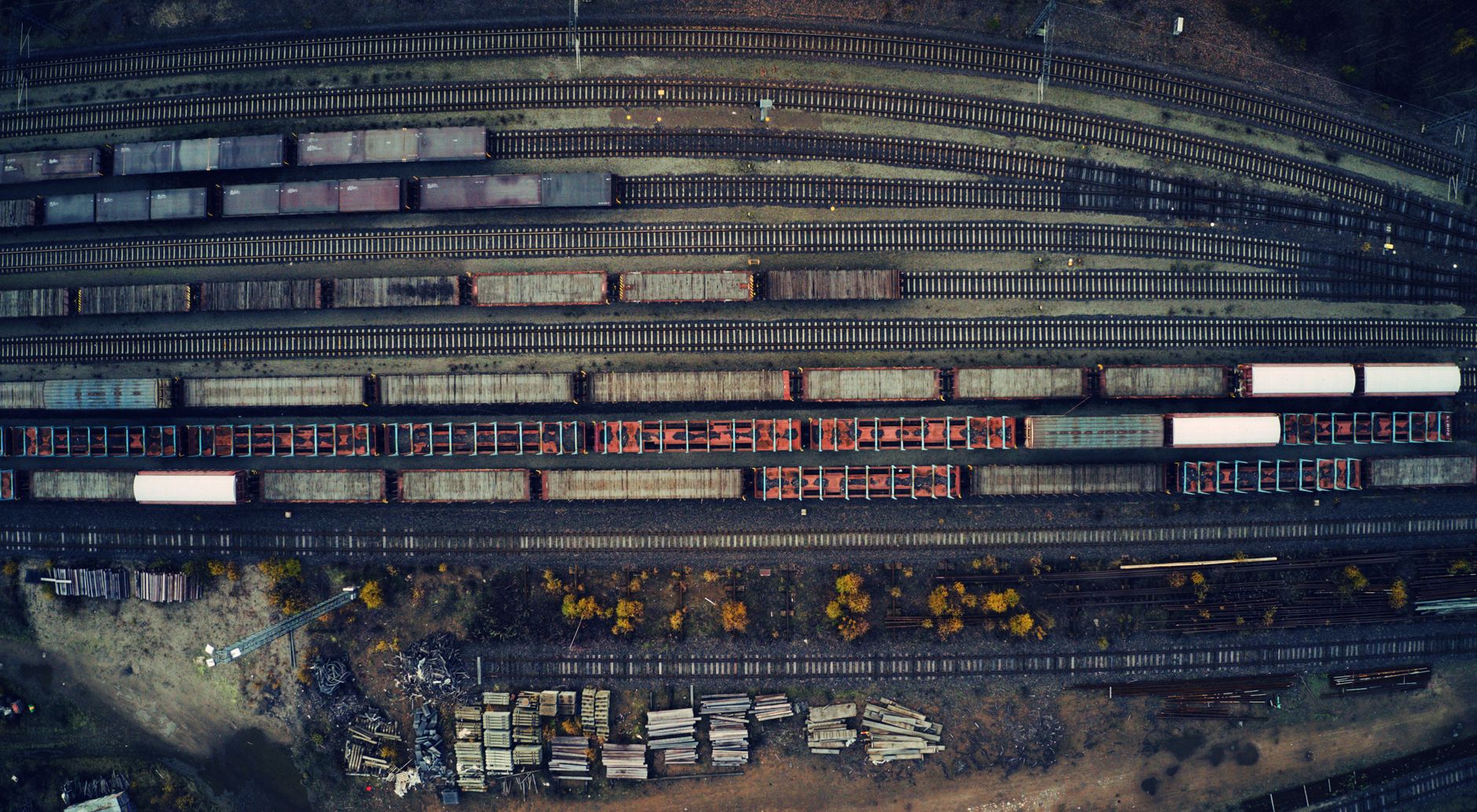
The train tracks not only transformed the local economy but also reshaped the urban layout. Timber yards and old wood-processing industries grew parallel to the rail branches, establishing a symbiosis between factory activity and the regular passage of freight convoys. Today, although Kotka’s physiognomy has evolved into a more diversified urban fabric, the vestiges of that foundational era remain visible in the layout of its stations and the crossings that intersect the daily routine of its more than fifty thousand residents.
The Daily Pulse at Regional Stations
For the residents of Kotka and neighboring municipalities within the Kotka-Hamina subregion, the train represents an essential tool for maintaining territorial cohesion. Although road transport complements daily commutes, the railway offers a steady alternative against the extreme weather variations of the northern winter. The stations on the local network are not monumental mega-terminals, but functional and clean spaces where punctuality sets the rhythm of the day for students, workers, and occasional travellers.
The passenger flow combines those travelling to larger administrative centers with individuals commuting for work within the province itself. On winter mornings, when daylight lingers for only a few hours along the horizon, the illuminated platforms and the muffled sound of carriages over frozen rails form a familiar snapshot of Finnish life. The railway infrastructure thus demonstrates its capacity to adapt to a demanding natural environment without disrupting the measured yet constant pace of the community.
Railway Architecture and Industrial Memory
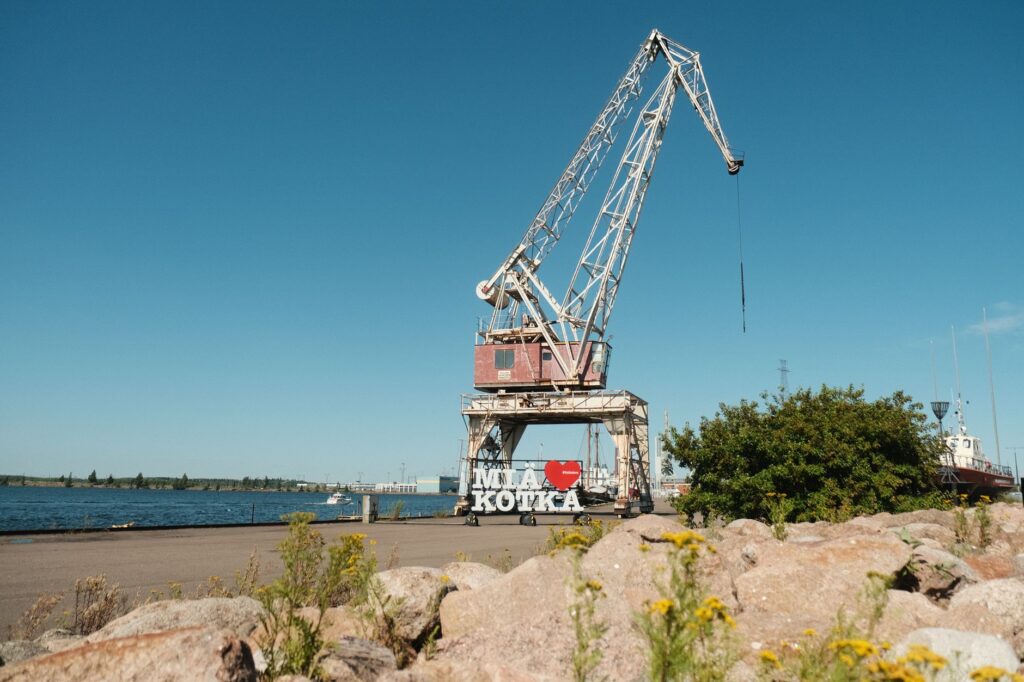
The architecture linked to rail transport in Kotka reflects an era of constructive sobriety where timber and red brick predominated in service buildings. Old stations and signal boxes preserve functional design elements that prioritized frost resistance and ease of maintenance. These secondary buildings, many of them now converted into local archives or cultural spaces, recall the importance railway personnel held in the consolidation of the urban settlement.
Unlike major European capitals where railway terminals seek visual impact, Kotka’s railway heritage stands out for its discreet integration into the landscape. The metal bridges crossing river arms and the overpasses near the port display engineering designed to withstand the passage of time and Baltic tides. Each structure tells a story of collective effort aimed at connecting a wooded peninsula with the rest of the continent.
The Boreal Landscape and the Traveller’s Perspective
Travelling by train toward Kotka offers one of the most distinctive visual experiences in southern Finland. As carriages advance into the Kymenlaakso region, the urban scenery gradually gives way to an endless succession of spruce trees, dark lakes, and agricultural plains that shift radically in tone depending on the season. During summer months, the dense green of the forests contrasts with the deep blue of inland waters; in winter, snow blankets the fields, transforming the journey into a monochromatic crossing of great beauty.
For travellers interested in industrial heritage, the railway route allows one to understand how the territory was tamed through a combination of maritime ports and iron tracks. This is not a high-speed route, but a human-scale journey that invites unhurried observation. Train windows act as a moving screen projecting the daily life of forest villages and small halts that keep the tradition of public transport alive in low-density areas.
Integration with Other Transport Modes
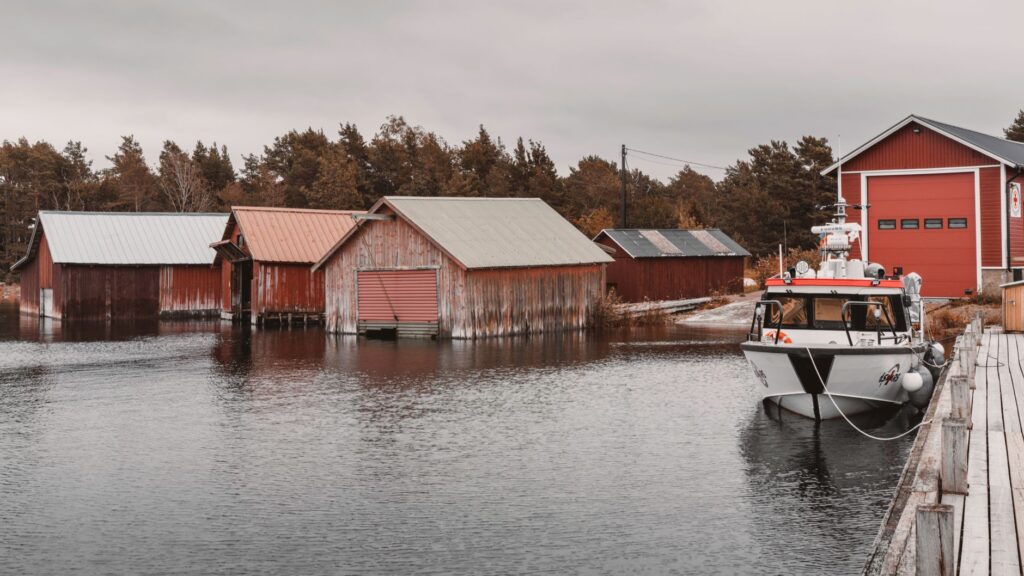
The mobility system in Kotka does not depend exclusively on the train; the network’s efficiency lies in its ability to articulate with local buses and maritime traffic. Railway stations function as transfer nodes where convoy schedules synchronize with urban bus lines connecting residential neighborhoods to the historic center and industrial zones. This coordination is essential to ensure citizens can move around without relying on private vehicles.
Likewise, the proximity between rail infrastructure and freight docks facilitates the transfer of goods destined for export. Although passenger transport occupies a central place in the traveller’s experience, Kotka’s port vocation continues to demand that tracks share space with the constant movement of heavy cargo. This duality requires rigorous traffic planning to avoid congestion and ensure safety at level crossings and shared urban areas.
Maintenance Challenges in the Nordic Climate
Operating a rail transport network in northern Europe entails facing constant meteorological challenges. Heavy snowfall, ice formation on switches, and thermal fluctuations during seasonal shifts test Kotka’s railway infrastructure. Transport authorities allocate continuous resources to track clearing, signalling system reviews, and catenary maintenance to minimize service interruptions.
The responsiveness to winter weather is a decisive factor for user confidence. Residents note that train punctuality is maintained even during adverse weather days, thanks to preventive maintenance protocols and specialized machinery. This commitment to service continuity reinforces the perception of the railway as the region’s most reliable and secure transport mode.

The Future of Sustainable Mobility in the Region
Looking ahead to coming decades, Kotka’s transport strategy prioritizes emission reduction and the modernization of existing connections. The progressive electrification of pending sections and improvements in convoy energy efficiency form part of national guidelines to achieve climate neutrality. Local authorities examine how to enhance train use both for daily commuter trips and for low-impact sustainable tourism.
The objective is to consolidate a multimodal network where travellers can cross the country with a minimal carbon footprint. The city’s railway tradition, far from being relegated to the past, reinvents itself as a strategic asset to face twenty-first-century ecological challenges, demonstrating that the combination of history, geography, and technology remains the engine of local development.
Kotka’s railway network demonstrates that efficient public transport is the invisible foundation upon which the stability and cohesion of northern European coastal communities rest.
The experience of traversing these routes invites reflection on the importance of maintaining robust public infrastructures that guarantee equal opportunities in territorial access, regardless of demographic density or environmental climatic difficulties.
Practical guide
- How to get there: The most direct way to reach Kotka via public transport is through rail and bus services connecting the city to Helsinki and other major towns in southern Finland.
- Local transit: The urban bus network operates in coordination with the arrival and departure times of regional transport services, facilitating access to different residential neighborhoods and port zones.
- Best time to travel: Summer months offer longer days and mild temperatures ideal for exploring the coastline and natural areas, while winter provides unique boreal landscapes and a traditional railway atmosphere.
- Traveller tip: It is recommended to check updated schedules on official Finnish transport applications before starting any journey, especially during months with severe winter weather conditions.
- Local heritage: Visitors should dedicate time to explore Kotka’s historic center and port areas, where industrial architecture and former timber warehouses explain the region’s economic evolution.
- Appropriate clothing: Regardless of the time of year, wearing comfortable footwear and windproof outerwear is essential, as proximity to the Gulf of Finland often generates cool breezes even on sunny days.
- Connectivity: Main stations feature digital information displays and access to real-time travel networks to facilitate daily journey planning.