
The Fortress Above the Gulf and the Persistence of Stone
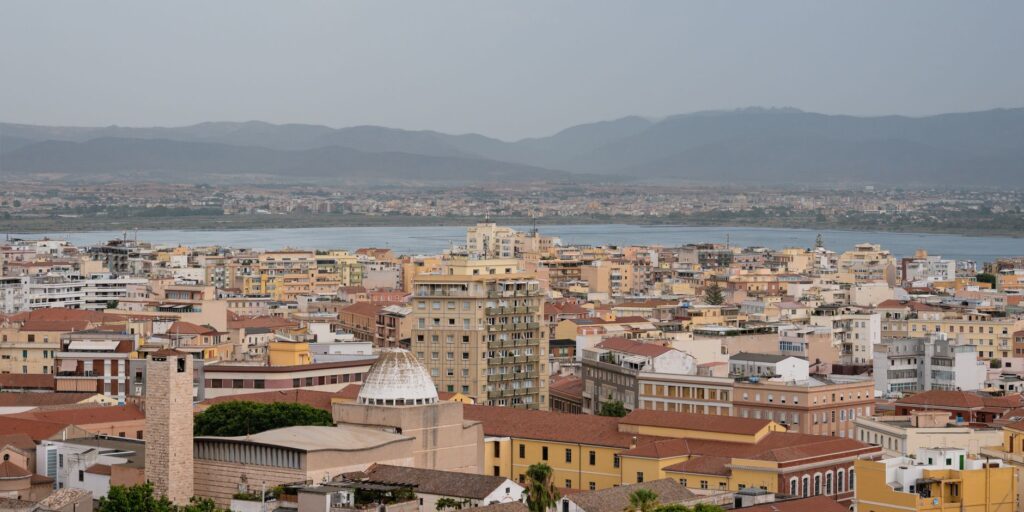
At the southern tip of Sardinia, Cagliari rises above limestone hills overlooking the deep waters of the Tyrrhenian Sea. The Italian city, historically known for its defensive bastions and proximity to saline wetlands, maintains a symbiotic relationship with its geographic setting. Far from being a mere seasonal destination, this insular enclave sustains an urban dynamic where medieval architecture coexists with the imperative to preserve the surrounding aquatic ecosystems.
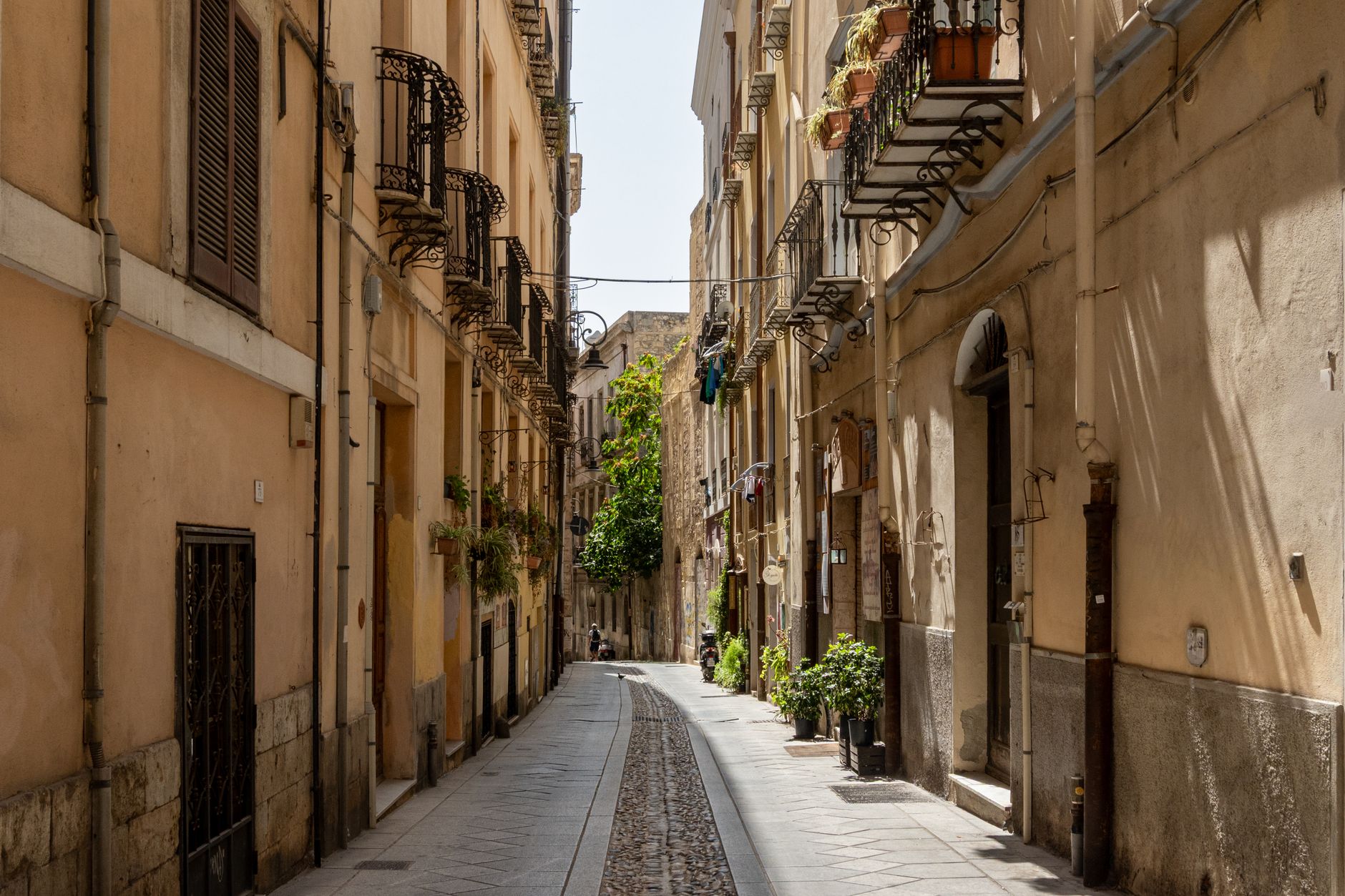
The white limestone walls, having withstood centuries of sieges and tides, enclose a network of narrow alleys where neighbourhood life sets the pace of each day. The original urban design, conceived for military defence, today favours human-scale mobility, where walking is the norm in upper districts like Castello. Municipal planning decisions aim to balance visitor influx with the protection of a fragile architectural heritage exposed to marine erosion.
Walking through the steep cobblestone lanes reveals a careful balance between the preservation of ancient structures and the daily flow of residents who inhabit them. The local community actively participates in maintaining the historical integrity of these districts, ensuring that architectural conservation remains a living practice rather than a static museum display. Visitors are invited to observe these rhythms without altering the daily habits of the neighbourhoods, respecting the boundaries between tourist areas and private residential zones.
Proximity Provisioning in the Upper Districts
Food supply in the Sardinian capital relies on a network of food markets prioritising local and seasonal produce. The San Benedetto market, one of the largest in Europe in its category, exemplifies this commitment to food sustainability. Stalls featuring fresh fish caught in the gulf, vegetables grown in the surrounding plains, and traditional shepherd cheeses form a short commercial chain that drastically reduces the carbon footprint associated with transport.
Local residents visit these exchange spaces daily, keeping alive a commercial tradition that rejects the uniformity of large shopping centres. Local grocers and producers operate under strict traceability regulations, ensuring that every food item reflects the agricultural and pastoral identity of the island. This consumption model not only supports Sardinia’s rural economy but also educates the visitor in respecting natural production cycles.
Choosing products directly from regional producers fosters a deeper connection with the land and its seasonal offerings. Travellers who adopt this shopping habit contribute directly to the economic viability of small-scale farmers and fishers. By avoiding processed goods shipped from distant regions, visitors reduce their indirect environmental impact and experience the authentic culinary heritage of the Italian territory.
Active Mobility Against Insular Topography
Cagliari’s rugged geography, characterised by steep slopes between historic neighbourhoods and the coastal strip, poses unique challenges for sustainable mobility. To overcome these physical barriers without heavy reliance on private vehicles, the local administration has promoted mechanical pedestrian connections and cycling routes linking natural ponds with the urban core. Bicycles and electric public transport are gradually consolidating among a population that values the tranquillity of its residential streets.
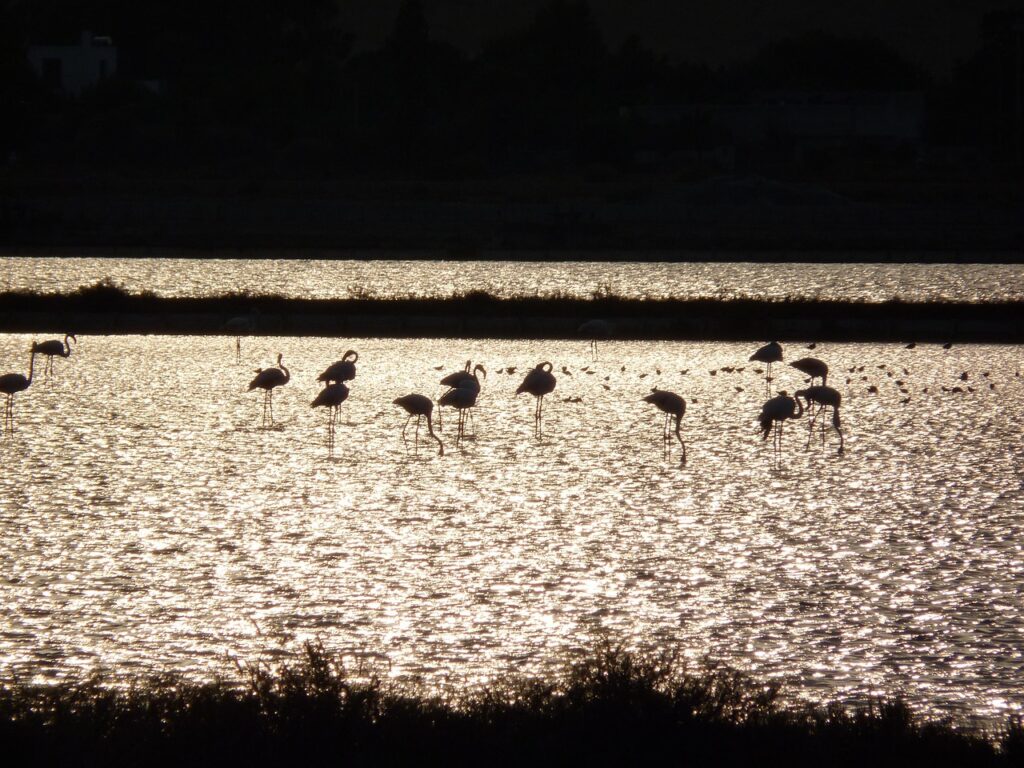
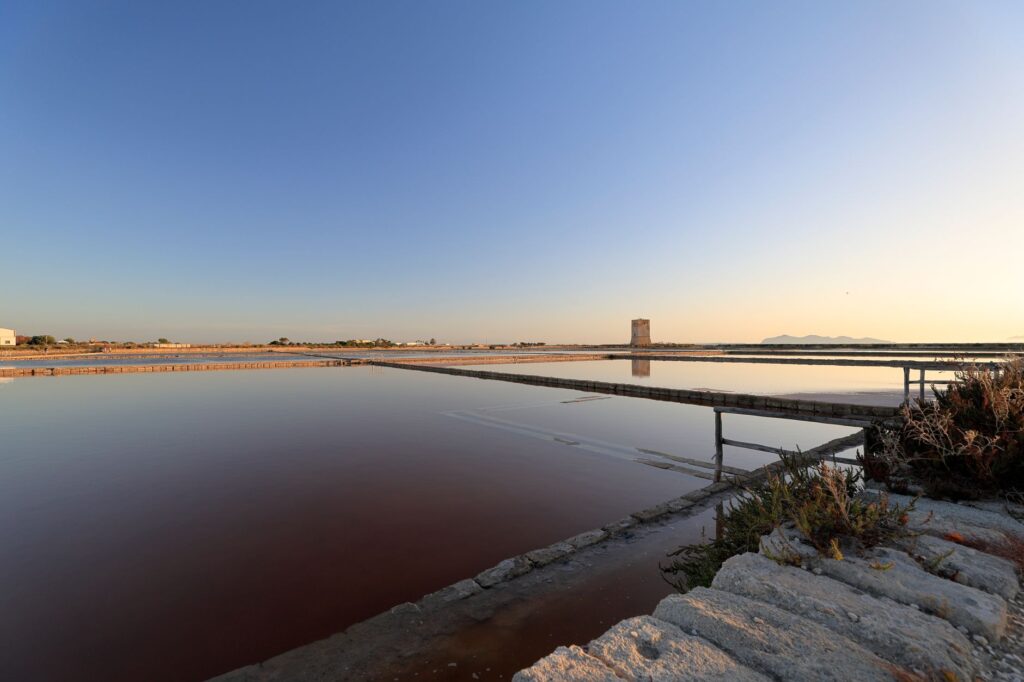
Daily commutes integrate with the network of protected green spaces, such as the Molentargius-Saline Park, home to stable populations of pink flamingos. The coexistence between urban infrastructure and these areas of high ecological value demonstrates that municipal growth can be subordinated to the conservation of avifauna and wetland habitats. The network of cycle lanes allows travellers to tour the coastline without disturbing the rest of migratory birds finding refuge in the former salt pans.
Public elevators and escalators strategically placed across different elevation levels offer practical alternatives to motor vehicle use. These installations facilitate daily mobility for residents and visitors alike, reducing traffic congestion in narrow historic streets. Embracing these sustainable transport options encourages a slower, more contemplative pace of exploration throughout the Italian city.
«True sustainability in an island capital begins when urban routines align with the biological rhythms of the surrounding wetlands and the preservation of historic stone.»
Water and the Management of Hydrological Resources
Sardinia’s historical scarcity of fresh water has profoundly shaped material culture and conservation practices in Cagliari. Modern hydraulic infrastructure combines with the recovery of ancient fountains and urban cisterns, fostering civic awareness around responsible consumption. Local hotels and accommodations adopt greywater recycling systems and plastic waste reduction measures, aligning with European sustainable tourism guidelines.
This rigorous management of water resources extends to public spaces and urban gardens, where native plant species requiring low irrigation are prioritised. The result is an urban landscape that withstands high summer temperatures without compromising human supply. Citizen participation in monitoring local aquifers reinforces collective commitment to long-term environmental sustainability.
Educational campaigns run by community groups highlight the importance of conscious water usage in domestic and commercial establishments. Visitors are encouraged to adopt the same conservation mindset during their stay, treating water as a precious commodity rather than an unlimited resource. These small behavioural adjustments help safeguard the ecological balance of the regional water table.
Residential Architecture and Sustainable Renovation
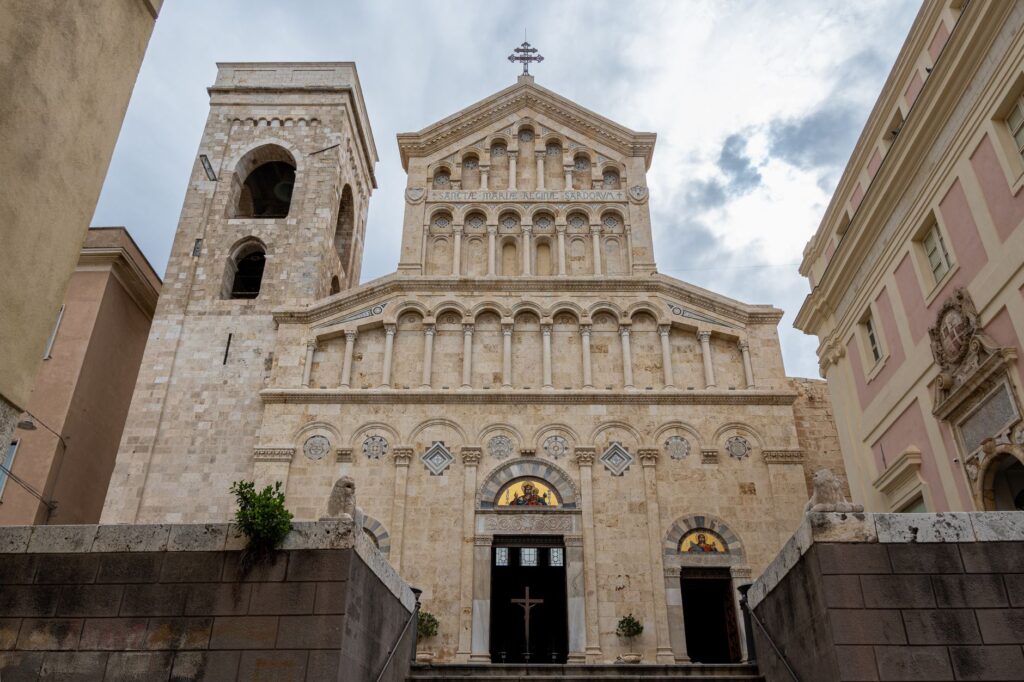
The building stock in Cagliari’s historic neighbourhoods undergoes a rehabilitation process based on the conservation of traditional materials, such as local stone, chestnut wood, and lime mortars. Local architects and restorers avoid demolishing old buildings, opting for energy efficiency through passive insulation techniques that respect the original aesthetics of the facades. This respectful intervention curbs real estate speculation and keeps traditional residents at the heart of the city.
Plazas and squares, paved with traditional cobblestones, function as intergenerational meeting points where the community’s urban future is debated. Municipal ordinances limit the installation of invasive commercial terraces, ensuring public space continues to belong to pedestrians and neighbours. The recovery of interior courtyards and green roofs on public buildings contributes to reducing the urban heat island effect during warmer months.
Preserving the architectural heritage involves meticulous craftsmanship and adherence to traditional building techniques that have proven resilient over centuries. Craftsmen specialised in lime rendering and stone masonry work closely with municipal authorities to ensure repairs match the historical context. This dedication to authentic restoration methods protects the visual harmony of the Italian urban landscape.
Community Culture and Local Craftsmanship
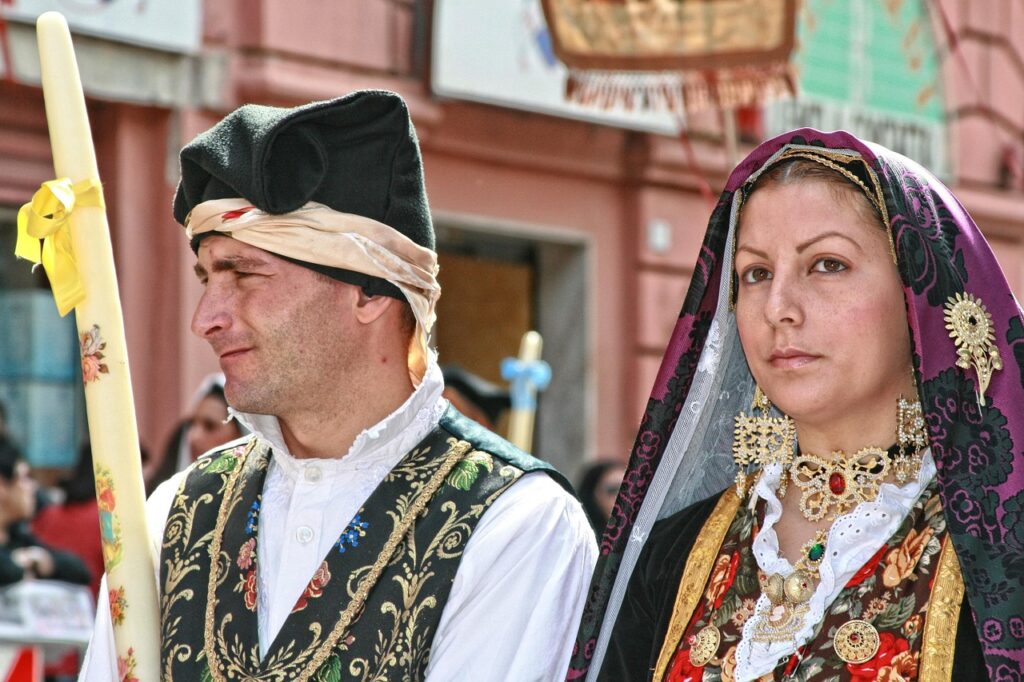
The preservation of artisanal trades constitutes another pillar of sustainable identity in the Sardinian capital. Traditional basketry workshops, wool weaving, and pottery studios maintain ancestral techniques using raw materials obtained sustainably from the island’s mountains and fields. These artisans collaborate with local schools to transmit their knowledge to new generations, ensuring the continuity of intangible cultural heritage enriching the respectful traveller’s experience.
Cagliari’s cultural offerings step away from mass circuits, focusing on acoustic music festivals in heritage spaces and documentary film screenings linked to insular ecology. Community centres and neighbourhood libraries organise workshops on critical consumption and waste management, consolidating an active citizen participation network. Visitors arriving in the city thus find an environment willing to share its memory without artifice or commercial rhetoric.
Engaging with local artisans through direct purchases supports the survival of traditional workshops that might otherwise disappear under industrial pressures. Cultural immersion in these creative spaces fosters mutual respect between residents and visitors, bridging the gap between past traditions and contemporary daily life.
Practical guide
How to get there: Cagliari-Elmas Airport (CAG) connects the city with major European hubs via scheduled flights. From the terminal, the commuter train transfers passengers to the central station in under ten minutes.
When to visit: Spring months (April to June) and early autumn (September to October) offer optimal temperatures for walking through the city and enjoying natural spaces without crowds.
Where to stay: Opt for family-run guesthouses and small independent hotels located in historic neighbourhoods applying verifiable energy-saving and waste-management measures.
Responsible gastronomy: Consume in traditional markets like San Benedetto and in restaurants certifying the local origin of their marine and agricultural ingredients.
Urban mobility: Prioritise the use of public elevators connecting the city’s different levels, electric buses, and signposted cycling routes toward the wetlands.
Respectful rules: Avoid unauthorised access to bird nesting areas in the Molentargius-Saline Park and maintain silence in protected natural spaces.
The Reflection of Twilight Over the Marshes
As the sun dips behind the western hills, golden light bathes the water mirrors of the former salt pans and casts long shadows over the stone bastions. In that moment of calm, Cagliari reveals its most intimate equilibrium, one sustaining the daily life of its inhabitants between the memory of stone and the brackish heartbeat of the Tyrrhenian Sea. The city continues its course without stridency, reminding us that true travel consists of learning to look with patience upon what endures.
Reflecting upon the interconnected systems of the Italian city allows visitors to appreciate the fragile harmony underpinning coastal environments. The ongoing efforts of residents, artisans, and local administrators demonstrate that sustainable urban living is an attainable goal rooted in cultural identity and ecological responsibility. Every journey guided by awareness leaves the landscape unharmed for those who follow.